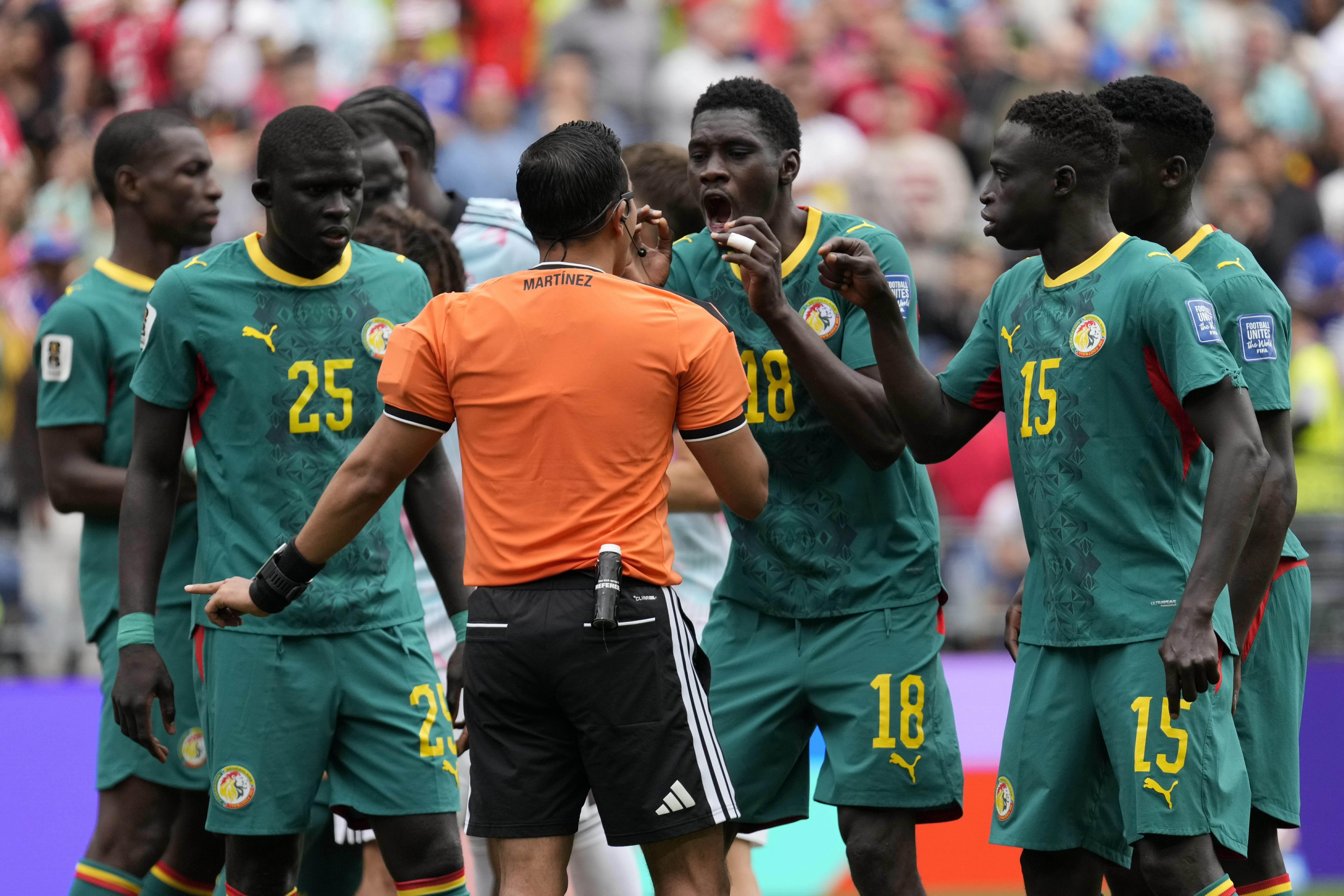
أغلقت رواية مشوار منتخب السنغال في كأس العالم 2026 بخسارة قاسية أمام بلجيكا بنتيجة 3-2 بعد الوقت الإضافي، في المباراة التي جمعت المنتخبين ضمن منافسات دور الـ32، بعد ضربة جزاء «ظالمة» وصفها الجميع عقب نهاية اللقاء.
وكان المنتخب السنغالي قريبًا من حجز بطاقة التأهل إلى دور الـ16 بعدما تقدم بهدفين سجلهما حبيب ديارا وإسماعيلا سار، قبل أن تعود بلجيكا في الدقائق الأخيرة عبر روميلو لوكاكو ويوري تيليمانس، ليفرض المنتخب الأوروبي وقتًا إضافيًا.
وشهدت الأشواط الإضافية أكثر لحظات المباراة إثارة للجدل، بعدما احتسب الحكم سعيد مارتينيز ركلة جزاء لصالح بلجيكا إثر تدخل من لامين كامارا على يوري تيليمانس داخل منطقة الجزاء، وذلك بعد مراجعة اللقطة عبر تقنية حكم الفيديو المساعد.
بلنتي ظالم
وأثار القرار موجة واسعة من اعتراضات لاعبي السنغال، بينما اعتبرت شبكة «أرشيفو فار» المتخصصة في تحليل الحالات التحكيمية أن المباراة شهدت استخدامًا مفرطًا لتقنية الفيديو.
وأضافت الشبكة أن تيليمانس مدّ قدمه قبل تدخل كامارا، ما أدى إلى احتكاك طبيعي بين اللاعبين، مؤكدة أنه لا يوجد خطأ واضح يستوجب احتساب ركلة جزاء، وأن اللاعب البلجيكي تعمد الاحتكاك دون وجود مخالفة واضحة.
تكرار.. نهائي أفريقيا
رغم الغضب الكبير داخل أرض الملعب، امتنع لاعبو السنغال عن الانسحاب، في مشهد أعاد إلى الأذهان نهائي كأس الأمم الإفريقية المثير للجدل أمام المغرب، عندما غادر اللاعبون الملعب مؤقتًا احتجاجًا على قرار تحكيمي.
لكن الأمور اختلفت هذه المرة بعد التعديلات الأخيرة التي أقرها مجلس الاتحاد الدولي لكرة القدم في أبريل الماضي، والتي شددت العقوبات على أي فريق يغادر الملعب احتجاجًا على قرارات الحكام أو يتسبب في إلغاء المباراة.
وتنص التعديلات على أنه يجوز للحكم، وفقًا لتقدير الجهة المنظمة للمسابقة، إشهار البطاقة الحمراء في وجه أي لاعب يغادر أرض الملعب احتجاجًا على قرار تحكيمي، كما تمتد العقوبة إلى أي مسؤول في الفريق يحرّض اللاعبين على الانسحاب.
كما تنص اللوائح على أن الفريق الذي يتسبب في إلغاء المباراة يُعد خاسرًا من حيث المبدأ، مع إمكانية توقيع عقوبات تأديبية إضافية بحسب ظروف الواقعة.
The Senegal national team's journey in the 2026 World Cup ended with a harsh defeat against Belgium, with a score of 3-2 after extra time, in the match that brought the two teams together in the Round of 32, following a "wrongful" penalty kick that everyone described after the end of the match.
Senegal was close to securing a spot in the Round of 16 after taking the lead with two goals scored by Habib Diallo and Ismaïla Sarr, before Belgium made a comeback in the final minutes through Romelu Lukaku and Youri Tielemans, forcing the European team into extra time.
The extra time witnessed the most controversial moments of the match, after referee Saïd Martinez awarded a penalty to Belgium following a challenge by Lamine Kamara on Youri Tielemans inside the penalty area, after reviewing the incident using the Video Assistant Referee (VAR) technology.
Unjust Penalty
The decision sparked a wide wave of protests from the Senegal players, while the "Archivo VAR" network, specialized in analyzing refereeing cases, considered that the match saw excessive use of video technology.
The network added that Tielemans extended his foot before Kamara's challenge, leading to a natural collision between the players, confirming that there was no clear foul that warranted a penalty, and that the Belgian player intentionally initiated the contact without a clear infringement.
Repetition.. Africa Final
Despite the significant anger on the pitch, the Senegal players refrained from withdrawing, in a scene reminiscent of the controversial Africa Cup of Nations final against Morocco, when the players temporarily left the field in protest of a refereeing decision.
However, things were different this time after the recent amendments approved by the International Football Association Board in April, which tightened penalties on any team that leaves the field in protest against refereeing decisions or causes the match to be abandoned.
The amendments stipulate that the referee, at the discretion of the organizing body of the competition, may issue a red card to any player who leaves the field in protest of a refereeing decision, and the penalty extends to any team official who incites players to withdraw.
The regulations also state that the team that causes the match to be abandoned is considered the loser in principle, with the possibility of imposing additional disciplinary penalties depending on the circumstances of the incident.