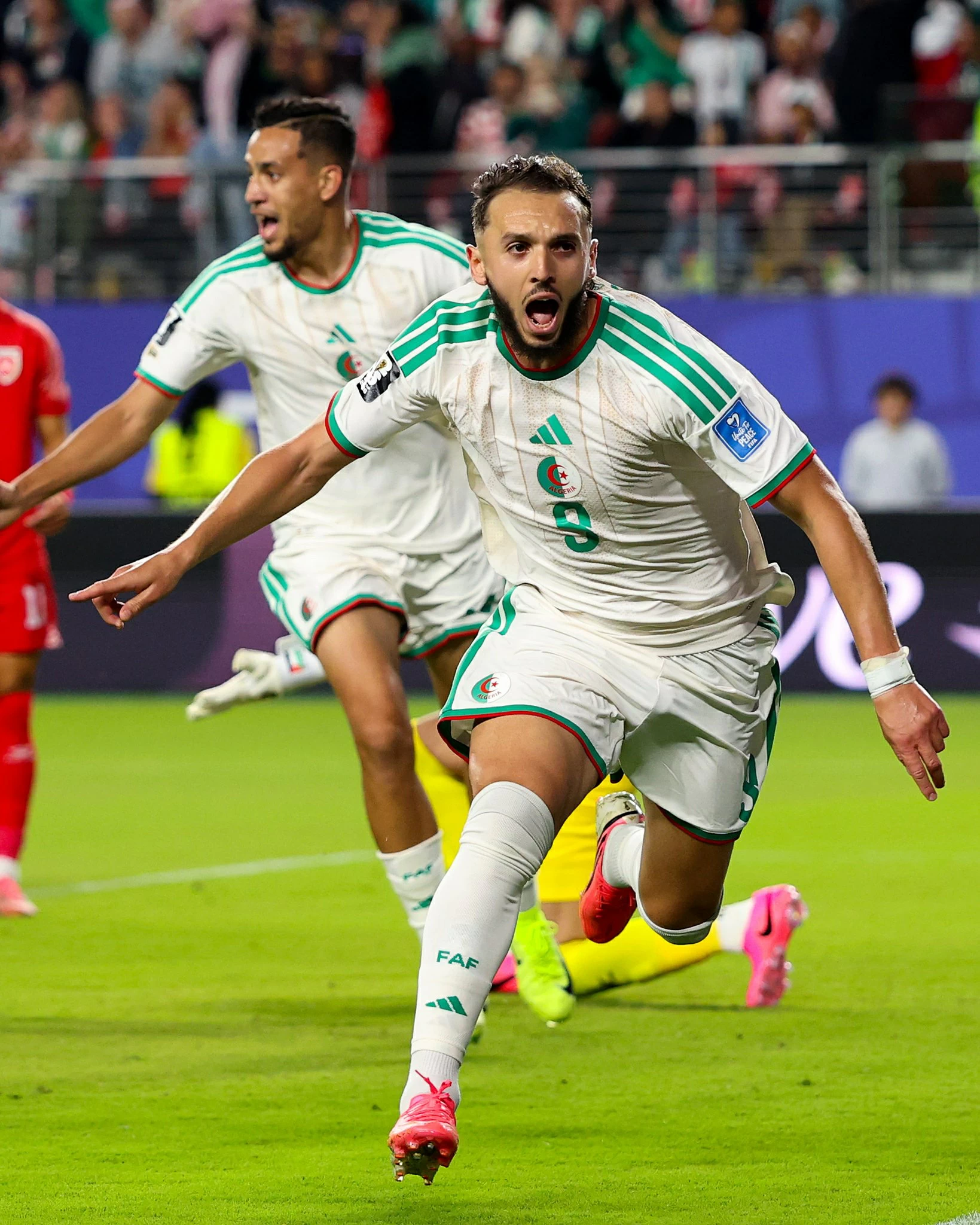
أعادت قرعة كأس العالم 2026 إلى الأذهان واحدة من أكثر القصص إثارة للجدل في تاريخ البطولة، بعدما وضعت الجزائر والنمسا وجهاً لوجه من جديد في الجولة الأخيرة من دور المجموعات.
وتعود الحكاية إلى مونديال 1982 عندما ضمت المجموعة منتخبات الجزائر وألمانيا الغربية والنمسا وتشيلي. وقتها فجر المنتخب الجزائري مفاجأة مدوية بفوزه على ألمانيا الغربية 2-1، قبل أن يخسر أمام النمسا 2-0 ويختتم مشواره بانتصار مثير على تشيلي 3-2.
ورغم تحقيق الجزائر انتصارين، بقي مصيرها معلقاً بنتيجة المباراة الأخيرة بين ألمانيا الغربية والنمسا. وكان المنتخب الألماني بحاجة إلى الفوز لضمان التأهل، فيما كانت النمسا تعلم أن الخسارة بفارق هدف واحد فقط ستمنح المنتخبين بطاقة العبور وتقصي الجزائر بفارق الأهداف.
سجلت ألمانيا هدفاً مبكراً، ثم تراجعت وتيرة المباراة بشكل أثار الكثير من الجدل حتى نهايتها بنتيجة 1-0، ليتأهل المنتخبان معاً وتغادر الجزائر البطولة في واحدة من أكثر المباريات إثارة للجدل في تاريخ كأس العالم، والتي عُرفت لاحقاً باسم "عار خيخون".
وبعد 44 عاماً، تتجدد المواجهة بين الجزائر والنمسا في مونديال 2026، لكن هذه المرة قد يملك محاربو الصحراء فرصة رد الاعتبار، إذ إن الفوز سيحرم النمسا من التأهل المباشر إلى دور الـ32، ويجبرها على انتظار نتائج بقية المجموعات أملاً في العبور ضمن أفضل المنتخبات أصحاب المركز الثالث.
فهل ينجح المنتخب الجزائري في كتابة نهاية مختلفة لهذه القصة التاريخية، ويحقق ثأراً كروياً انتظرته جماهيره لأكثر من أربعة عقود؟.
The draw for the 2026 World Cup has brought to mind one of the most controversial stories in the tournament's history, as Algeria and Austria face each other once again in the final round of the group stage.
The story goes back to the 1982 World Cup when the group included Algeria, West Germany, Austria, and Chile. At that time, the Algerian team caused a huge upset by defeating West Germany 2-1, before losing to Austria 2-0 and concluding their journey with a thrilling victory over Chile 3-2.
Despite Algeria achieving two victories, their fate remained uncertain, hinging on the result of the final match between West Germany and Austria. The German team needed to win to secure qualification, while Austria knew that losing by just one goal would allow both teams to advance and eliminate Algeria on goal difference.
Germany scored an early goal, and then the pace of the match slowed down significantly, sparking much controversy until it ended with a score of 1-0, allowing both teams to advance while Algeria exited the tournament in one of the most controversial matches in World Cup history, later known as the "Disgrace of Gijón."
After 44 years, the confrontation between Algeria and Austria is renewed in the 2026 World Cup, but this time the Desert Warriors may have a chance to redeem themselves, as a victory would deny Austria direct qualification to the Round of 32 and force them to wait for the results of the other groups in hopes of advancing as one of the best third-placed teams.
Will the Algerian team succeed in writing a different ending to this historical story and achieve a footballing revenge that their fans have awaited for more than four decades?