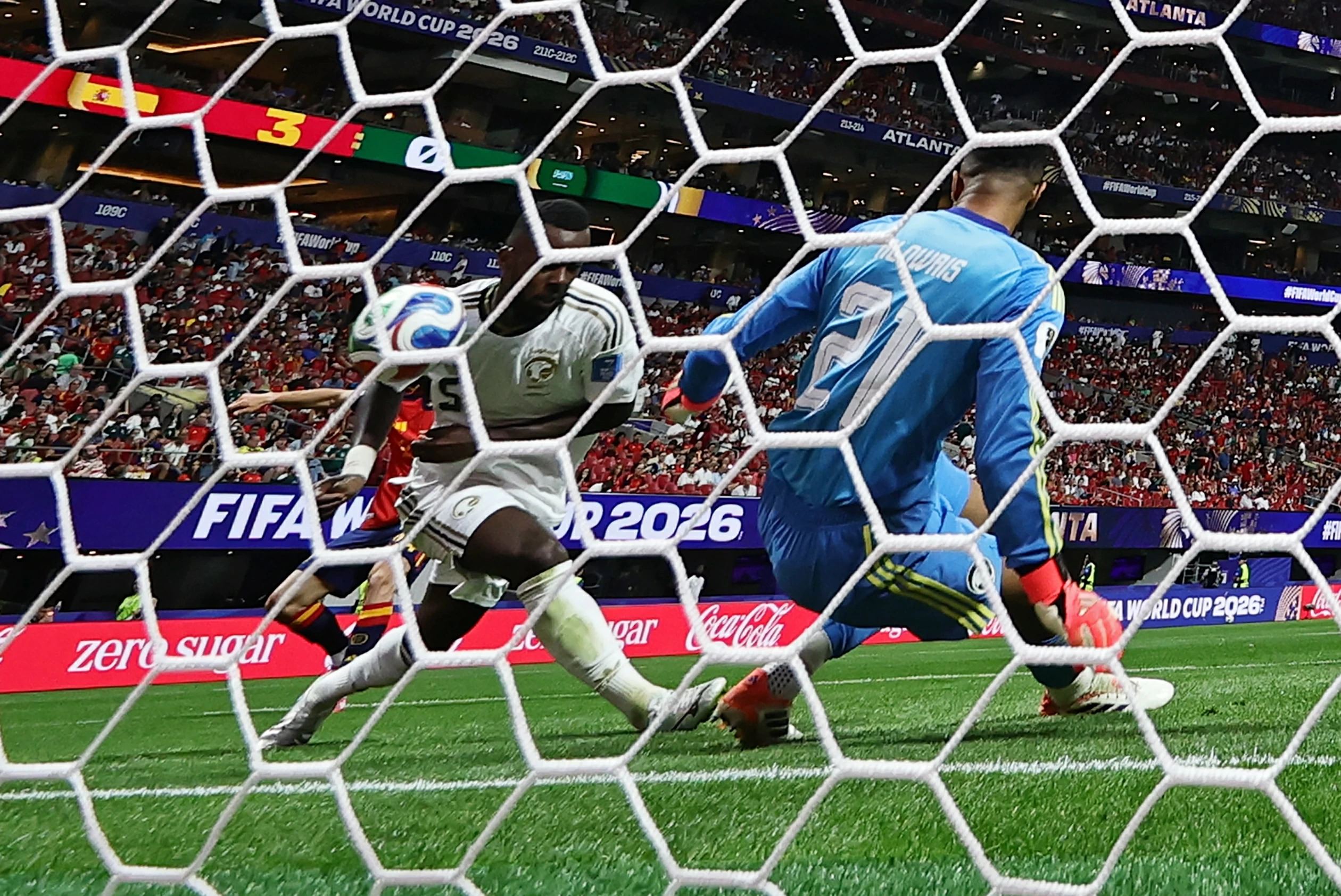
باتت الأهداف العكسية واحدة من أبرز ظواهر كأس العالم 2026، بعدما شهدت البطولة تسجيل 8 أهداف بالخطأ في المرمى حتى الآن، في رقم يضع النسخة الحالية على طريق تحطيم الرقم القياسي التاريخي للمونديال.
والمثير أن المنتخبات العربية كانت الضحية الأكبر لهذه الظاهرة، إذ استقبلت 5 من أصل 8 أهداف عكسية سُجلت في البطولة، ما جعل "النيران الصديقة" عاملًا مؤثرًا في نتائج عدد من المباريات.
وشهدت البطولة أهدافًا عكسية على منتخبات عربية عدة، من بينها قطر ومصر والعراق والأردن، في حين تواصل ارتفاع العدد مع تقدم منافسات دور المجموعات.
وبحسب الإحصاءات، فإن مونديال 2026 بات قريبًا من تهديد الرقم القياسي المسجل في نسخة 2018 التي شهدت 12 هدفًا عكسيًا، خصوصًا مع زيادة عدد المنتخبات والمباريات في النسخة الحالية إلى 48 منتخبًا و104 مباريات.
ومع استمرار البطولة، يبقى السؤال مطروحًا: هل تنجح نسخة 2026 في تسجيل الرقم الأعلى تاريخيًا للأهداف العكسية، أم تتوقف معاناة المدافعين عند هذا الحد؟
Own goals have become one of the most prominent phenomena of the 2026 World Cup, as the tournament has witnessed 8 own goals scored so far, a figure that puts the current edition on track to break the historical record for the World Cup.
Interestingly, Arab teams have been the biggest victims of this phenomenon, having conceded 5 out of the 8 own goals recorded in the tournament, making "friendly fire" a significant factor in the outcomes of several matches.
The tournament has seen own goals against several Arab teams, including Qatar, Egypt, Iraq, and Jordan, while the number continues to rise as the group stage progresses.
According to statistics, the 2026 World Cup is close to threatening the record set in the 2018 edition, which saw 12 own goals, especially with the increase in the number of teams and matches in the current edition to 48 teams and 104 matches.
As the tournament continues, the question remains: Will the 2026 edition succeed in recording the highest historical number of own goals, or will the suffering of defenders stop at this point?