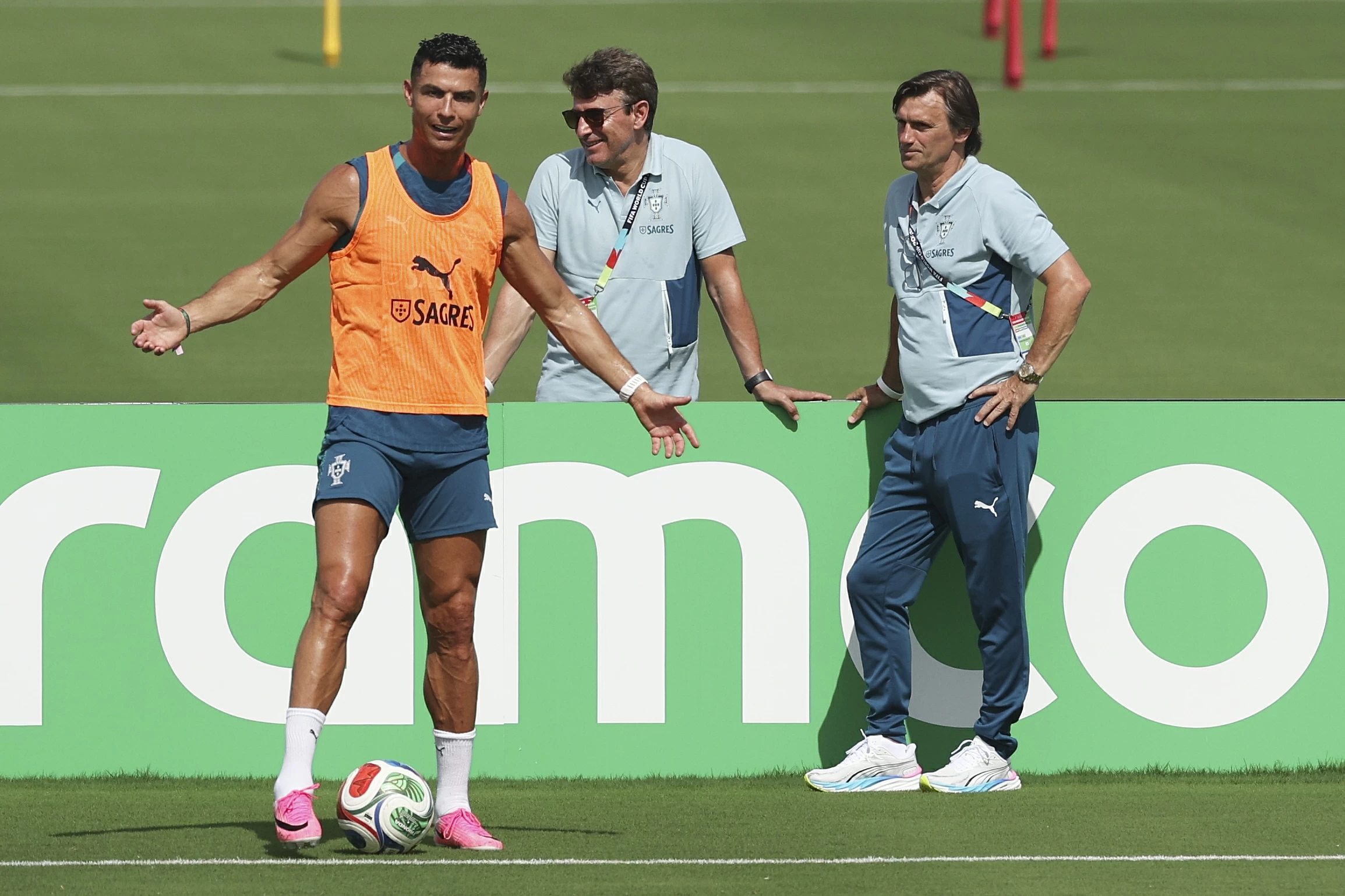
لم يحتج الأمر إلى أكثر من تصريح عابر وإعجابٍ على منشور في منصة اجتماعية حتى تتحول الساحة الرقمية البرتغالية إلى واحدة من أكثر النقاشات اشتعالًا بين جماهير كرة القدم. فعبارة جواو نيفيس التي وصف فيها كريستيانو رونالدو بأنه «لاعب يساعد الفريق مثل الجميع»، أعقبها تفاعل بسيط من برونو فيرنانديز، كانت كافية لإشعال موجة واسعة من الجدل.
سرعان ما تصدّر وسم «احترموا كريستيانو» النقاشات بين الجماهير البرتغالية، قبل أن يجد صداه لدى الجماهير السعودية والعربية التي لطالما ارتبطت بعلاقة استثنائية مع قائد النصر والمنتخب البرتغالي. وتحولت منصات التواصل إلى ساحة دفاع مفتوحة عن الدون، حيث رأى كثيرون أن مكانته التاريخية وإنجازاته الاستثنائية تستحق قدرًا أكبر من التقدير داخل المنتخب البرتغالي.
وتجاوز الجدل حدود التحليل الفني المعتاد، مع توجيه انتقادات حادة لبعض اللاعبين، وظهور مطالبات بتمرير الكرة أكثر لرونالدو، واستحضار مقارنات متكررة مع الطريقة التي يُبنى بها اللعب حول نجوم آخرين في المنتخبات العالمية.
لكن الجانب الأكثر إثارة للقلق تمثل في انتقال النقاش من المستطيل الأخضر إلى المساحات الشخصية، بعدما طالت الرسائل المقربين من اللاعبين وعائلاتهم، في مشهد يعكس الوجه الآخر للسوشال ميديا عندما تتحول العاطفة الرياضية إلى حملات ضغط وهجوم.
ويبقى الثابت وسط كل هذا الجدل أن كريستيانو رونالدو، حتى في سنواته الأخيرة، لا يزال الاسم القادر على إشعال النقاشات وتوحيد الملايين أو تقسيمهم حول رأي واحد؛ وهي مكانة لا يصل إليها إلا القلائل في تاريخ كرة القدم.
It took nothing more than a fleeting statement and a compliment on a social media post for the Portuguese digital arena to become one of the most heated discussions among football fans. João Neves's remark describing Cristiano Ronaldo as "a player who helps the team like everyone else," followed by a simple reaction from Bruno Fernandes, was enough to ignite a wide wave of controversy.
Quickly, the hashtag "Respect Cristiano" topped the discussions among Portuguese fans, before resonating with Saudi and Arab fans who have always had an exceptional relationship with the captain of Al Nassr and the Portuguese national team. Social media platforms turned into an open defense arena for the legend, as many believed that his historical status and exceptional achievements deserved greater appreciation within the Portuguese national team.
The debate transcended the usual technical analysis, with sharp criticisms directed at some players, calls for passing the ball more to Ronaldo, and frequent comparisons with the way play is built around other stars in global teams.
However, the most concerning aspect was the shift of the discussion from the pitch to personal spaces, as messages targeted the players' close ones and their families, reflecting the darker side of social media when sports passion turns into campaigns of pressure and attack.
What remains constant amid all this controversy is that Cristiano Ronaldo, even in his later years, is still the name capable of igniting discussions and uniting millions or dividing them over a single opinion; a status that only a few reach in the history of football.