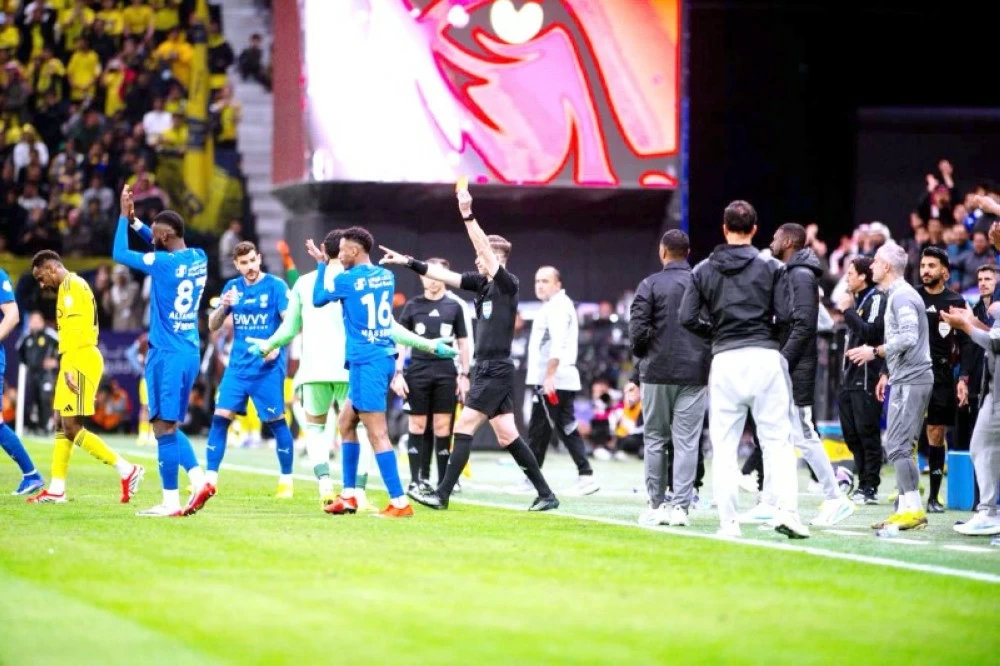
تشهد الملاعب الرياضية بين الحين والآخر حالات طرد مثيرة للجدل، تتحول معها بعض المباريات من منافسة كروية خالصة إلى ساحة نقاش واسعة حول القرارات التحكيمية وحدود صلاحيات الحكم، لا سيما مع الاستعانة بتقنية حكم الفيديو المساعد الـ(VAR)، إذ تتصاعد حدة الجدل عندما تتباين التفسيرات القانونية للقطة الواحدة بين الحكام والمحللين الرياضيين، ما يفتح الباب أمام تساؤلات مشروعة حول آلية اتخاذ القرار، وتأثيره المباشر على مجريات المباراة ونتائجها.
ورأى الخبير الرياضي مدرب اللياقة البدنية الكابتن علي المحمود، أن الجدل المتكرر حول حالات طرد بعض اللاعبين بعد إشهار البطاقة الحمراء والرجوع إلى تقنية حكم الفيديو المساعد الـ(VAR) يعكس حالة من التباين الواضح في فهم آليات التحكيم الحديثة، سواء لدى الجماهير أو حتى بعض المحللين الرياضيين في وسائل الإعلام، إذ إن اختلاف وجهات النظر بين الحكام والمحللين أمر طبيعي، لكنه يصبح إشكالياً عندما يبنى على انفعالات لا على قراءة قانونية دقيقة لنصوص اللعبة.
وعن اعتراض اللاعب المطرود وزملائه على الحكم باللفظ أو السلوك قال:
«الهجوم اللفظي أو السلوكي على الحكم من قبل اللاعبين مرفوض تماماً، ويتعارض مع القوانين والأخلاقيات الرياضية، فالحكم يعتبر جزءاً أساسياً من منظومة اللعبة، واحترامه واجب مهما كان الخلاف على القرار، والقوانين تمنح الحكم سلطة تقديرية، ولا تبيح بأي حال من الأحوال الاعتراض العنيف أو التشكيك العلني في نزاهته، لما لذلك من تأثير سلبي على صورة كرة القدم وسلوك اللاعبين داخل الملعب».
الرجوع إلى تقنية الفار
وعن سؤال: هل حكم الساحة ملزم بالرجوع إلى تقنية الفار في جميع الحالات أجاب المحمود:
«الحكم غير ملزم بالرجوع إلى تقنية الفار في جميع الحالات، بل فقط في الحالات الواضحة والمؤثرة، مثل الأخطاء الجسيمة المتعلقة بالأهداف، وضربات الجزاء، وحالات الطرد المباشر، أو الخطأ في تحديد هوية اللاعب، كما أن عدم الرجوع للفار لا يعتبر خطأً تحكيمياً بحد ذاته، ما دام الحكم متأكداً من قراره وسبق له اتخاذ زاوية رؤية مناسبة».
وحول حالات تراجع الحكم عن قرار البطاقة الحمراء أوضح:«هناك حالات محددة تستدعي تراجع الحكم عن قرار الطرد بعد إشهار البطاقة الحمراء، أبرزها ثبوت عدم وجود احتكاك عنيف، أو أن المخالفة لم تصل إلى حد سلوك عنيف، أو وجود خطأ في التقدير نتيجة زاوية رؤية خاطئة، أو تدخل الفار لتوضيح أن المخالفة تستوجب إنذاراً فقط وليس الطرد المباشر، وهنا يكون الرجوع عن القرار دليلاً على قوة التحكيم لا ضعفه».
وحول أحقية الأندية في الاعتراض على حالة الطرد، أكد المحمود أن من حق أي ناد التقدم باعتراض رسمي أو بيان بعد انتهاء المباراة، شريطة أن يكون ذلك عبر القنوات القانونية المعتمدة، وبأسلوب مهني بعيداً عن التشهير أو الإساءة، فبعض حالات الطرد يمكن مراجعتها لاحقاً من قبل اللجان المختصة، وقد ينتج عنها إلغاء البطاقة أو تخفيف العقوبة إذا ثبت وجود خطأ واضح.
واختتم الكابتن المحمود حديثه بالتأكيد على أن طرد اللاعب يؤثر بشكل مباشر على مجريات المباراة، سواء من الناحية الفنية أو النفسية، إذ يخل بتوازن الفريق، ويجبر المدرب على تغيير خطته، كما يمنح الأفضلية العددية للفريق المنافس، لذا يتطلب التعامل الذكي مع حالات الطرد هدوءاً وانضباطاً، لافتاً إلى أن تطوير وتكريس الثقافة التحكيمية لدى اللاعبين والإعلام والجماهير بات ضرورة ملحة لمواكبة تطور كرة القدم الحديثة.
Sports fields occasionally witness controversial red card expulsions, turning some matches from pure football competitions into a broad discussion arena about refereeing decisions and the limits of the referee's authority, especially with the use of the Video Assistant Referee (VAR) technology. The intensity of the debate escalates when legal interpretations of a single incident vary between referees and sports analysts, raising legitimate questions about the decision-making process and its direct impact on the course and outcomes of the match.
Sports expert and fitness coach Captain Ali Al-Mahmoud believes that the recurring controversy surrounding the expulsion of certain players after a red card is issued and the subsequent reference to VAR reflects a clear disparity in understanding modern refereeing mechanisms, whether among fans or even some sports analysts in the media. While differing opinions between referees and analysts are natural, it becomes problematic when based on emotions rather than a precise legal reading of the game's rules.
Regarding the expelled player's and his teammates' verbal or behavioral objections to the referee, he said:
“Verbal or behavioral attacks on the referee by players are completely unacceptable and contradict sports laws and ethics. The referee is considered an essential part of the game system, and respecting him is a duty regardless of disagreements over decisions. The laws grant the referee discretionary power and do not permit any form of violent objection or public questioning of his integrity, as this has a negative impact on the image of football and player behavior on the field.”
Referring to VAR
When asked whether the on-field referee is obligated to refer to VAR in all cases, Al-Mahmoud replied:
“The referee is not obligated to refer to VAR in all cases, but only in clear and impactful situations, such as serious errors related to goals, penalty kicks, direct red card incidents, or mistakes in identifying a player. Additionally, not referring to VAR is not considered a refereeing error in itself, as long as the referee is confident in his decision and has previously taken an appropriate viewing angle.”
Regarding cases where the referee retracts a red card decision, he clarified: “There are specific cases that warrant the referee retracting a red card after it has been issued, the most notable being the absence of violent contact, or the foul not reaching the level of violent behavior, or an error in judgment due to an incorrect viewing angle, or VAR intervention clarifying that the foul warrants only a yellow card and not a direct red. Here, retracting the decision is a testament to the strength of refereeing, not its weakness.”
On the right of clubs to contest a red card, Al-Mahmoud confirmed that any club has the right to submit an official objection or statement after the match, provided it is done through the approved legal channels and in a professional manner, away from defamation or insult. Some red card cases can be reviewed later by the relevant committees, which may result in the card being annulled or the penalty being reduced if a clear error is established.
Captain Al-Mahmoud concluded his remarks by emphasizing that a player's expulsion directly affects the course of the match, both technically and psychologically, as it disrupts the team's balance and forces the coach to change his strategy, while also giving a numerical advantage to the opposing team. Therefore, dealing intelligently with expulsion cases requires calmness and discipline, noting that developing and instilling a refereeing culture among players, the media, and fans has become an urgent necessity to keep pace with the evolution of modern football.