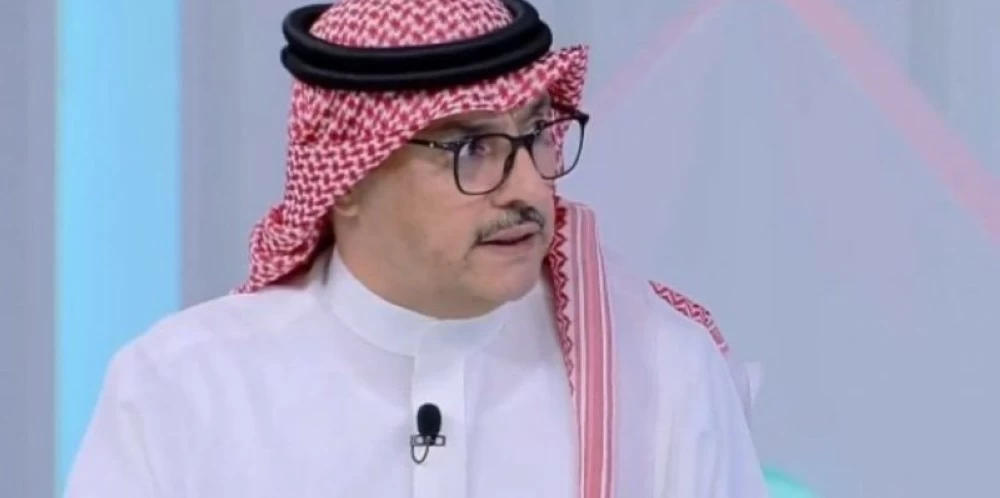
لم يكن ديربي الرياض الأخير مجرد مباراة حُسمت بنتيجة 3-1 لصالح الهلال، بل تحوّل إلى شرارة نقاش أوسع تجاوز المستطيل الأخضر، ووصل إلى استديوهات التحليل الرياضي، بعدما شهدت حلقة برنامج «نادينا» على قناة MBC الانسحاب المفاجئ للإعلامي تركي السهلي على الهواء مباشرة.
الواقعة التي بدت للوهلة الأولى خلافاً عادياً في وجهات النظر، سرعان ما كشفت أزمة أعمق تتعلق بخطاب التحليل الرياضي وحدود الاختلاف بين الضيف والمقدّم، في واحدة من أكثر مباريات الموسم حساسية جماهيرياً وإعلامياً.
وخلال تحليله للمباراة، قدّم تركي السهلي قراءة فنية اعتبر فيها أن الشوط الأول جاء متكافئاً، بينما تغيّر إيقاع المواجهة في الشوط الثاني، حيث – بحسب وصفه – أصبح الحكم «العنوان الأبرز» للمباراة؛ بسبب قرارات تحكيمية أثّرت على مجرياتها، بدءاً من ركلة الجزاء التي سجل منها سالم الدوسري هدف التعادل، وصولاً إلى طرد حارس النصر نواف العقيدي.
السهلي ذهب أبعد من ذلك، معتبراً أن هناك من لجأ إلى استفزاز لاعبي النصر لإخراجهم عن تركيزهم، في ظل شعور – على حد تعبيره – بأن النصر كان الطرف الأفضل فنياً داخل الملعب.
وهنا دخل مقدم البرنامج عبدالرحمن الحميدي على خط النقاش، مطالباً السهلي بالموضوعية، ومشيراً إلى أن الطرح المقدم لا يجب أن يقتصر على «كلام إنشائي». هذه الجملة كانت نقطة التحول، إذ رأى السهلي أن المذيع تجاوز دور إدارة الحوار إلى تبنّي موقف مضاد، مؤكداً أن اعتراضه لا علاقة له بالانتماءات، بل بطريقة التعامل مع رأيه الفني.
ورغم تأكيد الحميدي أن الأمر لا يرتبط بأي نادٍ أو ميول، تصاعد النقاش، ليختتمه السهلي بجملة حاسمة: «ليس من المنطقي أن يُوصَف حديثي بالمرسل والإنشائي»، قبل أن يشكر الحضور ويغادر الحلقة وسط ذهول خيم على الاستديو.
هذا الانسحاب لم يكن نهاية القصة، بل بدايتها. فقد فتح الباب أمام موجة تفاعل واسعة في الوسط الرياضي، كان أبرزها تعليق الناقد الرياضي عدنان جستنيه، الذي أبدى اتفاقه مع السهلي في رفضه لوصف حديثه، لكنه خالفه في قرار الانسحاب.
جستنيه رأى أن المذيع منح السهلي المساحة الكافية للرد والتعبير عن موقفه، معتبراً أن البقاء داخل الحوار كان خياراً أكثر تأثيراً من المغادرة، في إشارة إلى أن إدارة الخلاف لا تقل أهمية عن جوهره.
وأعادت الحادثة طرح أسئلة قديمة متجددة حول طبيعة البرامج الرياضية، وحدود النقاش الساخن، ودور المذيع بين إدارة الحوار والتأثير فيه.كما كشفت أن ديربي الرياض لم يعد يُحسم بصافرة النهاية، بل يمتد إلى المنصات الإعلامية، حيث تتقاطع الآراء، وتشتد الحساسية، وتتحول اللحظات العابرة إلى قضايا رأي عام.
وفي الوسط الرياضي اليوم، قد تُنسى تفاصيل الأهداف والبطاقات، لكن ما جرى في استديو «نادينا» يثبت أن كرة القدم دخلت مرحلة أصبح فيها الجدل الإعلامي جزءاً لا يتجزأ من الحدث نفسه، وربما أكثر اشتعالاً منه.
The last Riyadh derby was not just a match that ended with a score of 3-1 in favor of Al-Hilal; it turned into a spark for a broader discussion that transcended the green rectangle and reached the sports analysis studios, after the sudden withdrawal of the media figure Turki Al-Suhaili live on air during an episode of the program "Nadina" on MBC.
The incident, which initially seemed like a normal disagreement in viewpoints, quickly revealed a deeper crisis related to the discourse of sports analysis and the limits of disagreement between the guest and the host, in one of the most sensitive matches of the season in terms of fan and media attention.
During his analysis of the match, Turki Al-Suhaili provided a technical reading in which he considered that the first half was balanced, while the rhythm of the confrontation changed in the second half, where – according to his description – the referee became the "most prominent title" of the match due to officiating decisions that affected its course, starting from the penalty from which Salem Al-Dosari scored the equalizer, up to the red card given to Al-Nasr's goalkeeper Nawaf Al-Aqidi.
Al-Suhaili went further, considering that there were those who resorted to provoking Al-Nasr players to distract them, amid a feeling – in his words – that Al-Nasr was the better team technically on the field.
At this point, the program host Abdulrahman Al-Humaidi entered the discussion, urging Al-Suhaili to be objective and pointing out that the presented argument should not be limited to "rhetorical statements." This sentence was the turning point, as Al-Suhaili felt that the host had crossed the role of managing the dialogue to adopt an opposing stance, asserting that his objection was not related to affiliations, but to the way his technical opinion was handled.
Despite Al-Humaidi's insistence that the matter was not related to any club or inclinations, the discussion escalated, culminating in Al-Suhaili's decisive statement: "It is illogical for my comments to be described as vague and rhetorical," before he thanked the attendees and left the episode amid a stunned silence that enveloped the studio.
This withdrawal was not the end of the story, but rather the beginning. It opened the door to a wave of wide interaction in the sports community, the most notable of which was the comment from sports critic Adnan Jastaniah, who expressed his agreement with Al-Suhaili in rejecting the description of his comments, but disagreed with him on the decision to withdraw.
Jastaniah believed that the host had given Al-Suhaili enough space to respond and express his position, considering that staying in the dialogue was a more impactful choice than leaving, indicating that managing the disagreement is just as important as its essence.
The incident raised old and renewed questions about the nature of sports programs, the limits of heated discussions, and the role of the host in managing and influencing the dialogue. It also revealed that the Riyadh derby is no longer decided by the final whistle, but extends to media platforms, where opinions intersect, sensitivities intensify, and fleeting moments turn into public opinion issues.
In today's sports community, the details of goals and cards may be forgotten, but what happened in the "Nadina" studio proves that football has entered a phase where media debate has become an integral part of the event itself, and perhaps even more incendiary than it.