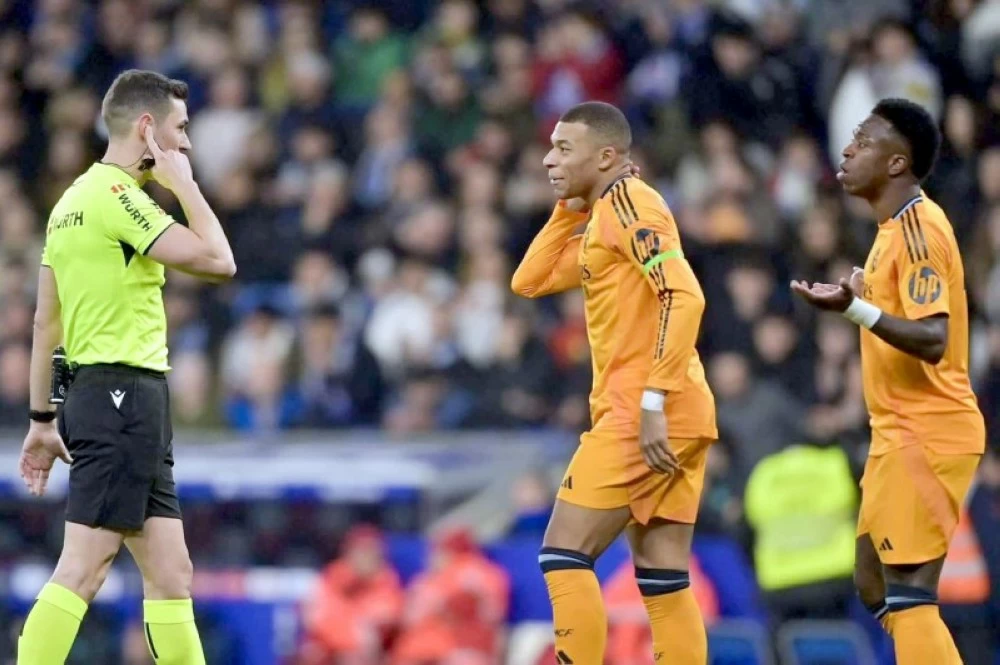
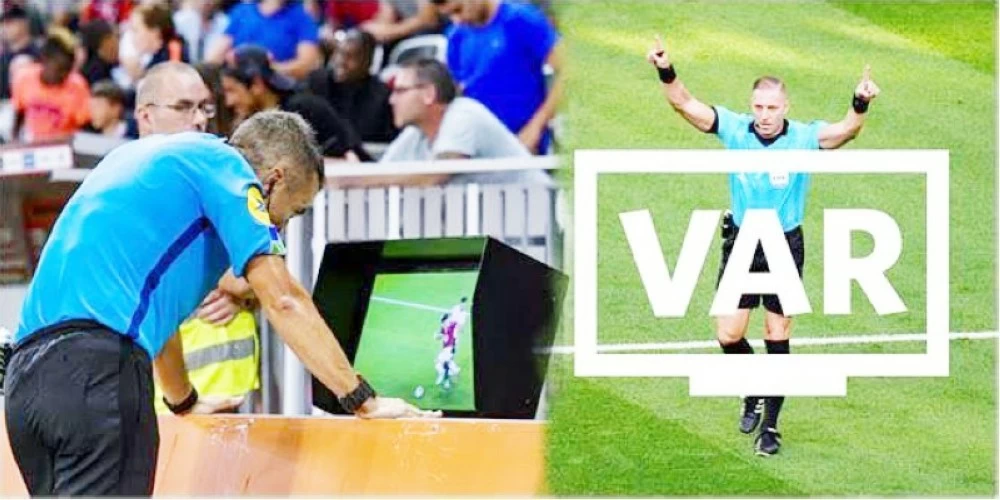
كثيراً ما نشاهد في الملاعب لحظات يشتد فيها الجدل، حين يصر بعض اللاعبين على مطالبة حكم الساحة بالرجوع إلى تقنية الـVAR لكشف الحقيقة وحسم الموقف وسط مؤازرة جماهيرية صاخبة تضفي على المشهد طابعاً حماسياً يعكس عمق التفاعل بين القرار التحكيمي والعاطفة الجماهيرية.
ويظل السؤال الذي يتردد في أذهاننا: هل يحق للاعبين مطالبة الحكم وإجباره على الرجوع إلى تقنية الـVAR لحسم الموقف الجدلي، وما تأثير الأصوات التي تصدرها الجماهير صوب حكم الساحة تأييداً لمطالبة اللاعبين؟
رداً على السؤال، يقول الخبير الرياضي مدرب اللياقة البدنية الكابتن علي المحمود لـ«عكاظ»:
«تقنية الـVAR مثلت نقلة نوعية في عالم كرة القدم، وجاءت لتحد من الأخطاء التحكيمية وتعيد الثقة في نزاهة المباريات، إلا أنها ليست بديلاً عن الحكم الذي يدير اللقاء بل أداة مساعدة له، والقرار النهائي يبقى بيده، سواء قبل المراجعة أو بعدها، فالثقة بقدرات الحكم وخبرته الميدانية تظلان الأساس في إدارة جميع المباريات، خصوصاً الكبرى، كما أن كثرة الاعتماد على الـVAR قد تضعف هيبة الحكم داخل ساحة الملعب».
وتابع: «اللاعبون لا يملكون الحق القانوني في مطالبة حكم الساحة بالرجوع إلى الـVAR، لأن البروتوكول المعتمد من الاتحاد الدولي لكرة القدم (فيفا) يمنح الحكم الرئيسي فقط سلطة اتخاذ قرار العودة إلى تقنية الفيديو إذا ارتأى أن الحالة تستوجب المراجعة أو أن هناك شكاً جوهرياً في قراره الميداني، كما أن تدخل اللاعبين أو اعتراضهم بشكل مباشر قد يعرضهم للعقوبة، لأن ذلك يعد تجاوزاً للنظام التحكيمي ويؤثر على سير المباراة».
وحول تأثير صوت الجماهير وضغط المدرجات على قرارات حكم الساحة، قال: «هذا العامل النفسي ما زال حاضراً بقوة في المباريات، وتحديداً الحاسمة، خصوصاً في الملاعب التي تمتاز بالحضور الجماهيري الكثيف، وبعض الحكام، خصوصاً في الدوريات المحلية قد يتأثرون جزئياً بهتافات الجمهور أو بانفعالات اللاعبين، فيلجؤون إلى طلب المراجعة بالـVAR كنوع من التحصين النفسي والمهني ضد الانتقادات أو التشكيك بعد المباراة».
وعن تأثير الـVAR في تقليل أخطاء الحكام منذ ظهوره يواصل المحمود: «الإحصاءات الدولية تشير إلى انخفاض واضح في نسبة الأخطاء المؤثرة على نتائج المباريات، لكن التقنية لم تلغ الأخطاء بالكامل، لأن تفسير اللقطات يخضع لتقدير بشري، وقد تختلف وجهات النظر بين حكم الفيديو وحكم الساحة، كما أن الجانب الإيجابي الأبرز في هذه التقنية هو أنها أعادت العدالة إلى كثير من المباريات وأنصفت فرقاً ولاعبين تعرضوا سابقاً لقرارات خاطئة من بعض الحكام في جميع الملاعب العالمية».
وأكد الخبير الرياضي المحمود، في ختام حديثه، أن تقنية الـVAR أصبحت جزءاً من منظومة التطور في كرة القدم الحديثة، ولكن نجاحها الحقيقي يعتمد على حسن استخدامها، وثقة الجماهير في حيادية من يديرها من وراء الشاشات، كما أن مستوى المراقبة داخل غرف الـVAR يعد عنصراً حاسماً في دقة القرارات، إذ تختلف سرعة التفاعل وخبرة الحكام المساعدين في تحليل اللقطات وتقديم التوصيات، ما يجعل كفاءة من يدير التقنية لا تقل أهمية عن كفاءة حكم الساحة نفسه.
We often witness moments in stadiums where the debate intensifies, as some players insist on asking the referee to refer to the VAR technology to uncover the truth and resolve the contentious situation amidst a loud crowd support that adds a passionate character to the scene, reflecting the depth of interaction between the refereeing decision and the fans' emotions.
The question that lingers in our minds remains: Do players have the right to demand that the referee refer to VAR to resolve the contentious situation, and what is the impact of the voices coming from the fans towards the referee in support of the players' demands?
In response to the question, sports expert and fitness coach Captain Ali Al-Mahmood told "Okaz":
“VAR technology represented a qualitative leap in the world of football, coming to reduce refereeing errors and restore confidence in the integrity of matches. However, it is not a substitute for the referee managing the match but rather an assisting tool for him, and the final decision remains in his hands, whether before or after the review. Trust in the referee's abilities and field experience remains the foundation for managing all matches, especially major ones. Additionally, excessive reliance on VAR may weaken the referee's authority on the pitch.”
He continued: “Players do not have the legal right to demand that the referee refer to VAR because the protocol established by FIFA grants only the main referee the authority to decide to return to video technology if he deems that the situation warrants a review or if there is a substantial doubt about his field decision. Moreover, players' direct interference or objections may expose them to penalties, as this is considered a violation of the refereeing system and affects the flow of the match.”
Regarding the impact of the crowd's voice and the pressure from the stands on the referee's decisions, he said: “This psychological factor is still strongly present in matches, especially decisive ones, particularly in stadiums known for their large crowds. Some referees, especially in local leagues, may be partially influenced by the fans' chants or the players' emotions, leading them to request a VAR review as a form of psychological and professional protection against criticism or doubt after the match.”
On the impact of VAR in reducing refereeing errors since its introduction, Al-Mahmood continues: “International statistics indicate a clear decrease in the percentage of errors affecting match results, but the technology has not eliminated errors entirely, as the interpretation of footage is subject to human judgment, and perspectives may differ between the video referee and the on-field referee. The most significant positive aspect of this technology is that it has restored fairness to many matches and justified teams and players who previously suffered from incorrect decisions by some referees in stadiums worldwide.”
Sports expert Al-Mahmood confirmed at the end of his talk that VAR technology has become part of the development system in modern football, but its true success depends on how well it is used and the fans' trust in the neutrality of those managing it from behind the screens. Additionally, the level of monitoring within the VAR rooms is a crucial element in the accuracy of decisions, as the speed of interaction and the experience of assistant referees in analyzing footage and providing recommendations vary, making the efficiency of those managing the technology as important as that of the on-field referee himself.