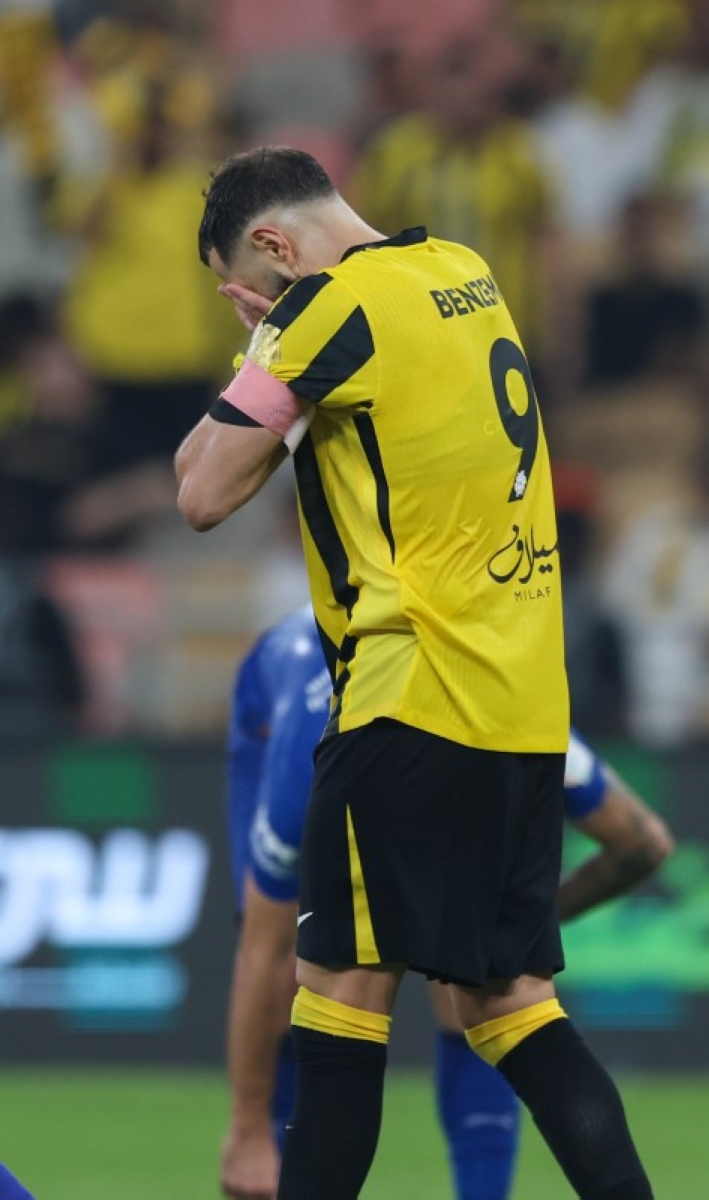
أكد استشاري الطب النفسي الدكتور محمد إعجاز براشا لـ«عكاظ» أنه مع اشتداد المنافسة في دور الـ16 من تصفيات كأس الملك تتصاعد حدة التوتر والضغوط النفسية على اللاعبين والمدربين والجماهير على حد سواء، خصوصًا عندما تنتهي المباراة بنتيجة التعادل ويحسم مصير الفريق عبر ضربات الجزاء الترجيحية، فتلك اللحظات تختصر مجهود تسعين دقيقة في دقائق حاسمة، يكون فيها الثبات النفسي والذهني أهم من المهارة نفسها.
وتابع: «عند ضربات الجزاء يتضاعف توتر اللاعبين الذين يتهيأون لتنفيذ تلك الركلات، إذ يدرك كل واحد منهم أن تسديدته قد تفتح طريق الانتصار أو تعجل بالخروج من البطولة، وهذا الشعور يولّد ضغطا نفسيا كبيرا يتطلب استعدادا ذهنيا خاصا، فالتسرع أو التردد قد يفقد اللاعب دقته وثقته بنفسه، بينما الهدوء والتركيز يمنحانه القدرة على التعامل بصلابة مع الموقف، ومن هنا تبرز مسؤولية المدربين في اختيار اللاعبين الأكثر جاهزية من الناحية النفسية والعقلية، وليس فقط من حيث المهارة الفنية، فبعض اللاعبين يملكون موهبة عالية، لكنهم يفتقرون للهدوء تحت الضغط، مما يجعل إدخالهم في هذه اللحظات الحساسة مغامرة قد تكلف الفريق الكثير، كما أن المدرب الواعي هو من يقرأ الحالة الذهنية لكل لاعب ويحدد بدقة من يمتلك الثبات والجرأة لتنفيذ الركلة».
وأضاف: «أما اللاعب غير المؤهل نفسيًا، فعليه أن يكون صريحًا مع مدربه ومع نفسه، وألا يخجل من الاعتذار عن تنفيذ الركلة، فذلك لا يعد ضعفا، بل وعيا ومسؤولية تجاه الفريق، لأن اللاعب المرهق نفسيا أو المتوتر بشدة قد يفقد التركيز ويسدد بطريقة عشوائية، في حين أن الاعتذار يمنح فرصة لزميل أكثر استعدادًا».
ولفت إلى أنه في الجانب الآخر نجد أن حراس المرمى يعيشون لحظات لا تقل توترا عن المنفذين، إذ تتجه إليهم كل الأنظار في انتظار «الإنقاذ المعجزة»، وهنا يحتاج الحارس في هذه اللحظة إلى مزيج من التركيز، والثقة بالنفس، وقراءة لغة جسد اللاعب، إضافة إلى الثبات الانفعالي أمام ضغط الجماهير والتوقعات، فنجاحه في التصدي لركلة واحدة قد يحوله إلى بطل في نظر الجماهير، بينما إخفاقه يعرضه للنقد واللوم.
ويوصي د. براشا اللاعبين بعدة نصائح مهمة قبل تنفيذ ضربات الجزاء، وهي: الحفاظ على تنفس هادئ ومنتظم لتقليل التوتر وتحسين التركيز، تجنب النظر للجماهير أو لوحة النتيجة قبل التسديد، لأن ذلك يشتت الذهن، تحديد الزاوية مسبقًا قبل التقدم للكرة، مما يمنح ثقة أكبر أثناء التنفيذ، والتحكم في الإيقاع الذهني من خلال التكرار البصري في التدريبات، وهو أسلوب نفسي يساعد على تنفيذ الركلة بتركيز أكبر، فالخلاصة أن ركلات الجزاء تبقى لحظات فارقة تكشف شخصية اللاعب وصلابة الفريق، ولا يمكن حسمها بالموهبة وحدها، بل تحتاج إلى إعداد نفسي متكامل، وتدريب ذهني يوازي أهمية التدريب البدني، لأن البطولات تكسب في لحظة هدوء تحت أقصى درجات الضغط.
Dr. Muhammad Ijaz Barasha, a psychiatric consultant, confirmed to "Okaz" that as the competition intensifies in the Round of 16 of the King’s Cup qualifiers, the level of tension and psychological pressure rises on players, coaches, and fans alike, especially when a match ends in a draw and the fate of the team is decided by penalty shootouts. Those moments condense the effort of ninety minutes into critical minutes, where psychological and mental stability is more important than skill itself.
He continued: "During penalty kicks, the tension of the players who are preparing to take those shots doubles, as each one of them realizes that their shot could open the path to victory or hasten their exit from the tournament. This feeling generates significant psychological pressure that requires special mental preparation. Rushing or hesitating may cause the player to lose their accuracy and self-confidence, while calmness and focus give them the ability to handle the situation firmly. Hence, the responsibility of coaches emerges in selecting the players who are most psychologically and mentally prepared, not just in terms of technical skill. Some players possess high talent but lack calmness under pressure, making their inclusion in these sensitive moments a gamble that could cost the team dearly. A conscious coach is one who reads the mental state of each player and accurately determines who has the stability and courage to take the shot."
He added: "As for the player who is not psychologically qualified, they should be honest with their coach and themselves, and not be ashamed to decline taking the shot. This is not a sign of weakness, but rather awareness and responsibility towards the team, because a player who is psychologically exhausted or extremely tense may lose focus and shoot randomly, while declining gives an opportunity to a teammate who is more prepared."
He pointed out that on the other side, goalkeepers experience moments that are no less tense than those of the shooters, as all eyes are on them waiting for the 'miraculous save.' Here, the goalkeeper needs a mix of focus, self-confidence, and reading the body language of the player, in addition to emotional stability in the face of crowd pressure and expectations. Their success in saving just one penalty could turn them into a hero in the eyes of the fans, while failure exposes them to criticism and blame.
Dr. Barasha recommends several important tips for players before taking penalty kicks, which are: maintaining calm and regular breathing to reduce tension and improve focus, avoiding looking at the crowd or the scoreboard before shooting, as this distracts the mind, determining the angle in advance before approaching the ball, which provides greater confidence during execution, and controlling the mental rhythm through visual repetition in training, which is a psychological method that helps execute the kick with greater focus. In summary, penalty kicks remain pivotal moments that reveal the player's character and the team's resilience, and cannot be decided by talent alone; they require comprehensive psychological preparation and mental training that is as important as physical training, because championships are won in moments of calm under the highest levels of pressure.