


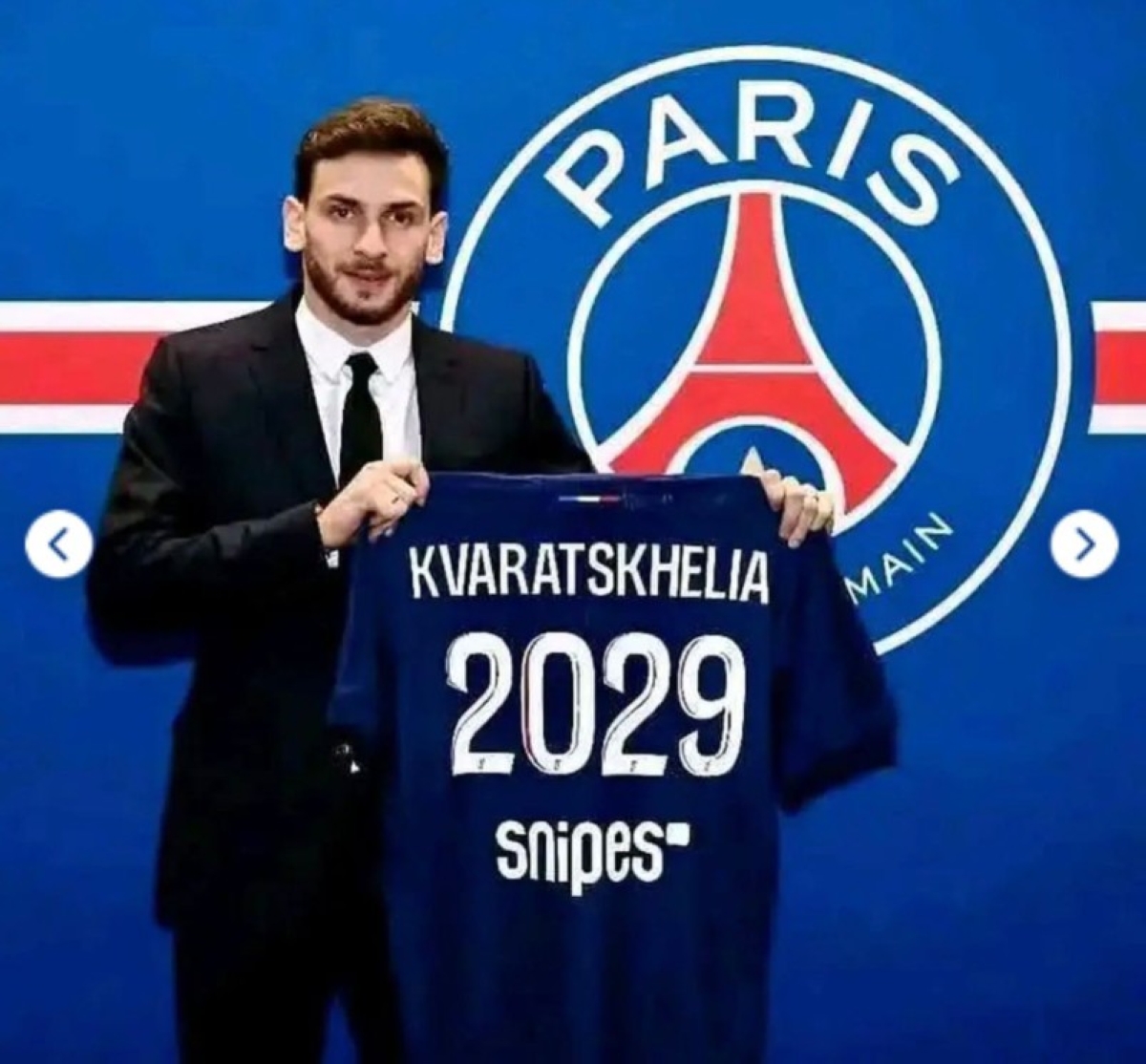
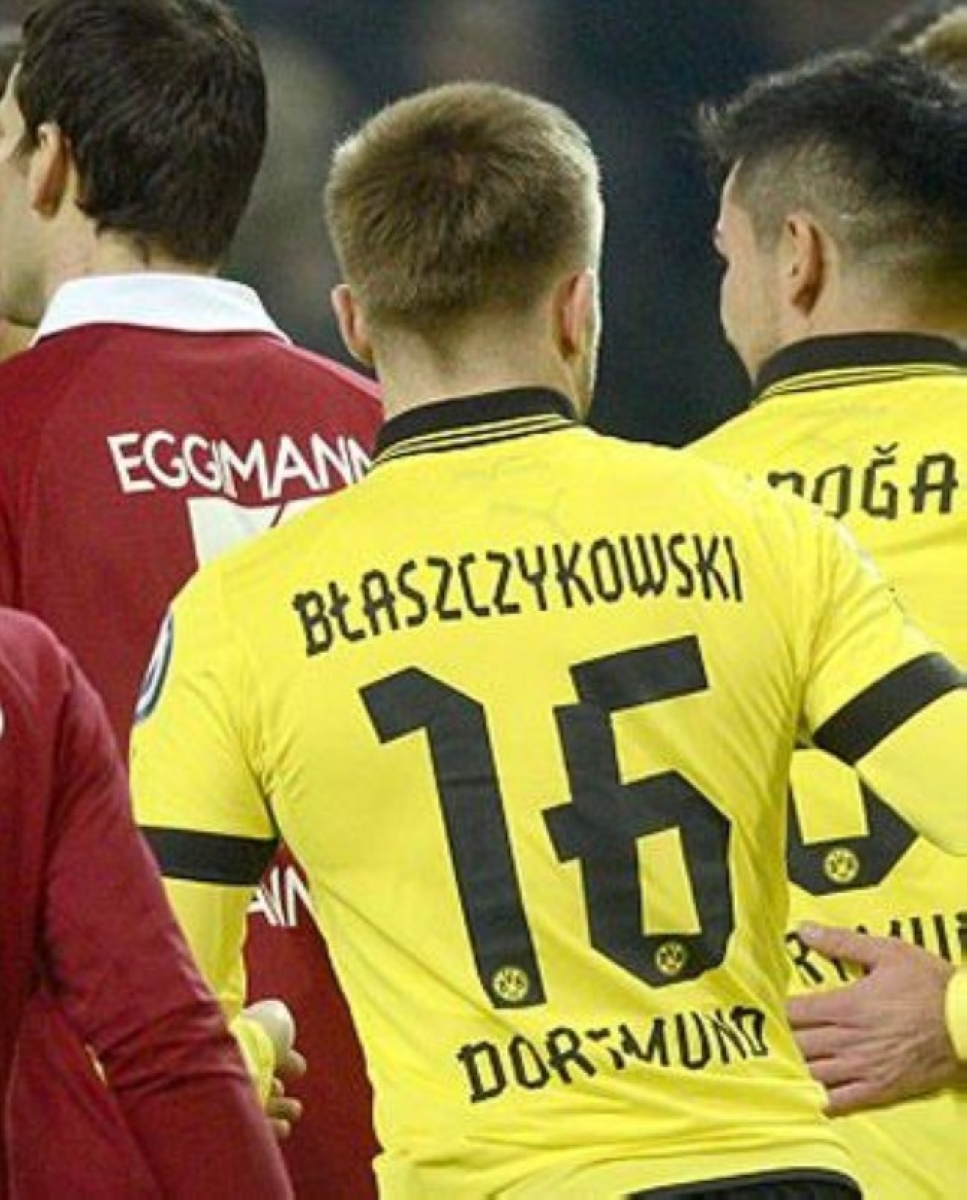
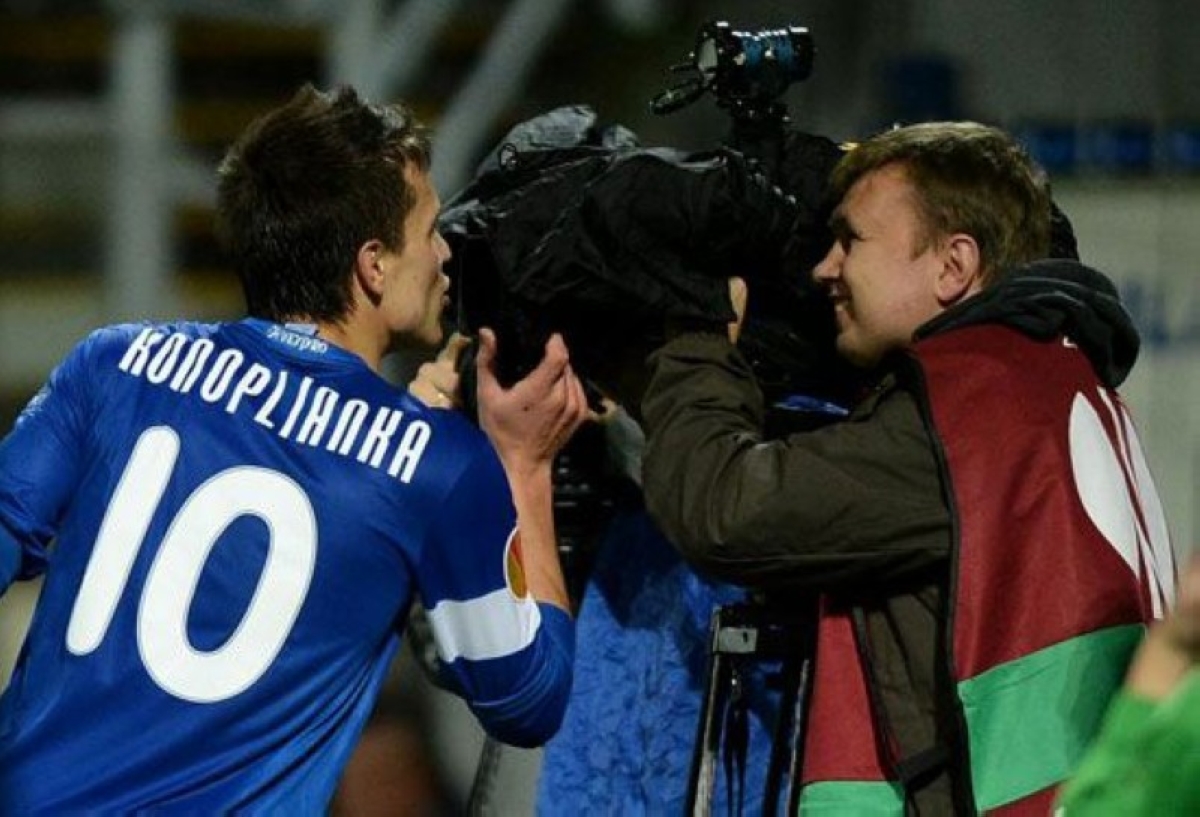
تحتار بعض الجماهير الرياضية في كيفية نطق أسماء بعض اللاعبين العالميين؛ لكونها طويلة وصعبة وثقيلة على اللسان، فيكون الخيار الوحيد أمامهم هو مناداتهم بأسماء مختصرة وسهلة النطق، والواقع أن شهرة هؤلاء النجوم لم تقتصر على مهاراتهم داخل المستطيل الأخضر، بل امتدت لتشمل طرافة وطول وصعوبة نطق أسمائهم التي أصبحت علامة مميزة لهم، ومن أبرز اللاعبين الذين اشتهروا بطول أسمائهم اللاعبون (كفاراتسخيليا، جروسكرويتس، فان برونكوهورست، أكينيفينوا، شفاينشتايجر، بابادوبولوس، باومجارتلينجير، بوركاركاراجاه، بواشتشيكوفسكي، تيموشتشوك، نيكوكرانتشار، وغيرهم)، فيما تتعامل وسائل الإعلام الرياضية مع هذه الظاهرة بمرونة وذكاء، إذ تلجأ إلى اختصار الأسماء الطويلة بألقاب محببة للجماهير أو بأسماء شهرة يسهل تداولها، حفاظاً على سلاسة النطق وسرعة التعليق أثناء المباريات.
ويظل السؤال هنا: كيف يتم التعامل الرياضي مع الأسماء الطويلة؟ وهل الأندية ملزمة بطباعته بالكامل على ظهر «تيشيرت» اللاعب؟
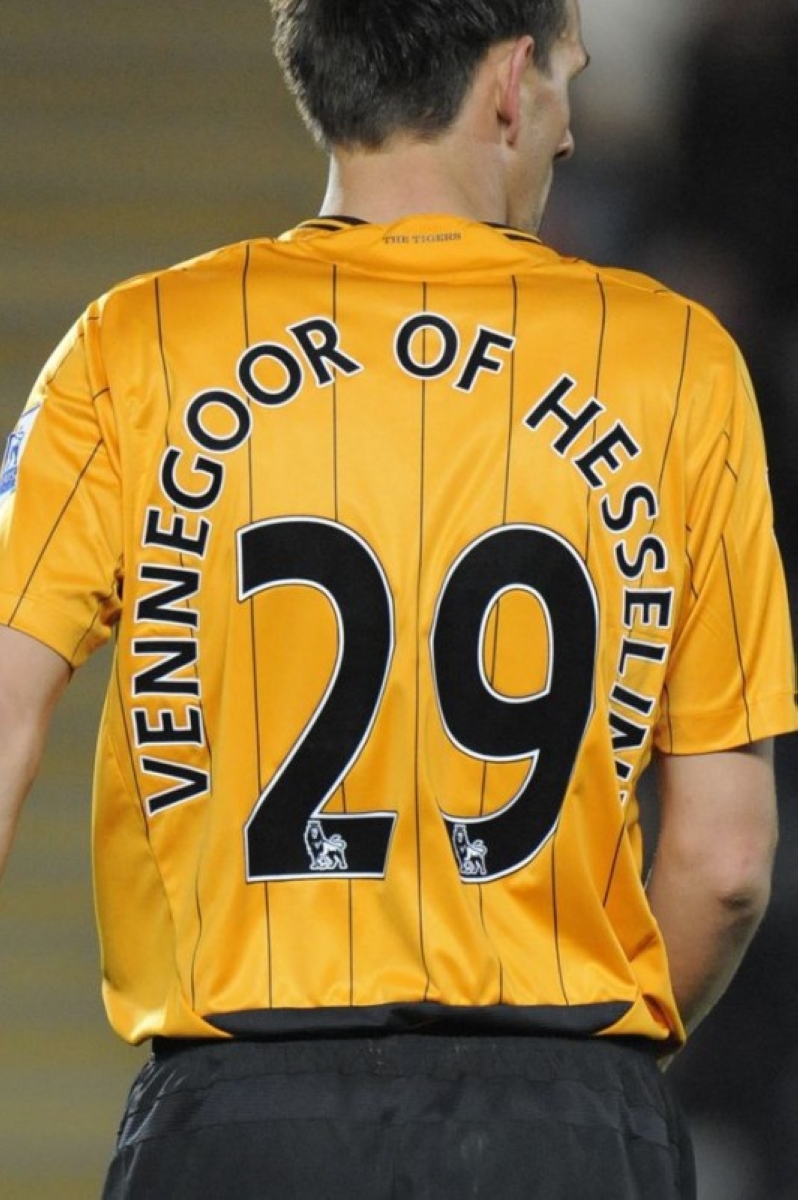
رداً على السؤال يقول الباحث الرياضي المهتم بعالم كرة القدم مشعل محمد لـ«عكاظ»: «في العادة يتم الاتفاق بين النادي واللاعب على طريقة كتابة الاسم أو اللقب على القميص، حتى إن كان الاسم طويلاً أو بعدد كبير من الأحرف، إذ يحرص بعض اللاعبين على الإبقاء على أسمائهم أو ألقابهم كاملة، رغم ما قد يسببه ذلك من تشويه للمظهر العام للقميص وطمس لجمالياته البصرية».
وتابع: «بعض اللاعبين اشتهروا بأسمائهم الطويلة حتى قبل أن يبرزوا في الملاعب، لأنها كانت غريبة على مسامع الجماهير أو صعبة النطق على المعلقين، وفي الغالب تعود هذه الأسماء إلى خلفيات ثقافية وتقاليد أسرية في بعض الدول العالمية، خصوصاً في أمريكا اللاتينية وأفريقيا، حيث تفضل كثير من العائلات الجمع بين اسم الجد والأب والعائلة في اسم واحد، وبذلك فإن الأسماء الطويلة ليست مجرد حروف، بل تمثل جذور اللاعب وانتماءه العائلي والثقافي».
وأضاف أن بعض الأندية وبالاتفاق مع اللاعب تفضل البساطة والاختصار في الاسم للمحافظة على اللمسات الجمالية لـ«التيشيرت»، حتى لا يحدث الإرباك في المساحة، فقد تكون هناك كتابات وتصاميم أخرى كإعلانات وشعارات الرعاة لهذه الأندية، ويتم الاكتفاء بالاسم المختصر الذي أيضاً يكون سهلاً في النطق على الجماهير والمعلقين الرياضيين، وبذلك فالأسماء الطويلة للاعبين لا تقلل من احترام اللاعب، بل تضيف نوعاً من الألفة والتفاعل الجماهيري معه ونكهة خاصة للمباريات.
وختم الباحث الرياضي مشعل حديثه بقوله: «في النهاية سواء كان الاسم طويلاً أو قصيراً، يبقى الأداء هو ما يخلّد اسم اللاعب في ذاكرة الجماهير، وفي المقابل هناك لاعبون حولوا أسماءهم الطويلة إلى ميزة تسويقية، إذ أصبحت مميزة وفريدة من نوعها، تجعل الجماهير تتذكرهم بسهولة، حتى إن لم يكونوا من مشاهير الصف الأول، فالأسماء غير المعتادة تخلق نوعاً من الفضول والتميّز في الوسط الرياضي».
لاعبون بـ«أسماء طريفة».. تُربك المعلقين والجماهير لا تنطقها
17 أكتوبر 2025 - 04:16
|
آخر تحديث 17 أكتوبر 2025 - 04:16


تابع قناة عكاظ على الواتساب
محمد داوود (جدة) @mdawood77
Some sports fans are confused about how to pronounce the names of certain global players; as they are long, difficult, and heavy on the tongue, their only option is to call them by shortened and easy-to-pronounce names. In reality, the fame of these stars is not limited to their skills on the green pitch, but extends to the peculiarity, length, and difficulty of pronouncing their names, which have become a distinctive mark for them. Among the most notable players known for their long names are (Kvaratskhelia, Grozkruitz, Van Bronckhorst, Akinfenwa, Schweinsteiger, Papadopoulos, Baumgartlinger, Burkarkarajah, Błaszczykowski, Tymoshchuk, Nikokrantschar, and others). Meanwhile, sports media deal with this phenomenon flexibly and intelligently, resorting to shortening long names with affectionate nicknames for fans or easily circulated stage names, in order to maintain smooth pronunciation and quick commentary during matches.
The question remains: how do sports entities deal with long names? Are clubs obligated to print them in full on the back of the player's "t-shirt"?
In response to the question, sports researcher interested in the world of football, Mishal Mohammed, told "Okaz": "Usually, an agreement is made between the club and the player regarding how to write the name or nickname on the jersey, even if the name is long or has a large number of letters. Some players are keen to keep their full names or nicknames, despite what this may cause in terms of distorting the overall appearance of the jersey and obscuring its visual aesthetics."
He continued: "Some players became famous for their long names even before they shone on the fields, as they were strange to the ears of fans or difficult for commentators to pronounce. Often, these names stem from cultural backgrounds and family traditions in some countries, especially in Latin America and Africa, where many families prefer to combine the names of the grandfather, father, and family into one name. Thus, long names are not just letters; they represent the player's roots and their family and cultural affiliation."
He added that some clubs, in agreement with the player, prefer simplicity and abbreviation in the name to maintain the aesthetic touches of the "t-shirt," so as not to create confusion in the space, as there may be other writings and designs such as advertisements and sponsor logos for these clubs. They settle for the abbreviated name, which is also easy for fans and sports commentators to pronounce. Therefore, long names of players do not diminish the respect for the player; rather, they add a kind of familiarity and fan interaction with them, giving a special flavor to the matches.
The sports researcher Mishal concluded his remarks by saying: "In the end, whether the name is long or short, the performance is what immortalizes the player's name in the memory of the fans. Conversely, there are players who have turned their long names into a marketing advantage, as they have become distinctive and unique, making it easy for fans to remember them, even if they are not first-tier celebrities. Unusual names create a sense of curiosity and distinction in the sports arena."
The question remains: how do sports entities deal with long names? Are clubs obligated to print them in full on the back of the player's "t-shirt"?
In response to the question, sports researcher interested in the world of football, Mishal Mohammed, told "Okaz": "Usually, an agreement is made between the club and the player regarding how to write the name or nickname on the jersey, even if the name is long or has a large number of letters. Some players are keen to keep their full names or nicknames, despite what this may cause in terms of distorting the overall appearance of the jersey and obscuring its visual aesthetics."
He continued: "Some players became famous for their long names even before they shone on the fields, as they were strange to the ears of fans or difficult for commentators to pronounce. Often, these names stem from cultural backgrounds and family traditions in some countries, especially in Latin America and Africa, where many families prefer to combine the names of the grandfather, father, and family into one name. Thus, long names are not just letters; they represent the player's roots and their family and cultural affiliation."
He added that some clubs, in agreement with the player, prefer simplicity and abbreviation in the name to maintain the aesthetic touches of the "t-shirt," so as not to create confusion in the space, as there may be other writings and designs such as advertisements and sponsor logos for these clubs. They settle for the abbreviated name, which is also easy for fans and sports commentators to pronounce. Therefore, long names of players do not diminish the respect for the player; rather, they add a kind of familiarity and fan interaction with them, giving a special flavor to the matches.
The sports researcher Mishal concluded his remarks by saying: "In the end, whether the name is long or short, the performance is what immortalizes the player's name in the memory of the fans. Conversely, there are players who have turned their long names into a marketing advantage, as they have become distinctive and unique, making it easy for fans to remember them, even if they are not first-tier celebrities. Unusual names create a sense of curiosity and distinction in the sports arena."


