


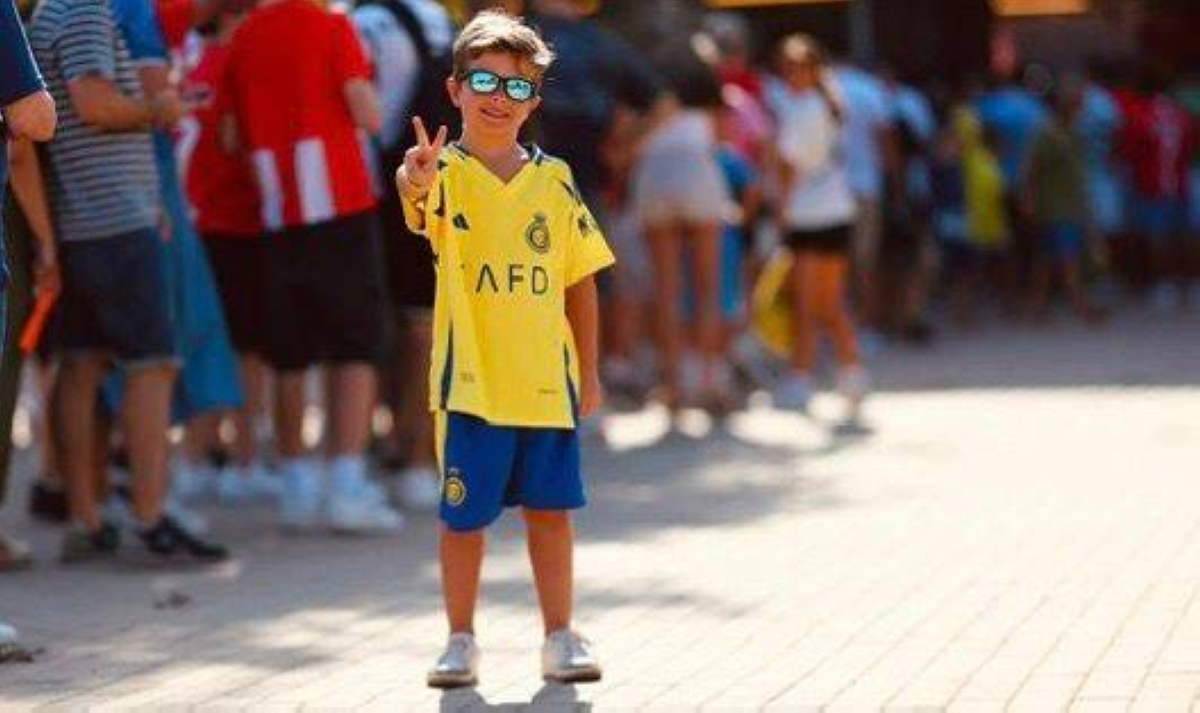


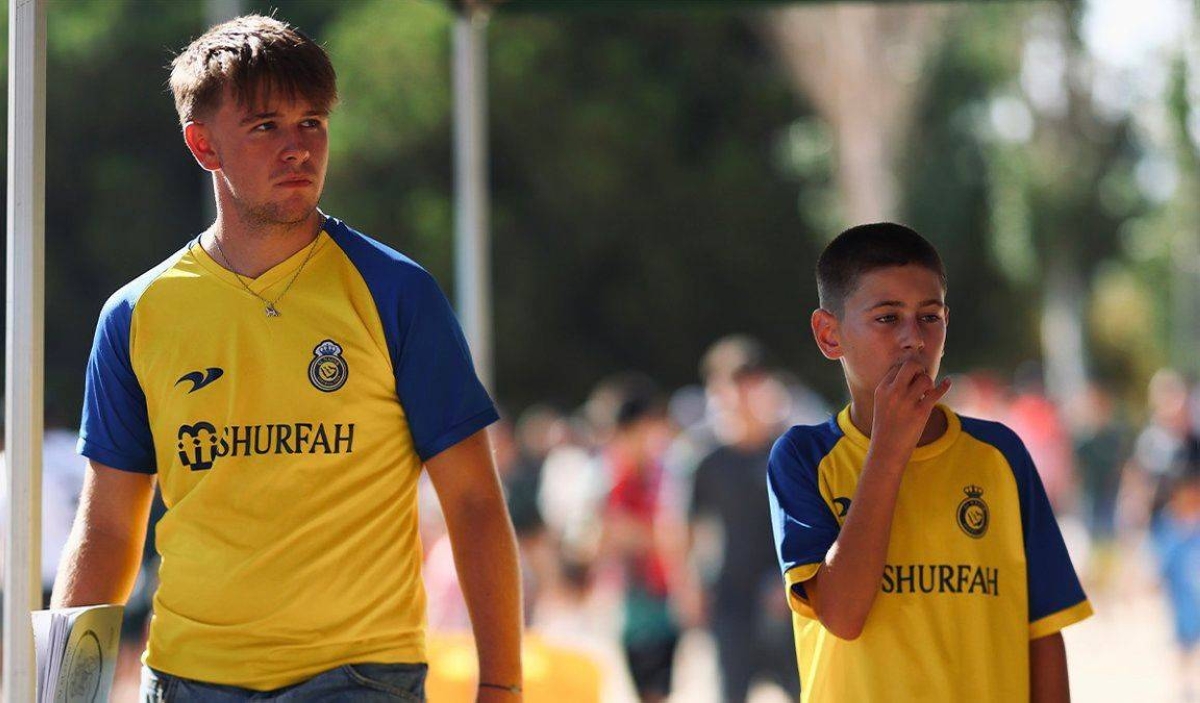

لم يكن لقاء النصر أمام ألميريا في إسبانيا مجرد مباراة ودية على أرض أوروبية، بل كان عرضا جماهيريا مهيبا جسّد معنى «العالمي» بكل تفاصيله. فمنذ الساعات الأولى لليوم، بدأت ملامح الحضور تتشكل في الشوارع والساحات المحيطة بالملعب، حيث امتلأت بالأسر والأطفال والشباب، يرتدون قمصان النصر بألوانه الصفراء الزاهية، يرفعون شعاراته، ويجسّدون ثقافة التشجيع السعودية في قلب الأندلس.
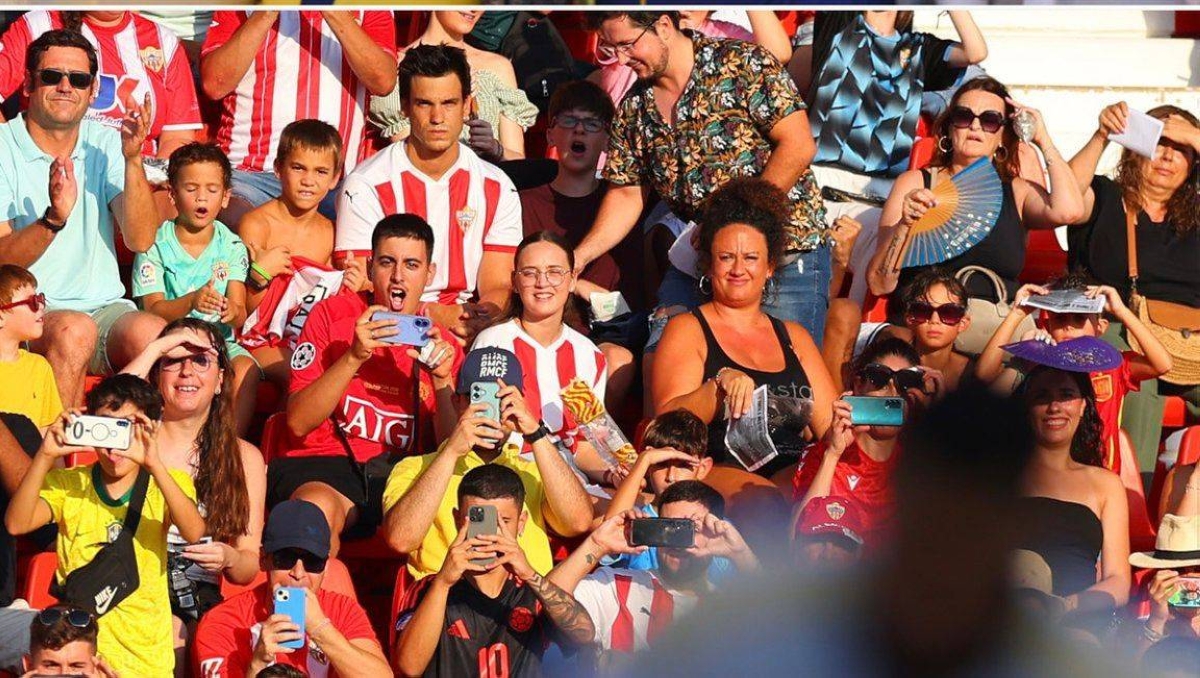
في مشهد يحاكي مدرجات «مرسول بارك»، امتزجت في الملعب أصوات الهتاف بالعربية مع حماسة الجمهور المحلي، وامتد الصف الأول من المدرجات ليضم العائلات، والأطفال الذين يرفعون أصابعهم بعلامة النصر، بينما يلتقط الجمهور الإسباني الصور ويوثّق اللحظة بدهشة وإعجاب. لم يكن الأمر مجرد دعم لفريق، بل كان احتفالا بهوية رياضية وطنية تسافر بلا جواز، حاملة معها مزيج الفخر والانتماء.
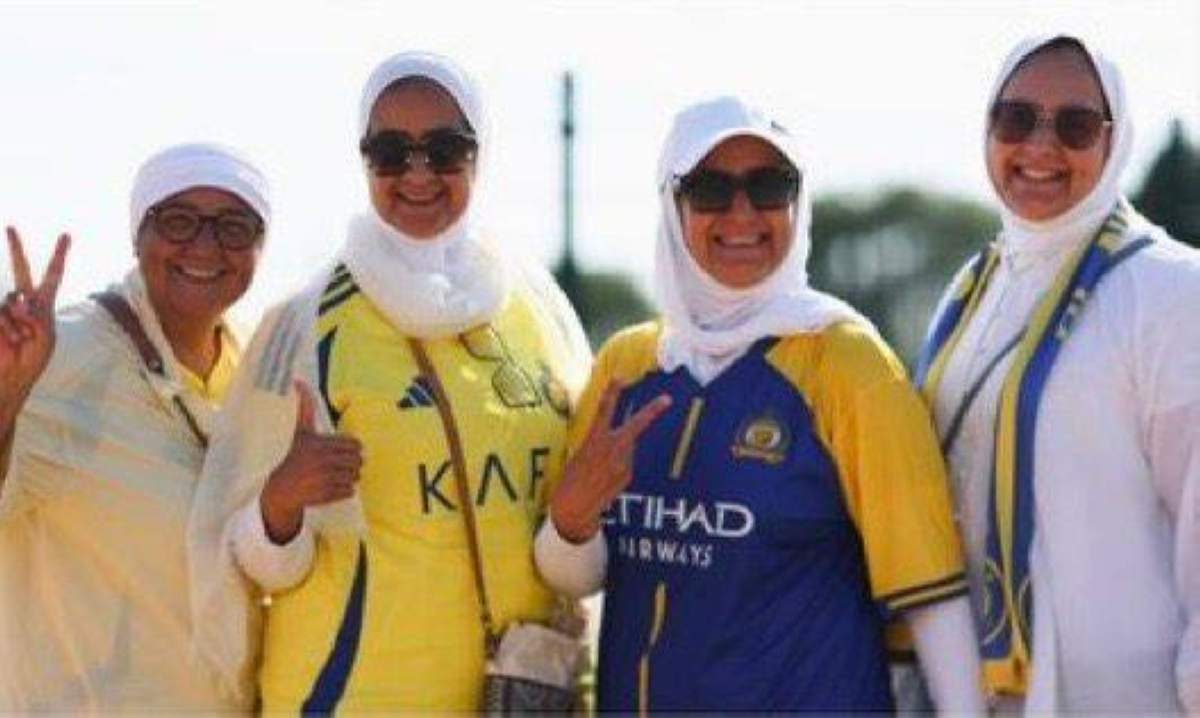
التنوع كان عنوانا لهذا الحضور؛ من قمصان الموسم الحالي بتصاميمها الحديثة، إلى قمصان قديمة تحمل ذاكرة البطولات، في إشارة إلى أن عشق النصر ليس موجة طارئة، بل امتداد لجذور ضاربة في تاريخ النادي. بعض المشجعين دمجوا قميص النصر مع العلم السعودي، وآخرون ارتدوا أوشحة النادي، ليصنعوا لوحة بصرية يصعب على العدسات تجاهلها.
حتى الجمهور المحلي، المعتاد على ألوان أنديته الإسبانية، وقف مبهورا أمام مشهد جماهيري يقدّم التشجيع كفنّ منظم، وحضور مهيب يفرض احترامه على أرض غريبة. الإعلام الإسباني بدوره رصد الظاهرة، وكتب عن «الغزو الأصفر» الذي أضفى على مدرجات ألميريا طابعا استثنائيا، مؤكدا أن النصر تجاوز مفهوم الفريق المحلي إلى نادٍ عابر للقارات.
بهذا الحضور الكثيف، أثبت جمهور النصر أن لقب «العالمي» ليس شعارا تردده الجماهير، بل هو هوية تتجسّد أينما حل الفريق، وأن أصفر الرياض قادر على أن يترك بصمته في أي ملعب، من آسيا إلى أوروبا، جاعلا من كل مباراة قصة انتماء لا تعرف حدودا.
جماهير «العالمي» تشعّ في الأندلس.. حيث يلتقي إرث العرب ومجد النصر
11 أغسطس 2025 - 00:23
|
آخر تحديث 11 أغسطس 2025 - 00:23


تابع قناة عكاظ على الواتساب
متعب العواد (حائل) Motabalawwd@
The meeting of Al-Nassr against Almeria in Spain was not just a friendly match on European soil, but a grand spectacle that embodied the meaning of "the global" in every detail. From the early hours of the day, the signs of attendance began to take shape in the streets and squares surrounding the stadium, filled with families, children, and young people wearing Al-Nassr jerseys in their bright yellow colors, raising their banners, and embodying Saudi cheering culture in the heart of Andalusia.
In a scene reminiscent of the stands of "Mrsool Park," the sounds of chanting in Arabic blended with the enthusiasm of the local audience, and the front row of the stands extended to include families and children raising their fingers in a victory sign, while the Spanish audience captured photos and documented the moment with astonishment and admiration. It was not just support for a team, but a celebration of a national sports identity that travels without a passport, carrying with it a mix of pride and belonging.
Diversity was the hallmark of this presence; from the current season's jerseys with their modern designs to old jerseys carrying the memory of championships, indicating that the love for Al-Nassr is not a fleeting wave, but an extension of deep roots in the club's history. Some fans combined the Al-Nassr jersey with the Saudi flag, while others wore the club's scarves, creating a visual tableau that was hard for the lenses to ignore.
Even the local audience, accustomed to the colors of their Spanish clubs, stood in awe before a crowd that presented cheering as an organized art, a majestic presence that commanded respect on foreign soil. The Spanish media, in turn, noted the phenomenon and wrote about the "yellow invasion" that gave the Almeria stands an exceptional character, affirming that Al-Nassr transcended the concept of a local team to become a club that crosses continents.
With this massive presence, Al-Nassr's fans proved that the title "the global" is not just a slogan chanted by the crowds, but an identity that manifests wherever the team goes, and that the yellow of Riyadh is capable of leaving its mark in any stadium, from Asia to Europe, turning every match into a story of belonging that knows no boundaries.
In a scene reminiscent of the stands of "Mrsool Park," the sounds of chanting in Arabic blended with the enthusiasm of the local audience, and the front row of the stands extended to include families and children raising their fingers in a victory sign, while the Spanish audience captured photos and documented the moment with astonishment and admiration. It was not just support for a team, but a celebration of a national sports identity that travels without a passport, carrying with it a mix of pride and belonging.
Diversity was the hallmark of this presence; from the current season's jerseys with their modern designs to old jerseys carrying the memory of championships, indicating that the love for Al-Nassr is not a fleeting wave, but an extension of deep roots in the club's history. Some fans combined the Al-Nassr jersey with the Saudi flag, while others wore the club's scarves, creating a visual tableau that was hard for the lenses to ignore.
Even the local audience, accustomed to the colors of their Spanish clubs, stood in awe before a crowd that presented cheering as an organized art, a majestic presence that commanded respect on foreign soil. The Spanish media, in turn, noted the phenomenon and wrote about the "yellow invasion" that gave the Almeria stands an exceptional character, affirming that Al-Nassr transcended the concept of a local team to become a club that crosses continents.
With this massive presence, Al-Nassr's fans proved that the title "the global" is not just a slogan chanted by the crowds, but an identity that manifests wherever the team goes, and that the yellow of Riyadh is capable of leaving its mark in any stadium, from Asia to Europe, turning every match into a story of belonging that knows no boundaries.


