


تنطلق اليوم في مدينة الملك عبدالله الرياضية بمدينة جدة منافسات النسخة الـ(31) من بطولة كأس آسيا لكرة السلة للرجال، خلال الفترة من (5) إلى (17) أغسطس الجاري، بمشاركة (16) منتخبًا يتنافسون على اللقب القاري.
ووُزعت المنتخبات المشاركة على (4 مجموعات)، ويتأهل متصدرو المجموعات الأربع مباشرة إلى ربع النهائي، بينما تخوض الفرق التي تحتل المركزين الثاني والثالث ملحق التأهل.
وتأمل أستراليا في أن تصبح أول دولة تحرز اللقب ثلاث مرات متتالية، ويعول المنتخب على تشكيلة ومدرب جديدين، إثر تولي آدم كابورن المهمة خلفًا للمدرب براين غورجيان الذي انتهت مهمته بعد أولمبياد باريس 2024.
ويتواجه المنتخبان الأسترالي (المصنف السابع عالميًا) واللبناني (29) مبكرًا هذه المرة، بعدما كانا في المشهد الختامي للنسخة السابقة في جاكرتا.
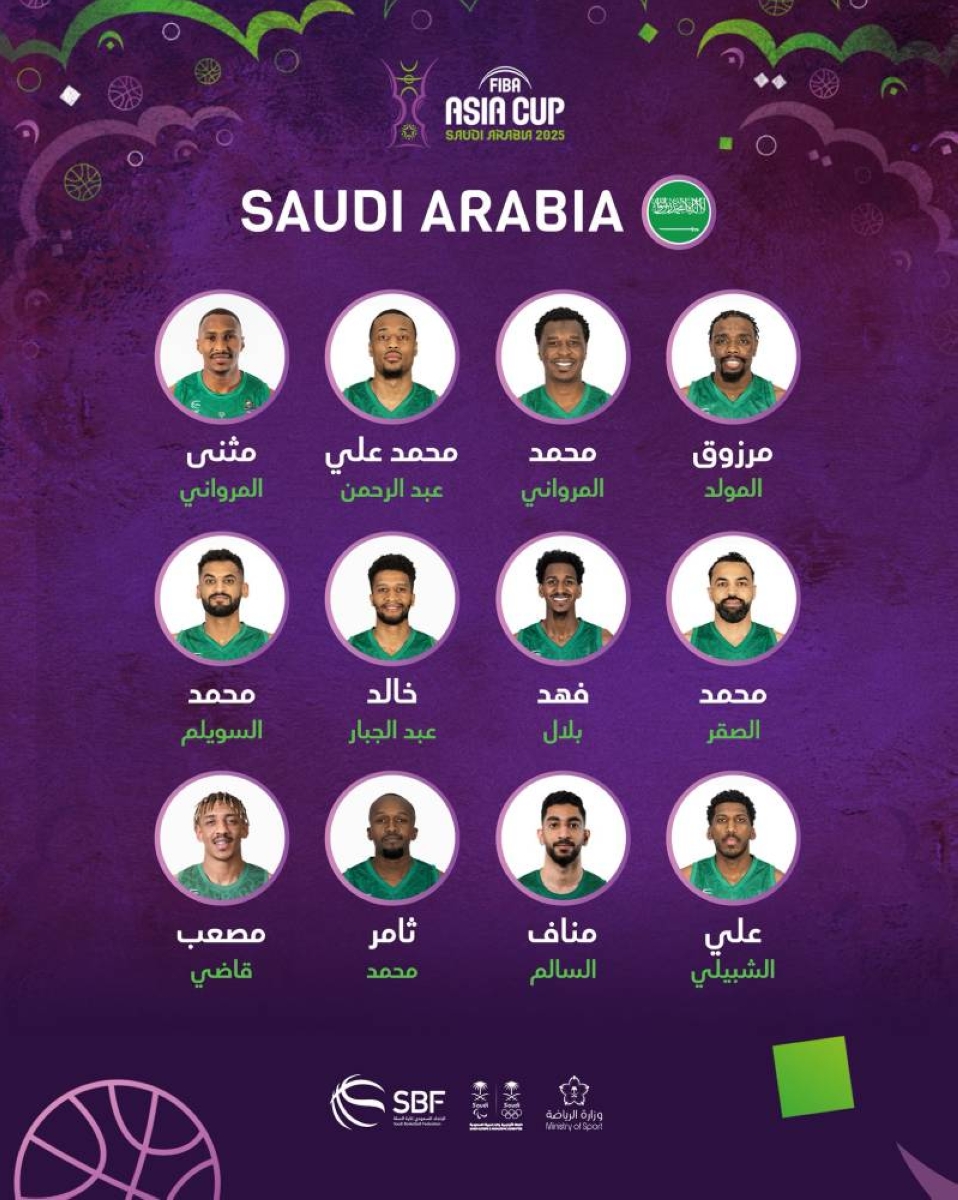
ويأمل المنتخب الأردني (35 عالميًا)، الذي يمر بـ«مرحلة بناء»، تحقيق نتائج إيجابية رغم وجوده في المجموعة الثالثة القوية التي تضم الصين والهند والسعودية المضيفة، ويشارك الأردن بانتظام في البطولة القارية منذ 2003، وحقق أفضل نتائجه عام 2011، عندما حل وصيفًا بفارق نقطة (69-70) وراء الصين الفائزة باللقب (16 مرة)، وتأمل السعودية المضيفة (65 عالميًا) في تحقيق المفاجأة وبلوغ الأدوار المتقدمة، ويعي مسؤولوها تمامًا تمرس الصين والأردن في البطولة.
ويتطلع منتخب الصين إلى استعادة اللقب وتعزيز رقمه القياسي، فيما ستكون مهمة سورية شاقة جدًا، إذ أوقعتها القرعة في المجموعة الثانية إلى جانب إيران (28 عالميًا)، حاملة اللقب ثلاث مرات بين 2007 و2013، فيما يأتي ترشيح اليابان (21 عالميًا) للذهاب بعيدًا في البطولة نظرًا لتطور المستوى العام.
وعانت سورية من النتائج المتواضعة وتأمل في تغيير الصورة في النهائيات، ولا تقل الأمور صعوبة بالنسبة إلى العراق الذي سيواجه في المجموعة الرابعة نيوزيلندا (22 عالميًا) الطامحة لكتابة اسمها في السجل الذهبي أسوة بجارتها أستراليا، والفلبين (34 عالميًا)، بطلة القارة في خمس مناسبات، فضلًا عن الصين تايبيه.
وتضم المجموعة الأولى للبطولة منتخبات: قطر وأستراليا وكوريا الجنوبية ولبنان، فيما تضم المجموعة الثانية منتخبات غوام واليابان وسورية وإيران، والثالثة تضم الصين والأردن والهند والسعودية الدولة المستضيفة للبطولة، فيما تضم المجموعة الرابعة كلًا من الصين تايبيه ونيوزيلندا والعراق والفلبين.
يذكر أن النسخ العشر الأخيرة من بطولة كأس آسيا لكرة السلة شهدت تتويج عدد من المنتخبات، وحصدت أستراليا اللقب في نسختي (2022) و(2017)، فيما توجت الصين أعوام (2015)، (2011)، (2005)، (2003)، و(2001)، بينما نالت إيران اللقب في نسخ (2013)، (2009)، و(2007).
كأس آسيا لكرة السلة للرجال تنطلق بجدة.. اليوم
المنتخب السعودي يراهن على الأرض والجمهور لتجاوز عمالقة آسيا
5 أغسطس 2025 - 12:05
|
آخر تحديث 5 أغسطس 2025 - 12:05


تابع قناة عكاظ على الواتساب
«عكاظ» (جدة)
The 31st edition of the FIBA Asia Cup for men kicks off today at King Abdullah Sports City in Jeddah, running from August 5 to 17, with the participation of 16 teams competing for the continental title.
The participating teams have been divided into four groups, with the top teams from each group qualifying directly for the quarter-finals, while the teams finishing in second and third place will enter a qualification playoff.
Australia hopes to become the first country to win the title three times in a row, relying on a new squad and coach, following Adam Caporn taking over from coach Brian Goorjian, whose tenure ended after the Paris 2024 Olympics.
The Australian team (ranked 7th in the world) will face Lebanon (29) early this time, after both teams were in the final scene of the previous edition in Jakarta.
The Jordanian team (35th in the world), which is undergoing a "building phase," hopes to achieve positive results despite being in a strong Group C that includes China, India, and the host nation Saudi Arabia. Jordan has regularly participated in the continental championship since 2003, achieving its best results in 2011 when it finished as runner-up by a one-point margin (69-70) behind China, which has won the title 16 times. The host nation Saudi Arabia (65th in the world) hopes to pull off a surprise and advance to the later stages, fully aware of China's and Jordan's experience in the tournament.
China aims to reclaim the title and enhance its record, while Syria faces a very challenging task, having been drawn into Group B alongside Iran (28th in the world), the three-time champion from 2007 to 2013. Japan (21st in the world) is also being considered a strong contender to go far in the tournament due to its overall improvement.
Syria has struggled with modest results and hopes to change its fortunes in the finals, while Iraq also faces difficulties as it will compete in Group D against New Zealand (22nd in the world), which aspires to etch its name in the golden record like its neighbor Australia, and the Philippines (34th in the world), a five-time continental champion, in addition to Chinese Taipei.
Group A of the tournament includes the teams: Qatar, Australia, South Korea, and Lebanon, while Group B consists of Guam, Japan, Syria, and Iran. Group C includes China, Jordan, India, and the host country Saudi Arabia, while Group D comprises Chinese Taipei, New Zealand, Iraq, and the Philippines.
It is worth mentioning that the last ten editions of the FIBA Asia Cup have seen several teams crowned champions, with Australia winning the title in the 2022 and 2017 editions, while China was crowned in 2015, 2011, 2005, 2003, and 2001, and Iran won the title in 2013, 2009, and 2007.
The participating teams have been divided into four groups, with the top teams from each group qualifying directly for the quarter-finals, while the teams finishing in second and third place will enter a qualification playoff.
Australia hopes to become the first country to win the title three times in a row, relying on a new squad and coach, following Adam Caporn taking over from coach Brian Goorjian, whose tenure ended after the Paris 2024 Olympics.
The Australian team (ranked 7th in the world) will face Lebanon (29) early this time, after both teams were in the final scene of the previous edition in Jakarta.
The Jordanian team (35th in the world), which is undergoing a "building phase," hopes to achieve positive results despite being in a strong Group C that includes China, India, and the host nation Saudi Arabia. Jordan has regularly participated in the continental championship since 2003, achieving its best results in 2011 when it finished as runner-up by a one-point margin (69-70) behind China, which has won the title 16 times. The host nation Saudi Arabia (65th in the world) hopes to pull off a surprise and advance to the later stages, fully aware of China's and Jordan's experience in the tournament.
China aims to reclaim the title and enhance its record, while Syria faces a very challenging task, having been drawn into Group B alongside Iran (28th in the world), the three-time champion from 2007 to 2013. Japan (21st in the world) is also being considered a strong contender to go far in the tournament due to its overall improvement.
Syria has struggled with modest results and hopes to change its fortunes in the finals, while Iraq also faces difficulties as it will compete in Group D against New Zealand (22nd in the world), which aspires to etch its name in the golden record like its neighbor Australia, and the Philippines (34th in the world), a five-time continental champion, in addition to Chinese Taipei.
Group A of the tournament includes the teams: Qatar, Australia, South Korea, and Lebanon, while Group B consists of Guam, Japan, Syria, and Iran. Group C includes China, Jordan, India, and the host country Saudi Arabia, while Group D comprises Chinese Taipei, New Zealand, Iraq, and the Philippines.
It is worth mentioning that the last ten editions of the FIBA Asia Cup have seen several teams crowned champions, with Australia winning the title in the 2022 and 2017 editions, while China was crowned in 2015, 2011, 2005, 2003, and 2001, and Iran won the title in 2013, 2009, and 2007.


