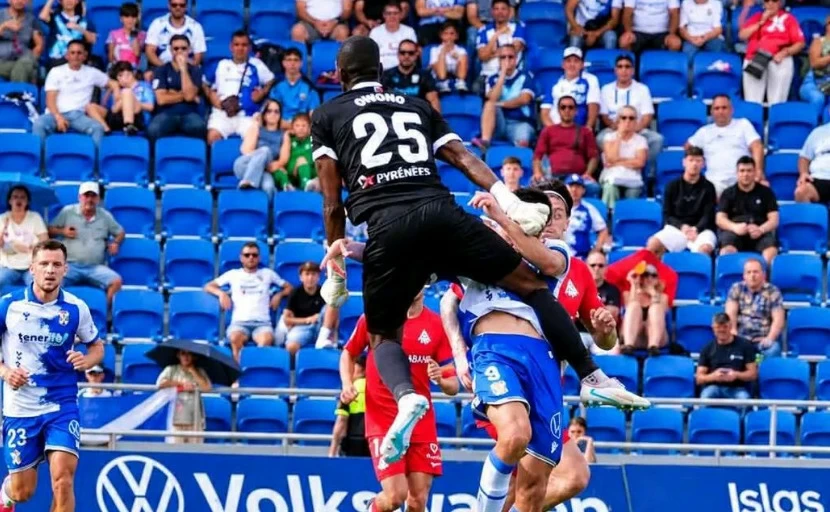
أثارت وفاة خيسوس دي ميغيل، مهاجم تينيريفي، عقب اصطدامه بخيسوس أوونو، حارس مرمى أندورا، تساؤلات قانونية بشأن احتمال تحميل الحارس مسؤولية جنائية عن الحادثة التي وقعت في الدقائق الأخيرة من مواجهة الفريقين بدوري الدرجة الثانية الإسباني. وكان أوونو قد خرج من مرماه لمواجهة كرة طويلة، قبل أن يصطدم بالمهاجم الذي سقط فاقداً الوعي، إثر تعرضه لتوقف قلبي تنفسي، ونُقل إلى المستشفى حيث توفي صباح اليوم (الثلاثاء). وشهدت الواقعة طرد الحارس وإيقاف المباراة التي انتهت بالتعادل 2-2.
تحقيق جنائي.. دون إدانة
فتحت الشرطة الوطنية الإسبانية، عبر مجموعة التحقيق في جرائم القتل بمدينة سانتا كروز دي تينيريفي، تحقيقاً في ملابسات الوفاة، وأكدت أن القضية أصبحت تحت إشراف القضاء. كما تدرس النيابة العامة فتح تحقيق مستقل بعد تسلم محضر الشرطة والتقارير الطبية، لتحديد ما إذا كانت هناك شبهة جنائية تستوجب الملاحقة. ولا يعني فتح التحقيق توجيه اتهام أو ثبوت مسؤولية الحارس.
متى تتحول اللعبة إلى جريمة؟
لا تترتب المسؤولية الجنائية تلقائياً على وقوع وفاة خلال مباراة كرة قدم؛ إذ يتعين إثبات أن التدخل تجاوز المخاطر المعتادة والمقبولة في المنافسة الرياضية، وشكّل إهمالاً جنائياً، مع ثبوت العلاقة السببية بين التصرف والوفاة. وتختلف هذه المسألة عن المخالفة الرياضية التي يختص الحكم والجهات التأديبية بتقييمها.
ماذا يقول القانون الإسباني؟
تنص المادة 142 من قانون العقوبات على السجن من سنة إلى أربع سنوات في حال التسبب بالوفاة نتيجة إهمال جسيم، فيما يعاقب الإهمال الأقل جسامة بغرامة مالية محسوبة على مدة تتراوح بين ثلاثة و18 شهراً.
ما الذي يحسم المسؤولية؟
تشمل الأدلة تسجيلات المباراة، ومحضر الحكم الذي يوثق طبيعة التدخل، وموقع الكرة، وطريقة الالتحام وإمكانية تفادي الاصطدام، إلى جانب التقارير الطبية ونتائج الطب الشرعي والخبرة الفنية.
أما وصف الواقعة بالجرم المشهود، أو طرد الحارس بسبب التدخل، فلا يحسمان الإدانة؛ فوضوح الاصطدام أمام الكاميرات لا يعني اكتمال أركان الجريمة، وتظل المسؤولية رهناً بما تسفر عنه التحقيقات والتقييم القضائي.
The death of Jesus de Miguel, the Tenerife striker, following a collision with Jesus Owono, the Andorra goalkeeper, has raised legal questions regarding the possibility of holding the goalkeeper criminally responsible for the incident that occurred in the final minutes of the match between the two teams in the Spanish second division. Owono had left his goal to confront a long ball before colliding with the striker, who fell unconscious after suffering a cardiac arrest, and was taken to the hospital where he died this morning (Tuesday). The incident resulted in the goalkeeper being sent off and the match, which ended in a 2-2 draw, being halted.
Criminal Investigation.. Without Conviction
The Spanish National Police, through the homicide investigation group in Santa Cruz de Tenerife, has opened an investigation into the circumstances of the death and confirmed that the case is now under judicial supervision. The public prosecutor's office is also considering opening an independent investigation after receiving the police report and medical reports to determine whether there are criminal suspicions that warrant prosecution. The opening of the investigation does not imply that charges have been filed or that the goalkeeper is deemed responsible.
When Does the Game Turn into a Crime?
Criminal responsibility does not automatically arise from a death occurring during a football match; it must be proven that the intervention exceeded the usual and acceptable risks in sports competition and constituted criminal negligence, with a causal link established between the action and the death. This issue differs from the sports violation that the referee and disciplinary bodies are responsible for assessing.
What Does Spanish Law Say?
Article 142 of the Penal Code stipulates imprisonment from one to four years in cases of causing death due to gross negligence, while lesser negligence is punished with a financial fine calculated over a period ranging from three to 18 months.
What Determines Responsibility?
Evidence includes match recordings, the referee's report documenting the nature of the intervention, the position of the ball, the manner of the challenge, and the possibility of avoiding the collision, in addition to medical reports, forensic results, and technical expertise.
Describing the incident as a crime in progress or sending off the goalkeeper due to the intervention does not determine conviction; the clarity of the collision in front of the cameras does not mean that the elements of the crime are complete, and responsibility remains contingent upon the outcomes of the investigations and judicial assessment.