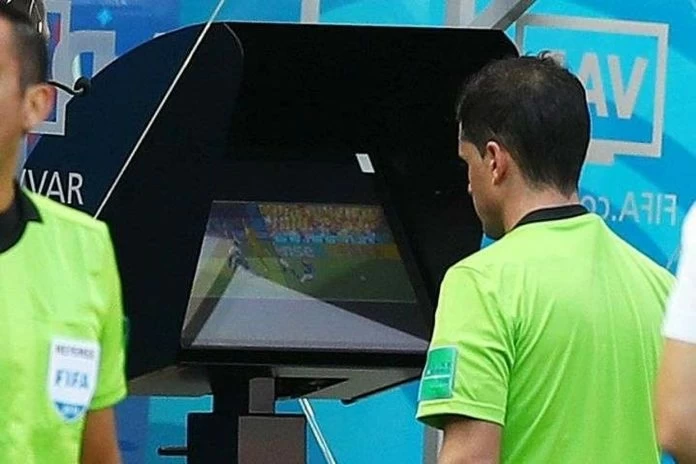
ما زالت الملاعب الرياضية تشهد حالة من الجدل، بسبب الأخطاء التحكيمية التي أصبحت تؤثر بشكل مباشر على مجريات بعض المباريات ونتائجها، الأمر الذي أثار موجة واسعة من الانتقادات والغضب بين الجماهير والمهتمين الرياضيين، إذ إنه مع تكرار هذه الأخطاء خصوصاً في المباريات الجماهيرية الحساسة تتزايد علامات الاستفهام حول مستوى الأداء التحكيمي، وآليات التعامل مع مثل هذه الحالات. ولا تقتصر المسؤولية في ذلك على حكم الساحة وحده، بل تمتد أيضاً إلى حكام تقنية الفيديو المساعد «VAR»، الذين يفترض أن يكون دورهم التدخل في اللقطات الواضحة لتصحيح القرارات، إلا أن تجاهل بعض الحالات المثيرة للجدل، أو عدم تنبيه حكم الساحة إليها، يضعهم بدورهم أمام مسؤولية كبيرة في ما يحدث داخل المستطيل الأخضر.
يقول المدرب الرياضي المهتم بتاريخ كرة القدم طلعت الهندي لـ«عكاظ»: شهدت الملاعب الرياضية بالفعل في الفترة الأخيرة أخطاء تحكيمية واضحة في معظم المباريات، وذات تأثير مباشر على مجريات اللقاءات ونتائجها، وصدرت العديد من القرارات المثيرة للجدل من حكام الساحة، خصوصاً في بعض المواجهات المهمة، وهو ما وضع العديد من علامات الاستفهام حول مستوى الأداء التحكيمي وخصوصاً الأجنبي في المرحلة الحالية، ويعيد فتح النقاش حول الحاجة إلى مزيد من الدقة والصرامة في إدارة المباريات.
وأضاف أن الجماهير كانت في السابق تعتقد أن الاستعانة بالحكام الأجانب قد تسهم في تقليل الجدل التحكيمي وتمنح المباريات مزيداً من العدالة، إلا أن الواقع في بعض المباريات أظهر أن مستوى بعض الحكام الأجانب بات يضاهي مستوى الحكام المحليين في القرارات الخاطئة، الأمر الذي جعل الانتقادات تتسع لتشمل المنظومة التحكيمية عموماً، وليس طرفاً واحداً فقط.
وأوضح أن الغضب الجماهيري أصبح ملموساً في المدرجات وعلى منصات التواصل الاجتماعي، إذ يشعر كثير من المشجعين بأن بعض القرارات التحكيمية تسببت في تغيير مسار مباريات كاملة، وهو أمر ينعكس سلباً على الثقة في عدالة المنافسة ويزيد من حدة التوتر بين الجماهير، كما أن وجود تقنية حكم الفيديو المساعد (VAR) كان من المفترض أن يقلل من الأخطاء التحكيمية الحاسمة، إلا أن الواقع يثبت في بعض الحالات أن هذه التقنية لا تتم الاستفادة منها بالشكل المطلوب، إذ يتغاضى بعض حكام الساحة عن العودة إلى التقنية رغم وضوح بعض اللقطات المثيرة للجدل، بينما يلتزم حكام غرفة الـ(VAR) الصمت أحياناً بحجة عدم التدخل أو عدم مخاطبة حكم الساحة في بعض الحالات، وهذه الممارسات تثير تساؤلات مشروعة لدى جميع عشاق كرة القدم، حول آلية العمل داخل المنظومة التحكيمية، خصوصاً عندما تكون الأخطاء واضحة وتؤثر بشكل مباشر على نتيجة المباراة أو مسار المنافسة في البطولات المختلفة.
وأضاف الهندي أن السؤال الذي يتكرر في الوسط الرياضي حالياً هو: من يُحاسب على أخطاء الحكام؟ فالأندية تبادر في كثير من الأحيان لإصدار بيانات رسمية تعبر فيها عن استيائها من القرارات التحكيمية التي تراها مجحفة بحقها، لكن حتى الآن لا تظهر في الغالب قرارات حاسمة أو إجراءات واضحة تعكس محاسبة فعلية، أو معالجة جادة لتلك الأخطاء، كما أن غياب الشفافية في توضيح الأخطاء التحكيمية، أو الإعلان عن الإجراءات المتخذة بحق الحكام يفتح الباب أمام المزيد من الجدل والتأويلات، ويزيد من احتقان الجماهير التي تبحث عن العدالة داخل الملعب.
وختم الهندي تصريحه بالتأكيد على أن تطوير المنظومة التحكيمية أصبح ضرورة ملحة للحفاظ على نزاهة المنافسات، مشدداً على أهمية تقييم أداء الحكام بشكل مستمر، والاستفادة الحقيقية من تقنية الـ(VAR)، إضافة إلى ضرورة وجود آلية واضحة للمساءلة والمحاسبة، بما يضمن الحد من الأخطاء ويعيد الثقة بين الجماهير والتحكيم في الملاعب الرياضية.
The sports fields continue to witness a state of controversy due to refereeing errors that have begun to directly affect the course and outcomes of some matches. This has sparked a wide wave of criticism and anger among fans and sports enthusiasts. With the recurrence of these mistakes, especially in sensitive crowd matches, questions are increasing regarding the level of refereeing performance and the mechanisms for dealing with such cases. The responsibility does not rest solely on the main referee; it also extends to the Video Assistant Referee (VAR) officials, whose role is supposed to be to intervene in clear situations to correct decisions. However, ignoring some controversial cases or failing to alert the main referee to them places a significant responsibility on them regarding what happens on the field.
The sports coach interested in the history of football, Talat Al-Hindi, told "Okaz": The sports fields have indeed witnessed clear refereeing errors in most matches recently, which have a direct impact on the course of the games and their outcomes. Many controversial decisions have been issued by the main referees, especially in some important confrontations, which has raised many questions about the level of refereeing performance, particularly foreign referees, at this stage, and has reopened the discussion about the need for more accuracy and rigor in managing matches.
He added that fans previously believed that the use of foreign referees could help reduce refereeing controversies and provide more fairness to the matches. However, the reality in some matches has shown that the level of some foreign referees has become comparable to that of local referees in making incorrect decisions, which has broadened the criticisms to encompass the entire refereeing system, rather than just one party.
He clarified that public anger has become palpable in the stands and on social media platforms, as many fans feel that some refereeing decisions have caused the course of entire matches to change. This negatively impacts trust in the fairness of competition and increases tension among fans. Additionally, the presence of the Video Assistant Referee (VAR) was supposed to reduce critical refereeing errors, but reality proves in some cases that this technology is not being utilized as needed. Some main referees overlook returning to the technology despite the clarity of some controversial situations, while VAR officials sometimes remain silent under the pretext of not intervening or not addressing the main referee in certain cases. These practices raise legitimate questions among all football fans regarding the workings of the refereeing system, especially when the mistakes are clear and directly affect the match result or the course of competition in various tournaments.
Al-Hindi added that the recurring question in the sports community currently is: Who is held accountable for referees' mistakes? Clubs often take the initiative to issue official statements expressing their dissatisfaction with the refereeing decisions they consider unjust. However, so far, there are generally no decisive decisions or clear procedures that reflect actual accountability or serious addressing of those mistakes. The lack of transparency in clarifying refereeing errors or announcing the measures taken against referees opens the door to further controversy and interpretations, increasing the frustration of fans who seek justice on the field.
Al-Hindi concluded his statement by emphasizing that developing the refereeing system has become an urgent necessity to maintain the integrity of competitions, stressing the importance of continuously evaluating referees' performance and genuinely benefiting from VAR technology, in addition to the need for a clear mechanism for accountability, which ensures minimizing errors and restoring trust between fans and referees in sports fields.