يقول الباحث والمؤرخ السعودي الدكتور عبدالله إبراهيم العسكر، في مقال له بجريدة «الرياض» السعودية ما مفاده، إن ما كتبه الرحالة العرب والأجانب عن مكة والمدينة وغيرهما من مدن الحجاز يفوق أضعاف المرات كل ما كتب عن سائر مدن الجزيرة العربية، مؤكداً أن تلك الكتابات أضحت من المصادر المعول عليها عند دراسة تاريخ الحجاز عموماً وتاريخ المدينتين المقدستين خصوصاً، ومضيفاً «استغرقت عمليات السفر والترحال من قبل الأجانب الغربيين في جزيرة العرب قرابة أربعة قرون، بدأت من نهاية القرن الـ15 الميلادي، وانتهت في النصف الأول من القرن العشرين. وتتميز رحلات القرنين الأولين من تلك الفترة بأنها كانت رحلات ذات طابع فردي، ويكتنفها الغموض حيال أهدافها غير المعلنة، وكانت في مجملها ذات أخطار، ولكنها لا تخلو من الفائدة العلمية. أما الرحلات في بقية تلك الفترة فهي رحلات تحمل الطابع الديني/ التنصيري، أو الطابع العسكري، أو ذات سمة سياسية رسمية، أو جاءت لأغراض علمية واستكشافية. وعلى العموم، فإن الرحالة الغربيين ينظرون إلى الأماكن التي يزورونها من زاويتهم الخاصة، لذا ترد عندهم بعض الملحوظات التي لم يلتفت إليها أضرابهم من الرحالة العرب الذين زاروا الأماكن نفسها».
من الرحالة الغربيين الذين زاروا الحجاز وكتبوا عنها الإيطالي «لودفيكو دي فارثيما»، وهو أولهم ووصف مكة في عام 1503 وتسمى بـ«الحاج يونس»، ثم البريطاني جورج بيتس الذي وصف مكة في عام 1685، وجاء بعده الدانماركي كرستين نيبور الذي وصل إلى جدة نهاية عام 1762، ثم الإسباني «دومينجو باديا لبيش» الذي جاء سنة 1807 منتحلاً شخصية علي باي العباسي، وهو أول من أعطى الغربيين فكرة واضحة ومنظمة عن مكة، وربما هو الأوروبي الوحيد الذي تمكن من دخول جوف الكعبة الشريفة. وكان شاهد عيان على الأحداث التي صاحبت دخول السعوديين إلى مكة زمن الدولة السعودية الأولى.
عدا عمّن ذكرناهم، هناك الإيطالي «جيفاني فيناني»، الذي جنده الفرنسيون ثم انخرط في جيش طوسون باشا في الحجاز في عام 1811، وهناك السويسري لودفيج بوركهارت في عام 1841، وهو من أكثر الرحالة الأوروبيين دقة وإنصافاً، والوحيد الذي قابل محمد علي باشا في مكة. وفي عام 1815، جاء الأسكتلندي «توماس كيث» الذي اتصل بطوسون باشا، فعينه الأخير والياً على المدينة المنورة، ليصبح أول أجنبي غير مسلم يتولى إمرة هذه المدينة المقدسة. بعد ذلك جاء الرحالة الفرنسي «موريس تاميزيه» سنة 1834 كطبيب مرافق للحملة المصرية. وفي عام 1853 وصل إلى الحجاز الملازم في الجيش البريطاني «ريتشارد بيرتون» متنكراً في صورة أحد الحجاج. أما الرحالة الهولندي «كريستيان سنوك هورخرونيه» فقد بزّ كل الآخرين ببقائه في مكة سنة كاملة في عام 1885. ولا ننسى هنا الإشارة إلى الرحالة والأديب والشاعر الفرنسي من أصول سويسرية «شارل ديديه»، الذي زار مدن الحجاز وألّف كتاباً بعنوان «رحلة إلى الحجاز»، ضمّنه وصفاً دقيقاً لجدة والطائف ومكة، علاوة على حديث مستفيض عن كل المناطق التي زارها وهو في طريقه إلى الحجاز، مع تركيزه على عبقرية الإنسان أكثر من عبقرية المكان والعمران.
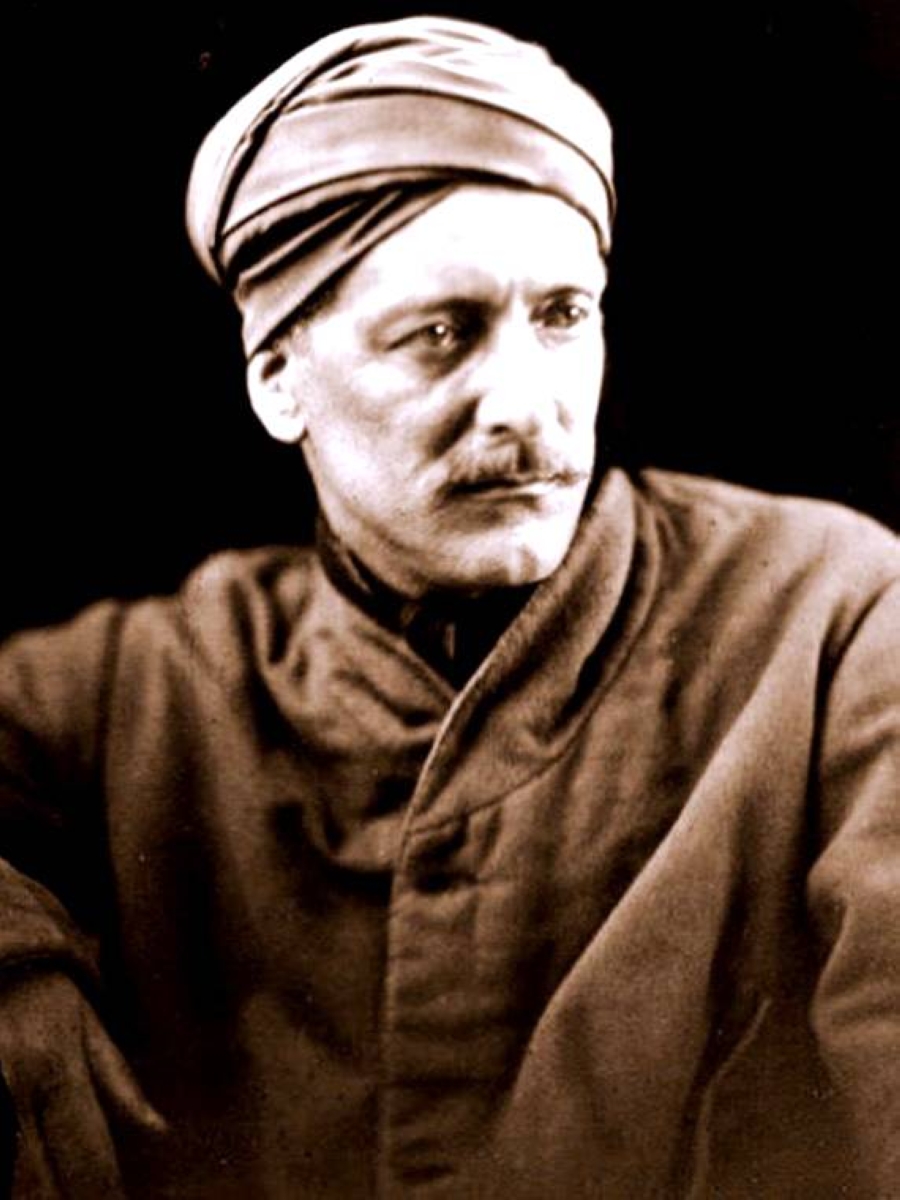
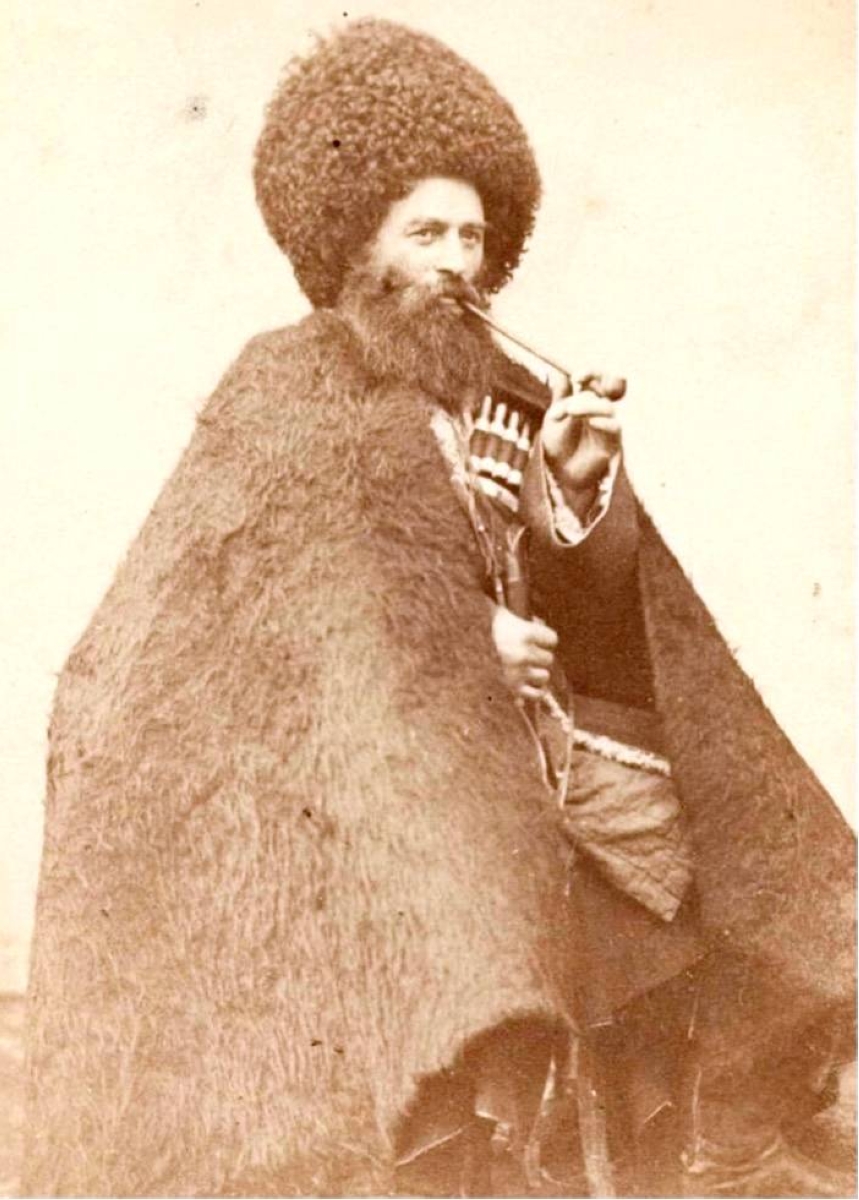
على أن حديثنا هنا سوف يكون عن رحالة آخر هو البريطاني «وليم غيفورد بلغريف»، الذي يأتي في المرتبة الثانية بعد شارل ديديه من حيث الأهمية بالنسبة للرحالة الغربيين الذين وصلوا إلى الجزيرة العربية وجالوا فيها، وكان وصوله في سنة 1862. والسبب هو تأليف كتاب من مجلدين تحت عنوان «قصة رحلة عام عبر وسط الجزيرة العربية وشرقها»، الذي يثبت أن صاحبه كان مثقفاً وصاحب دراية واطلاع ومعارف وثقافات سياسية واجتماعية ودينية ودنيوية عديدة. هذا علماً بأن الرجل تعرض بعد وفاته لاتهامات حادة من بعض الرحالة الغربيين (خصوصاً جون فيلبي) الذين زعموا أنه لم يقُم برحلاته إلى وسط وشرق الجزيرة العربية، وأن ما كتبه مجرد تجليات أدبية وخيالات من أديب موهوب. غير أن هذه الحملة دحضها كبار الرحالة الأوروبيين من أمثال تشارلز داوتي والليدي بلنت وعالمة الآثار الفرنسية جاكلين بيرين، وكلهم أشادوا بكتابات الرجل وتحقيقاته وصادقوا على جهوده ورحلاته، وأكدوا أن كتبه إضافة مهمة لأدب الرحلات.
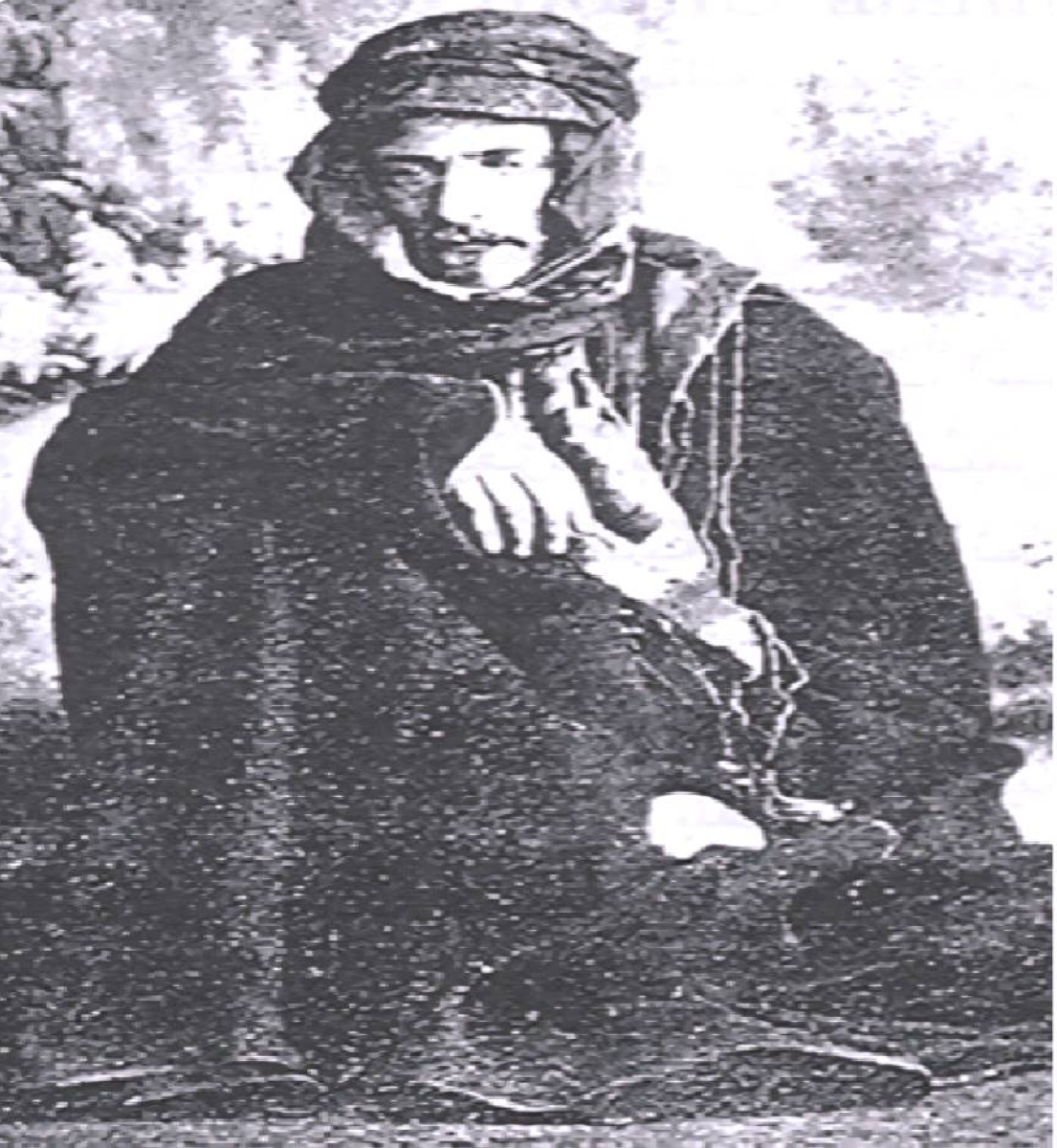
وُلد العالم اللغوي والرحالة والدبلوماسي والمستعرب وليم غيفورد بلغريف William Gifford Palgrave، في وستمنستر بإنجلترا في 24 يناير سنة 1826 ابناً لأبيه المؤرخ البريطاني المعروف السير فرنسيس بلغريف، وأمه إليزابيث تيرنير ابنة المصرفي «داوصن تيرنير». ودرس أولاً في مدرسة تشارتيرهاوس تحت إشراف الدكتور سوندرز، الذي أصبح فيما بعد عميداً لكية بيتربورو الإنجليزية، وكان خلال دراسته في هذه المدرسة طالباً مجداً وموهوباً بدليل حصوله آنذاك على الميدالية الذهبية في الشعر الكلاسيكي. بعدها درس في كلية الثالوث المقدس بجامعة أكسفورد التي منحته شهادة جامعية في الأدب وأخرى في الرياضيات سنة 1846.
بعد تخرجه، دفعه سحر الشرق والشغف بالرحلات، للالتحاق بالجيش البريطاني في الهند عام 1847. وهناك خدم برتبة ملازم في فرقة مشاة بومباي الثامنة، وتحول من البروتستانية إلى الكاثوليكية، ثم استقال من الجيش، وقرر أن يكون كاهناً في خدمة جماعة اليسوعيين في الهند وبورما. انتقل بعد ذلك إلى إيطاليا لدراسة علم اللاهوت في كلية رومانو، ومنها انتقل في عام 1857 إلى لبنان لأغراض تنصيرية، حيث أقام بمدينة زحلة فترة من الزمن توغل خلالها في المجتمع اللبناني، ودرس اللغة العربية بعمق حتى أتقنها. وكان وقتذاك على تواصل مع الشخصيات الغربية المهمة في المنطقة العربية، ومن بينها «فرديننالد دي لسبس» صاحب فكرة حفر قناة السويس. ثم صار مسؤولاً عن المدارس الدينية والبعثات التنصيرية في البلاد العربية ومنطقة الشرق الأوسط. وحين اندلعت حرب 1860 الأهلية في لبنان، التي ارتُكبت فيها مجازر بحق اللبنانيين الموارنة، خاف على نفسه وغادر لبنان إلى بريطانيا، فمارس في الأخيرة مهماته الدينية محاضراً عن زياراته وجولاته في بلاد الشام، وداعياً رؤساءه لدعمه بالمال من أجل القيام برحلة إلى داخل الجزيرة العربية، التي كانت حتى ذلك التاريخ أرضاً مجهولة للكثيرين. ومن بريطانيا سافر إلى فرنسا التي التحق فيها بكلية بمدينة نيس، ونجح في الحصول على دعم الإمبراطور الفرنسي نابليون الثالث، بعد أن أقنعه بأن معرفة أفضل بالجزيرة العربية ستخدم المخططات الإمبريالية الفرنسية في أفريقيا والشرق الأوسط.
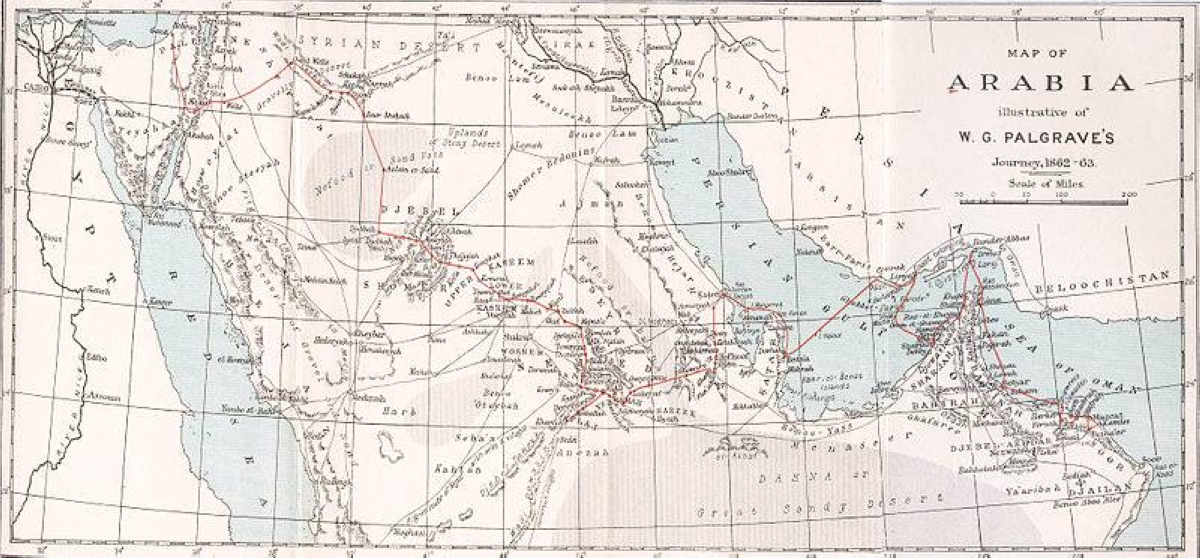
وبحصوله على دعم مادي من الإمبراطور الفرنسي، عاد إلى سوريا ليعد نفسه لرحلته إلى الجزيرة العربية، حيث جهز حقائب بها بعض الأدوية والسلع التجارية الصغيرة واختار خادماً سورياً يدعى بركات ليرافقه، وانتحل هوية طبيب سوري مسلم جوال، يؤدي خدمات طبية واجتماعية كي يغطي بذلك على هويته الحقيقية وأهداف رحلته. وهكذا بدأ مغامرته الجريئة منطلقاً من دمشق إلى معان بالأردن ومنها إلى الجوف فحائل فبريدة فالرياض. ثم قصد الأحساء والقطيف ومنهما انتقل إلى قطر فالبحرين، ثم زار عمان وتجول في مقاطعاتها، وأتبع ذلك بزيارة بعض نواحي الساحل الفارسي للخليج وبعض مدن البر الفارسي، في جولة استغرقت عاماً كاملاً ما بين 1862 و1863، قبل أن يعود إلى أوروبا ليكتب سرداً ممتعاً عن أسفاره التي نشرها عام 1865 في كتب أصبحت من أكثر المؤلفات مبيعاً حينذاك، بدليل إعادة طباعتها عدة مرات، رغم أنه لم يذكر فيها الدواعي الخفية وراء مغامرته.
بعد عودته إلى أوروبا تخلى بلغريف عن مهنته الأصلية ككاهن يسوعي في عام 1865، ويقال، إنه فعل ذلك بعدما أكدت له رحلته في الجزيرة العربية صعوبة العمل التنصيري هناك. خطوته التالية كانت الالتحاق بالخارجية البريطانية التي أوفدته في يوليو 1865 إلى الحبشة في مهمة خاصة للحصول من ملكها ثيودور على قرار بإطلاق سراح القنصل البريطاني كاميرون ورفاقه الذين احتجزهم الملك خوفاً من غزو الإنجليز لبلاده. بعد هذه المهمة تم تعيينه في عام 1866 قنصلاً في سوخومي عاصمة جمهورية أبخازيا، ومنها نقل إلى طرابزون التركية سنة 1867. وفي العام التالي تزوج من مواطنته كاترين سيمبسون، التي أنجبت له ثلاثة أبناء. وفي عام 1873 شغل منصب قنصل لبريطانيا العظمى في سانت توماس وسانت كروا (من جزر العذراء)، ومنهما انتقل في عام 1876 للعمل قنصلاً في مانيلا، وفي عام 1878 صار قنصلاً في إمارة بلغاريا المحررة حديثاً وقتذاك. وفي عام 1879 خدم كقنصل في بانكوك، حيث راح يقضي إجازاته في اليابان من أجل دراسة اليابانية التي تعلمها تحدثاً بسرعة قياسية. وكانت نهاية عمله الدبلوماسي في الأوروغواي التي خدم فيها كوزير مفوض وقنصل عام من عام 1884 وحتى تاريخ وفاته هناك في 30 سبتمبر 1888 جراء التهاب في الشعب الهوائية.
جولته في نجد
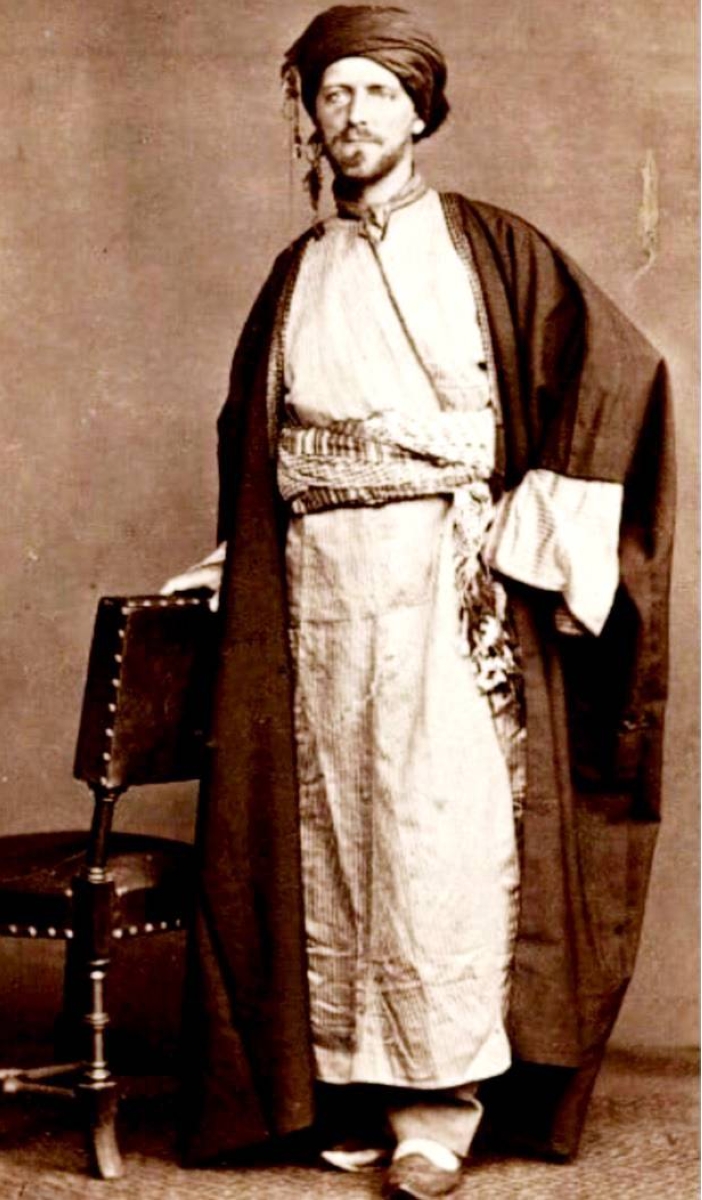
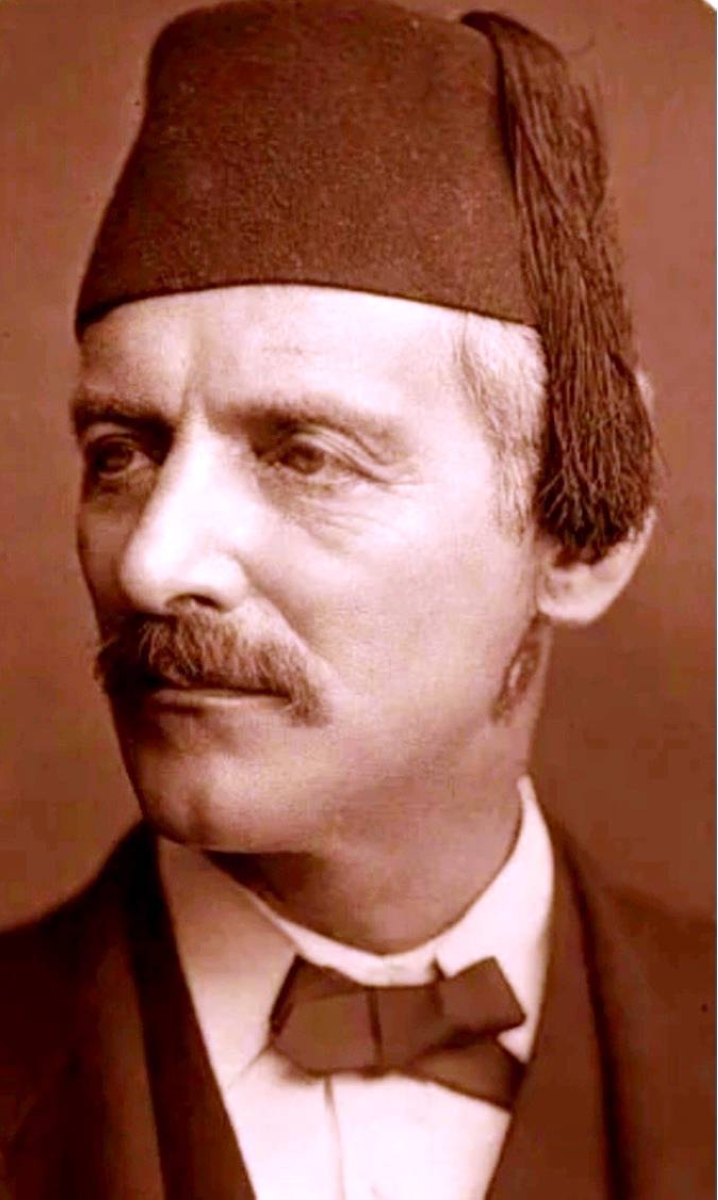
خلال جولته في نجد، ارتبط بلغريف بصداقة مع حاكمها آنذاك الإمام فيصل بن تركي آل سعود (1785 ــ 1865)، وحاز على ثقته، لكن وريثه الأمير عبدالله بن فيصل شك فيه واتهمه بالتجسس. وكاد بلغريف يُقتل بسبب معتقداته التي انكشفت لمضيفيه، رغم حرصه على التنكر بالزي العربي والعمامة تارة، وبالطربوش التركي تارة أخرى، واستخدامه اللغة العربية في أحاديثه وتنقلاته. تمكن الرجل من الهرب قبل الفتك به، فكُتبت له حياة جديدة لولاها لما سمعنا أو قرأنا عن مشاهداته وأخبار البلدان التي زارها والحكام والأقوام الذين التقى بهم، ولولاها لما تمكن من نشر مجلد ضخم من المقالات حول «الأسئلة الشرقية»، ولما أصبح مصدر إلهام لجيل من المستكشفين والمنصّرين الأوروبيين.
عدا ما حدث له في نجد، فوجئ بلغريف وهو في حائل بمن يتعرف عليه ويخبر الناس أنه شوهد في دمشق، لكنه تدارك الموقف بصلابته الطبيعية وقوة ذكائه ومواهبه في التحايل. وبمساعدة شيء من الحظ ضمن سلامته واستمر في مغامرته التي لفّها الغموض لبعض الوقت لجهة أهدافها الحقيقية التي تمثلت في مهمة تنصيرية في أوساط العرب الأصليين من سكان جزيرة العرب، بالإضافة إلى التعرف على مواقفهم من فرنسا التي موّلت رحلته، كما قلنا آنفاً.
شخصية مثقفة واسعة الحيلة
الذين عرفوا أو تعاملوا معه، أجمعوا على أنه كان شخصية مثقفة واسعة الحيلة وتتمتع بالذكاء والحيوية وسرعة البديهة وقوة التأثير والقدرة على الإفلات من المواقف الصعبة والحرجة بسهولة. ومنهم من أضاف، أنه كان شخصية مسالمة تكره الحروب والنزاعات، مدللاً على ذلك بقصته حينما كان في لبنان. حيث لجأ إليه موارنة لبنان وسوريا أثناء حربهم مع الدروز، داعين إياه أن يتزعمهم وينقل إليهم خبرته العسكرية التي اكتسبها سابقاً من عمله مع الجيش البريطاني في الهند، فرفض الدعوة واكتفى لبعض الوقت بتقديم المشورة السياسية كصديق قبل أن يتركهم ويعود إلى بريطانيا.
وإذا ما عدنا إلى الأثر الخالد الذي تركه وراءه والمتمثل في كتابه الرائع «قصة رحلة عام عبر وسط وشرق الجزيرة العربية»، الذي أهداه إلى ذكرى الرحالة الألماني/ الدانماركي «كارستن نيبور» باعتباره الرحالة الذكي الشجاع الذي فتح أبواب الجزيرة العربية لأوروبا، نجد أن الكتاب به بعض الأخطاء لجهة كتابة الأسماء الصحيحة للكثير من الأعيان والمناطق والقبائل والمواقع، غير أن ما يغفر له تلك الأخطاء هو ما نقله من مشاهدات وملاحظات ومعلومات مهمة ومفصلة عن الأوضاع السياسية والاجتماعية والاقتصادية والثقافية في نجد والأحساء والبحرين وقطر وعمان وبلاد فارس، لجهة سكانها وحكامها ومدنها وقراها ومبانيها ومساكنها وطرقاتها وموانئها ومحاصيلها ومواصلاتها وحرف أهلها قبل أكثر من 150 عاماً. هذا علماً بأن الكتاب تمت ترجمته إلى العربية من قبل المصري «صبري محمد حسن»، ضمن المشروع القومي للترجمة الذي يشرف عليه المجلس الأعلى للثقافة بمصر، لكن الترجمة هي الأخرى حفلت بأخطاء تجاوزت أسماء الأعلام إلى النحو والإملاء.
The Saudi researcher and historian Dr. Abdullah Ibrahim Al-Askar states in an article for the Saudi newspaper "Al-Riyadh" that what has been written by Arab and foreign travelers about Mecca, Medina, and other cities in Hijaz far exceeds everything written about other cities in the Arabian Peninsula. He emphasizes that these writings have become reliable sources when studying the history of Hijaz in general and the two holy cities in particular, adding, "The travel and journeying operations by Western foreigners in the Arabian Peninsula lasted for nearly four centuries, starting from the end of the 15th century and ending in the first half of the 20th century. The journeys of the first two centuries of that period were characterized by being individual trips, shrouded in mystery regarding their unannounced goals, and were generally fraught with dangers, although they were not devoid of scientific benefit. As for the journeys in the rest of that period, they were characterized by religious/missionary themes, military themes, or official political themes, or were undertaken for scientific and exploratory purposes. In general, Western travelers view the places they visit from their own perspective, thus they include some observations that were not noted by their counterparts among the Arab travelers who visited the same places."
Among the Western travelers who visited Hijaz and wrote about it is the Italian "Ludovico di Varthema," who was the first to describe Mecca in 1503 and was known as "Hajj Younis." Then came the British George Bates, who described Mecca in 1685, followed by the Danish Carsten Niebuhr, who arrived in Jeddah at the end of 1762. Then there was the Spaniard "Domingo Badía y Leblich," who came in 1807, assuming the identity of Ali Bey al-Abbasi, and was the first to provide Westerners with a clear and organized idea about Mecca, and perhaps he was the only European who managed to enter the interior of the Holy Kaaba. He was a witness to the events that accompanied the entry of the Saudis into Mecca during the time of the First Saudi State.
Apart from those mentioned, there is the Italian "Giovanni Finati," who was recruited by the French and then joined the army of Toussaint Pasha in Hijaz in 1811, and the Swiss Ludwig Burckhardt in 1841, who was one of the most accurate and fair European travelers, and the only one who met Muhammad Ali Pasha in Mecca. In 1815, the Scot "Thomas Keith" arrived, who contacted Toussaint Pasha, who appointed him governor of Medina, making him the first non-Muslim foreigner to govern this holy city. After that, the French traveler "Maurice Tamizier" came in 1834 as a physician accompanying the Egyptian campaign. In 1853, the British army lieutenant "Richard Burton" arrived in Hijaz disguised as a pilgrim. As for the Dutch traveler "Christian Snouck Hurgronje," he surpassed all others by staying in Mecca for a whole year in 1885. We must also mention the traveler, writer, and poet Charles Didier, a Frenchman of Swiss descent, who visited the cities of Hijaz and authored a book titled "Journey to Hijaz," which included a detailed description of Jeddah, Taif, and Mecca, in addition to an extensive discussion about all the areas he visited on his way to Hijaz, focusing more on the genius of man than on the genius of place and architecture.
However, our discussion here will be about another traveler, the British "William Gifford Palgrave," who ranks second in importance after Charles Didier among the Western travelers who reached and roamed in the Arabian Peninsula, arriving in 1862. The reason is his authorship of a two-volume book titled "The Story of a Journey Through Central and Eastern Arabia," which proves that its author was cultured and knowledgeable with many political, social, religious, and worldly insights. It is worth noting that the man faced sharp accusations after his death from some Western travelers (especially John Philby), who claimed that he did not undertake his journeys to Central and Eastern Arabia, and that what he wrote was merely literary manifestations and fantasies from a gifted writer. However, this campaign was refuted by prominent European travelers such as Charles Doughty, Lady Blunt, and the French archaeologist Jacqueline Pirenne, all of whom praised the man's writings and investigations, attesting to his efforts and travels, and confirming that his books are an important addition to travel literature.
The linguist, traveler, diplomat, and Arabist William Gifford Palgrave was born in Westminster, England, on January 24, 1826, to his father, the well-known British historian Sir Francis Palgrave, and his mother, Elizabeth Turner, the daughter of banker Dawson Turner. He initially studied at Charterhouse School under Dr. Saunders, who later became the dean of Peterborough College in England. During his studies at this school, he was a diligent and talented student, as evidenced by his winning the gold medal in classical poetry at that time. He then studied at Trinity College, Oxford, which awarded him a degree in literature and another in mathematics in 1846.
After graduating, the allure of the East and the passion for travel drove him to join the British Army in India in 1847. There, he served as a lieutenant in the 8th Bombay Infantry, converted from Protestantism to Catholicism, then resigned from the army, deciding to become a priest in the service of the Jesuit community in India and Burma. He then moved to Italy to study theology at the Roman College, from where he transferred in 1857 to Lebanon for missionary purposes, where he stayed in the city of Zahle for a period during which he immersed himself in Lebanese society and studied the Arabic language in depth until he mastered it. At that time, he was in contact with important Western figures in the Arab region, including Ferdinand de Lesseps, the proponent of the Suez Canal project. He then became responsible for religious schools and missionary missions in the Arab countries and the Middle East. When the 1860 civil war broke out in Lebanon, during which massacres were committed against the Maronite Lebanese, he feared for his safety and left Lebanon for Britain, where he carried out his religious duties by lecturing on his visits and tours in the Levant, urging his superiors to support him financially to undertake a journey into the Arabian Peninsula, which was, until that time, an unknown land for many. From Britain, he traveled to France, where he joined a college in Nice, successfully obtaining the support of French Emperor Napoleon III after convincing him that a better understanding of the Arabian Peninsula would serve French imperial plans in Africa and the Middle East.
With financial support from the French emperor, he returned to Syria to prepare for his journey to the Arabian Peninsula, where he packed bags with some medicines and small trade goods and chose a Syrian servant named Barakat to accompany him. He assumed the identity of a traveling Muslim Syrian doctor, providing medical and social services to cover his true identity and the goals of his journey. Thus, he began his bold adventure starting from Damascus to Ma'an in Jordan, then to Al-Jouf, Hail, Buraidah, and Riyadh. He then headed to Al-Ahsa and Qatif, from where he moved to Qatar and Bahrain, then visited Oman and toured its provinces, followed by a visit to some areas along the Persian Gulf coast and some cities in Persian mainland, in a journey that lasted a full year between 1862 and 1863, before returning to Europe to write an engaging narrative about his travels, which he published in 1865 in books that became some of the bestsellers of that time, as evidenced by their reprinting several times, even though he did not mention the hidden motives behind his adventure.
After returning to Europe, Palgrave abandoned his original profession as a Jesuit priest in 1865, reportedly after his journey in the Arabian Peninsula confirmed to him the difficulty of missionary work there. His next step was to join the British Foreign Office, which sent him in July 1865 to Abyssinia on a special mission to obtain from its king, Theodore, a decree for the release of the British consul Cameron and his companions, who had been detained by the king out of fear of an English invasion of his country. After this mission, he was appointed in 1866 as consul in Sukhum, the capital of the Republic of Abkhazia, and from there he was transferred to Trabzon, Turkey, in 1867. In the following year, he married his compatriot Catherine Simpson, who bore him three children. In 1873, he held the position of consul for Great Britain in Saint Thomas and Saint Croix (in the Virgin Islands), from where he moved in 1876 to work as consul in Manila, and in 1878 he became consul in the newly liberated Emirate of Bulgaria at that time. In 1879, he served as consul in Bangkok, where he spent his vacations in Japan to study Japanese, which he learned to speak at a rapid pace. His diplomatic career ended in Uruguay, where he served as Minister Plenipotentiary and Consul General from 1884 until his death there on September 30, 1888, due to bronchitis.
His Journey in Najd
During his journey in Najd, Palgrave formed a friendship with its ruler at the time, Imam Faisal bin Turki Al Saud (1785–1865), and gained his trust. However, his heir, Prince Abdullah bin Faisal, suspected him and accused him of espionage. Palgrave nearly lost his life due to his beliefs, which were revealed to his hosts, despite his efforts to disguise himself in Arab attire and a turban at times, and a Turkish fez at other times, using the Arabic language in his conversations and movements. The man managed to escape before being harmed, thus he was granted a new life; without it, we would not have heard or read about his observations and news of the countries he visited and the rulers and peoples he met, nor would he have been able to publish a massive volume of articles on "Eastern Questions," nor would he have become an inspiration for a generation of European explorers and missionaries.
Apart from what happened to him in Najd, Palgrave was surprised while in Hail to find someone who recognized him and informed people that he had been seen in Damascus, but he managed to handle the situation with his natural resilience, intelligence, and talents in manipulation. With a bit of luck, he ensured his safety and continued his adventure, which remained shrouded in mystery for some time regarding its true objectives, which were represented in a missionary mission among the original Arab inhabitants of the Arabian Peninsula, in addition to understanding their positions on France, which funded his journey, as mentioned earlier.
An Educated and Resourceful Personality
Those who knew or dealt with him agreed that he was an educated and resourceful personality, characterized by intelligence, vitality, quick wit, strong influence, and the ability to escape from difficult and awkward situations with ease. Some added that he was a peaceful person who hated wars and conflicts, citing his story when he was in Lebanon, where the Maronites of Lebanon and Syria sought refuge with him during their war with the Druze, asking him to lead them and share his military experience gained from his previous work with the British army in India. He refused the invitation and limited himself for a time to providing political advice as a friend before leaving them and returning to Britain.
If we return to the lasting impact he left behind, represented in his wonderful book "The Story of a Journey Through Central and Eastern Arabia," which he dedicated to the memory of the German/Danish traveler "Carsten Niebuhr," regarded as the brave and intelligent traveler who opened the doors of the Arabian Peninsula to Europe, we find that the book contains some errors regarding the correct spelling of many notable figures, regions, tribes, and sites. However, what forgives him for those mistakes is what he conveyed of observations, notes, and important detailed information about the political, social, economic, and cultural conditions in Najd, Al-Ahsa, Bahrain, Qatar, Oman, and Persia, regarding their inhabitants, rulers, cities, villages, buildings, homes, roads, ports, crops, communications, and crafts of their people more than 150 years ago. It is worth noting that the book was translated into Arabic by the Egyptian "Sabri Muhammad Hassan," as part of the national translation project overseen by the Supreme Council of Culture in Egypt, but this translation also contained errors that went beyond proper names to grammar and spelling.