


تحتفل البحرين كل عام في الرابع عشر من ديسمبر بيوم الشرطة، حيث يتجدد في هذا اليوم الولاء للشرعية الخليفية، والتأكيد على قيم الوفاء والعطاء والتضحية والالتزام بصيانة أمن البلاد وسلامة المواطنين والمقيمين، والتذكير برجالات الأمن الأوائل، الذين أسسوا جهاز الشرطة قبل أكثر من مائة عام، وتضحياتهم في سبيل خلق بيئة آمنة يستظل بظلها كل مواطن ومقيم.
ولعل من نافلة القول الإشارة إلى أن الأمن هو عامل محوري من عوامل ازدهار الأوطان ورخائها، إذ لا سبيل للتنمية والبناء والعمل والإنجاز إلا بتوفر الأمن والسلامة الوطنية. وهذا تحديداً ما انشغلت به القيادة السياسية البحرينية الحكيمة منذ منتصف القرن التاسع عشر، حينما كانت البلاد تحت الحماية البريطانية. ففي عام 1860 تولدت قناعة لدى المغفور له صاحب العظمة الشيخ عيسى بن علي طيّب الله ثراه (حكم من 1869 إلى 1932) بضرورة إنشاء حرس يتولى حمايته ويوفر الأمن والاستقرار في ربوع البحرين، فكان أنْ أمر عظمته بتشكيل مجموعات عُرفت بـ«الفداوية» للتمركز في المنامة والمحرق وبقية أنحاء البلاد، على رأس كل منها شخص بمسمى «أمير الفداوية». وحينما شرعت البحرين الأخذ بالتنظيمات الإدارية الحديثة في أواخر العقد الثاني من القرن العشرين وتأسست بلدية المنامة سنة 1919 قامت الأخيرة بتشكيل فصيل مسلح بالبنادق لتطبيق النظام والقانون وحراسة الأسواق التجارية والمنشآت الحكومية ليلاً، أطلق عليه «النواطير». وهكذا مثّل «الفداوية» و«النواطير» النواة الأولى لشرطة البحرين النظامية التي صدر قانون في 20 يوليو 1920 بإنشائها على أن تتبع المجلس البلدي.
وقتذاك كان عدد قوات شرطة البحرين لا يتجاوز المائتي فرد، وكان الجل الأعظم منهم من جنسيات غير بحرينية. أما سبب عدم إقبال البحرينيين على الانخراط في سلك الشرطة وقتذاك فمرده غياب الثقافة الأمنية وانعدام اللياقة البدنية لديهم من جهة، وانشغال السواد الأعظم منهم بمهنة الغوص وصيد اللؤلؤ من جهة أخرى، ناهيك عن عامل آخر هو انتشار المخاوف في أوساطهم من احتمال إرسالهم للمشاركة في معارك الحرب العالمية الثانية. غير أنّ الأمر بدأ يتغير تدريجياً بسبب كساد تجارة اللؤلؤ، خصوصاً أنّ ذلك تزامن مع قيام الحكومة بإغراء المواطنين بالانضمام إلى شرطتها عبر نشر إعلانات تفيد بحصول كل شرطي على 27 روبية كراتب شهري ثابت، إضافة إلى حصوله مجاناً على بعض المواد التموينية كالأرز والطحين والسمن والسكر.
تطورت الشرطة البحرينية سريعاً، لجهة مهامها والأعباء الملقاة على عاتقها، وكذلك لجهة تشكيلاتها الإدارية والقيادية. أما لجهة الشخصيات التي تولت قيادتها، فقد تناوب على المنصب الكابتن البريطاني «كامبل»، الذي خلفه مواطنه الكابتن «جيك» المعار من جيش الهند البريطانية. كما تولى القيادة الميجور «كلايف كيرباتريك ديلي» الذي شغل منصب المعتمد البريطاني في البحرين من عام 1921 وحتى عام 1926، والكابتن «إل. إس. بارك» الذي عمل مستشاراً للميجور ديلي ثم تولى قيادة الشرطة من نوفمبر 1929 وحتى أبريل 1932، وقد أطلق اسمه في تلك الفترة على شارع قريب من مبنى وزارة الداخلية (القلعة) بالمنامة هو الشارع المعروف حالياً بشارع قاسم المهزع. وكان يحل محل الكابتن بارك أثناء سفره لقضاء إجازاته مستشار حكومة البحرين البريطاني «سير تشارلز بلغريف»، علماً بأنه بعدما ترك بارك منصبه وغادر البلاد نهائياً في عام 1932 أضاف بلغريف هذا المنصب إلى مناصبه العديدة الأخرى.
وفي عام 1939 تولى قيادة شرطة البحرين المرحوم الشيخ خليفة بن حمد آل خليفة الذي قام بالتعاون مع المستشار بلغريف بنقلة تنظيمية وتحديثية نوعية كان من ثمارها تأسيس فرقة الخيالة للحفاظ على الأمن على طول سواحل البلاد الشمالية والغربية، إضافة إلى تقديم العروض العسكرية، وإنشاء فرقة موسيقى الشرطة التي أمتعت الجمهور بأعذب الألحان في الأعياد والمناسبات الوطنية والرياضية. وقد تعززت وتطورت تلك الإصلاحات في حقبة تولّي المغفور له الشيخ محمد بن سلمان آل خليفة رئاسة الشرطة والأمن العام من عام 1961 إلى 1966، حيث استثمر سموه ما تلقاه من علوم شرطية وأمنية حديثة في المملكة المتحدة في إحداث تقسيمات إدارية جديدة ووضع التشريعات اللازمة لمكافحة الجريمة والارتقاء بالأنظمة المرورية.
أما وزارة الداخلية البحرينية، فقد تأسست في عام 1971، في أعقاب إنهاء معاهدات الحماية مع بريطانيا ونيل البلاد سيادتها الكاملة. وقتها تسلم معالي الشيخ محمد بن خليفة بن حمد بن عيسى بن علي آل خليفة، الذي كان آنذاك نائباً للمدير العام لإدارة الشرطة والأمن العام، حقيبة الداخلية، فأدارها باقتدار وكفاءة من 15 ديسمبر 1973 وحتى تقاعده بتاريخ 22 مايو 2004، وهو اليوم الذي أصدر فيه صاحب الجلالة الملك حمد بن عيسى آل خليفة المعظم أمراً ملكياً بتعيين معالي الشيخ راشد بن عبدالله بن أحمد آل خليفة وزيراً جديداً للداخلية، ليدخل معاليه تاريخ البحرين كثاني وزير لجهاز الداخلية الحساس المكلف بأمن الوطن.
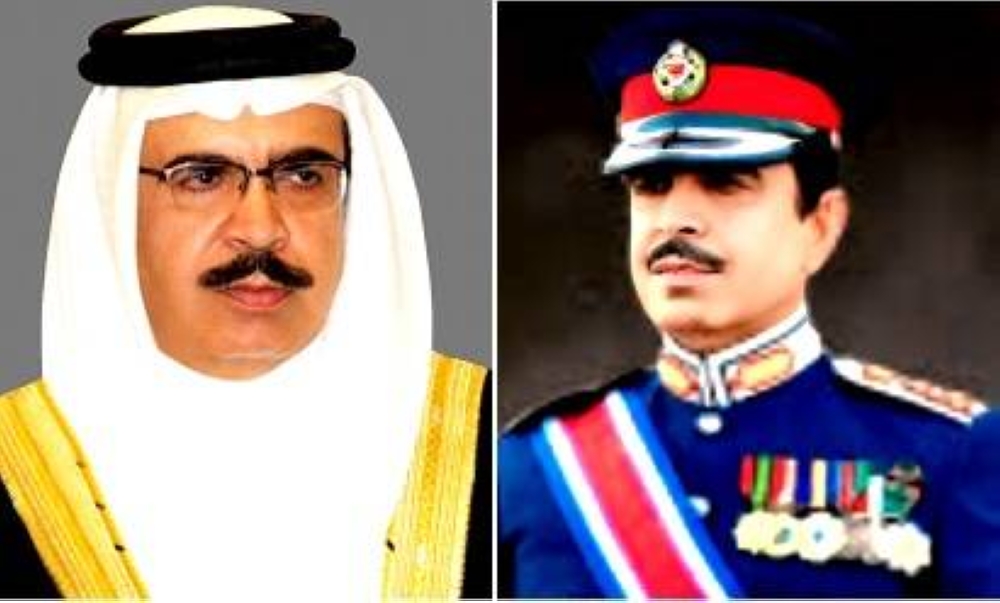
كان ما سبق توطئة للحديث عن معالي الفريق أول ركن الشيخ راشد بن عبدالله آل خليفة، الذي صادف شهر مايو الفائت مرور 21 عاماً على توليه مهامه، كان خلالها شاهداً على الكثير من المتغيرات والأحداث في تاريخ البحرن الحديث، بل كان في مقدمة الرجال الأشاوس الذين حموا أمن البلاد وسلامتها من الفتن والدسائس والمؤامرات والتدخلات الخارجية، فضرب أروع الأمثلة في الوفاء والولاء والعطاء والالتزام من خلال قرارات حكيمة ومناقبية رفيعة وعقلية منفتحة. فقد جعل معاليه من الداخلية، المعنية بإنفاذ القانون والسلامة العامة، خلية نحل تصل الليل بالنهار من أجل تحقيق النظام، مستثمراً في ذلك علومه وخبراته ومعارفه المتراكمة منذ دخوله السلك العسكري في ثمانينات القرن العشرين. فكان النجاح والتوفيق من نصيب معاليه في كل خطوة وقرار، على الرغم من الأعباء الكثيرة المنوطة بوزارته والتي تشمل الأمن العام والشرطة والنجدة، المرور، الدفاع المدني، التحقيقات الجنائية، الجنسية والجوازات والإقامة، خفر السواحل، الجرائم الإلكترونية، الشؤون الجمركية، الإسعاف الوطني، الاستخبارات المالية، القوات الخاصة، الشرطة النسائية، مكافحة المخدرات، إدارة السجون، مراكز الإصلاح والتأهيل، وغيرها.
ولد معاليه بفريج الشيوخ في مدينة المحرق سنة 1954، ابناً للشيخ عبدالله بن أحمد بن محمد آل خليفة، أحد أحفاد عظمة الشيخ حمد بن عيسى بن علي آل خليفة طيّب الله ثراه حاكم البحرين العاشر خلال الفترة من عام 1932 وحتى وفاته رحمه الله في فبراير 1942. وأنهى مراحل تعليمه النظامي في البحرين بتفوق، حيث كان طالباً مواظباً ومجتهداً ومنخرطاً في العديد من الأنشطة المدرسية واللاصفية، ومنها مشاركته لفريق شباب المحرق في لعب كرة القدم. ومنذ تلك السنوات المبكرة من عمره تولد لديه شغف بالعمل العسكري. ولإشباع هذا الشغف التحق، بعد تخرجه من مدرسة الهداية الخليفية (أول وأقدم مدارس البنين في البحرين)، بالكلية العسكرية في دولة الكويت، التي تخرج منها بتفوق، ليلتحق على إثره بقوة دفاع البحرين. وإبّان عمله في الأخيرة أُرسل للمشاركة في عدد من الدورات التأسيسية والمتقدمة في العلوم العسكرية والتكتيكات الحربية والخطط القتالية في كل من المملكة الأردنية الهاشمية والمملكة المتحدة، فأبلى في جميعها بلاء حسناً، ولأن شغف معاليه بالعلم والمعرفة كان شغفاً دائماً ومستمراً، فقد عزّز حصيلته العلمية بالحصول على درجة الماجستير في العلوم العسكرية من كلية القيادة والأركان في المملكة الأردنية الهاشمية، الأمر الذي أهّله في عام 1982 لشغل منصب قائد الدروع الملكية في قوة دفاع البحرين تحت قيادة جلالة الملك حمد بن عيسى آل خليفة آنذاك. وإبّان شغله لهذا المنصب العسكري ساهم في تطوير الدروع الملكية وأحدث فيها نقلة نوعية. ومن هذا المنصب انطلق معاليه ليصبح في عام 1996 مساعداً لرئيس الأركان للعمليات بقوة دفاع البحرين. ولم تمضِ سوى خمس سنوات على ذلك إلا وصدر أمر أميري في الأول من أكتوبر سنة 2001 بترقية معاليه من رتبة عميد ركن إلى رتبة لواء ركن، بالإضافة إلى تعيينه رئيساً لهيئة أركان قوة الدفاع. وبحكم منصبه هذا، راح يساهم في المشاريع الأساسية لتطوير أسلحة ووحدات وأفرع وأنظمة قوة الدفاع، كما راح يوطد أواصر وروابط التعاون العسكري مع جيوش الدول الشقيقة والصديقة، ويشرف أو يترأس مشاريع مثل مشروع إنشاء كلية الشيخ عيسى العسكرية الملكية (اُفتتحت في عام 1998) لسد حاجة البلاد من الضباط الأكفاء المسلحين بالمعارف العسكرية الحديثة، ومثل مشروع اتفاقية الدفاع المشترك لمجلس التعاون لدول الخليج العربية.
وهكذا نرى أن معالي الشيخ راشد بن عبدالله آل خليفة كان أحد التلامذة النجباء لصاحب الجلالة الملك حمد بن عيسى آل خليفة المعظم في قوة الدفاع، وأحد رفاق جلالته في السلاح. لذا لم يكن غريباً أن يضع جلالته كامل ثقته في معاليه في 22 مايو 2004 حينما اختاره ليكون حارساً لأمن الوطن وساهراً على سلامته من خلال تكليفه بحمل حقيبة الداخلية، مع ترقيته من رتبة لواء ركن إلى رتبة فريق ركن. وفي 31 ديسمبر 2004 صدر أمر ملكي برقم 69 لسنة 2004، قضى بترقية معاليه من رتبة فريق ركن إلى رتبة فريق أول ركن.
ومنذ أن تسلّم معاليه حقيبة الداخلية، توالت المشاريع الشرطية والأمنية الهادفة لخير البلاد وسلامتها. فمن إنشاء جهاز شرطة المجتمع في عام 2005 كشريكة لقوات الأمن العام في التوعية الأمنية ومكافحة بعض الظواهر السلبية في المجتمع كالهروب من المدارس، والتسول والتشرد، وإعاقة الحركة المرورية، وجنوح الأحداث وانحرافهم، إلى إطلاق المشروع الحضاري للعقوبات البديلة والسجون المفتوحة، إلى تدشين تطبيقي «حكومتي» و«المفتاح الإلكتروني المطور» لحصول المواطن والمقيم على 41 خدمة حكومية بطريقة مبتكرة وآمنة وسهلة وسريعة، فإلى مبادرة «بحريننا» كخطة وطنية هادفة لتعزيز الانتماء الوطني وترسيخ قيم المواطنة من خلال عدة مسارات وعدد من الحملات والبرامج والتشريعات. هذا ناهيك عن الحملة الوطنية الناجحة التي أدارتها وزارة الداخلية البحرينية باقتدار وكفاءة لمكافحة جائحة كورونا من خلال تكثيف عمليات التوعية والإرشاد، والتعقيم والتطهير، وتدابير التباعد ومنع الاختلاط، ومثلها كذلك الحملات المتتابعة والمستمرة لمحافحة المخدرات وضبط مهربيها وتنظيف المجتمع من سمومها وآثارها المدمرة.
تقدير عربي ودولي
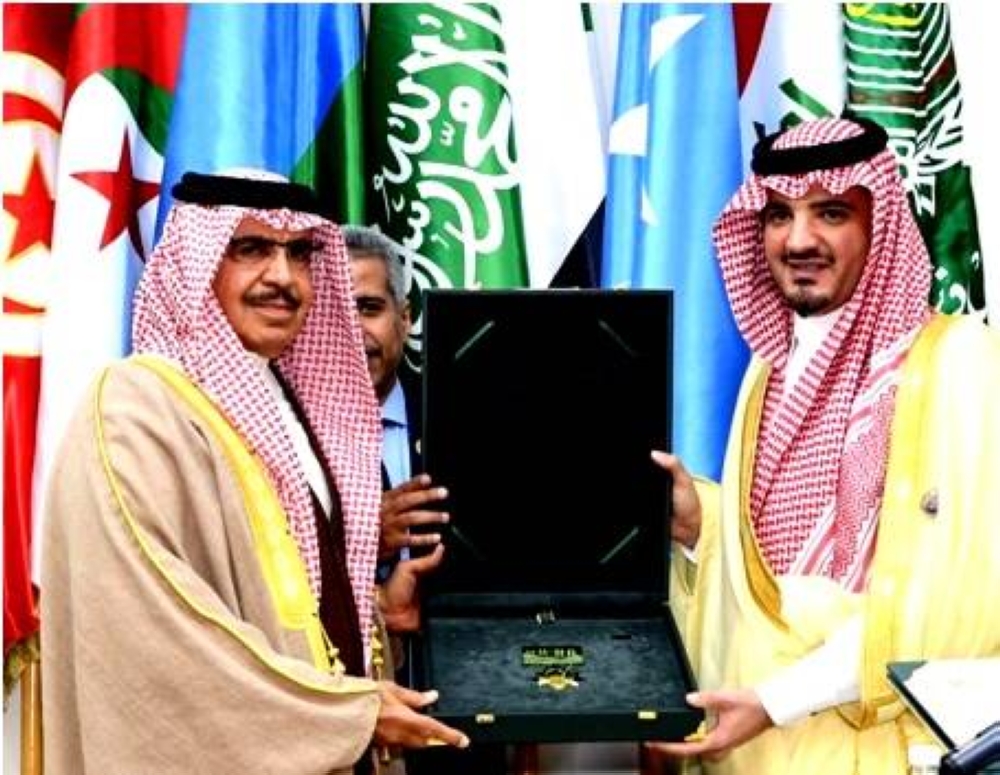
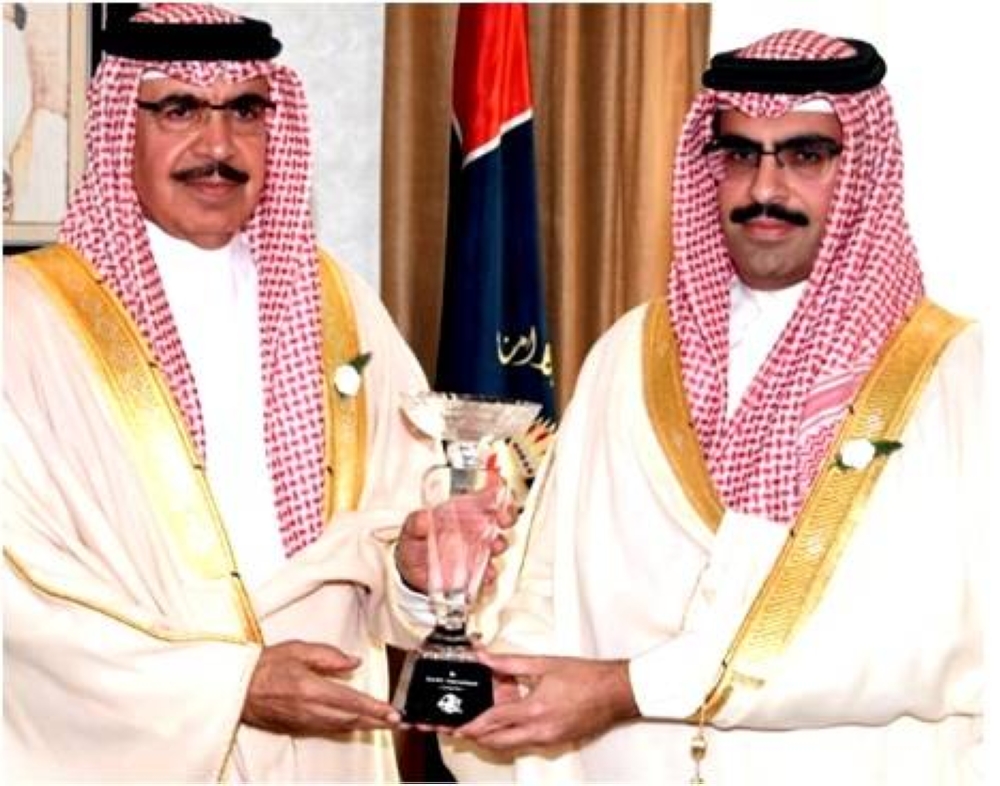
انتشرت أخبار جهود معاليه وجهود وزارته الموقرة إلى خارج الحدود، فنالت الاستحسان والتقدير العربي والدولي، بدليل حصول معاليه خلال الدورة 37 لمجلس وزراء الداخلية العرب المنعقدة في تونس في مارس 2020 على جائزة ووسام الأمير نايف بن عبدالعزيز للأمن العربي (جائزة تمنح للشخصيات القيادية الأمنية صاحبة الأدوار المتميزة والفعالة)، وذلك بناء على اقتراح الرئيس الفخري للمجلس ورئيس هيئة أمناء الجائزة، وزير الداخلية السعودي سمو الأمير عبدالعزيز بن سعود بن نايف بن عبدالعزيز آل سعود. إلى ذلك تم تكريم معاليه في عام 2017 من قبل الإتحاد الدولي للرياضة الشرطية، تقديراً لجهوده في دعم الرياضة الشرطية ومساهمة البحرين الفعالة في أنشطة الاتحاد الدولي. كما تم تكريمه في ديسمبر سنة 2018 بحصوله على جائزة شخصية العام 2018 من المنظمة الدولية لمكافحة العنف والإدمان (DARE)، تقديراً لما تحقق من نجاحات في برنامج «معاً لمكافحة العنف والإدمان». وفي فبراير عام 2025 حصلت وزارة الداخلية البحرينية تحت قيادة معاليه على جائزة أفضل بطولة تشالنجر للتنس في آسيا والمحيط الهادي لعام 2024، التي استضافتها وزارة الداخلية بمملكة البحرين.
ونختتم بالإشارة إلى النجل الأكبر لمعالي الفريق أول ركن الشيخ راشد بن عبدالله آل خليفة وهو معالي الشيخ عبدالله بن راشد بن عبدالله آل خليفة، الذي يشغل منذ عام 2017 منصب سفير مملكة البحرين لدى الولايات المتحدة الأمريكية، علماً بأنه تاسع سفير للبحرين في واشنطن منذ تبادل السفراء في عامَي 1974 و1976، من بعد عبدالعزيز بوعلي، وغازي محمد القصيبي، والشيخ عبدالرحمن بن فارس آل خليفة، والدكتور محمد عبدالغفار عبدالله، والشيخ خليفة بن علي آل خليفة، والدكتور ناصر البلوشي، والسيدة هدى عزرا نونو، والشيخ عبدالله بن محمد آل خليفة، على التوالي.
راشد بن عبدالله آل خليفة.. رجل الأمن الأول في البحرين
2 يونيو 2025 - 06:13
|
آخر تحديث 2 يونيو 2025 - 06:13


تابع قناة عكاظ على الواتساب
بقلم: د. عبدالله المدني
Bahrain celebrates Police Day every year on December 14, where loyalty to the Khalifa legitimacy is renewed, and the values of loyalty, giving, sacrifice, and commitment to maintaining the security of the country and the safety of citizens and residents are emphasized. This day also serves as a reminder of the early security figures who established the police force over a hundred years ago and their sacrifices to create a safe environment under which every citizen and resident can thrive.
It is perhaps redundant to mention that security is a pivotal factor in the prosperity and welfare of nations, as there is no way for development, construction, work, and achievement without the presence of security and national safety. This is precisely what the wise Bahraini political leadership has been preoccupied with since the mid-19th century, when the country was under British protection. In 1860, the late Sheikh Isa bin Ali, may God rest his soul (ruled from 1869 to 1932), became convinced of the necessity of establishing a guard to protect him and provide security and stability throughout Bahrain. Thus, His Excellency ordered the formation of groups known as "Al-Fadawiya" to be stationed in Manama, Muharraq, and other parts of the country, each led by a person titled "Amir Al-Fadawiya." When Bahrain began adopting modern administrative organizations in the late 1920s and established the Manama Municipality in 1919, the latter formed an armed unit with rifles to enforce law and order and guard commercial markets and government facilities at night, called "Al-Nawateer." Thus, "Al-Fadawiya" and "Al-Nawateer" represented the first nucleus of the regular police in Bahrain, which was established by law on July 20, 1920, to follow the municipal council.
At that time, the number of Bahrain's police forces did not exceed two hundred individuals, most of whom were of non-Bahraini nationalities. The reason for the lack of interest among Bahrainis in joining the police force at that time was due to the absence of a security culture and their lack of physical fitness on one hand, and the preoccupation of the vast majority with the profession of diving and pearl fishing on the other hand, not to mention another factor, which was the widespread fears among them of being sent to participate in the battles of World War II. However, the situation began to change gradually due to the decline in the pearl trade, especially since this coincided with the government's efforts to entice citizens to join the police by publishing advertisements stating that every police officer would receive a fixed monthly salary of 27 rupees, in addition to receiving some food supplies such as rice, flour, ghee, and sugar for free.
The Bahraini police quickly evolved in terms of its tasks and the burdens placed upon it, as well as in terms of its administrative and leadership formations. Regarding the personalities who led it, British Captain "Campbell" alternated in the position with his compatriot Captain "Jake," who was seconded from the British Indian Army. Major "Clive Kirkpatrick Dilly" also took command, serving as the British resident in Bahrain from 1921 to 1926, followed by Captain "L.S. Park," who worked as an advisor to Major Dilly and then took over the police leadership from November 1929 until April 1932. During that period, a street near the Ministry of Interior (the Fortress) in Manama was named after him, which is currently known as Qasim Al-Mahzaz Street. Captain Park was replaced during his travels for vacations by the British Government Advisor to Bahrain, "Sir Charles Belgrave," noting that after Park left his position and permanently left the country in 1932, Belgrave added this position to his many other roles.
In 1939, the late Sheikh Khalifa bin Hamad Al Khalifa took command of the Bahrain Police, collaborating with Advisor Belgrave to implement significant organizational and modernization changes, resulting in the establishment of a cavalry unit to maintain security along the northern and western coasts of the country, in addition to providing military displays and establishing a police music band that entertained the public with delightful melodies during national and sporting events. These reforms were further enhanced and developed during the tenure of the late Sheikh Mohammed bin Salman Al Khalifa as head of police and public security from 1961 to 1966, where His Highness invested in the modern police and security knowledge he acquired in the United Kingdom to create new administrative divisions and establish the necessary legislation to combat crime and improve traffic systems.
The Bahraini Ministry of Interior was established in 1971, following the termination of protection treaties with Britain and the country gaining full sovereignty. At that time, His Excellency Sheikh Mohammed bin Khalifa bin Hamad bin Isa bin Ali Al Khalifa, who was then the Deputy Director-General of the Police and Public Security Administration, took charge of the interior ministry, managing it with competence and efficiency from December 15, 1973, until his retirement on May 22, 2004, the day on which His Majesty King Hamad bin Isa Al Khalifa issued a royal decree appointing His Excellency Sheikh Rashid bin Abdullah bin Ahmad Al Khalifa as the new Minister of Interior, making him the second minister in the sensitive interior apparatus responsible for the nation's security.
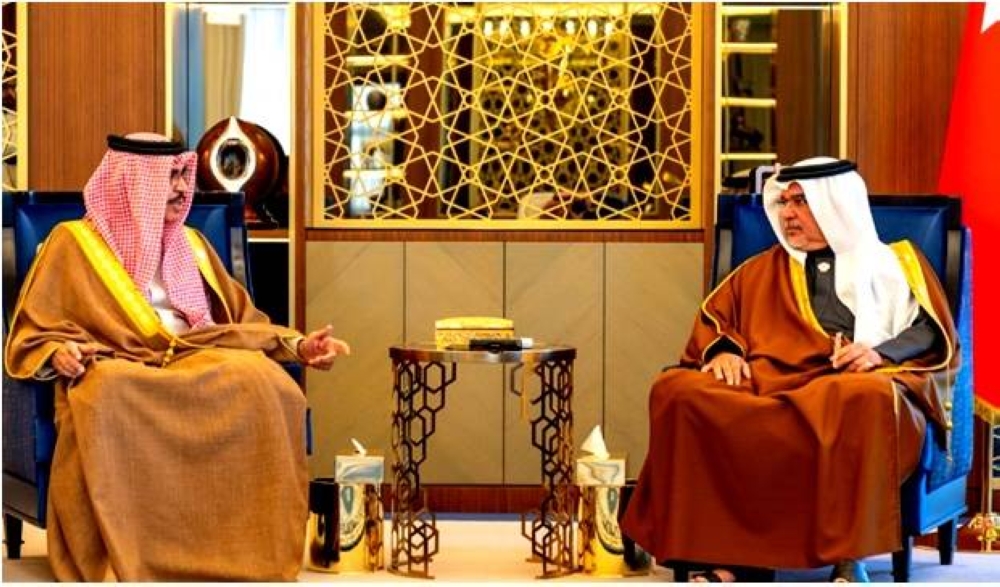
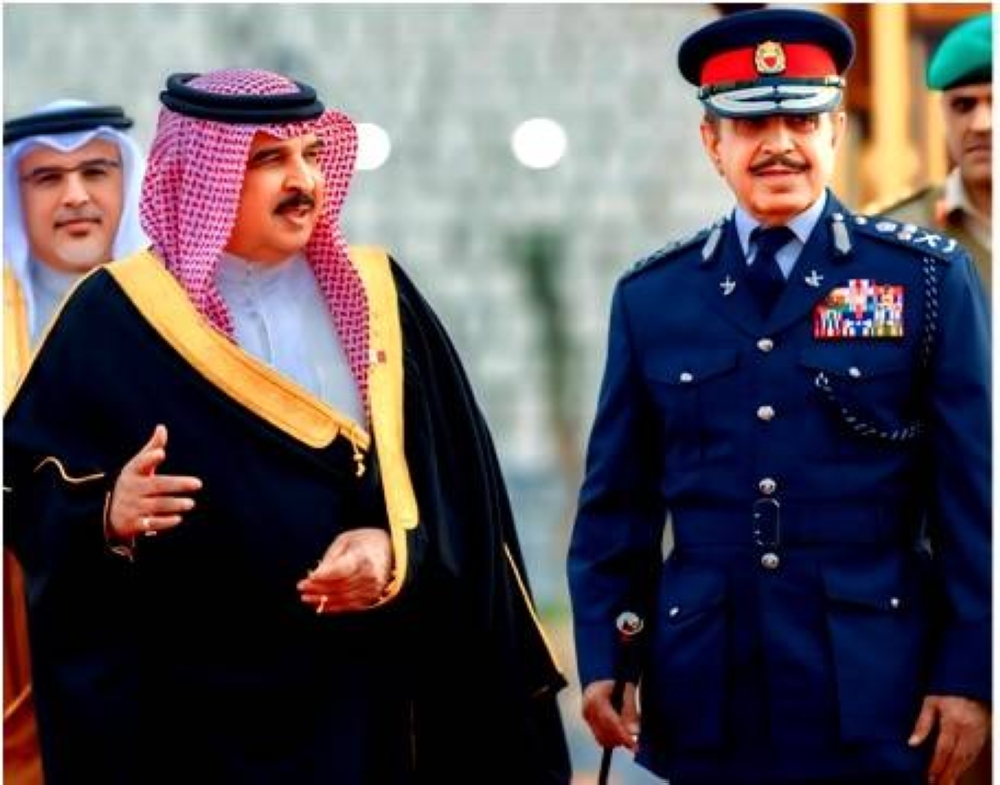
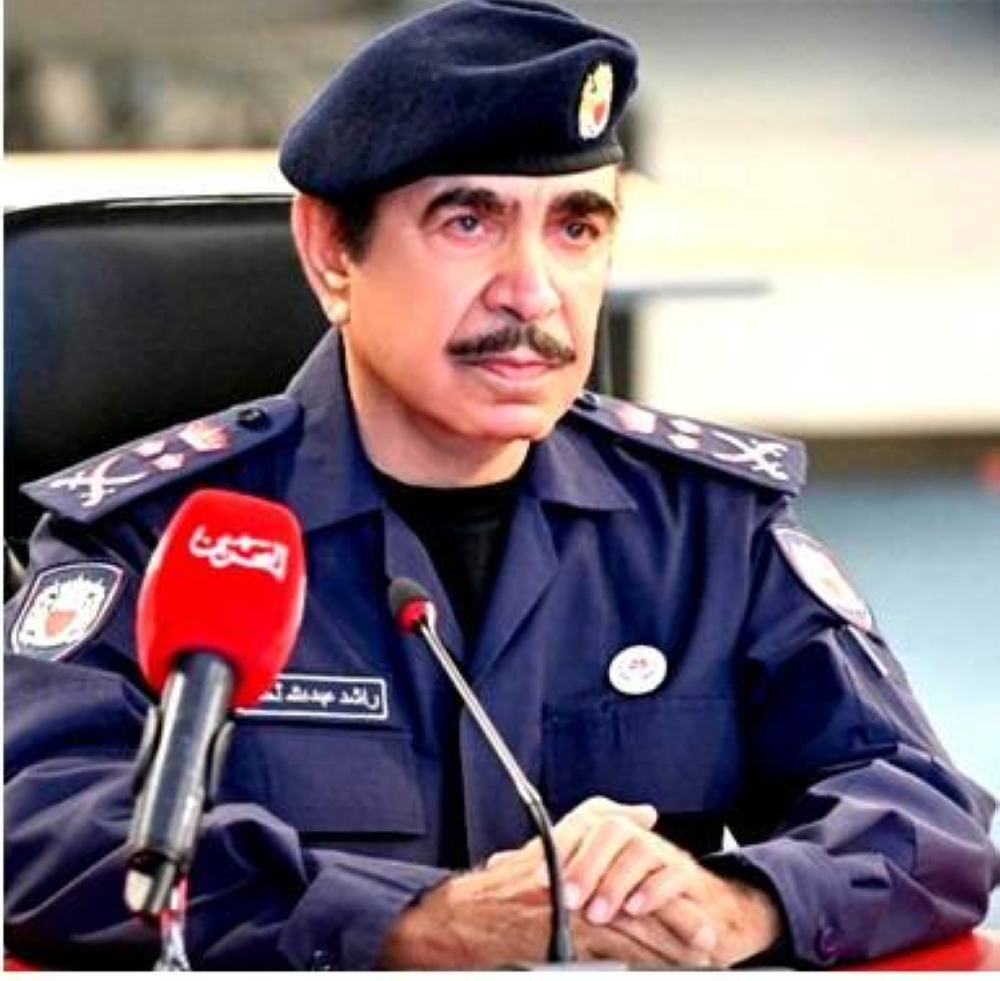
The above serves as a prelude to discussing His Excellency Lieutenant General Sheikh Rashid bin Abdullah Al Khalifa, who marked 21 years in his role last May, during which he witnessed many changes and events in the modern history of Bahrain. He was at the forefront of the brave men who protected the security and safety of the country from sedition, plots, conspiracies, and foreign interventions, exemplifying loyalty, dedication, and commitment through wise decisions and high moral values and an open-minded approach. He has made the Ministry of Interior, responsible for law enforcement and public safety, a beehive of activity, working tirelessly to achieve order, investing in his accumulated knowledge, experience, and insights since entering the military service in the 1980s. His Excellency has achieved success and excellence in every step and decision, despite the many burdens placed upon his ministry, which includes public security, police, rescue, traffic, civil defense, criminal investigations, nationality, passports and residency, coast guard, cybercrime, customs affairs, national ambulance, financial intelligence, special forces, women's police, drug control, prison management, rehabilitation centers, and more.
His Excellency was born in the Sheikh's neighborhood in the city of Muharraq in 1954, the son of Sheikh Abdullah bin Ahmad bin Mohammed Al Khalifa, one of the descendants of the late Sheikh Hamad bin Isa bin Ali Al Khalifa, may God rest his soul, the tenth ruler of Bahrain from 1932 until his death in February 1942. He completed his formal education in Bahrain with distinction, being a diligent and hardworking student involved in many school and extracurricular activities, including participating with the Muharraq youth team in playing football. From those early years, he developed a passion for military work. To satisfy this passion, after graduating from Al-Hidaya Al-Khalifiya School (the first and oldest boys' school in Bahrain), he joined the military college in Kuwait, graduating with distinction, after which he joined the Bahrain Defense Force. During his time there, he was sent to participate in several foundational and advanced courses in military sciences, war tactics, and combat plans in both the Hashemite Kingdom of Jordan and the United Kingdom, excelling in all of them. His passion for knowledge and learning was a constant and ongoing pursuit, leading him to enhance his academic qualifications by obtaining a master's degree in military sciences from the Command and Staff College in the Hashemite Kingdom of Jordan, which qualified him in 1982 to hold the position of Commander of the Royal Guards in the Bahrain Defense Force under the leadership of His Majesty King Hamad bin Isa Al Khalifa at that time. During his tenure in this military position, he contributed to the development of the Royal Guards and brought about a qualitative shift in them. From this position, he advanced to become the Assistant Chief of Staff for Operations in the Bahrain Defense Force in 1996. Only five years later, on October 1, 2001, a royal decree was issued promoting him from the rank of Brigadier to Major General, in addition to appointing him as the Chief of Staff of the Defense Force. In this capacity, he contributed to the fundamental projects for developing weapons, units, branches, and systems of the Defense Force, as well as strengthening military cooperation ties with the armed forces of brotherly and friendly countries. He oversaw or chaired projects such as the establishment of the Sheikh Isa Military College (opened in 1998) to meet the country's need for qualified officers armed with modern military knowledge, and the project for a joint defense agreement for the Gulf Cooperation Council countries.
Thus, we see that His Excellency Sheikh Rashid bin Abdullah Al Khalifa was one of the distinguished students of His Majesty King Hamad bin Isa Al Khalifa in the Defense Force and one of His Majesty's comrades in arms. Therefore, it was not surprising that His Majesty placed his full trust in him on May 22, 2004, when he appointed him as the guardian of the nation's security and protector of its safety by assigning him the interior ministry, promoting him from the rank of Major General to Lieutenant General. On December 31, 2004, a royal decree numbered 69 of 2004 was issued, promoting him from the rank of Lieutenant General to the rank of Lieutenant General.
Since assuming the interior ministry, numerous police and security projects aimed at the welfare and safety of the country have followed. From establishing the Community Police in 2005 as a partner to the Public Security Forces in raising security awareness and combating some negative phenomena in society such as school dropouts, begging, homelessness, traffic obstruction, juvenile delinquency, and deviance, to launching the civilizational project for alternative penalties and open prisons, to launching the "My Government" and "Developed Electronic Key" applications for citizens and residents to access 41 government services in an innovative, secure, easy, and fast manner, and to the "Our Bahrain" initiative as a national plan aimed at enhancing national belonging and instilling the values of citizenship through several pathways and various campaigns, programs, and legislations. Not to mention the successful national campaign managed by the Bahraini Ministry of Interior with competence and efficiency to combat the COVID-19 pandemic through intensified awareness and guidance operations, sterilization and disinfection, social distancing measures, and preventing mixing, as well as the ongoing campaigns to combat drugs, apprehend traffickers, and cleanse society of their toxins and destructive effects.
Arab and International Appreciation
The news of His Excellency's efforts and those of his esteemed ministry spread beyond borders, garnering Arab and international admiration and appreciation, as evidenced by His Excellency receiving the Prince Nayef bin Abdulaziz Award for Arab Security during the 37th session of the Council of Arab Interior Ministers held in Tunisia in March 2020 (an award granted to distinguished and effective security leadership figures), based on the proposal of the honorary president of the council and chairman of the award's board of trustees, Saudi Interior Minister His Highness Prince Abdulaziz bin Saud bin Nayef bin Abdulaziz Al Saud. Additionally, His Excellency was honored in 2017 by the International Police Sports Federation for his efforts in supporting police sports and Bahrain's active contribution to the federation's activities. He was also honored in December 2018 by receiving the 2018 Personality of the Year Award from the International Organization for Combating Violence and Addiction (DARE), in recognition of the successes achieved in the "Together to Combat Violence and Addiction" program. In February 2025, the Bahraini Ministry of Interior under his leadership received the award for Best Challenger Tennis Championship in Asia and the Pacific for 2024, hosted by the Ministry of Interior in the Kingdom of Bahrain.
We conclude by mentioning the eldest son of His Excellency Lieutenant General Sheikh Rashid bin Abdullah Al Khalifa, His Excellency Sheikh Abdullah bin Rashid bin Abdullah Al Khalifa, who has held the position of Ambassador of the Kingdom of Bahrain to the United States of America since 2017. He is the ninth ambassador of Bahrain in Washington since the exchange of ambassadors in 1974 and 1976, following Abdulaziz Bouali, Ghazi Mohammed Al-Qusaibi, Sheikh Abdulrahman bin Faris Al Khalifa, Dr. Mohammed Abdulghafar Abdullah, Sheikh Khalifa bin Ali Al Khalifa, Dr. Nasser Al-Balushi, Ms. Huda Ezra Nuno, and Sheikh Abdullah bin Mohammed Al Khalifa, respectively.
It is perhaps redundant to mention that security is a pivotal factor in the prosperity and welfare of nations, as there is no way for development, construction, work, and achievement without the presence of security and national safety. This is precisely what the wise Bahraini political leadership has been preoccupied with since the mid-19th century, when the country was under British protection. In 1860, the late Sheikh Isa bin Ali, may God rest his soul (ruled from 1869 to 1932), became convinced of the necessity of establishing a guard to protect him and provide security and stability throughout Bahrain. Thus, His Excellency ordered the formation of groups known as "Al-Fadawiya" to be stationed in Manama, Muharraq, and other parts of the country, each led by a person titled "Amir Al-Fadawiya." When Bahrain began adopting modern administrative organizations in the late 1920s and established the Manama Municipality in 1919, the latter formed an armed unit with rifles to enforce law and order and guard commercial markets and government facilities at night, called "Al-Nawateer." Thus, "Al-Fadawiya" and "Al-Nawateer" represented the first nucleus of the regular police in Bahrain, which was established by law on July 20, 1920, to follow the municipal council.
At that time, the number of Bahrain's police forces did not exceed two hundred individuals, most of whom were of non-Bahraini nationalities. The reason for the lack of interest among Bahrainis in joining the police force at that time was due to the absence of a security culture and their lack of physical fitness on one hand, and the preoccupation of the vast majority with the profession of diving and pearl fishing on the other hand, not to mention another factor, which was the widespread fears among them of being sent to participate in the battles of World War II. However, the situation began to change gradually due to the decline in the pearl trade, especially since this coincided with the government's efforts to entice citizens to join the police by publishing advertisements stating that every police officer would receive a fixed monthly salary of 27 rupees, in addition to receiving some food supplies such as rice, flour, ghee, and sugar for free.
The Bahraini police quickly evolved in terms of its tasks and the burdens placed upon it, as well as in terms of its administrative and leadership formations. Regarding the personalities who led it, British Captain "Campbell" alternated in the position with his compatriot Captain "Jake," who was seconded from the British Indian Army. Major "Clive Kirkpatrick Dilly" also took command, serving as the British resident in Bahrain from 1921 to 1926, followed by Captain "L.S. Park," who worked as an advisor to Major Dilly and then took over the police leadership from November 1929 until April 1932. During that period, a street near the Ministry of Interior (the Fortress) in Manama was named after him, which is currently known as Qasim Al-Mahzaz Street. Captain Park was replaced during his travels for vacations by the British Government Advisor to Bahrain, "Sir Charles Belgrave," noting that after Park left his position and permanently left the country in 1932, Belgrave added this position to his many other roles.
In 1939, the late Sheikh Khalifa bin Hamad Al Khalifa took command of the Bahrain Police, collaborating with Advisor Belgrave to implement significant organizational and modernization changes, resulting in the establishment of a cavalry unit to maintain security along the northern and western coasts of the country, in addition to providing military displays and establishing a police music band that entertained the public with delightful melodies during national and sporting events. These reforms were further enhanced and developed during the tenure of the late Sheikh Mohammed bin Salman Al Khalifa as head of police and public security from 1961 to 1966, where His Highness invested in the modern police and security knowledge he acquired in the United Kingdom to create new administrative divisions and establish the necessary legislation to combat crime and improve traffic systems.
The Bahraini Ministry of Interior was established in 1971, following the termination of protection treaties with Britain and the country gaining full sovereignty. At that time, His Excellency Sheikh Mohammed bin Khalifa bin Hamad bin Isa bin Ali Al Khalifa, who was then the Deputy Director-General of the Police and Public Security Administration, took charge of the interior ministry, managing it with competence and efficiency from December 15, 1973, until his retirement on May 22, 2004, the day on which His Majesty King Hamad bin Isa Al Khalifa issued a royal decree appointing His Excellency Sheikh Rashid bin Abdullah bin Ahmad Al Khalifa as the new Minister of Interior, making him the second minister in the sensitive interior apparatus responsible for the nation's security.
The above serves as a prelude to discussing His Excellency Lieutenant General Sheikh Rashid bin Abdullah Al Khalifa, who marked 21 years in his role last May, during which he witnessed many changes and events in the modern history of Bahrain. He was at the forefront of the brave men who protected the security and safety of the country from sedition, plots, conspiracies, and foreign interventions, exemplifying loyalty, dedication, and commitment through wise decisions and high moral values and an open-minded approach. He has made the Ministry of Interior, responsible for law enforcement and public safety, a beehive of activity, working tirelessly to achieve order, investing in his accumulated knowledge, experience, and insights since entering the military service in the 1980s. His Excellency has achieved success and excellence in every step and decision, despite the many burdens placed upon his ministry, which includes public security, police, rescue, traffic, civil defense, criminal investigations, nationality, passports and residency, coast guard, cybercrime, customs affairs, national ambulance, financial intelligence, special forces, women's police, drug control, prison management, rehabilitation centers, and more.
His Excellency was born in the Sheikh's neighborhood in the city of Muharraq in 1954, the son of Sheikh Abdullah bin Ahmad bin Mohammed Al Khalifa, one of the descendants of the late Sheikh Hamad bin Isa bin Ali Al Khalifa, may God rest his soul, the tenth ruler of Bahrain from 1932 until his death in February 1942. He completed his formal education in Bahrain with distinction, being a diligent and hardworking student involved in many school and extracurricular activities, including participating with the Muharraq youth team in playing football. From those early years, he developed a passion for military work. To satisfy this passion, after graduating from Al-Hidaya Al-Khalifiya School (the first and oldest boys' school in Bahrain), he joined the military college in Kuwait, graduating with distinction, after which he joined the Bahrain Defense Force. During his time there, he was sent to participate in several foundational and advanced courses in military sciences, war tactics, and combat plans in both the Hashemite Kingdom of Jordan and the United Kingdom, excelling in all of them. His passion for knowledge and learning was a constant and ongoing pursuit, leading him to enhance his academic qualifications by obtaining a master's degree in military sciences from the Command and Staff College in the Hashemite Kingdom of Jordan, which qualified him in 1982 to hold the position of Commander of the Royal Guards in the Bahrain Defense Force under the leadership of His Majesty King Hamad bin Isa Al Khalifa at that time. During his tenure in this military position, he contributed to the development of the Royal Guards and brought about a qualitative shift in them. From this position, he advanced to become the Assistant Chief of Staff for Operations in the Bahrain Defense Force in 1996. Only five years later, on October 1, 2001, a royal decree was issued promoting him from the rank of Brigadier to Major General, in addition to appointing him as the Chief of Staff of the Defense Force. In this capacity, he contributed to the fundamental projects for developing weapons, units, branches, and systems of the Defense Force, as well as strengthening military cooperation ties with the armed forces of brotherly and friendly countries. He oversaw or chaired projects such as the establishment of the Sheikh Isa Military College (opened in 1998) to meet the country's need for qualified officers armed with modern military knowledge, and the project for a joint defense agreement for the Gulf Cooperation Council countries.
Thus, we see that His Excellency Sheikh Rashid bin Abdullah Al Khalifa was one of the distinguished students of His Majesty King Hamad bin Isa Al Khalifa in the Defense Force and one of His Majesty's comrades in arms. Therefore, it was not surprising that His Majesty placed his full trust in him on May 22, 2004, when he appointed him as the guardian of the nation's security and protector of its safety by assigning him the interior ministry, promoting him from the rank of Major General to Lieutenant General. On December 31, 2004, a royal decree numbered 69 of 2004 was issued, promoting him from the rank of Lieutenant General to the rank of Lieutenant General.
Since assuming the interior ministry, numerous police and security projects aimed at the welfare and safety of the country have followed. From establishing the Community Police in 2005 as a partner to the Public Security Forces in raising security awareness and combating some negative phenomena in society such as school dropouts, begging, homelessness, traffic obstruction, juvenile delinquency, and deviance, to launching the civilizational project for alternative penalties and open prisons, to launching the "My Government" and "Developed Electronic Key" applications for citizens and residents to access 41 government services in an innovative, secure, easy, and fast manner, and to the "Our Bahrain" initiative as a national plan aimed at enhancing national belonging and instilling the values of citizenship through several pathways and various campaigns, programs, and legislations. Not to mention the successful national campaign managed by the Bahraini Ministry of Interior with competence and efficiency to combat the COVID-19 pandemic through intensified awareness and guidance operations, sterilization and disinfection, social distancing measures, and preventing mixing, as well as the ongoing campaigns to combat drugs, apprehend traffickers, and cleanse society of their toxins and destructive effects.
Arab and International Appreciation
The news of His Excellency's efforts and those of his esteemed ministry spread beyond borders, garnering Arab and international admiration and appreciation, as evidenced by His Excellency receiving the Prince Nayef bin Abdulaziz Award for Arab Security during the 37th session of the Council of Arab Interior Ministers held in Tunisia in March 2020 (an award granted to distinguished and effective security leadership figures), based on the proposal of the honorary president of the council and chairman of the award's board of trustees, Saudi Interior Minister His Highness Prince Abdulaziz bin Saud bin Nayef bin Abdulaziz Al Saud. Additionally, His Excellency was honored in 2017 by the International Police Sports Federation for his efforts in supporting police sports and Bahrain's active contribution to the federation's activities. He was also honored in December 2018 by receiving the 2018 Personality of the Year Award from the International Organization for Combating Violence and Addiction (DARE), in recognition of the successes achieved in the "Together to Combat Violence and Addiction" program. In February 2025, the Bahraini Ministry of Interior under his leadership received the award for Best Challenger Tennis Championship in Asia and the Pacific for 2024, hosted by the Ministry of Interior in the Kingdom of Bahrain.
We conclude by mentioning the eldest son of His Excellency Lieutenant General Sheikh Rashid bin Abdullah Al Khalifa, His Excellency Sheikh Abdullah bin Rashid bin Abdullah Al Khalifa, who has held the position of Ambassador of the Kingdom of Bahrain to the United States of America since 2017. He is the ninth ambassador of Bahrain in Washington since the exchange of ambassadors in 1974 and 1976, following Abdulaziz Bouali, Ghazi Mohammed Al-Qusaibi, Sheikh Abdulrahman bin Faris Al Khalifa, Dr. Mohammed Abdulghafar Abdullah, Sheikh Khalifa bin Ali Al Khalifa, Dr. Nasser Al-Balushi, Ms. Huda Ezra Nuno, and Sheikh Abdullah bin Mohammed Al Khalifa, respectively.


