تُعد مصر من أوائل الدول العربية، إنْ لم تكن أولاها على الإطلاق، لجهة تأسيس كليات للتربية البدنية في جامعاتها العديدة، التي لا تكاد تخلو أي منها من كلية للتربية البدنية أو العلوم الرياضية حالياً. بدأت القصة في عام 1937 حينما أسست وزارة المعارف المصرية قسماً للتربية الرياضية بمعهد التربية بهدف إعداد معلمين للتربية البدنية. كانت مدة الدراسة وقتذاك ثلاث سنوات يحصل بعدها الطالب على الدبلوم. ثم أصبح القسم بدءاً من عام 1952 تابعاً لكلية التربية بالأورمان، وانتقل مقره إلى هناك مع تغيير اسمه إلى «المعهد العالي للتربية البدنية للمعلمين». وفي عام 1975 تأسست جامعة حلوان بموجب القرار الجمهوري رقم 70، فانضم إليها المعهد تحت اسم «كلية التربية الرياضية للبنين»، وصار مقره منطقة الهرم في محافظة الجيزة. ولهذا قيل إن في جامعة حلوان كليات يعود تاريخها إلى زمن أبكر بكثير من زمن تأسيس الجامعة نفسها.
من ناحية أخرى، تضم جامعة حلوان أيضاً أقدم كلية للتربية الرياضية للبنات في العالم العربي، ومقرها الحالي بحي العجوزة في القاهرة. إذ يعود تاريخ تأسيسها كقسم داخل مدرسة الأميرة فوزية (في حديقة الزهرية أمام برج القاهرة) إلى عام 1947، لكنها تحولت في العام نفسه إلى معهد مستقل باسم «معهد التربية الرياضية للبنات» بدعم من صاحبات السمو الأميرات، ثم تحولت إلى «كلية التربية الرياضية للبنات» التابعة لجامعة حلوان.
أما كلية التربية البدنية وعلوم الرياضة في جامعة بغداد فهي الكلية الأم والأقدم والأعرق في الجامعة وفي العراق، إذ يرجع تاريخ إنشائها الى عام 1938 حينما تم افتتاح قسم خاص بالتربية الرياضية بدار المعلمين العالية، قبل أن يُلحق الدار والقسم بجامعة بغداد ككلية من كلياتها بُعيد تأسيسها عام 1957.
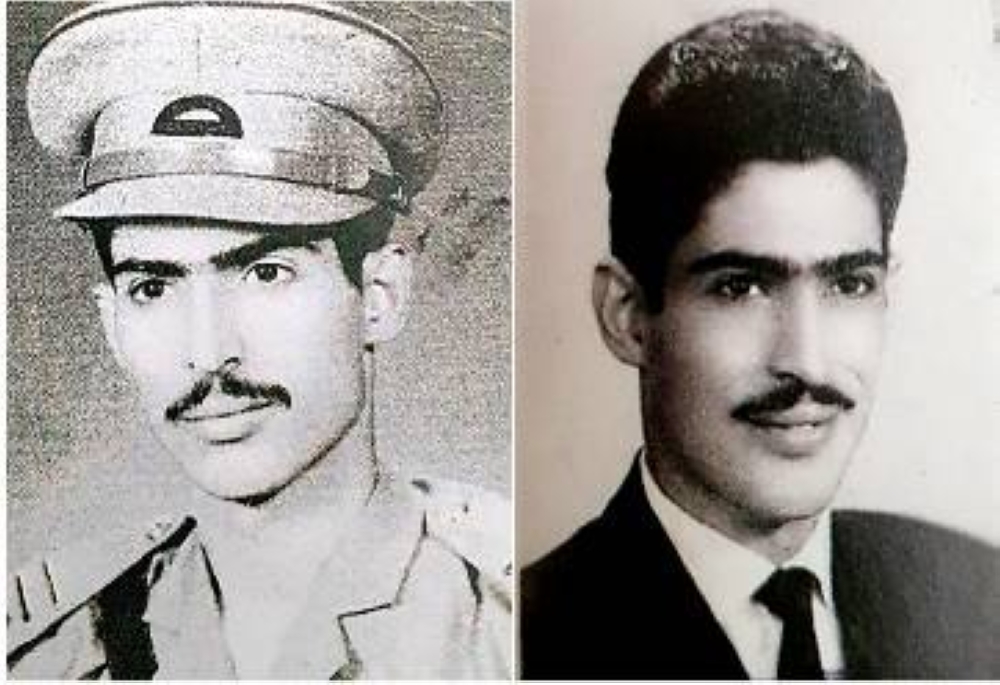
ما سبق كان توطئة للحديث عن أول شاب قطري يُسجل كطالب بالمعهد العالي للتربية الرياضية للبنين في القاهرة، وإنْ لم يواصل دراسته فيه، لأسباب سنتبينها لاحقاً، وأول قطري ينال بكالوريوس التربية الرياضية من جامعة بغداد. هذا الشاب هو «أحمد بن علي بن أحمد الأنصاري».
والده هو السيد علي بن أحمد الأنصاري، أول وزير للعمل والشؤون الاجتماعية في دولة قطر في التشكيلة الوزارية الأولى بعد الاستقلال برئاسة الشيخ خليفة بن حمد آل ثاني رحمه الله، ويُعتبر من رجالات قطر المشهود لهم بالكفاءة والانضباط والسيرة العطرة المعجونة بالكفاح من أجل الارتقاء بالذات، حيث تنقل في شبابه من بلد إلى بلد سعياً وراء التعليم والرزق الحلال والخبرة، فعاش ودرس وعمل في البحرين والمملكة العربية السعودية. وفي الأخيرة عمل مسؤولاً في جماركها. كما أنه عمل مديراً لجمارك زكريت ومديراً لجوازات قطر، ولذا عُرف في الأوساط الشعبية باسم «علي المدير».
يخبرنا الأنصاري (المترجَم له)، في كتاب صغير من 148 صفحة، أصدره في عام 2021 بعنوان «الشباب وحديث الذكريات»، أن والده كان حريصاً على تعليم أولاده وإلحاقهم بأفضل المدارس، منذ أن كان يعمل مديراً لجمرك «زكريت» القريبة من حقول النفط في دخان، والواقعة على بعد 90 كيلومتراً شمال غرب الدوحة. وبما أن قطر كانت وقتذاك (الأربعينات الميلادية) خالية من المدارس، فقد اصطحبه والده للدراسة في البحرين، التي كان يعرفها حق المعرفة لأنه (أي والده) درس هناك في طفولته وشبابه. ويستطرد الأنصاري فيقول، إنه وإخوته رفضوا الالتحاق بإحدى المدارس الابتدائية في البحرين، وخافوا من التغرب بسبب صغر سنهم. ولهذا اقترح والدهم الكويت بديلاً عن البحرين، لكن النتيجة كانت نفسها. ما حدث بعد ذلك أن والدهم قرر أن يذهب بهم إلى مدارس داخلية في لبنان، لكنه التقى صدفة في الكويت بأحد معارفه الكثر من رجالات الدولة السعودية، فاقترح الأخير عليه أن يصرف النظر عن لبنان، ويلحق أولاده بمدرسة معينة معروفة في البصرة. ولم يكن صاحب هذا الاقتراح سوى الشيخ محمد الحمد الشبيلي الشهير باسم «السفير أبوسليمان»، كونه عمل في وظائف دبلوماسية رفيعة في المملكة العراقية والهند وباكستان وماليزيا وغيرها. وافق والد المترجَم له على اقتراح الشبيلي، الذي كان وقتها يشغل منصب القنصل السعودي في البصرة، وأودع ابنيه أحمد ومحمد بالقسم الداخلي بمدرسة النجاح الأهلية الابتدائية، على أن يلتحقا أولاً بمرحلة الروضة.
يقول الأنصاري، إنه تعرف على مدير المدرسة السوري الجنسية «فؤاد قومي» وأسرته، وزامل في المدرسة ابنته نهلة قومي التي كانت في سنه، كما تعرف على العديد من العائلات الأخرى المقيمة آنذاك في البصرة ومنها عائلة القنصل الشبيلي، وراح في إجازاته يخرج معهم إلى الحدائق والأسواق والمطاعم والمتنزهات، بينما كان والده يتردد عليهم كلما سنحت له الظروف. واستمر على هذا الحال إلى أن افتُتحت مدرسة ابتدائية في قطر في أوائل الخمسينات زمن الشيخ علي بن عبدالله آل ثاني، الذي طلب من كافة أولياء أمور الطلبة الدارسين في الخارج ــ ومن بينهم والده ــ أن يعيدوا أبناءهم إلى البلاد لإلحاقهم بالمدرسة المؤسسة حديثاً في الدوحة.
وبالفعل عاد أحمد الأنصاري وشقيقه محمد من البصرة، التي طابت لهما الحياة والدراسة فيها لسنوات، من أجل أن يكملا دراستهما الابتدائية والمتوسط والثانوية في قطر.
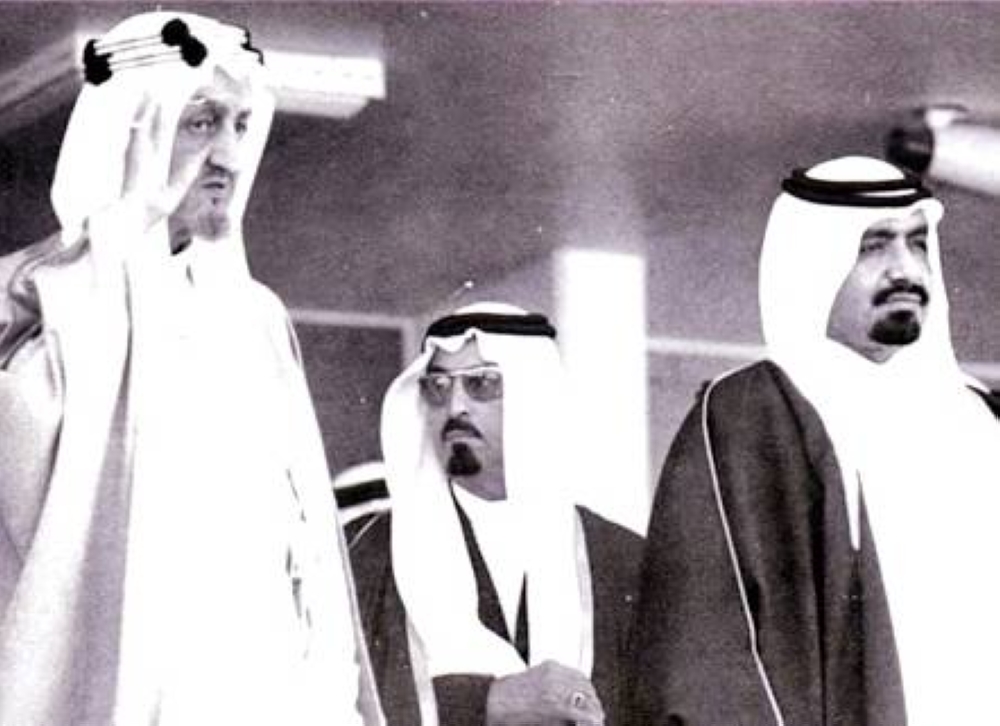
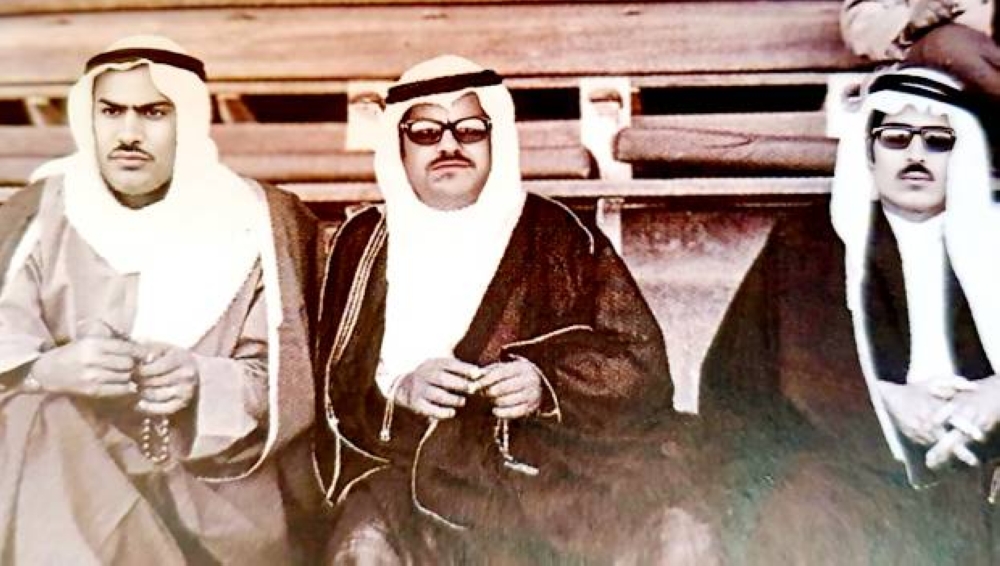
وفي حديثه عن ذكرياته في مدرسته القطرية، أخبرنا أنه مارس مختلف الألعاب الرياضية المتاحة آنذاك، وخصوصاً كرة القدم. وأن الذي شجعه ورعاه وأتاح له فرصة الانضمام إلى فريق المدرسة لكرة القدم هو مدرس لبناني يدعى عمر الخطيب، وهذا بدوره شجعه على الانخراط لاحقاً مع زملائه بهمة ونشاط وتضحيات في عملية تأسيس الأندية الرياضية، ومنها نادي الهلال، الذي تأسس على يده ويد زملائه في خمسينات القرن العشرين بإمكانات بسيطة لكن بطموحات عالية. وكما كان يحدث دائماً في أندية زمان الرياضية، سرعان ما دب الخلاف بين مؤسسي نادي الهلال، فانفصل عنهم الأنصاري مع بعض من رفاقه وراحوا يؤسسون نادياً جديداً تحت اسم «الكفاح»، وهو نادٍ تمت دعوته ــ طبقاً له ــ إلى الدمام في عام 1957 للتباري في كرة القدم مع نادي الاتفاق السعودي (بطل دوري المنطقة الشرقية وقتذاك) على كأس مقدمة من عائلة القصيبي. وفي هذا السياق، أخبرنا أن إمكاناتهم لم تكن تسمح بالسفر إلى الدمام، فراح يطلب المساعدة من نجل الحاكم (الشيخ أحمد بن علي آل ثاني)، الذي أمر لهم بحافلة تنقلهم إلى الدمام، حيث حلوا ضيوفاً على أمير المنطقة الشرقية سعود بن عبدالله بن جلوي، وفازوا على فريق الاتفاق بحضور الملك سعود بن عبدالعزيز رحمه الله الذي تصادف وجوده في المنطقة الشرقية. ويضيف أنه بعد تحقيقهم هذا الفوز وعودتهم إلى الدوحة تمت المصالحة بين نادي الهلال ونادي الكفاح وغيرهما من الأندية كنادي شباب قطر، واجتمع الشمل في كيان رياضي جديد تأسس عام 1958 تحت اسم «نادي الوحدة الرياضي»، وتم اختياره رئيساً للنادي.
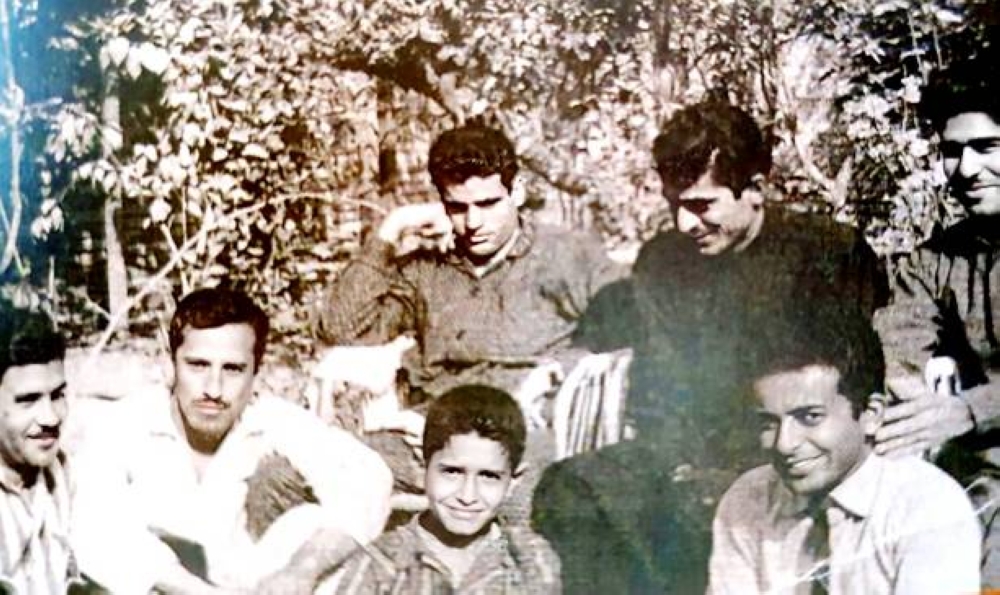
وُلد أحمد الأنصاري في قرية زكريت القطرية في الخامس والعشرين من ديسمبر 1944، ابناً لوالده المثقف ذي الإنجازات الكثيرة إبان عمله وزيراً للعمل والشؤون الاجتماعية، وأنهى دراسته الثانوية في عام 1963، وكان يرغب وقتذاك أن يلتحق بكلية الشرطة في القاهرة، لكن ارتباط قطر في هذه الفترة بمعاهدات الحماية البريطانية حال دون ذلك بحسب كلامه. فسافر إلى مصر لدراسة الحقوق في جامعة القاهرة، التي قبلته فأمضى بها سنة دراسته يتيمة، ثم هجرها لأنه لم يجد نفسه فيها. لكنه أثناء وجوده في كلية الحقوق، تجدد حبه وعشقه للرياضة، فقرر تقديم أوراقه إلى المعهد العالي للتربية الرياضية بالقاهرة. يقول الأنصاري إنه استوفي كافة شروط القبول بما فيها امتحانات اللياقة والقدرات، لكن المعهد حوّل أوراقه إلى المعهد العالي للتربية الرياضية بمنطقة «أبو قير» في الإسكندرية، بحجة عدم توفر مكان له في القاهرة، ولهذا صرف النظر عن الموضوع، خوفاً من وحدة صعبة محتملة في الإسكندرية التي لم يكن يعرف فيها أحداً، ولم يكن بها أي طالب قطري وقتذاك.
العودة إلى الدوحة
عاد الأنصاري إلى الدوحة خالي الوفاض في منتصف عام 1964، فعمل أولاً موظفاً بجوازات «أمسيعيد»، ثم تمّ نقله إلى جوازات مطار الدوحة، حيث عمل لفترة قصيرة. وصادف في هذه المرحلة من حياته أنْ أصدر وزير التربية والتعليم الشيخ قاسم بن حمد آل ثاني قراراً وزارياً يقضي بعدم السماح للقطريين من حملة شهادات الثانوية العامة بالعمل، وبضرورة ذهابهم إلى الخارج لمواصلة دراستهم الجامعية على نفقة الدولة. ولحسن حظ الأنصاري، كانت هناك في عام 1964 بعثة دراسية إلى بغداد للمرة الأولى، مكونة من 19 مبتعثاً، وذلك للتخصص في مختلف العلوم بجامعة بغداد، ومنها تخصص التربية الرياضية. وهكذا انضم الأنصاري إلى البعثة ليكون المبتعث رقم 20، وتخرج في عام 1968 حاملاً درجة البكالوريوس، فكان أول مواطن قطري يحمل تلك الشهادة في تخصص التربية البدنية والرياضية.
في أعقاب عودته إلى بلاده مكللاً بشهادته، والكثير من المعارف الجانبية والتجارب الثرية التي راكمها خلال سنواته البغدادية، التحق بوزارة التربية والتعليم كمدرس لمادة التربية البدنية، ثم تمت ترقيته الى وظيفة مفتش للتربية الرياضية في عام 1970، كما شغل منصب مندوب دولي للكشافة القطرية، ومنصب مدير عام إدارة رعاية الشباب، ومنصب نائب رئيس الاتحاد القطري لكرة القدم.
وإبان عمله مدرساً، عاد إلى ناديه الرياضي (الوحدة) مدرباً لفريقه الأول في كرة القدم، كما مارس التحكيم في الدوري القطري العام لكرة القدم، ناهيك عن لعبه مباراة واحدة مع المنتخب الوطني لكرة القدم سنة 1968. علاوة على ذلك كله انشغل الأنصاري بالإعلام الرياضي المرئي، فقدم في الفترة من 1969 إلى 1970 من تلفزيون قطر برنامجاً تلفزيونياً يُعنى بالشباب والرياضة. ومن جانب آخر، كانت للأنصاري مساهمات مشهودة في وضع اللوائح والتنظيمات والقوانين الخاصة بالشأنين الرياضي والكشفي، من خلال عضويته في العديد من اللجان والاتحادات الرياضية المحلية والعربية والإقليمية.
ميدالية القادة من وزراء الشباب العرب
أثمر نشاط الأنصاري الطويل والناصع في المجال الرياضي عن حصوله على العديد من الجوائز والأوسمة وشهادات التقدير والتكريم، ومن أهمها ميدالية القادة من مجلس وزراء الشباب العرب، ودرع اليوبيل الفضي بمناسبة مرور 25 سنة على تأسيسه، في عام 2003، الميدالية الذهبية وشهادة التقدير من اللجنة العليا المنظمة لكأس الخليج العشرين بصنعاء سنة 2021، وشاح الامتياز لكبار القادة الرياضيين في دول مجلس التعاون الخليجي، في البحرين سنة 2013 شهادة تقدير من وزارة التربية والتعليم العالي القطرية في عام 2001 نظير جهوده في إثراء الحركة الرياضية المدرسية.
في أواخر الستينات، عاوده الحنين إلى الدراسة، فذهب إلى مصر مجدداً، لكن هذه المرة لدراسة الاقتصاد والعلوم السياسية بجامعة القاهرة، التي حصل منها على درجة البكالوريوس في عام 1969. ولهذا انتقل للعمل بوزارة الخارجية القطرية، وتدرج في مناصبها إلى أن تم تعيينه في العام 1979 سفيراً لبلاده مقيماً في الباكستان وغير مقيم في جاكرتا وكوالالمبور. وظل كذلك حتى عام 1989 الذي شهد انتقاله إلى مسقط سفيراً لقطر لدى سلطنة عمان حتى عام 1993. بعد ذلك شغل منصب السفير لدى إيران في الفترة من 1993 وحتى 1996، وهو العام الذي نُقل فيه من طهران إلى روما للعمل سفيراً مقيماً لبلاده في إيطاليا، وسفيراً غير مقيم لدى مالطا وجمهورية البوسنة والهرسك حتى عام 2000. والجدير بالذكر هنا، أن أخاه الأصغر، محمد علي أحمد الأنصاري، عمل في الخارجية القطرية أيضاً وأسس سفارة قطر في ألمانيا وقادها كأول سفير من عام 1974 إلى عام 1981، كما تولى قيادة السفارة القطرية في طوكيو.
أحمد علي الأنصاري.. أول قطري يتخصص في التربية الرياضية
19 مايو 2025 - 01:28
|
آخر تحديث 19 مايو 2025 - 01:28


تابع قناة عكاظ على الواتساب
بقلم: د. عبدالله المدني abu_taymour@
Egypt is considered one of the first Arab countries, if not the very first, in establishing colleges for physical education in its numerous universities, almost all of which currently have a college for physical education or sports sciences. The story began in 1937 when the Egyptian Ministry of Education established a department for physical education at the Institute of Education with the aim of preparing teachers for physical education. At that time, the study duration was three years, after which the student would receive a diploma. Then, starting in 1952, the department became part of the College of Education at Al-Urman, and its headquarters moved there, changing its name to "The Higher Institute of Physical Education for Teachers." In 1975, Helwan University was established by Republican Decree No. 70, and the institute joined it under the name "College of Physical Education for Boys," with its headquarters located in the Pyramids area in Giza. This is why it is said that Helwan University has colleges whose history dates back much earlier than the establishment of the university itself.
On the other hand, Helwan University also includes the oldest college for physical education for girls in the Arab world, currently located in the Agouza district of Cairo. Its establishment as a department within Princess Fawzia School (in Al-Zahra Park in front of Cairo Tower) dates back to 1947, but it became an independent institute in the same year under the name "Institute of Physical Education for Girls," supported by the princesses. It later transformed into the "College of Physical Education for Girls" affiliated with Helwan University.
The College of Physical Education and Sports Sciences at the University of Baghdad is the mother college, the oldest, and the most prestigious in the university and in Iraq, as its establishment dates back to 1938 when a special department for physical education was opened at the Higher Teachers' House, before the house and department were affiliated with the University of Baghdad as one of its colleges shortly after its establishment in 1957.
The above was an introduction to discussing the first Qatari young man to enroll as a student at the Higher Institute of Physical Education for Boys in Cairo, even though he did not continue his studies there for reasons that will be clarified later, and the first Qatari to obtain a Bachelor’s degree in physical education from the University of Baghdad. This young man is "Ahmed bin Ali bin Ahmed Al-Ansari."
His father is Mr. Ali bin Ahmed Al-Ansari, the first Minister of Labor and Social Affairs in the State of Qatar in the first ministerial formation after independence, headed by Sheikh Khalifa bin Hamad Al Thani, may God have mercy on him. He is considered one of the prominent figures in Qatar known for his competence, discipline, and a commendable history intertwined with the struggle for self-improvement, as he moved in his youth from country to country in pursuit of education, lawful livelihood, and experience, living, studying, and working in Bahrain and the Kingdom of Saudi Arabia. In the latter, he worked as an official in its customs. He also served as the Director of the Zekreet Customs and the Director of Passports in Qatar, which is why he was known in popular circles as "Ali the Director."
Al-Ansari (the subject of the translation) tells us in a small book of 148 pages, published in 2021 titled "Youth and Memories," that his father was keen on educating his children and enrolling them in the best schools, since he was working as the Director of the Zekreet Customs near the oil fields in Dukhan, located 90 kilometers northwest of Doha. Since Qatar was at that time (the 1940s) devoid of schools, his father took him to study in Bahrain, which he knew well because (his father) had studied there in his childhood and youth. Al-Ansari continues, saying that he and his siblings refused to enroll in one of the primary schools in Bahrain, fearing the alienation due to their young age. Therefore, their father suggested Kuwait as an alternative to Bahrain, but the result was the same. What happened next was that their father decided to take them to boarding schools in Lebanon, but he coincidentally met in Kuwait one of his many acquaintances from Saudi state officials, who suggested that he disregard Lebanon and enroll his children in a specific well-known school in Basra. The proposer was none other than Sheikh Mohammed Al-Hamoud Al-Shubaily, famously known as "Ambassador Abu Suleiman," as he had held high diplomatic positions in Iraq, India, Pakistan, Malaysia, and others. The father of the translator agreed to Al-Shubaily's suggestion, who was then the Saudi consul in Basra, and enrolled his sons Ahmed and Mohammed in the boarding section of Al-Najah Private Primary School, with the condition that they first join the kindergarten stage.
Al-Ansari says that he got to know the school's Syrian director "Fouad Qoumi" and his family, and he was in school with his daughter Nahla Qoumi, who was of his age, as well as many other families residing at that time in Basra, including the family of Consul Al-Shubaily. During his vacations, he would go out with them to parks, markets, restaurants, and amusement parks, while his father would visit them whenever circumstances allowed. This continued until an elementary school was opened in Qatar in the early 1950s during the time of Sheikh Ali bin Abdullah Al Thani, who requested that all parents of students studying abroad — including his father — return their children to the country to enroll them in the newly established school in Doha.
Indeed, Ahmed Al-Ansari and his brother Mohammed returned from Basra, where they had enjoyed life and study for years, to complete their elementary, intermediate, and secondary education in Qatar.
In discussing his memories of his Qatari school, he told us that he practiced various sports available at that time, especially football. The one who encouraged and supported him and gave him the opportunity to join the school football team was a Lebanese teacher named Omar Al-Khatib, who in turn encouraged him to later engage with his peers with enthusiasm, activity, and sacrifices in the process of establishing sports clubs, including Al-Hilal Club, which was founded by him and his colleagues in the 1950s with simple resources but high ambitions. As often happens in sports clubs of the past, disagreements soon arose among the founders of Al-Hilal Club, leading Al-Ansari to separate from them with some of his friends and establish a new club under the name "Al-Kifah," which was invited — according to him — to Dammam in 1957 to compete in football with Al-Ettifaq Club (the champion of the Eastern Province League at that time) for a cup presented by the Al-Qusaybi family. In this context, he told us that their resources did not allow them to travel to Dammam, so he sought help from the son of the ruler (Sheikh Ahmed bin Ali Al Thani), who ordered them a bus to take them to Dammam, where they were hosted by the Emir of the Eastern Province, Saud bin Abdullah bin Jalawi, and they won against Al-Ettifaq team in the presence of King Saud bin Abdulaziz, may God have mercy on him, who happened to be in the Eastern Province. He added that after achieving this victory and returning to Doha, reconciliation took place between Al-Hilal Club and Al-Kifah Club and other clubs like Qatar Youth Club, and they united in a new sports entity established in 1958 under the name "Al-Wahda Sports Club," and he was chosen as the president of the club.
Ahmed Al-Ansari was born in the Qatari village of Zekreet on December 25, 1944, to his cultured father with many achievements during his tenure as Minister of Labor and Social Affairs. He completed his secondary education in 1963 and at that time wished to join the Police College in Cairo, but Qatar's connection to British protection treaties at that time prevented that, according to his words. He traveled to Egypt to study law at Cairo University, which accepted him, and he spent a year there, then left it because he did not find himself in it. However, while he was at the Faculty of Law, his love and passion for sports was rekindled, so he decided to submit his papers to the Higher Institute of Physical Education in Cairo. Al-Ansari states that he met all the admission requirements, including fitness and aptitude tests, but the institute transferred his papers to the Higher Institute of Physical Education in Abu Qir in Alexandria, claiming that there was no available place for him in Cairo. Therefore, he disregarded the matter, fearing a potentially difficult solitude in Alexandria, where he did not know anyone, and there were no Qatari students there at that time.
Return to Doha
Al-Ansari returned to Doha empty-handed in mid-1964, initially working as an employee at the "Umm Said" Passports, then he was transferred to Doha Airport Passports, where he worked for a short period. At this stage of his life, it coincided that the Minister of Education Sheikh Qassim bin Hamad Al Thani issued a ministerial decision prohibiting Qataris with high school certificates from working and requiring them to go abroad to continue their university studies at the state's expense. Fortunately for Al-Ansari, there was in 1964 a scholarship to Baghdad for the first time, consisting of 19 students, to specialize in various sciences at the University of Baghdad, including physical education. Thus, Al-Ansari joined the scholarship to become the 20th student, graduating in 1968 with a Bachelor’s degree, becoming the first Qatari citizen to hold that degree in physical education and sports specialization.
Following his return to his country adorned with his degree and many side knowledge and rich experiences accumulated during his years in Baghdad, he joined the Ministry of Education as a physical education teacher, then was promoted to the position of inspector for physical education in 1970. He also held the position of international representative for Qatari scouting, Director General of Youth Care, and Vice President of the Qatar Football Association.
While working as a teacher, he returned to his sports club (Al-Wahda) as a coach for its first football team, and he also refereed in the Qatari General Football League, not to mention playing one match with the national football team in 1968. In addition to all of this, Al-Ansari was involved in visual sports media, presenting a television program concerned with youth and sports on Qatar Television from 1969 to 1970. On another note, Al-Ansari made notable contributions to establishing regulations and laws related to sports and scouting through his membership in many local, Arab, and regional sports committees and federations.
Leaders' Medal from Arab Youth Ministers
Al-Ansari's long and bright activity in the sports field resulted in him receiving many awards, medals, and certificates of appreciation and honor, the most important of which are the Leaders' Medal from the Council of Arab Youth Ministers, the Silver Jubilee Shield on the occasion of the 25th anniversary of its establishment in 2003, the gold medal and certificate of appreciation from the Supreme Organizing Committee for the 20th Gulf Cup in Sana'a in 2021, the Excellence Ribbon for senior sports leaders in the Gulf Cooperation Council countries in Bahrain in 2013, and a certificate of appreciation from the Qatari Ministry of Education and Higher Education in 2001 for his efforts in enriching the school sports movement.
In the late 1960s, he felt nostalgic for studying again, so he went back to Egypt, but this time to study economics and political science at Cairo University, from which he obtained a Bachelor’s degree in 1969. Therefore, he moved to work at the Qatari Ministry of Foreign Affairs, where he rose through its ranks until he was appointed in 1979 as his country's ambassador residing in Pakistan and non-resident in Jakarta and Kuala Lumpur. He remained so until 1989, when he moved to Muscat as Qatar's ambassador to the Sultanate of Oman until 1993. After that, he held the position of ambassador to Iran from 1993 to 1996, the year he was transferred from Tehran to Rome to work as his country's resident ambassador in Italy, and a non-resident ambassador to Malta and the Republic of Bosnia and Herzegovina until 2000. It is worth mentioning here that his younger brother, Mohammed Ali Ahmed Al-Ansari, also worked in the Qatari Foreign Ministry and established the Qatari embassy in Germany, leading it as the first ambassador from 1974 to 1981, and he also headed the Qatari embassy in Tokyo.
On the other hand, Helwan University also includes the oldest college for physical education for girls in the Arab world, currently located in the Agouza district of Cairo. Its establishment as a department within Princess Fawzia School (in Al-Zahra Park in front of Cairo Tower) dates back to 1947, but it became an independent institute in the same year under the name "Institute of Physical Education for Girls," supported by the princesses. It later transformed into the "College of Physical Education for Girls" affiliated with Helwan University.
The College of Physical Education and Sports Sciences at the University of Baghdad is the mother college, the oldest, and the most prestigious in the university and in Iraq, as its establishment dates back to 1938 when a special department for physical education was opened at the Higher Teachers' House, before the house and department were affiliated with the University of Baghdad as one of its colleges shortly after its establishment in 1957.
The above was an introduction to discussing the first Qatari young man to enroll as a student at the Higher Institute of Physical Education for Boys in Cairo, even though he did not continue his studies there for reasons that will be clarified later, and the first Qatari to obtain a Bachelor’s degree in physical education from the University of Baghdad. This young man is "Ahmed bin Ali bin Ahmed Al-Ansari."
His father is Mr. Ali bin Ahmed Al-Ansari, the first Minister of Labor and Social Affairs in the State of Qatar in the first ministerial formation after independence, headed by Sheikh Khalifa bin Hamad Al Thani, may God have mercy on him. He is considered one of the prominent figures in Qatar known for his competence, discipline, and a commendable history intertwined with the struggle for self-improvement, as he moved in his youth from country to country in pursuit of education, lawful livelihood, and experience, living, studying, and working in Bahrain and the Kingdom of Saudi Arabia. In the latter, he worked as an official in its customs. He also served as the Director of the Zekreet Customs and the Director of Passports in Qatar, which is why he was known in popular circles as "Ali the Director."
Al-Ansari (the subject of the translation) tells us in a small book of 148 pages, published in 2021 titled "Youth and Memories," that his father was keen on educating his children and enrolling them in the best schools, since he was working as the Director of the Zekreet Customs near the oil fields in Dukhan, located 90 kilometers northwest of Doha. Since Qatar was at that time (the 1940s) devoid of schools, his father took him to study in Bahrain, which he knew well because (his father) had studied there in his childhood and youth. Al-Ansari continues, saying that he and his siblings refused to enroll in one of the primary schools in Bahrain, fearing the alienation due to their young age. Therefore, their father suggested Kuwait as an alternative to Bahrain, but the result was the same. What happened next was that their father decided to take them to boarding schools in Lebanon, but he coincidentally met in Kuwait one of his many acquaintances from Saudi state officials, who suggested that he disregard Lebanon and enroll his children in a specific well-known school in Basra. The proposer was none other than Sheikh Mohammed Al-Hamoud Al-Shubaily, famously known as "Ambassador Abu Suleiman," as he had held high diplomatic positions in Iraq, India, Pakistan, Malaysia, and others. The father of the translator agreed to Al-Shubaily's suggestion, who was then the Saudi consul in Basra, and enrolled his sons Ahmed and Mohammed in the boarding section of Al-Najah Private Primary School, with the condition that they first join the kindergarten stage.
Al-Ansari says that he got to know the school's Syrian director "Fouad Qoumi" and his family, and he was in school with his daughter Nahla Qoumi, who was of his age, as well as many other families residing at that time in Basra, including the family of Consul Al-Shubaily. During his vacations, he would go out with them to parks, markets, restaurants, and amusement parks, while his father would visit them whenever circumstances allowed. This continued until an elementary school was opened in Qatar in the early 1950s during the time of Sheikh Ali bin Abdullah Al Thani, who requested that all parents of students studying abroad — including his father — return their children to the country to enroll them in the newly established school in Doha.
Indeed, Ahmed Al-Ansari and his brother Mohammed returned from Basra, where they had enjoyed life and study for years, to complete their elementary, intermediate, and secondary education in Qatar.
In discussing his memories of his Qatari school, he told us that he practiced various sports available at that time, especially football. The one who encouraged and supported him and gave him the opportunity to join the school football team was a Lebanese teacher named Omar Al-Khatib, who in turn encouraged him to later engage with his peers with enthusiasm, activity, and sacrifices in the process of establishing sports clubs, including Al-Hilal Club, which was founded by him and his colleagues in the 1950s with simple resources but high ambitions. As often happens in sports clubs of the past, disagreements soon arose among the founders of Al-Hilal Club, leading Al-Ansari to separate from them with some of his friends and establish a new club under the name "Al-Kifah," which was invited — according to him — to Dammam in 1957 to compete in football with Al-Ettifaq Club (the champion of the Eastern Province League at that time) for a cup presented by the Al-Qusaybi family. In this context, he told us that their resources did not allow them to travel to Dammam, so he sought help from the son of the ruler (Sheikh Ahmed bin Ali Al Thani), who ordered them a bus to take them to Dammam, where they were hosted by the Emir of the Eastern Province, Saud bin Abdullah bin Jalawi, and they won against Al-Ettifaq team in the presence of King Saud bin Abdulaziz, may God have mercy on him, who happened to be in the Eastern Province. He added that after achieving this victory and returning to Doha, reconciliation took place between Al-Hilal Club and Al-Kifah Club and other clubs like Qatar Youth Club, and they united in a new sports entity established in 1958 under the name "Al-Wahda Sports Club," and he was chosen as the president of the club.
Ahmed Al-Ansari was born in the Qatari village of Zekreet on December 25, 1944, to his cultured father with many achievements during his tenure as Minister of Labor and Social Affairs. He completed his secondary education in 1963 and at that time wished to join the Police College in Cairo, but Qatar's connection to British protection treaties at that time prevented that, according to his words. He traveled to Egypt to study law at Cairo University, which accepted him, and he spent a year there, then left it because he did not find himself in it. However, while he was at the Faculty of Law, his love and passion for sports was rekindled, so he decided to submit his papers to the Higher Institute of Physical Education in Cairo. Al-Ansari states that he met all the admission requirements, including fitness and aptitude tests, but the institute transferred his papers to the Higher Institute of Physical Education in Abu Qir in Alexandria, claiming that there was no available place for him in Cairo. Therefore, he disregarded the matter, fearing a potentially difficult solitude in Alexandria, where he did not know anyone, and there were no Qatari students there at that time.
Return to Doha
Al-Ansari returned to Doha empty-handed in mid-1964, initially working as an employee at the "Umm Said" Passports, then he was transferred to Doha Airport Passports, where he worked for a short period. At this stage of his life, it coincided that the Minister of Education Sheikh Qassim bin Hamad Al Thani issued a ministerial decision prohibiting Qataris with high school certificates from working and requiring them to go abroad to continue their university studies at the state's expense. Fortunately for Al-Ansari, there was in 1964 a scholarship to Baghdad for the first time, consisting of 19 students, to specialize in various sciences at the University of Baghdad, including physical education. Thus, Al-Ansari joined the scholarship to become the 20th student, graduating in 1968 with a Bachelor’s degree, becoming the first Qatari citizen to hold that degree in physical education and sports specialization.
Following his return to his country adorned with his degree and many side knowledge and rich experiences accumulated during his years in Baghdad, he joined the Ministry of Education as a physical education teacher, then was promoted to the position of inspector for physical education in 1970. He also held the position of international representative for Qatari scouting, Director General of Youth Care, and Vice President of the Qatar Football Association.
While working as a teacher, he returned to his sports club (Al-Wahda) as a coach for its first football team, and he also refereed in the Qatari General Football League, not to mention playing one match with the national football team in 1968. In addition to all of this, Al-Ansari was involved in visual sports media, presenting a television program concerned with youth and sports on Qatar Television from 1969 to 1970. On another note, Al-Ansari made notable contributions to establishing regulations and laws related to sports and scouting through his membership in many local, Arab, and regional sports committees and federations.
Leaders' Medal from Arab Youth Ministers
Al-Ansari's long and bright activity in the sports field resulted in him receiving many awards, medals, and certificates of appreciation and honor, the most important of which are the Leaders' Medal from the Council of Arab Youth Ministers, the Silver Jubilee Shield on the occasion of the 25th anniversary of its establishment in 2003, the gold medal and certificate of appreciation from the Supreme Organizing Committee for the 20th Gulf Cup in Sana'a in 2021, the Excellence Ribbon for senior sports leaders in the Gulf Cooperation Council countries in Bahrain in 2013, and a certificate of appreciation from the Qatari Ministry of Education and Higher Education in 2001 for his efforts in enriching the school sports movement.
In the late 1960s, he felt nostalgic for studying again, so he went back to Egypt, but this time to study economics and political science at Cairo University, from which he obtained a Bachelor’s degree in 1969. Therefore, he moved to work at the Qatari Ministry of Foreign Affairs, where he rose through its ranks until he was appointed in 1979 as his country's ambassador residing in Pakistan and non-resident in Jakarta and Kuala Lumpur. He remained so until 1989, when he moved to Muscat as Qatar's ambassador to the Sultanate of Oman until 1993. After that, he held the position of ambassador to Iran from 1993 to 1996, the year he was transferred from Tehran to Rome to work as his country's resident ambassador in Italy, and a non-resident ambassador to Malta and the Republic of Bosnia and Herzegovina until 2000. It is worth mentioning here that his younger brother, Mohammed Ali Ahmed Al-Ansari, also worked in the Qatari Foreign Ministry and established the Qatari embassy in Germany, leading it as the first ambassador from 1974 to 1981, and he also headed the Qatari embassy in Tokyo.