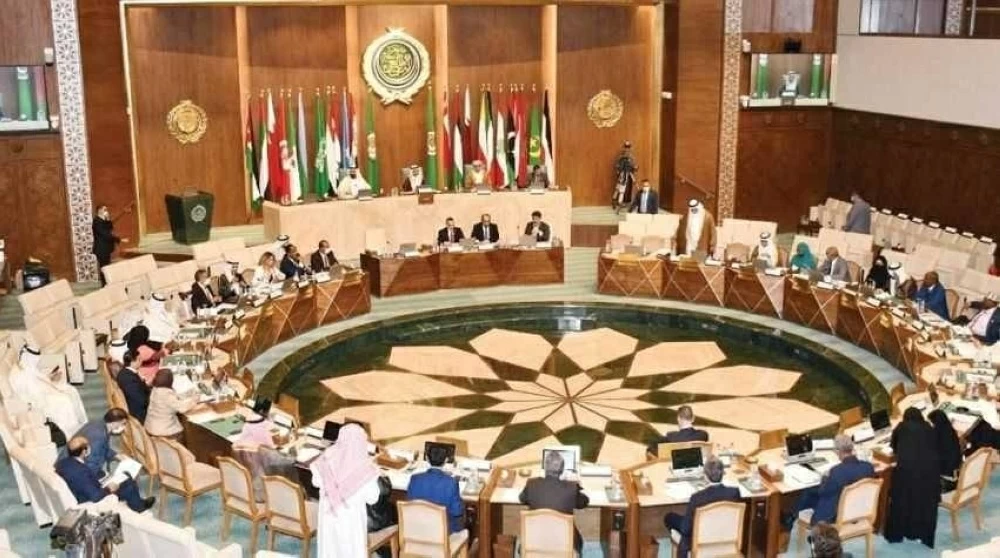
أطلق البرلمان العربي خطة تحرك إقليمية ودولية واسعة تستهدف محاصرة ميليشيا الحوثي سياسياً ومالياً وقضائياً، وحشد التأييد الدولي لتصنيفها منظمة إرهابية، على خلفية اعتداءاتها المتكررة على المملكة العربية السعودية وتهديداتها للأمن الإقليمي والدولي.
وتقوم الخطة، وفقاً لبيان صادر عن البرلمان العربي اليوم (الجمعة)، على تحركات برلمانية منسقة عبر أربعة مسارات رئيسية، تستهدف نقل الموقف العربي من إدانة الاعتداءات الحوثية إلى تحرك دولي منظم لتقييد قدرات الميليشيا، وتجفيف مصادر تمويلها وتسليحها، وملاحقة المسؤولين عن الانتهاكات المنسوبة إليها أمام جهات العدالة الدولية.
ويستهدف المسار الأول، وهو الدبلوماسي، الوصول إلى عواصم صنع القرار الدولي، من خلال التواصل المباشر مع برلمانات الدول الخمس دائمة العضوية في مجلس الأمن، وهي الولايات المتحدة وروسيا والصين وبريطانيا وفرنسا، لحشد موقف دولي مساند للتحرك العربي، والضغط لاتخاذ إجراءات حازمة لوقف الاعتداءات الحوثية ومحاسبة المسؤولين عنها، إلى جانب التصدي لمصادر الدعم والتمويل والتسليح التي تمكن الميليشيا من مواصلة أنشطتها العسكرية.
تحرك لتصنيف الحوثيين منظمة إرهابية
أما المسار الثاني، السياسي والأمني، فيركز على تفعيل الدبلوماسية البرلمانية لحشد التأييد الإقليمي والدولي لتصنيف الحوثيين منظمة إرهابية لدى الدول والمنظمات التي لم تتخذ هذه الخطوة بعد، وفي مقدمتها الاتحاد الأوروبي.
وفي هذا الإطار، يعتزم البرلمان العربي التواصل المباشر مع رئاسة البرلمان الأوروبي والممثلة العليا للاتحاد الأوروبي للشؤون الخارجية والسياسة الأمنية، لحث المؤسسات الأوروبية المختصة على استكمال الإجراءات القانونية اللازمة لإدراج الميليشيا على قوائم التنظيمات الإرهابية، وتوسيع العقوبات والتدابير التقييدية المفروضة على قياداتها والكيانات المرتبطة بها.
وتشمل التدابير المستهدفة تجميد الأصول والأموال، وفرض قيود على التعاملات المالية، بما يحرم الميليشيا من الموارد التي تستخدمها في تمويل أنشطتها العسكرية وعملياتها التي تهدد أمن المنطقة واستقرارها.
ويكتسب التحرك الأوروبي أهمية خاصة في ظل سعي البرلمان العربي إلى توسيع نطاق الضغوط الدولية على الحوثيين، خصوصاً أن إدراج أي جهة جديدة على قائمة الاتحاد الأوروبي للإرهاب يخضع لإجراءات قانونية محددة، من بينها وجود قرار سابق من سلطة مختصة في دولة عضو أو دولة ثالثة بشأن التحقيق أو الملاحقة أو الإدانة على خلفية نشاط إرهابي، فيما تشمل العقوبات الأوروبية تجميد الأموال والأصول وحظر إتاحة الموارد المالية للجهات المدرجة.
ملف للجنائية الدولية عن جرائم الحوثيين
وفي تطور لافت، يتضمن المسار الثالث، القضائي، تحركاً لتفعيل آليات العدالة الدولية والمساءلة القانونية، من خلال إعداد ملف قانوني شامل وموثق بشأن الانتهاكات والاعتداءات المنسوبة إلى الحوثيين، والتي يرى البرلمان العربي أنها ترقى إلى جرائم حرب وغيرها من الجرائم الداخلة في اختصاص المحكمة الجنائية الدولية.
وتستهدف الخطة تقديم بلاغ إلى مكتب المدعي العام للمحكمة الجنائية الدولية، استناداً إلى ما يتضمنه الملف من وقائع وأدلة، إلى جانب حث الدول المعنية على استخدام الآليات القانونية المتاحة لملاحقة المسؤولين عن تلك الانتهاكات ومحاسبتهم، بما يحول دون إفلاتهم من العقاب.
وعلى الصعيد الاقتصادي، يستهدف المسار الرابع حشد الدعم الإقليمي والدولي لاتخاذ تدابير عملية لتجفيف منابع تمويل وتسليح الحوثيين، من خلال ملاحقة شبكات التمويل والتهريب والواجهات التجارية، ورصد التحويلات المالية المتورطة في دعم أنشطتهم العسكرية، وقطع قنوات الإمداد التي تتيح للميليشيا الحصول على الأموال والأسلحة والمعدات.
وتأتي هذه الخطة في ظل تصاعد المخاوف العربية من امتداد تهديدات الحوثيين إلى ما وراء الساحة اليمنية، خصوصاً في ضوء الاعتداءات التي تستهدف الأراضي السعودية والمنشآت المدنية والاقتصادية والحيوية، فضلاً عن التهديدات التي تطال السفن التجارية والممرات البحرية الإستراتيجية.
إدانات متكررة لجرائم الحوثيين
وكان البرلمان العربي قد أدان، في 27 أكتوبر الماضي، الهجمات الصاروخية وهجمات الطائرات المسيّرة التي استهدفت منشآت مدنية ومرافق للطاقة ومطارات في المملكة العربية السعودية، كما حذر من الاعتداءات التي تهدد السفن التجارية وأمن الملاحة في البحر الأحمر وخليج عدن ومضيق باب المندب، مطالباً بموقف دولي يتجاوز الإدانة إلى إجراءات عملية لمنع التسليح وتجفيف مصادر التمويل والمساءلة عن الانتهاكات.
ولا تقتصر تداعيات هذه التهديدات، وفق الرؤية التي تنطلق منها الخطة، على أمن المملكة العربية السعودية أو استقرار اليمن، وإنما تمتد إلى أمن الملاحة البحرية والجوية، وسلامة إمدادات الطاقة العالمية، وسلاسل الإمداد وحركة التجارة الدولية، بما يجعل مواجهتها، من وجهة نظر البرلمان العربي، قضية تتجاوز نطاق الأمن الوطني إلى الأمن القومي العربي والسلم والأمن الدوليين.
The Arab Parliament has launched a wide-ranging regional and international action plan aimed at politically, financially, and judicially isolating the Houthi militia, and rallying international support to classify it as a terrorist organization, in light of its repeated attacks on the Kingdom of Saudi Arabia and its threats to regional and international security.
The plan, according to a statement issued by the Arab Parliament today (Friday), is based on coordinated parliamentary movements through four main tracks, aiming to shift the Arab stance from condemning Houthi attacks to organized international action to restrict the militia's capabilities, dry up its funding and armament sources, and pursue those responsible for the violations attributed to it before international justice bodies.
The first track, which is diplomatic, aims to reach the capitals of international decision-making by directly communicating with the parliaments of the five permanent members of the Security Council: the United States, Russia, China, Britain, and France, to rally international support for the Arab initiative and pressure for decisive measures to stop Houthi attacks and hold those responsible accountable, in addition to countering the sources of support, funding, and armament that enable the militia to continue its military activities.
Action to classify the Houthis as a terrorist organization
The second track, political and security, focuses on activating parliamentary diplomacy to rally regional and international support for classifying the Houthis as a terrorist organization among countries and organizations that have not yet taken this step, foremost among them the European Union.
In this context, the Arab Parliament intends to directly communicate with the presidency of the European Parliament and the High Representative of the European Union for Foreign Affairs and Security Policy, urging the relevant European institutions to complete the necessary legal procedures to list the militia on the terrorist organizations' lists, and to expand the sanctions and restrictive measures imposed on its leaders and associated entities.
The targeted measures include freezing assets and funds, and imposing restrictions on financial transactions, depriving the militia of the resources it uses to finance its military activities and operations that threaten the security and stability of the region.
The European initiative gains particular importance in light of the Arab Parliament's efforts to expand the scope of international pressure on the Houthis, especially since listing any new entity on the European Union's terrorism list is subject to specific legal procedures, including the existence of a prior decision from a competent authority in a member state or a third country regarding investigation, prosecution, or conviction based on terrorist activity, while European sanctions include freezing funds and assets and prohibiting the provision of financial resources to listed entities.
A file for the International Criminal Court regarding Houthi crimes
In a notable development, the third track, judicial, includes an initiative to activate international justice mechanisms and legal accountability, by preparing a comprehensive and documented legal file concerning the violations and attacks attributed to the Houthis, which the Arab Parliament believes amount to war crimes and other crimes within the jurisdiction of the International Criminal Court.
The plan aims to submit a report to the Office of the Prosecutor of the International Criminal Court, based on the facts and evidence included in the file, in addition to urging the concerned countries to use the available legal mechanisms to pursue those responsible for these violations and hold them accountable, preventing them from escaping punishment.
On the economic front, the fourth track aims to rally regional and international support to take practical measures to dry up the funding and armament sources of the Houthis, by pursuing financing and smuggling networks and commercial fronts, monitoring financial transfers involved in supporting their military activities, and cutting supply channels that allow the militia to obtain funds, weapons, and equipment.
This plan comes amid rising Arab concerns about the extension of Houthi threats beyond the Yemeni arena, especially in light of the attacks targeting Saudi territory and vital civil and economic facilities, as well as threats to commercial ships and strategic maritime corridors.
Repeated condemnations of Houthi crimes
The Arab Parliament condemned, on October 27, the missile attacks and drone strikes that targeted civilian facilities, energy facilities, and airports in the Kingdom of Saudi Arabia, and warned against the attacks threatening commercial ships and the security of navigation in the Red Sea, Gulf of Aden, and Bab el-Mandeb Strait, calling for an international stance that goes beyond condemnation to practical measures to prevent armament, dry up funding sources, and hold accountable for violations.
The repercussions of these threats, according to the vision from which the plan is derived, are not limited to the security of the Kingdom of Saudi Arabia or the stability of Yemen, but extend to the security of maritime and air navigation, the safety of global energy supplies, and supply chains and international trade movement, making addressing them, from the perspective of the Arab Parliament, a matter that transcends national security to encompass Arab national security and international peace and security.