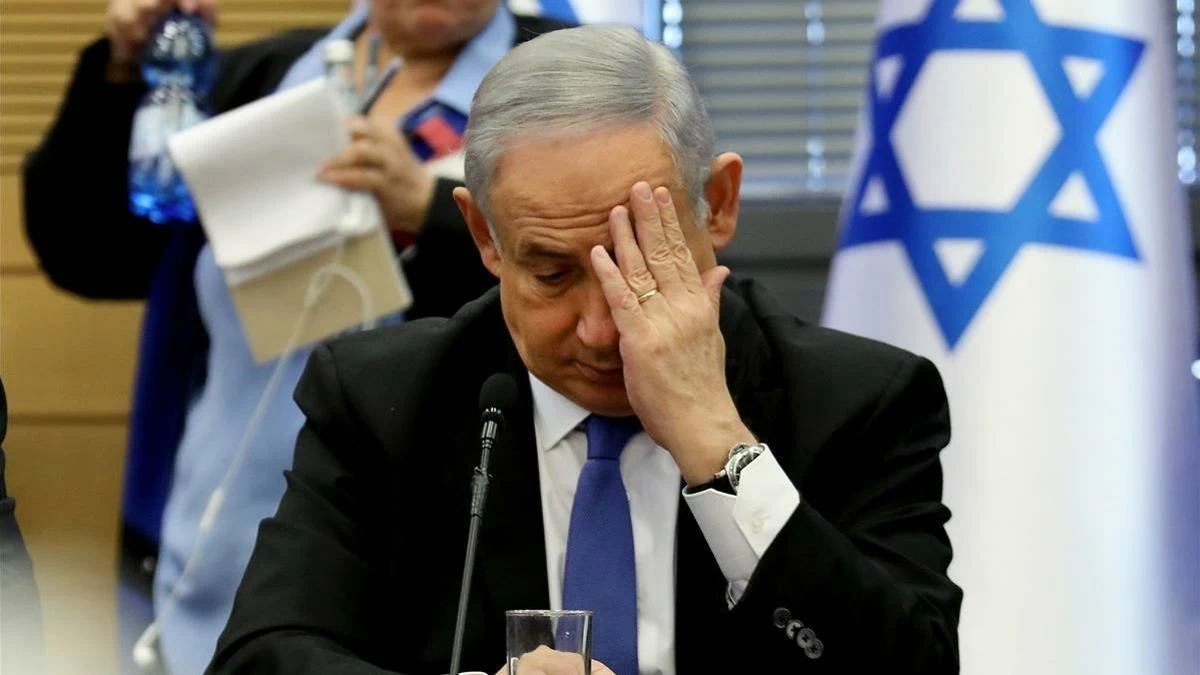
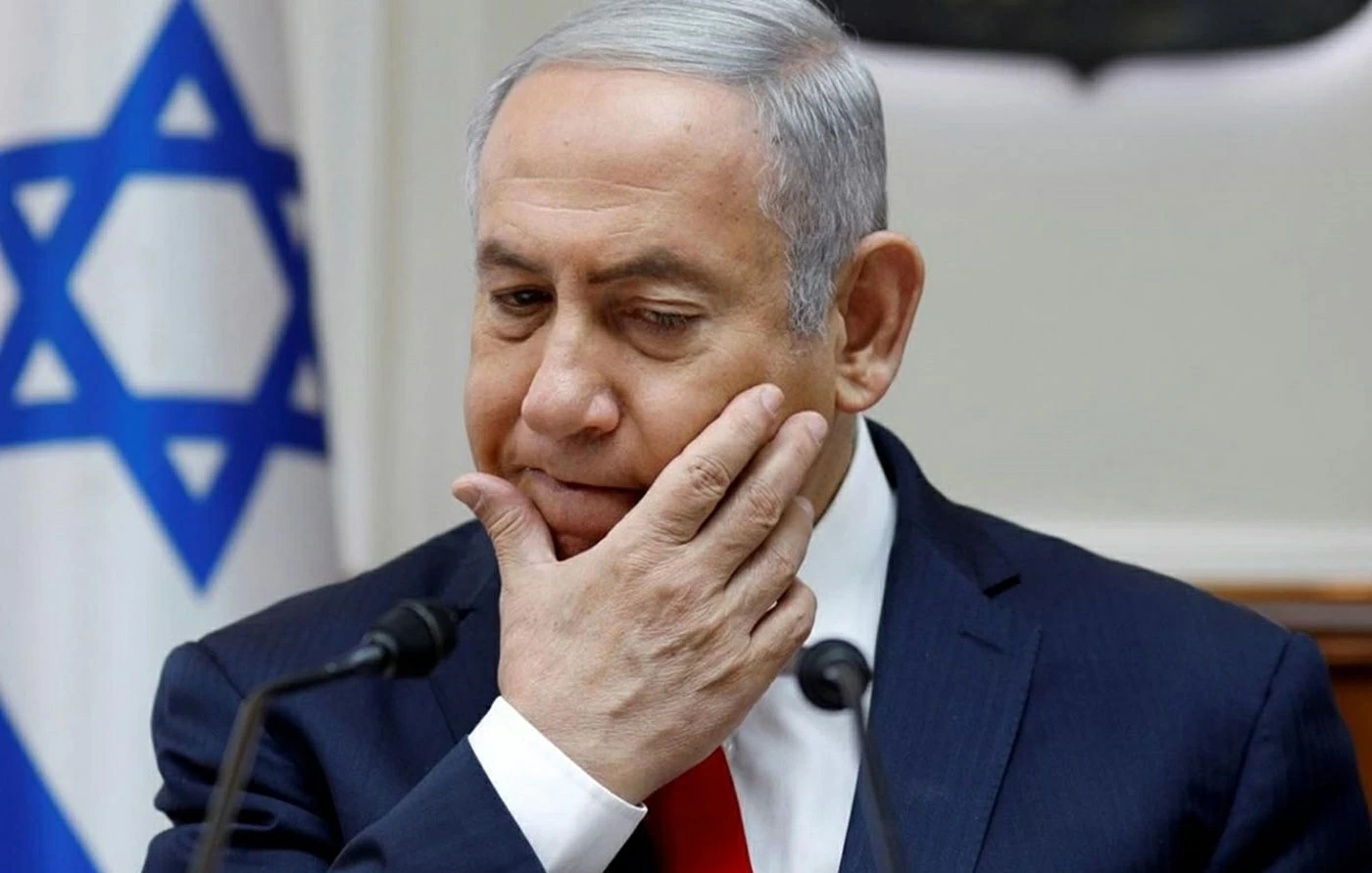
أثار إعلان الرئيس الأمريكي دونالد ترمب عزمه وقف المساعدات الأمريكية لإسرائيل بحلول نهاية العام الحالي تساؤلات وقلقاً داخل المؤسسة الأمنية الإسرائيلية، في ظل غموض بشأن ما إذا كان القرار يعني إنهاء التحويلات المالية فوراً، أم أنه يمهد لتغيير تدريجياً في صيغة التعاون العسكري بين البلدين.
ونقلت القناة 12 الإسرائيلية، مساء (الثلاثاء)، عن مصدر أمني قوله إن الإعلان يثير مخاوف بشأن قدرة إسرائيل على تعويض التمويل الأمريكي، متسائلاً عن مصادر توفير نحو 15 مليار شيكل سنوياً، وانعكاسات ذلك على ميزانية الدفاع وخطط شراء الطائرات المقاتلة القادمة لسلاح الجو.
وأظهرت ردود الفعل الإسرائيلية أن المفاجأة لم تقتصر على حجم المساعدات، بل امتدت إلى توقيت الإعلان وطريقة الكشف عنه، وقال مسؤول رفيع في المؤسسة الأمنية، بحسب هيئة البث الإسرائيلية، إن تل أبيب لم تكن تتوقع هذا الإعلان، رغم استمرار الحوار مع الجانب الأمريكي، مشيراً إلى أن الجهات المهنية لم تتلق بعد تفاصيل رسمية بشأنه، وأنها ستدرس تداعياته.
ونقلت وسائل إعلام إسرائيلية عن مسؤولين في وزارة المالية أن الإعلان فاجأهم أيضاً، خصوصاً ما يتعلق بإمكانية وقف التمويل قبل انتهاء الإطار المتفق عليه بين البلدين، وأثارت هذه التطورات تساؤلات داخل إسرائيل بشأن كيفية سد الفجوة المالية المحتملة، وما إذا كانت الحكومة ستضطر إلى زيادة الإنفاق الدفاعي أو تحميل الموازنة العامة أعباء إضافية.
وكان ترمب قد أعلن، في مقابلة مع قناة «فوكس نيوز» (الثلاثاء)، أن واشنطن ستوقف تقديم نحو 4 مليارات دولار سنوياً لإسرائيل مع نهاية العام، قائلاً إن نتنياهو ناقش معه هذا التوجه قبل أشهر، وإن إسرائيل أصبحت قادرة على شراء حاجاتها العسكرية بنفسها. لكنه لم يقدم تفاصيل تنفيذية بشأن طبيعة التمويل الذي سيشمله الإيقاف أو الآلية القانونية والعملية لتطبيقه.
وتكمن إحدى أبرز نقاط الغموض في أن المساعدات الأمريكية لإسرائيل تستند إلى مذكرة تفاهم موقعة عام 2016، تعهدت واشنطن بموجبها بتقديم 38 مليار دولار على مدى عشر سنوات، تشمل 33 مليار دولار للتمويل العسكري و5 مليارات لأنظمة الدفاع الصاروخي. ويبلغ متوسط المساعدات العسكرية السنوية نحو 3.8 مليار دولار، وكان من المقرر استمرار العمل بالاتفاق حتى عام 2028.
ولذلك، لا يزال من غير الواضح ما إذا كان إعلان ترمب يعني إنهاء الالتزام القائم قبل موعده، أم التوصل إلى تفاهم جديد لتغيير شكل الدعم أو الانتقال تدريجياً من المساعدات المباشرة إلى صفقات شراء أسلحة وتمويل ترتيبات دفاعية أخرى. وأشارت تقارير أمريكية وإسرائيلية إلى أن تنفيذ وقف مبكر للمساعدات قد يواجه تعقيدات تتصل بالاتفاق القائم ودور الكونغرس الأمريكي.
وكان رئيس الوزراء الإسرائيلي بنيامين نتنياهو قد تحدث في أواخر أكتوبر عن ضرورة تقليص اعتماد بلاده على المساعدات العسكرية الأمريكية خلال السنوات القادمة، لكنه لم يعلن آنذاك جدولاً زمنياً لوقفها بنهاية 2026، ويعني ذلك أن هناك تبايناً محتملاً بين التوجه الإسرائيلي المعلن نحو تقليل الاعتماد على واشنطن تدريجياً، وبين الصيغة والتوقيت اللذين تحدث عنهما ترمب.
ولا تقتصر أهمية المساعدات الأمريكية على قيمتها المالية، إذ تمثل ركيزة أساسية في تمويل مشتريات إسرائيل العسكرية، بما في ذلك الطائرات المقاتلة والذخائر ومنظومات الدفاع الصاروخي، كما تسهم في دعم التعاون الصناعي والتكنولوجي بين الجانبين. ومن ثم، فإن أي تغيير في حجمها أو آلية تقديمها قد ينعكس على خطط تحديث الجيش الإسرائيلي وإعادة بناء مخزوناته العسكرية.
وتضع تصريحات ترمب العلاقة الأمنية بين واشنطن وتل أبيب أمام اختبار جديد، في وقت تتزايد فيه النقاشات داخل الولايات المتحدة بشأن حجم الدعم المقدم لإسرائيل وكلفته السياسية والمالية، غير أن الصورة النهائية لمستقبل هذا الدعم ستظل مرتبطة بتوضيحات الإدارة الأمريكية، وموقف الحكومة الإسرائيلية، وما قد تفرضه الاتفاقات القائمة والإجراءات التشريعية الأمريكية من قيود.
The announcement by U.S. President Donald Trump of his intention to halt American aid to Israel by the end of this year has raised questions and concerns within the Israeli security establishment, amid uncertainty about whether the decision means an immediate end to financial transfers or if it paves the way for a gradual change in the military cooperation framework between the two countries.
Israeli Channel 12 reported on Tuesday evening that a security source stated the announcement raises fears about Israel's ability to compensate for American funding, questioning the sources for providing approximately 15 billion shekels annually, and the implications of this on the defense budget and plans for purchasing upcoming fighter jets for the Air Force.
Israeli reactions showed that the surprise was not limited to the amount of aid but extended to the timing of the announcement and the manner in which it was revealed. A senior official in the security establishment told the Israeli Broadcasting Authority that Tel Aviv did not expect this announcement, despite ongoing dialogue with the American side, noting that professional entities had not yet received official details about it and that they would study its implications.
Israeli media reported that officials in the Ministry of Finance were also surprised by the announcement, particularly regarding the possibility of halting funding before the agreed-upon framework between the two countries expires. These developments raised questions within Israel about how to bridge the potential financial gap and whether the government would have to increase defense spending or impose additional burdens on the public budget.
Trump announced in an interview with Fox News on Tuesday that Washington would stop providing about $4 billion annually to Israel by the end of the year, stating that Netanyahu had discussed this direction with him months ago, and that Israel had become capable of purchasing its military needs independently. However, he did not provide executive details regarding the nature of the funding that would be included in the halt or the legal and practical mechanisms for implementing it.
One of the main points of ambiguity lies in the fact that American aid to Israel is based on a memorandum of understanding signed in 2016, under which Washington committed to providing $38 billion over ten years, including $33 billion for military funding and $5 billion for missile defense systems. The average annual military aid is about $3.8 billion, and the agreement was supposed to remain in effect until 2028.
Therefore, it remains unclear whether Trump's announcement means an early termination of the existing commitment or reaching a new understanding to change the form of support or gradually transition from direct aid to arms purchase deals and funding for other defense arrangements. American and Israeli reports indicated that implementing an early halt to aid could face complications related to the existing agreement and the role of the U.S. Congress.
Israeli Prime Minister Benjamin Netanyahu spoke in late October about the necessity of reducing his country's dependence on American military aid in the coming years, but he did not announce a timeline for halting it by the end of 2026. This means that there is a potential discrepancy between the declared Israeli direction towards gradually reducing dependence on Washington and the form and timing discussed by Trump.
The importance of American aid is not limited to its financial value, as it represents a fundamental pillar in financing Israel's military purchases, including fighter jets, munitions, and missile defense systems, and it also contributes to supporting industrial and technological cooperation between the two sides. Therefore, any change in its size or mechanism of delivery may reflect on plans to modernize the Israeli army and rebuild its military stockpiles.
Trump's statements place the security relationship between Washington and Tel Aviv before a new test, at a time when discussions within the United States are increasing regarding the amount of support provided to Israel and its political and financial costs. However, the final picture of the future of this support will remain linked to clarifications from the U.S. administration, the position of the Israeli government, and any constraints that existing agreements and U.S. legislative procedures may impose.