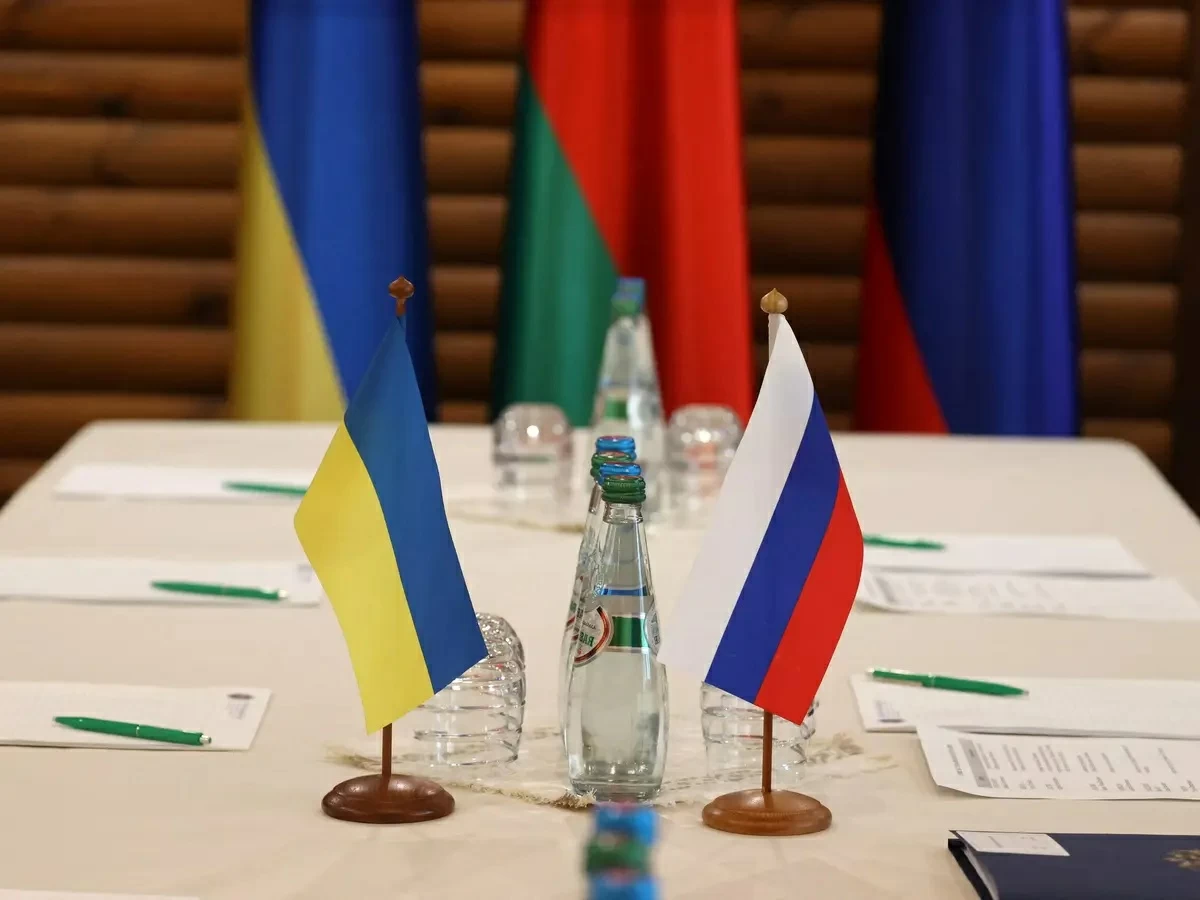
بين تمسك موسكو بضمانات أمنية متبادلة واستبعادها المشاركة الأوروبية المباشرة، تتجه الأنظار إلى جولة المفاوضات الثلاثية المرتقبة بين روسيا والولايات المتحدة وأوكرانيا والمتوقع إقامتها في أبوظبي، وسط خلافات مستمرة بشأن شروط إنهاء الحرب والترتيبات الأمنية التي يمكن أن تمنع تجددها.
وأكد الكرملين أن الضمانات الأمنية لكل من روسيا وأوكرانيا ستكون ضمن الملفات المطروحة في المفاوضات القادمة، مشدداً على ضرورة أن تكون متبادلة، لا مقتصرةً على طرف دون الآخر، في موقف يعكس استمرار التباين بين موسكو وكييف بشأن شكل التسوية المطلوبة لإنهاء الحرب المستمرة منذ فبراير 2022.
وفي تطور موازٍ، أعلن مساعد الرئيس الروسي للشؤون الخارجية يوري أوشاكوف أن ممثلي الدول الأوروبية لن يشاركوا في الجولة القادمة من المحادثات الثلاثية، المتوقع عقدها في أبوظبي خلال نوفمبر، وفق ما نقلته وكالة «رويترز» عن وكالة «إنترفاكس» الروسية. وأوضح أن موعد الجولة لم يُحدد رسمياً حتى الآن.
ويأتي الموقف الروسي في وقت تبرز فيه الضمانات الأمنية بوصفها إحدى أكثر القضايا تعقيداً في مسار التسوية؛ إذ تسعى كييف إلى ترتيبات تحول دون تعرضها لهجوم روسي جديد، فيما تشدد موسكو على ضرورة مراعاة مخاوفها الأمنية في أي اتفاق محتمل.
ولم يكشف الكرملين عن طبيعة الضمانات التي يطالب بها أو عن مقترحات تفصيلية يمكن أن تشكل أساساً للتفاهم بين الطرفين.
وفي سياق الاتصالات السياسية، كشف أوشاكوف أن مشاركة الأوروبيين في المفاوضات لم تُبحث خلال الاتصالين الهاتفيين اللذين أجراهما الرئيس الروسي فلاديمير بوتين، (الثلاثاء)، مع الرئيس الفنلندي ألكسندر ستوب ورئيس الوزراء النرويجي يوناس غار ستوره.
وتناولت المحادثتان الحرب في أوكرانيا والتطورات المرتبطة بها، في ظل استمرار الاتصالات بين موسكو وعدد من العواصم الأوروبية.
من جانبه، أكد ستوره استمرار وجود «خلافات كبيرة» بين بلاده وروسيا بشأن الحرب، موضحاً أن الشركاء والحلفاء أُبلغوا مسبقاً بالاتصال الذي أجراه مع بوتين بالتنسيق مع الرئيس الفنلندي.
في المقابل، نقل رئيس الوزراء البولندي دونالد توسك عن ستوب تقييماً أوروبياً يتسم بـ«التفاؤل المعتدل» إزاء محادثات أبوظبي المرتقبة، دون أن يعني ذلك تحقيق تقدم ملموس أو التوصل إلى تفاهمات معلنة بشأن الملفات الخلافية.
وتبقى التسوية المحتملة رهناً بقدرة موسكو وكييف وواشنطن على تضييق فجوة الخلافات بشأن الضمانات الأمنية والأراضي وشروط إنهاء الحرب، فيما يثير استبعاد الأوروبيين من الجولة القادمة تساؤلات بشأن دورهم في أي ترتيبات أمنية وسياسية قد تعقب الاتفاق، في حال التوصل إليه.
Between Moscow's insistence on mutual security guarantees and its exclusion of direct European participation, attention is turning to the anticipated round of trilateral negotiations between Russia, the United States, and Ukraine, expected to take place in Abu Dhabi, amid ongoing disagreements over the terms for ending the war and the security arrangements that could prevent its resurgence.
The Kremlin confirmed that the security guarantees for both Russia and Ukraine will be among the issues discussed in the upcoming negotiations, emphasizing the necessity for them to be mutual, not limited to one party alone, in a position that reflects the ongoing divergence between Moscow and Kyiv regarding the form of settlement required to end the war that has been ongoing since February 2022.
In a parallel development, Russian President's aide for foreign affairs Yuri Ushakov announced that representatives of European countries will not participate in the next round of trilateral talks, expected to be held in Abu Dhabi in November, according to what the Reuters agency reported from the Russian Interfax agency. He clarified that the date for the round has not yet been officially determined.
The Russian stance comes at a time when security guarantees emerge as one of the most complicated issues in the settlement process; Kyiv seeks arrangements that would prevent it from facing a new Russian attack, while Moscow insists on the necessity of addressing its security concerns in any potential agreement.
The Kremlin has not disclosed the nature of the guarantees it is demanding or any detailed proposals that could form the basis for understanding between the two parties.
In the context of political communications, Ushakov revealed that the participation of Europeans in the negotiations was not discussed during the two phone calls made by Russian President Vladimir Putin on Tuesday with Finnish President Alexander Stubb and Norwegian Prime Minister Jonas Gahr Støre.
The conversations addressed the war in Ukraine and the related developments, amid ongoing communications between Moscow and several European capitals.
For his part, Støre confirmed the continued existence of "significant disagreements" between his country and Russia regarding the war, explaining that partners and allies were informed in advance about the call he had with Putin in coordination with the Finnish president.
In contrast, Polish Prime Minister Donald Tusk conveyed from Stubb a European assessment characterized by "moderate optimism" regarding the upcoming talks in Abu Dhabi, although this does not imply any tangible progress or the reaching of announced understandings on contentious issues.
The potential settlement remains contingent on the ability of Moscow, Kyiv, and Washington to narrow the gap in disagreements over security guarantees, territories, and conditions for ending the war, while the exclusion of Europeans from the next round raises questions about their role in any security and political arrangements that may follow the agreement, if reached.