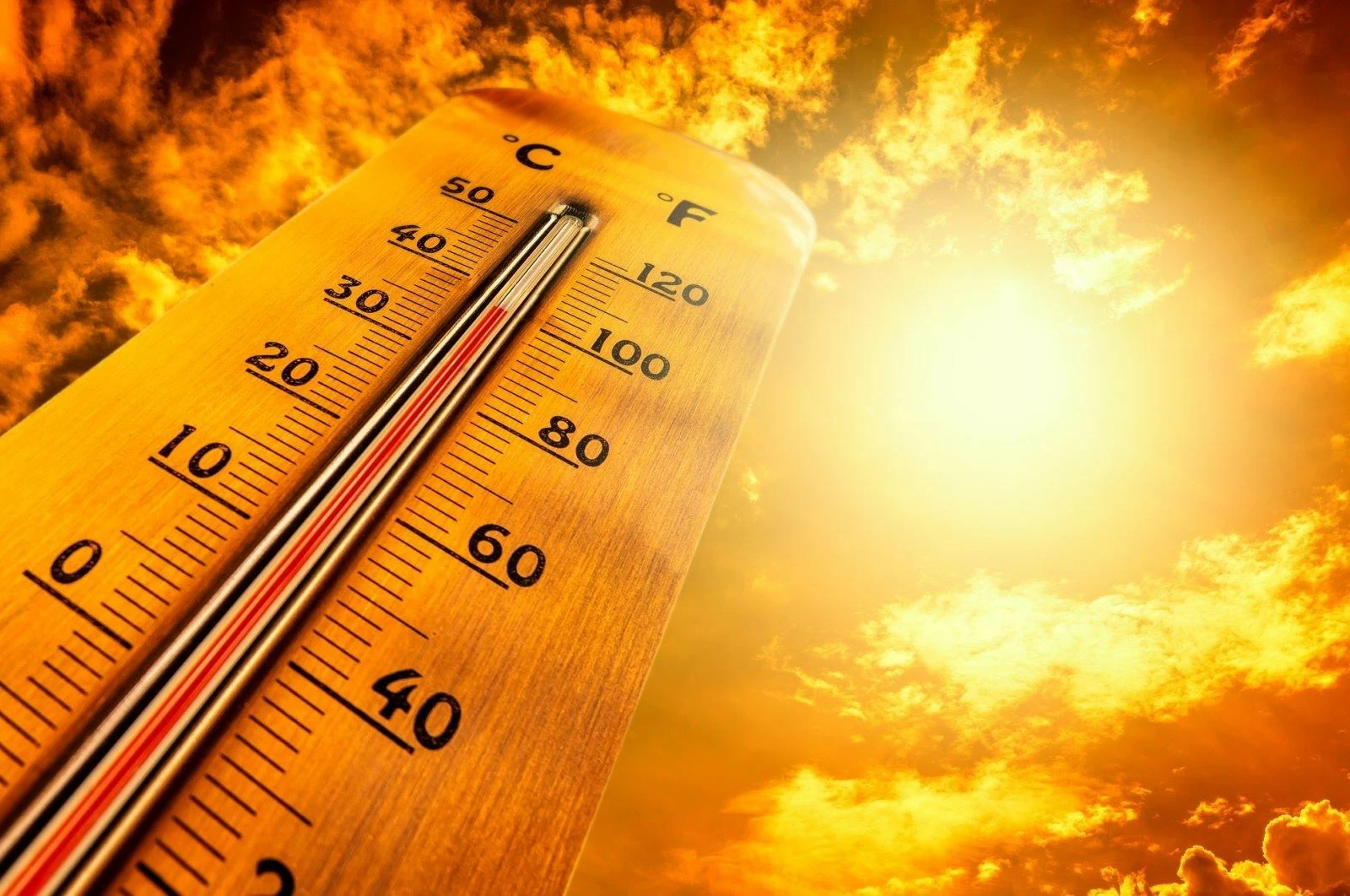
كشف تقرير دولي حديث ارتفاع متوسط الوفيات السنوية المرتبطة بالحرارة عالميًا بنحو 36% خلال السنوات التي أعقبت دخول اتفاق باريس للمناخ حيز التنفيذ، مقارنة بالعقد السابق، محذرًا من تسارع التأثيرات الصحية الناجمة عن تغير المناخ.
وأوضح تقرير «لانسيت كاونت داون» للصحة وتغير المناخ لعام 2026 أن متوسط الوفيات السنوية المرتبطة بالحرارة ارتفع من نحو 398,400 وفاة خلال الفترة من 2006 إلى 2015، إلى نحو 540,800 وفاة خلال الفترة من 2016 إلى 2023.
وسجل عام 2023 وحده رقمًا قياسيًا بلغ نحو 710 آلاف وفاة مرتبطة بالحرارة حول العالم، فيما أرجع التقرير أكثر من 70% من هذه الوفيات إلى تغير المناخ الناجم عن الأنشطة البشرية.
وأُعد التقرير بمشاركة 146 باحثًا من أكثر من 100 مؤسسة في أكثر من 30 دولة، بقيادة كلية لندن الجامعية وبالتعاون الإستراتيجي مع منظمة الصحة العالمية، ورصد 54 مؤشرًا لتأثير تغير المناخ على صحة الإنسان.
وأشار التقرير إلى تفاقم مخاطر الجفاف والظواهر المناخية المتطرفة، في وقت تتزايد فيه الخسائر الصحية والاقتصادية الناجمة عن التعرض للحرارة الشديدة.
وفي المقابل، سجل الاستثمار العالمي في الطاقة النظيفة مستوى قياسيًا بلغ 2.1 تريليون دولار خلال عام 2025، فيما أكد الباحثون أن خفض استخدام الوقود الأحفوري وتعزيز أنظمة الإنذار المبكر يمكن أن يساهما في خفض الوفيات وحماية الفئات الأكثر عرضة للخطر.
ودعا معدّو التقرير إلى التعامل مع تغير المناخ باعتباره حالة طوارئ صحية عالمية، وتسريع خفض الانبعاثات وتعزيز قدرة الأنظمة الصحية على مواجهة موجات الحر والظواهر المناخية المتطرفة.
A recent international report revealed a global increase of approximately 36% in the average annual deaths related to heat in the years following the implementation of the Paris Climate Agreement, compared to the previous decade, warning of the accelerating health impacts caused by climate change.
The "Lancet Countdown" report on health and climate change for 2026 indicated that the average annual deaths related to heat rose from about 398,400 deaths during the period from 2006 to 2015, to approximately 540,800 deaths during the period from 2016 to 2023.
In 2023 alone, a record number of around 710,000 heat-related deaths were recorded worldwide, with the report attributing more than 70% of these deaths to climate change resulting from human activities.
The report was prepared with the participation of 146 researchers from over 100 institutions in more than 30 countries, led by University College London in strategic collaboration with the World Health Organization, and monitored 54 indicators of the impact of climate change on human health.
The report pointed to the worsening risks of drought and extreme weather phenomena, at a time when health and economic losses due to exposure to extreme heat are increasing.
In contrast, global investment in clean energy reached a record level of $2.1 trillion during 2025, while researchers confirmed that reducing fossil fuel use and enhancing early warning systems could help reduce deaths and protect the most vulnerable populations.
The report's authors called for treating climate change as a global health emergency, accelerating emissions reductions, and strengthening health systems' capacity to cope with heatwaves and extreme weather phenomena.