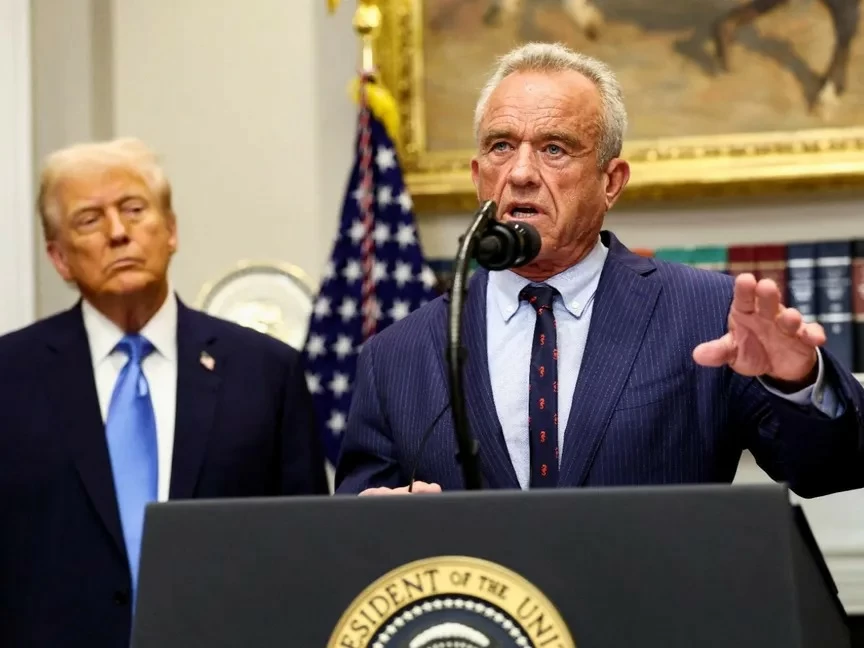
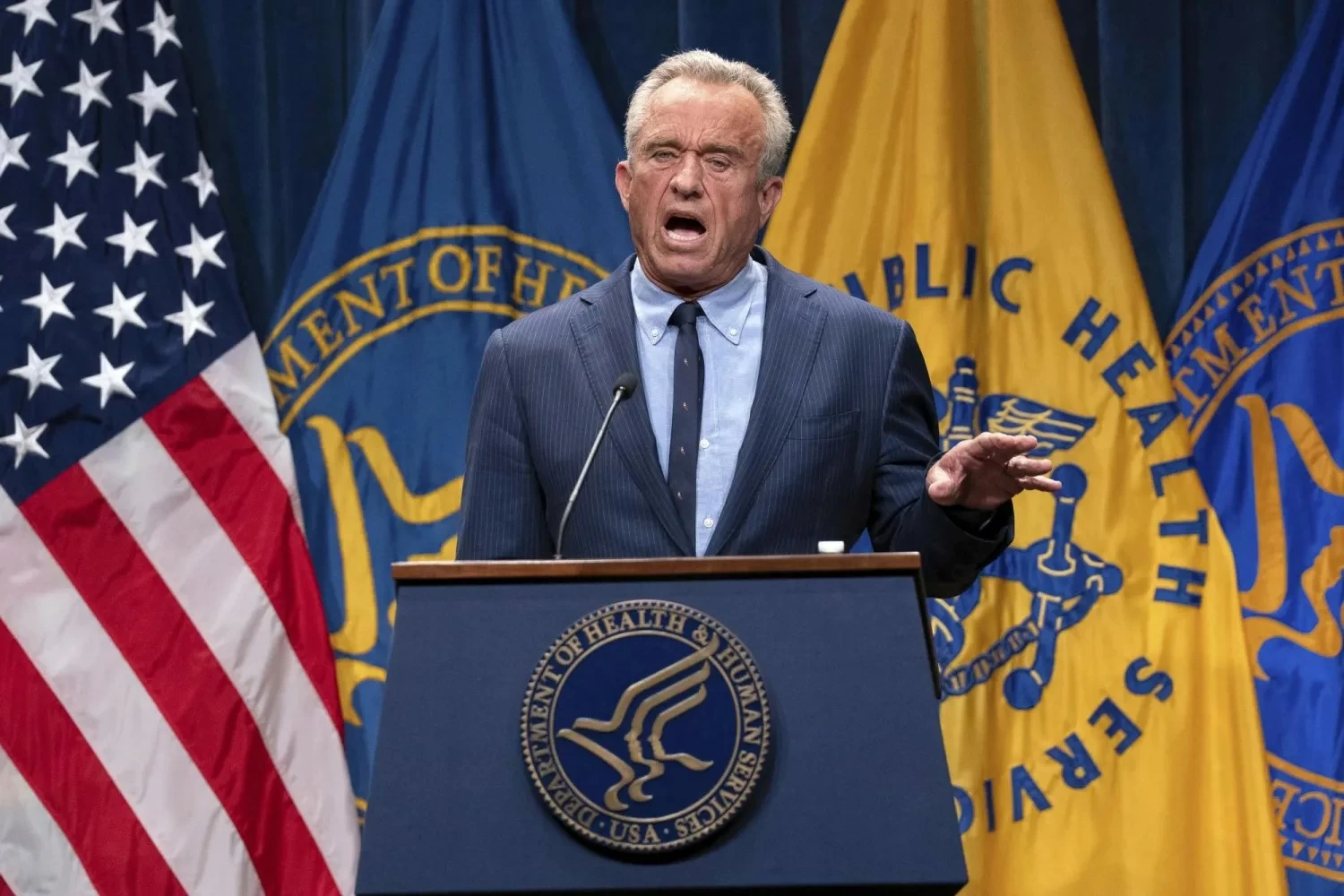
هاجمت كيري كينيدي، الناشطة الحقوقية وشقيقة وزير الصحة الأمريكي روبرت إف. كينيدي جونيور، تصريحات شقيقها التي شككت في إسهامات العرب العلمية والأدبية، ووصفتها بأنها «كاذبة وقاسية ومهينة»، معربةً عن شعورها بالخجل منه.
واستحضرت كيري، في منشور على منصة «إكس»، تصريحات سابقة لشقيقها تعود إلى 5 أغسطس 2016، قال فيها خلال ظهوره في برنامج «لاري كينغ ناو» إن أسهل ما يمكن أن يفعله زعيم سياسي هو استغلال التعصب والكراهية والخوف من الأجانب والأحكام المسبقة، وتوجيهها ضد أشخاص مختلفين عنه، بزعم أنهم يدمرون البلاد.
وعلقت على المقطع بالقول: «كان هناك وقت أتفق فيه تماماً مع أخي، أما اليوم، فأنا أشعر بالخجل الشديد منه».
وأكدت كيري أن العرب والمسلمين قدموا إسهامات بارزة للبشرية في مجالات العلوم والرياضيات والطب والأدب، مستشهدةً بالكيميائي عمر ياغي، الحاصل على جائزة وولف في الكيمياء عام 2018 وجائزة نوبل في الكيمياء عام 2025، والعالم المصري أحمد زويل، الذي فاز بنوبل في الكيمياء عام 1999، والأديب المصري نجيب محفوظ، الحاصل على نوبل في الأدب عام 1988.
وشددت على أن العرق أو الدين أو الأصل الإثني أو الخلفية الاجتماعية والاقتصادية لا تحدد ذكاء الإنسان أو إبداعه أو قدرته على الإسهام في خدمة البشرية، مضيفةً: «قلبي مع كل من تأذى بسبب كلمات أخي الكاذبة والقاسية والمهينة».
وجاء موقف كيري عقب تصريحات أدلى بها وزير الصحة والخدمات الإنسانية الأمريكي خلال تجمع انتخابي للحزب الجمهوري في مدينة غراند رابيدز بولاية ميشيغان، قال فيها إن عدد العرب يبلغ 500 مليون شخص، ومع ذلك، بحسب زعمه، «لا ينتجون العلوم»، ولا يفوزون بجوائز نوبل أو فيلدز أو وولف، ولا ينتجون الأدب.
ولم تقتصر تصريحات كينيدي على التشكيك في إسهامات العرب المعاصرة، إذ ربط ما وصفه بتراجع تلك الإسهامات بتأثير جماعة الإخوان المسلمين، قائلاً إن تقاليد الحضارة الإسلامية في العلوم والآداب تعرضت للتدمير بسبب الجماعة، وفق ما نقلته وسائل إعلام أمريكية.
وأثارت تصريحاته انتقادات من جهات حقوقية وسياسية، إذ اعتبر منتقدون أنها تتضمن تعميمات غير صحيحة على مئات الملايين من البشر، فضلاً عن تجاهلها نماذج عربية بارزة في مجالات العلم والأدب.
وتتناقض مزاعم الوزير مع أمثلة واضحة من الجوائز التي ذكرها بنفسه؛ فإلى جانب زويل وياغي ومحفوظ، فازت اليمنية توكل كرمان بجائزة نوبل للسلام عام 2011، كما نال المصري محمد البرادعي الجائزة عام 2005 بالاشتراك مع الوكالة الدولية للطاقة الذرية. وتبرز هذه الأمثلة أن إسهامات العلماء والأدباء العرب لا يمكن نفيها بتعميمات تستند إلى الهوية القومية.
وتأتي الأزمة في خضم حملة الانتخابات النصفية الأمريكية، وفي ولاية ميشيغان التي تضم جالية عربية أمريكية كبيرة، حيث شارك كينيدي في فعالية انتخابية دعماً للمرشح الجمهوري لمجلس الشيوخ مايك روجرز، في مواجهة المرشح الديمقراطي عبد السيد، وهو أمريكي من أصول مصرية.
وكانت قضايا الهوية والدين والهجرة حاضرة في السجال الانتخابي بالولاية، وسط اتهامات متبادلة بشأن صلات مزعومة لجماعة الإخوان المسلمين بالمرشح الديمقراطي، الذي نفى ارتباطه بها. وأعاد خطاب كينيدي بشأن العرب فتح النقاش حول أثر التعميمات المرتبطة بالأصل والدين في الحملات السياسية الأمريكية.
Kerry Kennedy, the human rights activist and sister of U.S. Health Secretary Robert F. Kennedy Jr., criticized her brother's statements that questioned the scientific and literary contributions of Arabs, describing them as "false, harsh, and insulting," expressing her embarrassment over him.
Kerry recalled, in a post on the "X" platform, her brother's previous statements from August 5, 2016, when he appeared on the "Larry King Now" show, saying that the easiest thing a political leader can do is exploit bigotry, hatred, fear of foreigners, and prejudices, directing them against people different from him, claiming that they are destroying the country.
She commented on the clip by saying, "There was a time I completely agreed with my brother; today, I feel very ashamed of him."
Kerry affirmed that Arabs and Muslims have made significant contributions to humanity in the fields of science, mathematics, medicine, and literature, citing chemist Omar Yaghi, who won the Wolf Prize in Chemistry in 2018 and the Nobel Prize in Chemistry in 2025, Egyptian scientist Ahmed Zewail, who won the Nobel Prize in Chemistry in 1999, and Egyptian writer Naguib Mahfouz, who received the Nobel Prize in Literature in 1988.
She emphasized that race, religion, ethnic origin, or social and economic background do not determine a person's intelligence, creativity, or ability to contribute to the service of humanity, adding, "My heart is with everyone who has been harmed by my brother's false, harsh, and insulting words."
Kerry's stance came after statements made by the U.S. Secretary of Health and Human Services during a Republican campaign rally in Grand Rapids, Michigan, where he claimed that the number of Arabs is 500 million, yet, according to him, "they do not produce science," do not win Nobel or Fields or Wolf prizes, and do not produce literature.
Kennedy's statements did not only question contemporary Arab contributions but also linked what he described as a decline in those contributions to the influence of the Muslim Brotherhood, stating that the traditions of Islamic civilization in sciences and literature have been destroyed by the group, according to reports from U.S. media.
His remarks drew criticism from human rights and political entities, as critics considered them to contain incorrect generalizations about hundreds of millions of people, in addition to ignoring prominent Arab figures in the fields of science and literature.
The minister's claims contradict clear examples of the awards he himself mentioned; alongside Zewail, Yaghi, and Mahfouz, Yemeni Tawakkol Karman won the Nobel Peace Prize in 2011, and Egyptian Mohamed ElBaradei received the award in 2005 jointly with the International Atomic Energy Agency. These examples highlight that the contributions of Arab scientists and writers cannot be denied by generalizations based on national identity.
The crisis comes amid the U.S. midterm election campaign, in Michigan, which has a large Arab American community, where Kennedy participated in a campaign event supporting Republican Senate candidate Mike Rogers against Democratic candidate Abdul Sayed, who is American of Egyptian descent.
Issues of identity, religion, and immigration were present in the electoral debate in the state, amid mutual accusations regarding alleged ties of the Muslim Brotherhood to the Democratic candidate, who denied any connection. Kennedy's rhetoric regarding Arabs reopened the discussion about the impact of generalizations related to origin and religion in American political campaigns.