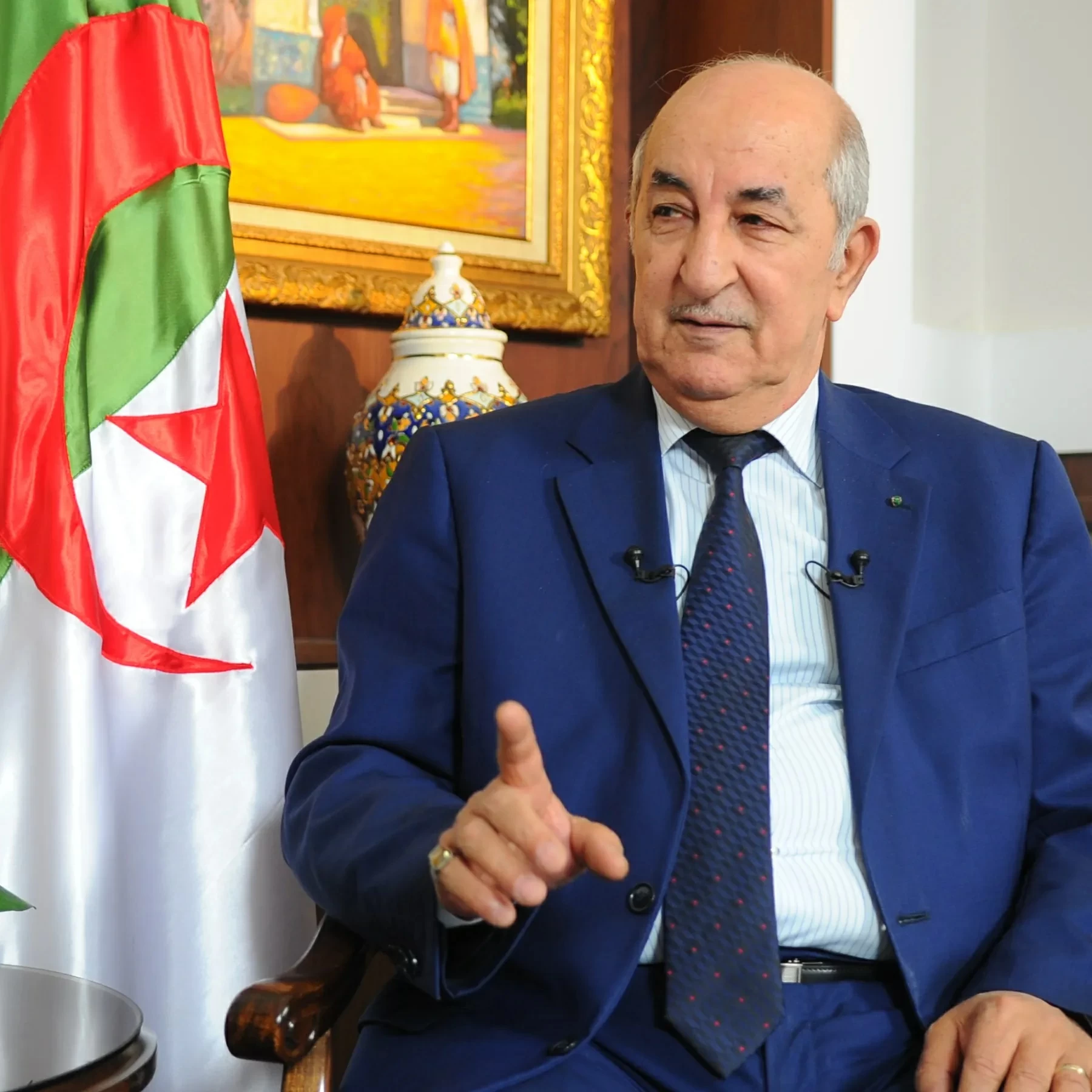
أعلنت الرئاسة الجزائرية، (الاثنين)، قرار الرئيس عبد المجيد تبون إرسال وحدات من الجيش الجزائري إلى النيجر، لحماية المصالح الطاقوية والاقتصادية المشتركة بين البلدين، استجابة لطلب السلطات النيجرية، وبعد موافقة البرلمان بغرفتيه.
وقالت الرئاسة، في بيان، إن القرار اتُخذ وفقاً لأحكام الدستور، ولا سيما المادة 30 والبنود الأول والثاني والسابع من المادة 91، عقب مصادقة المجلس الشعبي الوطني ومجلس الأمة خلال جلستين عامتين مغلقتين عُقدتا (الأحد).
ولم يكشف البيان عن عدد الوحدات العسكرية المقرر إرسالها أو طبيعتها، كما لم يحدد موعد انتشارها أو مواقع تمركزها داخل النيجر.
وكان مجلس الأمة قد أعلن موافقته على الإخطار الرئاسي المؤرخ في 22 أكتوبر، بـ148 صوتاً مؤيداً، بينها 131 عضواً حاضراً و17 توكيلاً، متجاوزاً الأغلبية المطلوبة دستورياً، والبالغة 116 صوتاً، وفق بيان المجلس.
وترأس رئيس مجلس الأمة عزوز ناصري الجلسة المغلقة، فيما قدم وزير الخارجية أحمد عطاف عرضاً بشأن إرسال الوحدات العسكرية، ممثلاً للرئيس تبون، بحضور وزيرة العلاقات مع البرلمان نجيبة جيلالي وضباط من الجيش.
من جهته، أعلن المجلس الشعبي الوطني موافقة نوابه بالأغلبية المطلقة على الإخطار الرئاسي، خلال جلسة مغلقة ترأستها رئيسة المجلس خليدة بوفدش، بعد عرض قدمه عطاف والاستماع إلى مداخلات رؤساء المجموعات البرلمانية. ووصفت الرئاسة الجزائرية مصادقة غرفتي البرلمان بأنها تمت بالإجماع.
وتنص المادة 30 من الدستور الجزائري على أن من مهام الجيش المحافظة على الاستقلال الوطني والدفاع عن السيادة ووحدة البلاد وسلامة أراضيها، وحماية المجال البري والجوي والبحري، إلى جانب الدفاع عن المصالح الحيوية والإستراتيجية للبلاد.
وتمنح المادة 91 رئيس الجمهورية، بصفته القائد الأعلى للقوات المسلحة والمسؤول عن الدفاع الوطني، صلاحية اتخاذ قرار إرسال وحدات من الجيش إلى خارج البلاد، شريطة موافقة البرلمان بأغلبية ثلثي أعضاء كل غرفة، فيما يحدد البند السابع صلاحية الرئيس في توقيع المراسيم الرئاسية.
The Algerian presidency announced on (Monday) the decision of President Abdelmadjid Tebboune to send units of the Algerian army to Niger to protect the shared energy and economic interests between the two countries, in response to a request from the Nigerien authorities, and after the approval of the parliament in both chambers.
The presidency stated in a statement that the decision was made in accordance with the provisions of the constitution, particularly Article 30 and the first, second, and seventh clauses of Article 91, following the approval of the National People's Assembly and the Council of the Nation during two closed general sessions held on (Sunday).
The statement did not disclose the number or nature of the military units to be sent, nor did it specify the date of their deployment or their locations within Niger.
The Council of the Nation announced its approval of the presidential notification dated October 22, with 148 votes in favor, including 131 present members and 17 proxies, surpassing the constitutionally required majority of 116 votes, according to the council's statement.
The session was chaired by the President of the Council of the Nation, Azzouz Nasri, while Foreign Minister Ahmed Attaf presented a briefing on sending the military units, representing President Tebboune, in the presence of the Minister of Relations with Parliament, Najiba Djilali, and army officers.
For its part, the National People's Assembly announced that its deputies approved the presidential notification by an absolute majority during a closed session chaired by the Assembly's President, Khalida Boufda, after a presentation by Attaf and listening to interventions from the heads of parliamentary groups. The Algerian presidency described the approval of both chambers of parliament as unanimous.
Article 30 of the Algerian constitution states that one of the army's tasks is to maintain national independence and defend the sovereignty and unity of the country and the integrity of its territory, as well as to protect the land, air, and maritime domains, alongside defending the vital and strategic interests of the country.
Article 91 grants the President of the Republic, as the Supreme Commander of the Armed Forces and responsible for national defense, the authority to decide to send military units outside the country, provided that the parliament approves by a two-thirds majority of the members of each chamber, while the seventh clause defines the president's authority to sign presidential decrees.