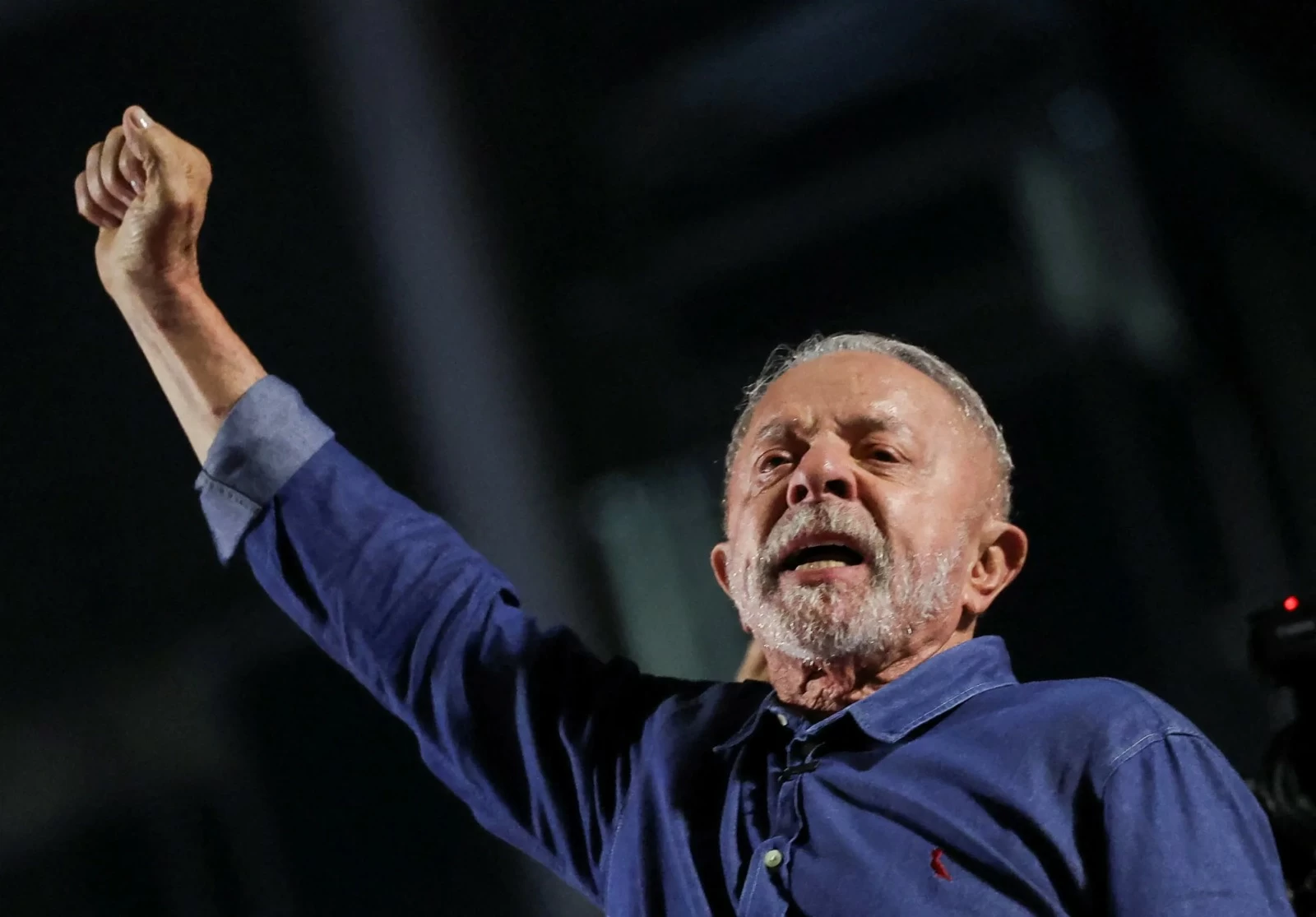
حقق الرئيس البرازيلي لويس إيناسيو لولا دا سيلفا فوزًا تاريخيًا بولاية رئاسية رابعة، وفقًا لما أعلنته المحكمة الانتخابية في البرازيل، في نتيجة مفاجئة خالفت توقعات استطلاعات الرأي، وتحدّت موجة التراجع التي تواجهها الحكومات القائمة في عدد من دول العالم، ووجهت ضربة جديدة لمساعي اليمين لتعزيز نفوذه في أمريكا اللاتينية.
في المقابل، رفض منافسه، السيناتور فلافيو بولسونارو، الابن الأكبر للرئيس البرازيلي السابق جايير بولسونارو، الاعتراف بالهزيمة، معلنًا عزمه المطالبة بإلغاء نتائج الانتخابات، استنادًا إلى قرار أصدره أحد قضاة المحكمة العليا يوم الأحد، قضى بتمديد فترة التصويت ساعتين إضافيتين.
وكان فلافيو بولسونارو قد تصدّر الجولة الأولى من الانتخابات، قبل أن يخسر في جولة الإعادة أمام لولا بفارق تجاوز 4 ملايين صوت، في نتيجة أربكت الأسواق المالية البرازيلية التي كانت قد راهنت على فوزه.
ويعيد رفض فلافيو التسليم بالنتيجة إلى الأذهان موقف والده عقب خسارته أمام لولا في انتخابات عام 2022، إذ لم يعترف جايير بولسونارو بهزيمته، قبل أن تحكم عليه المحكمة العليا لاحقًا بالسجن 27 عامًا، بعد إدانته بالتخطيط لانقلاب بهدف البقاء في السلطة.
ورجّح محللون أن تكون فرص إلغاء نتائج الانتخابات محدودة، في ظل اتساع الفارق بين المرشحين إلى أكثر من ضعف هامش خسارة جايير بولسونارو في انتخابات عام 2022، فضلًا عن أن حملة فلافيو نفسها كانت قد طالبت بتمديد التصويت بسبب الأمطار في المناطق الجنوبية ذات التوجهات المحافظة.
عودة استثنائية تعزز مكانة لولا
يمثل الفوز محطة جديدة في المسيرة السياسية الاستثنائية للولا، البالغ من العمر 80 عامًا، والذي يُعد أحد أبرز رموز اليسار العالمي وأكثر الشخصيات تأثيرًا في السياسة البرازيلية خلال القرن الحالي.
وكان لولا قد سُجن بين عامي 2018 و2019 على خلفية اتهامات بالفساد، قبل إلغاء الأحكام الصادرة بحقه، وهو ما مهّد الطريق أمام عودته إلى المنافسة السياسية وفوزه على جايير بولسونارو في انتخابات عام 2022.
وقالت النائبة اليسارية إريكا هيلتون، التي تابعت فرز الأصوات إلى جانب لولا في ساو باولو، إن الرئيس البرازيلي «رجل دولة وقامة كبيرة»، في إشارة إلى مكانته السياسية وقدرته على العودة إلى السلطة رغم العقبات التي واجهها.
ولم يكن فوز لولا مضمونًا طوال الحملة الانتخابية، إذ أبدت قطاعات من الناخبين استياءها من أدائه ومن حزب العمال الذي يتزعمه، في ظل تراكم فضائح الفساد وارتفاع الأسعار، إلى جانب تحولات اجتماعية واقتصادية متسارعة دفعت بعض منتقديه إلى القول إنه لم يعد مواكبًا لاقتصاد يعتمد بصورة متزايدة على التطبيقات الرقمية والعمل غير الرسمي.
لكن الإقبال على التصويت، الذي جاء أفضل من المتوقع، أسهم في ترجيح كفة الرئيس المنتهية ولايته، بحسب تقديرات محللين ومؤسسات استطلاع.
وقال ليوناردو باريتو، الشريك المؤسس لشركة «Think Policy» للاستشارات، إن الناخبين فضّلوا المسار المألوف الذي يمثله لولا على خيار التغيير الذي يطرحه منافسه، موضحًا أنهم اختاروا طريقًا معروفًا يضمن لهم حقوقًا معينة بدلًا من خوض تجربة جديدة تحيط بها المخاوف.
الاقتصاد والعدالة الاجتماعية في قلب الحملة
ركز لولا خلال حملته على سجله في مكافحة الفقر والحد من التفاوت الاجتماعي، مشيرًا إلى تراجع البطالة والأمية وإزالة الغابات إلى مستويات قياسية منخفضة خلال ولايته الثالثة، وفقًا لما عرضه في حملته الانتخابية.
كما حذّر من أن وصول فلافيو بولسونارو إلى السلطة قد يؤدي إلى تقليص الإنفاق على برامج الرعاية الاجتماعية والتراجع عن المكاسب الاجتماعية التي تحققت خلال السنوات الماضية، فضلًا عن تهديد استقلالية القرار البرازيلي في ظل التقارب المتوقع بين منافسه والرئيس الأمريكي دونالد ترامب.
ويحرم فوز لولا ترامب من حليف محتمل إضافي ضمن كتلة الحكومات اليمينية المتنامية في أمريكا اللاتينية، التي تبنّت توجهات متقاربة مع واشنطن في ملفات الأمن والهجرة.
ولم يصدر تعليق فوري عن الرئيس الأمريكي دونالد ترامب أو وزارة الخارجية الأمريكية بشأن النتيجة، في حين سارع رئيس الوزراء الكندي مارك كارني وعدد من قادة أمريكا اللاتينية إلى تهنئة الرئيس البرازيلي بفوزه.
واعتبر سيلسو أموريم، وزير الخارجية البرازيلي الأسبق وأحد المقربين من لولا، أن إعادة انتخاب الرئيس ستسهم في تحقيق التوازن السياسي داخل أمريكا اللاتينية، مضيفًا أن لولا يمثل هذا التوازن في المنطقة.
وعود اجتماعية لتعزيز الدعم الشعبي
وأصبح لولا أول مرشح يُنتخب رئيسًا للبرازيل منذ عودة البلاد إلى الحكم الديمقراطي في ثمانينيات القرن الماضي، رغم حلوله في المركز الثاني خلال الجولة الأولى من الانتخابات.
واعتمدت حملته على مزيج من البراغماتية والخطاب الشعبي اللذين ميّزا مسيرته السياسية الممتدة لنحو نصف قرن، مع طرح حزمة من الإصلاحات التي تستهدف تحسين الظروف المعيشية للعمال والفئات محدودة الدخل.
وشهدت الأيام الأخيرة من الحملة تعهدات اجتماعية إضافية، من بينها إتاحة النقل العام مجانًا على مستوى البلاد خلال عطلات نهاية الأسبوع، وهو مقترح يتطلب تقديمه رسميًا إلى الكونغرس، إلى جانب زيادة بنسبة 15% في قيمة برنامج الرعاية الاجتماعية، الذي يُعد أحد أبرز ركائز سياساته الاجتماعية، وهي زيادة بدأت الحكومة بالفعل تنفيذها.
كما دعم لولا تعديلًا دستوريًا أقرّه الكونغرس، ووُصف بأنه أحد أكبر إصلاحات سوق العمل في البرازيل منذ عقود، وحظي بتأييد واسع من أعضاء البرلمان.
كونغرس محافظ يهدد بتعقيد الولاية الرابعة
رغم الانتصار الانتخابي، تبدو الولاية الرابعة للولا مرشحة لأن تكون من أصعب مراحل مسيرته السياسية، في ظل انتخاب كونغرس يُعد الأكثر محافظة منذ عودة البلاد إلى الديمقراطية في ثمانينيات القرن الماضي.
ومن المتوقع أن يمتلك الحزب الليبرالي الذي ينتمي إليه جايير بولسونارو، إلى جانب الأحزاب المتحالفة معه، أكثر من 280 مقعدًا في مجلس النواب، وما يصل إلى 50 مقعدًا في مجلس الشيوخ، بما يمنح المعارضة اليمينية أغلبية مريحة في المجلسين.
وقد يؤدي هذا التوازن إلى زيادة الضغوط على الرئاسة ودفع الحكومة إلى تقديم تنازلات للكونغرس بشأن الموازنة العامة والتشريعات الرئيسية والتعيينات المهمة، في ظل اتجاه متزايد نحو تعزيز نفوذ المؤسسة التشريعية على حساب السلطة التنفيذية.
وعلى الصعيد الاقتصادي، تواجه الحكومة توقعات بنمو لا يتجاوز 2.3% خلال العام المقبل، إلى جانب ضغوط مالية مرتبطة بارتفاع أسعار الفائدة وتزايد الدين العام، الذي تجاوز 82% من الناتج المحلي الإجمالي، وهو أعلى مستوى منذ جائحة كورونا.
وتوقعت مؤسسة «غولدمان ساكس» أن يحقق لولا تقدمًا محدودًا، في أفضل الأحوال، على صعيد احتواء الإنفاق الحكومي خلال ولايته الرابعة، في ظل تمسكه بنموذج اقتصادي يمنح الدولة دورًا محوريًا في تحفيز النمو.
كما يثير ارتفاع ديون الأسر مخاوف الاقتصاديين، في وقت حاولت فيه الحكومة معالجة المشكلة من خلال فرض حظر مؤقت على المراهنات عبر الإنترنت، والإعلان عن برنامج جديد لتخفيف أعباء الديون خلال الحملة الانتخابية.
في المقابل، يُرجّح أن يدفع الكونغرس اليميني نحو إقرار إصلاحات هيكلية تصب في مصلحة قطاع الأعمال، وهو ما قد يفرض على الحكومة خفض بعض أوجه الإنفاق، بما ينذر باحتمال اندلاع ردود فعل شعبية إذا انعكست تلك الإجراءات سلبًا على الفئات الأكثر احتياجًا.
الأسواق تترقب تداعيات النتيجة
انعكست نتيجة الانتخابات سريعًا على الأسواق المالية، وسط توقعات بتراجع الرهانات الاستثمارية التي بُنيت على احتمال تغيير الحكومة، وهو ما قد يزيد تقلبات الأسواق خلال الأيام المقبلة.
وسجل صندوق متداول في البورصة اليابانية يتتبع مؤشر «بوفيسبا» البرازيلي هبوطًا يقارب 15% خلال التداولات الآسيوية عقب الإعلان عن فوز لولا، فيما كان الريال البرازيلي مهيأً لتراجع حاد أمام الدولار الأمريكي.
وتعكس هذه التحركات حجم الرهانات التي وضعتها الأسواق على فوز فلافيو بولسونارو، ومدى القلق من استمرار السياسات الاقتصادية والاجتماعية التي يتبناها لولا.
وبينما يمنح الفوز التاريخي الرئيس البرازيلي تفويضًا سياسيًا جديدًا لمواصلة برنامجه الاجتماعي والاقتصادي، فإن نجاحه في تحويل هذا الانتصار إلى نتائج ملموسة سيظل مرهونًا بقدرته على احتواء المعارضة داخل الكونغرس، والسيطرة على الدين العام، وتحفيز النمو، والحفاظ على الاستقرار الاجتماعي في بلد لا تزال انقساماته السياسية عميقة.
Brazilian President Luiz Inácio Lula da Silva achieved a historic victory for a fourth presidential term, according to the electoral court in Brazil, in a surprising result that contradicted opinion polls and challenged the wave of decline facing incumbent governments in several countries around the world, delivering another blow to the right's efforts to strengthen its influence in Latin America.
In contrast, his opponent, Senator Flávio Bolsonaro, the eldest son of former Brazilian President Jair Bolsonaro, refused to concede defeat, announcing his intention to demand the annulment of the election results, based on a decision issued by a Supreme Court judge on Sunday, which extended the voting period by an additional two hours.
Flávio Bolsonaro had led the first round of the elections before losing in the runoff to Lula by a margin exceeding 4 million votes, a result that confused Brazilian financial markets that had bet on his victory.
Flávio's refusal to accept the result recalls his father's stance after losing to Lula in the 2022 elections, as Jair Bolsonaro did not acknowledge his defeat before later being sentenced by the Supreme Court to 27 years in prison for plotting a coup to remain in power.
Analysts suggested that the chances of annulling the election results are limited, given that the gap between the candidates is more than double the margin of Jair Bolsonaro's loss in the 2022 elections, in addition to the fact that Flávio's own campaign had called for extending voting due to rain in the southern regions with conservative leanings.
An Exceptional Comeback Strengthens Lula's Position
The victory represents a new milestone in Lula's extraordinary political journey, at the age of 80, who is considered one of the most prominent symbols of the global left and one of the most influential figures in Brazilian politics this century.
Lula was imprisoned between 2018 and 2019 on corruption charges, before the sentences against him were annulled, paving the way for his return to political competition and his victory over Jair Bolsonaro in the 2022 elections.
Leftist Deputy Érika Hilton, who monitored the vote counting alongside Lula in São Paulo, stated that the Brazilian president is a "statesman and a great figure," referring to his political stature and ability to return to power despite the obstacles he faced.
Lula's victory was not guaranteed throughout the election campaign, as some voter sectors expressed dissatisfaction with his performance and the Workers' Party he leads, amid a backdrop of accumulated corruption scandals and rising prices, along with rapid social and economic changes that led some critics to say he was no longer in tune with an economy increasingly reliant on digital applications and informal work.
However, the turnout, which was better than expected, contributed to tipping the scales in favor of the outgoing president, according to estimates from analysts and polling institutions.
Leonardo Barreto, co-founder of the consulting firm "Think Policy," stated that voters preferred the familiar path represented by Lula over the change option proposed by his opponent, explaining that they chose a known path that guarantees them certain rights instead of embarking on a new experience surrounded by fears.
Economy and Social Justice at the Heart of the Campaign
During his campaign, Lula focused on his record in combating poverty and reducing social inequality, pointing to the decline in unemployment, illiteracy, and deforestation to record low levels during his third term, according to what he presented in his electoral campaign.
He also warned that Flávio Bolsonaro's rise to power could lead to cuts in spending on social welfare programs and a rollback of the social gains achieved in recent years, in addition to threatening Brazil's decision-making independence in light of the expected rapprochement between his opponent and U.S. President Donald Trump.
Lula's victory deprives Trump of an additional potential ally within the growing bloc of right-wing governments in Latin America, which have adopted similar stances to Washington on security and immigration issues.
No immediate comment was issued by U.S. President Donald Trump or the U.S. State Department regarding the result, while Canadian Prime Minister Mark Carney and several Latin American leaders quickly congratulated the Brazilian president on his victory.
Celso Amorim, former Brazilian foreign minister and a close associate of Lula, stated that the president's re-election would contribute to achieving political balance within Latin America, adding that Lula represents this balance in the region.
Social Promises to Strengthen Popular Support
Lula became the first candidate to be elected president of Brazil since the country returned to democratic rule in the 1980s, despite finishing second in the first round of the elections.
His campaign relied on a mix of pragmatism and populist rhetoric that has characterized his political career spanning nearly half a century, proposing a package of reforms aimed at improving living conditions for workers and low-income groups.
The final days of the campaign saw additional social commitments, including making public transportation free nationwide during weekends, a proposal that requires formal submission to Congress, along with a 15% increase in the value of the social welfare program, which is one of the cornerstones of his social policies, an increase that the government has already begun to implement.
Lula also supported a constitutional amendment approved by Congress, described as one of the largest labor market reforms in Brazil in decades, which received broad support from parliament members.
A Conservative Congress Threatens to Complicate the Fourth Term
Despite the electoral victory, Lula's fourth term appears poised to be one of the most challenging phases of his political career, given the election of a Congress considered the most conservative since the country returned to democracy in the 1980s.
The Liberal Party, to which Jair Bolsonaro belongs, along with allied parties, is expected to hold more than 280 seats in the Chamber of Deputies and up to 50 seats in the Senate, giving the right-wing opposition a comfortable majority in both chambers.
This balance could increase pressure on the presidency and push the government to make concessions to Congress regarding the budget and key legislation and important appointments, amid a growing trend to enhance the legislative body's influence at the expense of the executive branch.
On the economic front, the government faces expectations of growth not exceeding 2.3% in the coming year, along with financial pressures linked to rising interest rates and increasing public debt, which has surpassed 82% of GDP, the highest level since the COVID-19 pandemic.
Goldman Sachs predicted that Lula would achieve limited progress, at best, in containing government spending during his fourth term, given his adherence to an economic model that gives the state a central role in stimulating growth.
The rise in household debt also raises concerns among economists, as the government has attempted to address the issue by imposing a temporary ban on online betting and announcing a new debt relief program during the election campaign.
Conversely, the right-wing Congress is likely to push for structural reforms that favor the business sector, which may force the government to cut some areas of spending, raising the possibility of public backlash if these measures negatively impact the most vulnerable groups.
Markets Await the Implications of the Result
The election result quickly reflected on financial markets, amid expectations of a decline in investment bets that were based on the possibility of a government change, which could increase market volatility in the coming days.
An exchange-traded fund in Japan tracking the Brazilian "Bovespa" index recorded a drop of nearly 15% during Asian trading following Lula's victory announcement, while the Brazilian real was poised for a sharp decline against the U.S. dollar.
These movements reflect the extent of the bets that markets placed on Flávio Bolsonaro's victory and the level of concern regarding the continuation of the economic and social policies adopted by Lula.
While the historic victory grants the Brazilian president a new political mandate to continue his social and economic program, his success in translating this victory into tangible results will remain contingent on his ability to contain opposition within Congress, manage public debt, stimulate growth, and maintain social stability in a country where political divisions remain deep.