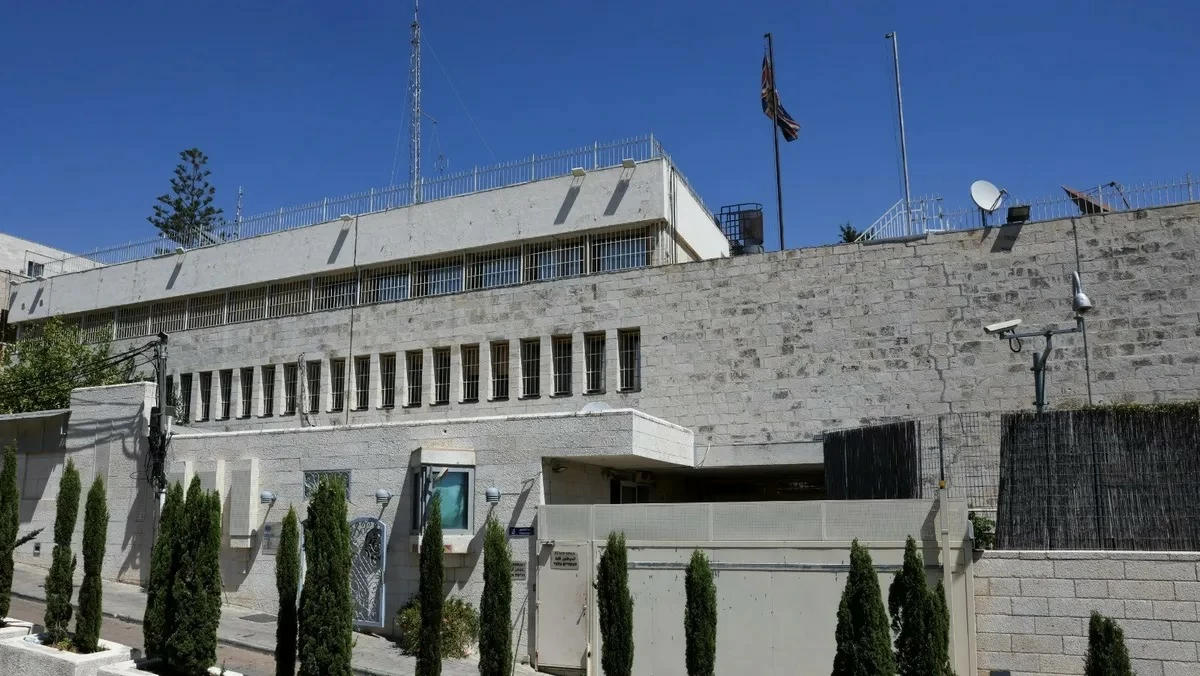
أعلنت بريطانيا، (الخميس)، أن قنصليتها العريقة في القدس، التي يعود تاريخ تأسيسها إلى نحو 200 عام، ستواصل العمل ولكن بحجم أصغر وتحت اسم جديد هو «بعثة المملكة المتحدة في القدس»، وذلك رغم قرار إسرائيلي سابق بإغلاقها على خلفية خلاف بشأن العقوبات البريطانية المفروضة على المستوطنات الإسرائيلية في الضفة الغربية المحتلة.
وكانت إسرائيل قد منحت بريطانيا مهلة 30 يوماً لإغلاق القنصلية، بعدما أعلنت لندن عقوبات تستهدف مستوطنات إسرائيلية في الضفة الغربية، من بينها حظر تجاري على بعض السلع المنتجة فيها. وانتهت المهلة، الخميس، وسط توتر متزايد بين البلدين، اللذين تربطهما علاقات تحالف تاريخية.
وقال وزير الخارجية الإسرائيلي جدعون ساعر، إن القنصلية الموجودة في القدس الشرقية ستنهي عملياتها رسمياً، لكنه أوضح أن عدداً من الدبلوماسيين البريطانيين سيُسمح لهم بمواصلة العمل من المبنى بموجب اتفاق تم التوصل إليه بين الجانبين.
في المقابل، أكد وزير الخارجية البريطاني إيد ميليباند، أن بلاده لا تقبل بأن تكون لإسرائيل سلطة قانونية لإغلاق القنصلية.
وأوضح ميليباند أن المباحثات مع إسرائيل أفضت إلى الإبقاء على مبنى القنصلية مفتوحاً، على أن يُعرف اعتباراً من الخميس باسم «بعثة المملكة المتحدة في القدس».
وأضاف أن البعثة الجديدة ستواصل تقديم «الخدمات الحيوية» ومواصلة العمل مع الفلسطينيين.
وجاءت هذه التطورات في وقت تداولت فيه صور عمال وهم يزيلون من مبنى القنصلية لوحة تحمل اسم «القنصلية البريطانية العامة»، إلى جانب لافتة أخرى خاصة بالقسم القنصلي، فيما ظل العلم البريطاني مرفوعاً فوق المبنى.
وكانت إسرائيل قد أصرت خلال الأسابيع الماضية على إغلاق القنصلية وترحيل دبلوماسييها من المدينة، في وقت بذلت فيه بريطانيا جهوداً للإبقاء على وجودها الدبلوماسي. وشملت هذه الجهود إرسال مستشار الأمن القومي البريطاني إلى إسرائيل الأسبوع الماضي لإجراء محادثات بشأن الأزمة.
قنصلية تاريخية ودور في الأراضي الفلسطينية
وتأسست القنصلية البريطانية في القدس عام 1839، أي قبل أكثر من قرن من قيام دولة إسرائيل عام 1948.
ولا يشمل قرار الإغلاق السفارة البريطانية في تل أبيب، التي تتولى إدارة العلاقات الدبلوماسية الرسمية بين بريطانيا والحكومة الإسرائيلية.
وتقع القنصلية في حي الشيخ جراح بالقدس الشرقية، وتضطلع بدور في إدارة العلاقات البريطانية مع الفلسطينيين في القدس والضفة الغربية وقطاع غزة، كما تقدم خدمات قنصلية للفلسطينيين.
وتُعد القدس الشرقية، التي سيطرت عليها إسرائيل خلال حرب عام 1967 ثم أعلنت ضمها لاحقاً، منطقة ذات وضع متنازع عليه دولياً، ولا تعترف معظم الدول بضمها إلى إسرائيل.
خلافات متصاعدة بشأن المستوطنات وغزة
وتعتبر الأمم المتحدة ومعظم دول العالم المستوطنات الإسرائيلية في الأراضي الفلسطينية المحتلة مخالفة للقانون الدولي، بينما ترفض إسرائيل هذا التوصيف وتدافع عن موقفها بشأن المستوطنات.
ويمثل النزاع الأخير حول القنصلية والعقوبات البريطانية على المستوطنات أحدث محطة في تدهور العلاقات بين لندن وتل أبيب خلال السنوات الثلاث الماضية.
وكانت بريطانيا قد وجهت انتقادات متكررة إلى إسرائيل بسبب عملياتها العسكرية في قطاع غزة، وكذلك على خلفية هجمات مستوطنين إسرائيليين على فلسطينيين في الضفة الغربية.
في المقابل، اتهمت حكومة رئيس الوزراء الإسرائيلي بنيامين نتنياهو حزب العمال البريطاني الحاكم باتخاذ موقف معادٍ لإسرائيل، في ظل تصاعد الخلافات السياسية بين البلدين.
ورغم قرار إسرائيل إنهاء عمل القنصلية بصيغتها الحالية، فإن الاتفاق الجديد يسمح لبريطانيا بالحفاظ على وجود دبلوماسي داخل المبنى ومواصلة تقديم خدماتها للفلسطينيين، في خطوة تعكس محاولة الجانبين احتواء تداعيات الخلاف دون إنهاء الوجود البريطاني في القدس بشكل كامل.
Britain announced on Thursday that its historic consulate in Jerusalem, which was established nearly 200 years ago, will continue to operate but on a smaller scale and under a new name, "The United Kingdom Mission in Jerusalem," despite a previous Israeli decision to close it due to a dispute over British sanctions imposed on Israeli settlements in the occupied West Bank.
Israel had given Britain a 30-day deadline to close the consulate after London announced sanctions targeting Israeli settlements in the West Bank, including a trade ban on certain goods produced there. The deadline ended on Thursday amid increasing tensions between the two countries, which share a historical alliance.
Israeli Foreign Minister Gideon Sa'ar stated that the consulate located in East Jerusalem will officially cease its operations, but clarified that a number of British diplomats will be allowed to continue working from the building under an agreement reached between the two sides.
In contrast, British Foreign Secretary Ed Miliband confirmed that his country does not accept Israel having the legal authority to close the consulate.
Miliband explained that discussions with Israel resulted in keeping the consulate building open, to be known from Thursday onwards as "The United Kingdom Mission in Jerusalem."
He added that the new mission will continue to provide "vital services" and work with the Palestinians.
These developments came at a time when images circulated of workers removing a sign from the consulate building that bore the name "British Consulate General," alongside another sign specific to the consular section, while the British flag remained raised above the building.
Israel had insisted in recent weeks on closing the consulate and expelling its diplomats from the city, while Britain made efforts to maintain its diplomatic presence. These efforts included sending the British National Security Advisor to Israel last week for talks regarding the crisis.
Historic Consulate and Role in Palestinian Territories
The British consulate in Jerusalem was established in 1839, more than a century before the establishment of the State of Israel in 1948.
The closure decision does not include the British embassy in Tel Aviv, which manages official diplomatic relations between Britain and the Israeli government.
The consulate is located in the Sheikh Jarrah neighborhood of East Jerusalem and plays a role in managing British relations with Palestinians in Jerusalem, the West Bank, and Gaza Strip, as well as providing consular services to Palestinians.
East Jerusalem, which Israel captured during the 1967 war and later declared its annexation, is an area with a status disputed internationally, and most countries do not recognize its annexation to Israel.
Escalating Disputes Over Settlements and Gaza
The United Nations and most countries around the world consider Israeli settlements in the occupied Palestinian territories to be in violation of international law, while Israel rejects this characterization and defends its position on the settlements.
The recent dispute over the consulate and British sanctions on the settlements represents the latest chapter in the deterioration of relations between London and Tel Aviv over the past three years.
Britain has repeatedly criticized Israel for its military operations in the Gaza Strip, as well as for attacks by Israeli settlers on Palestinians in the West Bank.
In contrast, the government of Israeli Prime Minister Benjamin Netanyahu has accused the ruling British Labour Party of taking an anti-Israel stance amid rising political tensions between the two countries.
Despite Israel's decision to end the consulate's operations in its current form, the new agreement allows Britain to maintain a diplomatic presence within the building and continue providing its services to the Palestinians, reflecting an attempt by both sides to contain the fallout from the dispute without completely ending the British presence in Jerusalem.