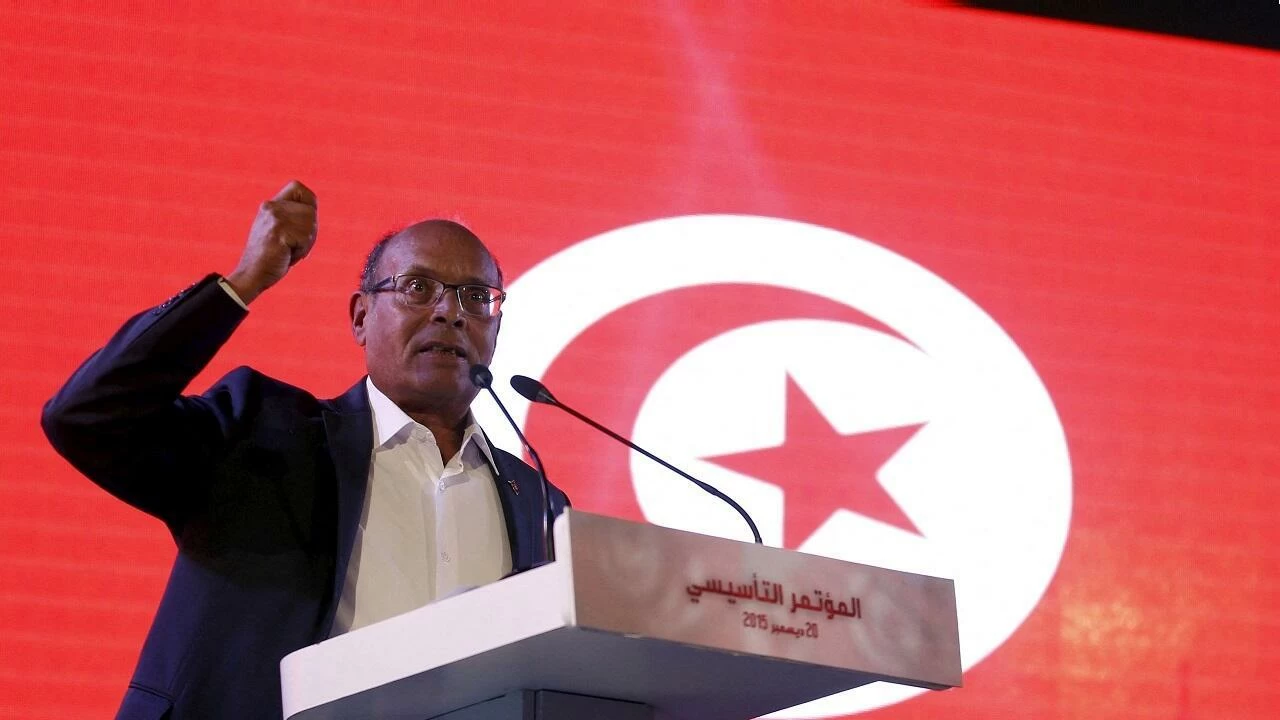
أثار تصريح للرئيس التونسي الأسبق المنصف المرزوقي جدلاً واسعاً في تونس، بعدما أعيد تداول مقطع من حوار تلفزيوني ظهر فيه وهو يتحدث عن مطالب مواطنين كانوا يتوجهون إليه خلال فترة رئاسته، قبل أن تبرز في حديثه عبارة «أعطهم دواء الفأر»، التي تحولت إلى محور سجال سياسي وإعلامي على مواقع التواصل الاجتماعي.
وبمجرد انتشار المقطع، تصدر اسم المرزوقي التفاعل في أوساط سياسية وإعلامية تونسية، وسط انتقادات لما اعتبره متفاعلون إساءة إلى مواطنين كانوا يطالبون بالتشغيل وتحسين أوضاعهم، فيما ركز آخرون على دلالة العبارة وسياقها، وأعادوا طرح أسئلة بشأن تجربة المرزوقي في الحكم ومواقفه من الملفات الاجتماعية.
وكانت قناة «البلاغ» قد بثت في 29 سبتمبر الجزء الأول من حوار مع المرزوقي، تناول ما وصفته بـ«الأسباب العميقة» للأزمات السياسية والاقتصادية والنفسية التي تعيشها تونس، على أن تتواصل المقابلة في حلقات لاحقة.
وبحسب المقطع المتداول، تطرق المرزوقي إلى فترة توليه رئاسة تونس بين عامي 2011 و2014، متحدثاً عن مواطنين كانوا يتوجهون إليه بمطالب تتعلق بالعمل وتحسين الظروف المعيشية، قبل أن ترد العبارة التي أثارت موجة الانتقادات.
وسارع عدد من السياسيين والناشطين إلى التعليق على المقطع، إذ قال القيادي في حزب التيار الشعبي محسن النابتي إنه شك في البداية في صحة التسجيل قبل أن يتأكد منه، واصفاً ما سمعه بأنه شكل بالنسبة إليه «صدمة»، كما انتقد طريقة إدارة الحوار والعبارات التي وردت فيه.
من جانبه، أعاد الناشط السياسي عبد الرزاق الخلولي نشر المقطع تحت وسم «دواء الفار»، معتبراً أن العبارة تعكس، وفق قراءته، موقفاً من التونسيين الذين كانوا يطالبون خلال فترة رئاسة المرزوقي بالتنمية والتشغيل، فيما انتقد ما وصفه بالتناقض بين الخطاب السياسي ومطالب المواطنين.
ودخل الإعلامي التونسي باسل ترجمان على خط السجال بتعليق ساخر على التصريح، معتبراً أن المقطع يعيد فتح النقاش حول تجربة المرزوقي السياسية ومواقفه خلال فترة توليه الرئاسة، بينما اكتفى الناشط السياسي وليد الشابي بتعليق ساخر أعاد فيه تداول العبارة التي تحولت إلى عنوان للجدل.
وتجاوز التفاعل العبارة نفسها إلى نقاش أوسع حول العلاقة بين السياسي والمواطن، إذ اعتبر منتقدون أن لغة المسؤول تجاه المطالب الاجتماعية تحمل أهمية خاصة، خصوصاً عندما يتعلق الأمر بفترة تولي أعلى منصب في الدولة.
وتأتي إعادة تداول التصريح في وقت لا يزال فيه المرزوقي حاضراً في النقاش السياسي التونسي، رغم ابتعاده عن البلاد، بعدما تولى رئاسة تونس بين ديسمبر 2011 وديسمبر 2014، خلال مرحلة شديدة الاضطراب أعقبت الثورة التونسية وسقوط نظام زين العابدين بن علي.
وخلال السنوات الأخيرة، واصل المرزوقي الظهور في مقابلات إعلامية وإبداء مواقف بشأن التطورات التونسية، وهو ما أبقى اسمه حاضراً في السجال السياسي، رغم انتهاء ولايته الرئاسية قبل أكثر من عقد.
ولم تتوقف ردود الفعل عند التصريح الأخير، إذ سبق أن أثارت مواقف للمرزوقي انتقادات في تونس وخارجها. وفي يوليو الماضي، استدعت وزارة الخارجية التونسية السفيرة الفرنسية لدى تونس على خلفية مقابلة أجرتها قناة «فرانس 24» مع المرزوقي، معتبرة أن ما ورد فيها يمس بسيادة الدولة وأمنها القومي ويدعو إلى التدخل في شؤونها الداخلية.
وبينما يتواصل تداول المقطع، تحولت عبارة «أعطهم دواء الفأر» إلى وسم سياسي وإعلامي بحد ذاته، لتعيد، بعد سنوات من مغادرته قصر قرطاج، اسم المنصف المرزوقي إلى واجهة الجدل التونسي، وتفتح من جديد نقاشاً حول تصريحاته ومواقفه خلال فترة حكمه وبعدها.
A statement by former Tunisian President Moncef Marzouki has sparked widespread controversy in Tunisia, after a clip from a television interview resurfaced in which he spoke about the demands of citizens who approached him during his presidency. In his remarks, the phrase "Give them rat medicine" emerged, which has become the focal point of political and media debate on social media.
As soon as the clip spread, Marzouki's name dominated discussions among Tunisian political and media circles, amid criticisms from those who considered his remarks an insult to citizens who were demanding employment and better living conditions. Others focused on the implications of the phrase and its context, raising questions about Marzouki's experience in governance and his stances on social issues.
The "Al-Balag" channel aired the first part of an interview with Marzouki on September 29, discussing what it described as the "deep-rooted" causes of the political, economic, and psychological crises facing Tunisia, with the interview to continue in subsequent episodes.
According to the circulated clip, Marzouki addressed his presidency from 2011 to 2014, speaking about citizens who approached him with demands related to work and improving living conditions, before the phrase that sparked a wave of criticism was mentioned.
A number of politicians and activists quickly commented on the clip, with Mohsen Nabti, a leader in the Popular Current party, stating that he initially doubted the authenticity of the recording before confirming it, describing what he heard as a "shock" to him, and criticizing the way the interview was conducted and the phrases used.
For his part, political activist Abdel Razak Khalouli reposted the clip under the hashtag "rat medicine," considering that the phrase reflects, according to his interpretation, a stance towards Tunisians who were demanding development and employment during Marzouki's presidency, while criticizing what he described as a contradiction between political discourse and citizens' demands.
Tunisian media figure Basel Tarjuman joined the debate with a sarcastic comment on the statement, considering that the clip reopens the discussion about Marzouki's political experience and his positions during his presidency, while political activist Walid Al-Shabi limited himself to a sarcastic comment that circulated the phrase which has become a title for the controversy.
The interaction has transcended the phrase itself to a broader discussion about the relationship between politicians and citizens, with critics arguing that the language of officials regarding social demands carries particular importance, especially when it comes to holding the highest office in the state.
The resurfacing of the statement comes at a time when Marzouki remains present in the Tunisian political discourse, despite being away from the country, after serving as President of Tunisia from December 2011 to December 2014, during a highly tumultuous period following the Tunisian revolution and the fall of Zine El Abidine Ben Ali's regime.
In recent years, Marzouki has continued to appear in media interviews and express positions on Tunisian developments, which has kept his name relevant in political debates, despite his presidential term ending over a decade ago.
Reactions to the recent statement have not stopped, as Marzouki's positions have previously drawn criticism both in Tunisia and abroad. Last July, the Tunisian Ministry of Foreign Affairs summoned the French ambassador to Tunisia following an interview conducted by France 24 with Marzouki, considering that what was said in it undermines the state's sovereignty and national security and calls for interference in its internal affairs.
As the clip continues to circulate, the phrase "Give them rat medicine" has transformed into a political and media hashtag in its own right, bringing Moncef Marzouki's name back to the forefront of Tunisian debate years after he left the Carthage Palace, and reopening discussions about his statements and positions during and after his presidency.