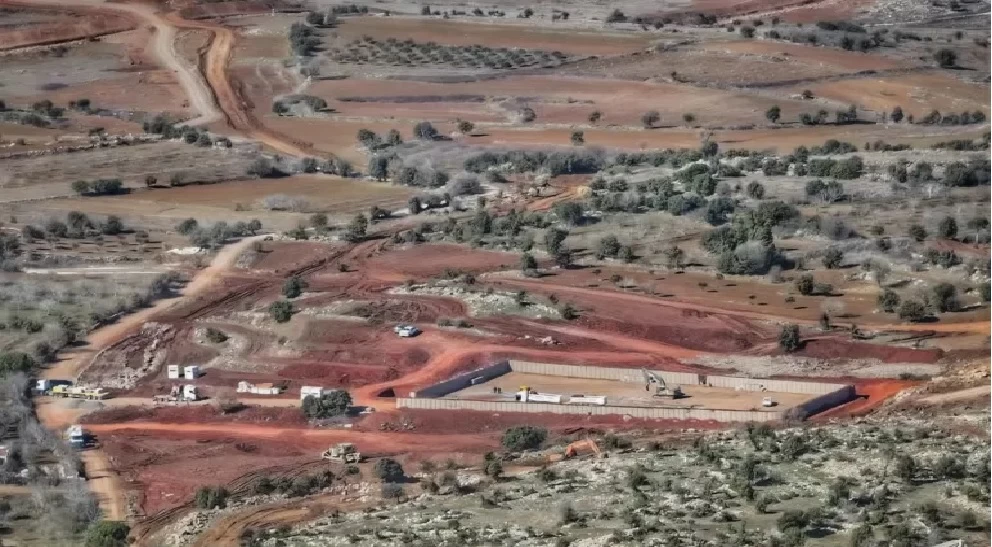
أعادت قوات الاحتلال الإسرائيلي، اليوم (الأحد)، أعمال الحفر في مشروع «سوفا 53» بريف القنيطرة الجنوبي. وكشف تلفزيون «سورية الآن» عن توغلات نفذتها في قرية صيدا الجولان وعابدين في ريف درعا الغربي، أمس (السبت).
وأفاد بأن الجيش الإسرائيلي استأنف الحفر على أطراف قرية العشة في ريف القنيطرة الجنوبي، مشيرا إلى مشاهدة آليات تقوم بعمليات الحفر ورفع السواتر الترابية في المنطقة.
مشروع هندسي عسكري
مشروع هندسي عسكري تنفذه قوات الاحتلال في ريف القنيطرة، ضمن منطقة فضّ الاشتباك، وبدأ تنفيذه منتصف عام 2022 ابتداء من أطراف بلدة حضر باتجاه قرى جباتا الخشب، الحميدية في ريف القنيطرة الشمالي، إلى القحطانية، رويحينة، بئر عجم، بريقة في الريف الأوسط، والعشة جنوبي القنيطرة.
وبحسب مركز «سجل» المختص برصد العمليات الإسرائيلية في سورية، يقوم المشروع على شق طريق بعرض ثمانية أمتار، محصن بسواتر ترابية يبلغ ارتفاعها خمسة أمتار، ومزود بنقاط مراقبة وخنادق على طول مساره الممتد في المنطقة العازلة بمحاذاة الجولان المحتل.
يذكر أن سورية وإسرائيل وقعتا اتفاقية فض الاشتباك عام 1974، بهدف الفصل بين القوات المتحاربة من الجانبين وفك الاشتباك بينهما عقب حرب أكتوبر 1973. وتضمنت الاتفاقية ترتيبات لفصل القوات، وحددت خطين رئيسيين، عرفا بـ«ألفا» و«برافو»، ويفصلان بين المواقع العسكرية السورية والإسرائيلية. كما أنشئت منطقة عازلة بين الخطين، وتخضع لإشراف قوة من الأمم المتحدة تعرف بـ«الأندوف».
سقوط نظام بشار الأسد
وكثفت القوات الإسرائيلية العمل في المشروع، عقب سقوط نظام بشار الأسد في 8 ديسمبر 2024، مستغلة حالة الفراغ الأمني، ليمتد التوغل الإسرائيلي داخل المنطقة العازلة بمسافة تراوحت بين 300 و1000 متر، ما أدى إلى الاستيلاء على مساحات واسعة من الأراضي الزراعية. واقتطعت قوات الاحتلال 7 آلاف دونم من أراضي قرية جباتا الخشب و6 آلاف دونم من قريتي الحميدية والحرية لصالح المشروع، كما دمرت الغطاء النباتي بشكل شبه كامل هناك، بما في ذلك المراعي والأشجار البرية التي كانت تشكل مصدر دخل أساسي للسكان المحليين. وعقب الإطاحة بنظام الأسد، أعلنت إسرائيل انهيار اتفاق فض الاشتباك لعام 1974، واحتلت المنطقة السورية العازلة، وأكدت دمشق تمسكها بالاتفاق، وطالبت بانسحاب القوات الإسرائيلية من الأراضي السورية التي احتلتها.
تقاطع مع مشروع «الشرق الجديد»
وفي أغسطس الماضي، كشفت صحيفة «يديعوت أحرونوت» عن مشروع «الشرق الجديد» للتحصينات الإسرائيلية داخل الجولان، موضحة أن الجيش الإسرائيلي أنجز 80% من أعمال حفر الخنادق ضمن المشروع على طول المنطقة العازلة من مجدل شمس وحتى حوض اليرموك بريف درعا جنوبي سوريا. وتشير المعلومات إلى تقاطع كبير بين المشروعين، موضحة أن «الشرق الجديد» يهدف إلى «تحصين منطقة الحدود الإسرائيلية السورية بأكملها باستخدام خنادق بعمق وعرض 4 أمتار وسدود ترابية عالية». ولفتت إلى أن المشهد الجديد المصاحب للسياج، هو «عبارة عن نظام من الخنادق العميقة المحصنة، المصممة أيضا لعرقلة وتأخير دخول القوات المعادية إلى الأراضي الإسرائيلية سيرا على الأقدام».
وذكرت أن الجيش الإسرائيلي يعمل حاليا على شريط أمني في عمق المنطقة، يضم نحو 9 نقاط تفتيش بحجم سرية، ويسير دوريات في القرى والمناطق المفتوحة، لا سيما في قطاع الجولان الجنوبي.
توغلات وإطلاق نار
وأطلقت قوات الاحتلال، أمس (السبت)، النار باتجاه منازل في قرية صيدا الجولان خلال توغلها هناك، كما استهدفت عددا من الإعلاميين أثناء تغطيتهم التوغل، بحسب الوكالة السورية للأنباء «سانا». واستهدفت أطراف بلدة عابدين بريف درعا بعدد من قذائف المدفعية.
The Israeli occupation forces resumed excavation work today (Sunday) in the "Sofa 53" project in the southern Quneitra countryside. The "Syria Now" television revealed incursions carried out in the village of Saida in the Golan Heights and Abidin in the western Daraa countryside yesterday (Saturday).
It was reported that the Israeli army resumed digging on the outskirts of the village of Al-Asha in the southern Quneitra countryside, noting that machinery was seen conducting excavation and raising earthen berms in the area.
Military Engineering Project
This is a military engineering project being implemented by the occupation forces in the Quneitra countryside, within the disengagement zone, which began in mid-2022 starting from the outskirts of the town of Hadr towards the villages of Jabata al-Khashab, al-Hamidiyah in the northern Quneitra countryside, to al-Qahṭaniyah, Ruwaihina, Bir Ajm, Bureika in the central countryside, and Al-Asha in southern Quneitra.
According to the "Record" center, which specializes in monitoring Israeli operations in Syria, the project involves cutting a road eight meters wide, fortified with earthen berms five meters high, and equipped with observation points and trenches along its path extending in the buffer zone adjacent to the occupied Golan.
It is worth mentioning that Syria and Israel signed a disengagement agreement in 1974, aimed at separating the warring forces from both sides and disengaging them after the October 1973 War. The agreement included arrangements for the separation of forces and defined two main lines, known as "Alpha" and "Bravo," which separate the Syrian and Israeli military sites. A buffer zone was also established between the two lines, supervised by a United Nations force known as "UNDOF."
The Fall of Bashar al-Assad's Regime
The Israeli forces intensified work on the project following the fall of Bashar al-Assad's regime on December 8, 2024, exploiting the security vacuum, which allowed the Israeli incursion into the buffer zone to extend between 300 and 1000 meters, leading to the seizure of large areas of agricultural land. The occupation forces confiscated 7,000 dunams from the lands of the village of Jabata al-Khashab and 6,000 dunams from the villages of al-Hamidiyah and al-Hurriya for the benefit of the project, and they nearly completely destroyed the vegetation there, including pastures and wild trees that were a primary source of income for the local population. Following the overthrow of Assad's regime, Israel announced the collapse of the disengagement agreement of 1974 and occupied the Syrian buffer zone, while Damascus reaffirmed its commitment to the agreement and demanded the withdrawal of Israeli forces from the Syrian lands they occupied.
Intersection with the "New East" Project
Last August, the newspaper "Yedioth Ahronoth" revealed the "New East" project for Israeli fortifications within the Golan, stating that the Israeli army had completed 80% of the trench excavation work within the project along the buffer zone from Majdal Shams to the Yarmouk Basin in the southern Daraa countryside of Syria. Information indicates a significant intersection between the two projects, clarifying that the "New East" aims to "fortify the entire Israeli-Syrian border area using trenches four meters deep and wide and high earthen barriers." It noted that the new scene accompanying the fence is "a system of deep fortified trenches, also designed to obstruct and delay the entry of hostile forces into Israeli territory on foot."
It was mentioned that the Israeli army is currently working on a security strip deep in the area, which includes about nine checkpoints the size of a company, and conducts patrols in the villages and open areas, especially in the southern Golan sector.
Incursions and Gunfire
Yesterday (Saturday), the occupation forces fired at homes in the village of Saida in the Golan during their incursion there, and they targeted several journalists while covering the incursion, according to the Syrian news agency "SANA." They also targeted the outskirts of the town of Abidin in the Daraa countryside with several artillery shells.