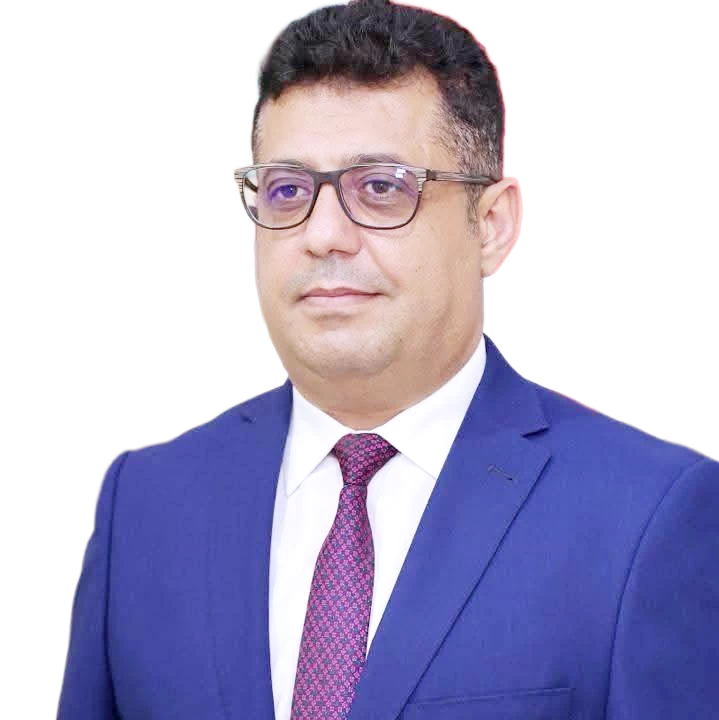
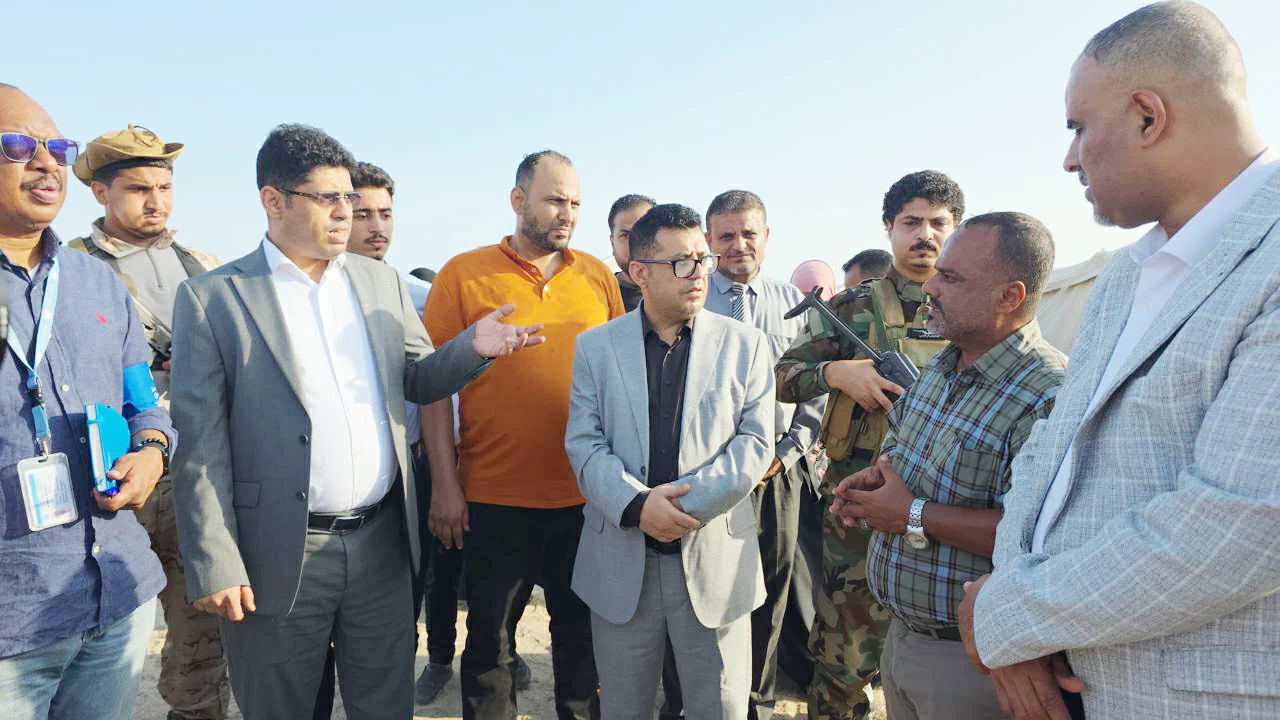
أكد وزير الدولة المكلف بالنزوح والهجرة غير النظامية وليد الأبارة، في حوار خاص لـ«عكاظ»، أن وجود الحكومة في عدن يعكس استمرار حضور الدولة ومؤسساتها، وقدرتها على العمل من الداخل وإدارة الأزمات ومتابعة الملفات ميدانياً، وتقديم الخدمات وتعزيز الصمود ومواجهة تداعيات الحرب.
وقال: إن أولويات المرحلة واضحة، وتتمثل في تعزيز قدرات القوات الحكومية، ورفع الجاهزية القتالية، وتثبيت الأمن وحماية المناطق المحررة، وصولاً إلى استعادة الدولة وإنهاء الانقلاب. وشدد على أن الحكومة لن تتراجع، ولن تسمح لمليشيا الحوثي بفرض مستقبل اليمنيين بقوة السلاح، مؤكداً أن الدولة ستستعيد صنعاء.
واستعرض الأبارة التداعيات الإنسانية للتصعيد الحوثي، الذي لا يفرق بين المدني والعسكري، وطال محافظات مأهولة مثل تعز ومأرب ولحج، إضافة إلى التهجير القسري في الساحل الغربي والاستيلاء على الممتلكات. وكشف أن عدد النازحين وصل إلى 25,116 أسرة تضم 169,074 نازحاً، وفق تحديثات 21 سبتمبر 2026، فيما تم الوصول إلى 90 ألف نازح حتى الخميس 24 سبتمبر، وتقديم مساعدات أولية منقذة للحياة لهم بالتعاون مع الشركاء الدوليين.
وفي ما يلي نص الحوار:
الدعم السعودي
• في البداية، ما تقييمكم لقيمة وأهمية الدعم السعودي المقدم لليمن؟
•• الدعم السعودي لليمن رافد سياسي واقتصادي وإنساني مهم في دعم استقرار مؤسسات الدولة، في ظل استمرار تصعيد مليشيا الحوثيين الإرهابية. ويسهم هذا الدعم في استقرار الحكومة، والتخفيف من المعاناة الإنسانية والاقتصادية، والاستجابة للطوارئ الإنسانية، ودعم استقرار أسعار الصرف، إلى جانب الإسهام في تطوير البنية التحتية والخدمات الأساسية.
وتبرز أهمية هذا الدعم في كونه يوفر للحكومة مساحة أكبر لمواجهة الضغوط الاقتصادية والخدمية والإنسانية، ويساعد على الحفاظ على الحد الأدنى من الاستقرار في ظروف بالغة التعقيد.
تداعيات إنسانية كبيرة
• وماذا عن التداعيات الإنسانية الناجمة عن الحرب الحوثية وتفاقم قضية النازحين؟
•• شكّل تصعيد مليشيا الحوثي تداعيات إنسانية كبيرة، خصوصاً أنه يشمل مناطق ومحافظات مأهولة مثل تعز ومأرب ولحج، علاوة على أن القصف لا يفرق بين المدني والعسكري.
ويرجع العدد الكبير للنازحين إلى أسباب عدة، أبرزها التهجير القسري في الساحل الغربي، في مناطق المخا وحيس والخوخة والوازعية، لإجبار السكان على النزوح والاستيلاء على الممتلكات ومنحها لعناصر المليشيا، لإحداث تغيير ديموغرافي حول باب المندب.
أضف إلى ذلك هلع السكان من بطش الحوثي وممارساته الطائفية والعنصرية، ولذلك يفضلون النزوح على البقاء تحت حكمه. كما أن من تكتيكات المليشيا نقل المعدات إلى القرى، ومنها القصف واستخدام الناس دروعاً بشرية، وهذا يدفع الأهالي إلى النزوح.
أرقام تكشف المأساة
• إلى أين تمت عملية النزوح، وما حجم أعداد النازحين، وما أبرز الإشكالات التي واجهتهم؟
•• توزع النازحون على 10 محافظات، واتجهت الأسر التي تعرضت للنزوح المزدوج نحو عدن ولحج وتعز ومحافظات أخرى. ووصل عدد النازحين إلى 25,116 أسرة تضم 169,074 نازحاً، وتمثلت أبرز الإشكالات في استمرار القصف وتدهور الأمن، واضطرار آلاف الأسر إلى النزوح المزدوج والفرار دون ممتلكاتهم لعدم توفر وسائل نقل، فضلاً عن المخاطر المباشرة واستهداف أماكن الإيواء، كالمدارس، ونقص البنية التحتية والإيواء والمياه في المخيمات نتيجة الفجوة التمويلية.
تنسيق الجهود الحكومية
• كيف تعاملت الحكومة مع هذا الملف الإنساني، وما المعالجات السريعة والمساعدات التي قدمتها للنازحين كحلول طارئة؟
•• وضعت الحكومة ملف النزوح الطارئ على رأس أولوياتها، وكلفت وزير دولة بالإشراف عليه لقيادة التنسيق الحكومي. وتقوم الوزارات القطاعية والمحافظون والوحدة التنفيذية لإغاثة النازحين بأدوار كبيرة في حصر وتسجيل النازحين، وتوفير الإيواء الطارئ، وافتتاح مخيمات في عدة محافظات، وتكثيف التنسيق مع الشركاء الدوليين.
ويجري حالياً تقييم الاستجابة والفجوة التمويلية، وخلال الأسبوع القادم ستكون هناك خطوات إضافية أكثر فاعلية، خصوصاً مع استمرار تدفق النازحين. وحتى الخميس 24 سبتمبر، تم الوصول إلى 90 ألف نازح وتقديم المساعدات الأولية المنقذة للحياة بالتعاون مع الشركاء الدوليين.
استمرار القصف الحوثي
• ما الصعوبات التي واجهها النازحون في الانتقال إلى الأماكن الآمنة، وما الذي اتخذته الحكومة بشأنها؟
•• واجه النازحون صعوبات، خصوصاً الذين نزحوا قرب مناطق الاشتباك، كالنازحين في سبع مدارس برأس العارة، الذين لم تتمكن المنظمات من الوصول إليهم، ويتعرضون لاستهداف مستمر من مليشيا الحوثي، وآخره استهداف مدرسة، وسقوط شهداء وجرحى.
ولعدم تمكن المنظمات من الوصول، خصصت الحكومة عبر وزارة الدفاع مطبخاً متنقلاً يقدم ألف وجبة يومياً، ويجري التنسيق مع لحج والشركاء لنقلهم إلى مخيم آمن، كما أن أغلب النازحين فروا بأنفسهم دون أخذ شيء، لعدم توفر وسائل نقل.
نزوح مناطق الساحل
• كيف تصفون حجم الأزمة الإنسانية الناجمة عن حالة النزوح من المخا ومناطق الساحل الغربي؟
•• تكمن مأساة النزوح من الساحل الغربي في أن المواطنين لم يكونوا مستعدين، فحدث تدافع كبير هرباً من المليشيات، في ظل انعدام وسائل النقل، وتركوا أموالهم للنجاة بأنفسهم.
مزيد من التنسيق الحكومي
• ماذا عن مستوى التنسيق بين الوزارات والجهات المعنية بملف النازحين؟
•• هناك تنسيق حكومي بين الوزارات المعنية بالنزوح، والسلطات المحلية، والوحدة التنفيذية لمخيمات النازحين، والوزير المعني بالملف تحت إشراف مباشر من رئيس الوزراء؛ إذ تُرفع المعلومات أولاً بأول وتُتخذ القرارات، كما عقد رئيس الوزراء لقاء مع محافظ الحديدة، وجمع وزير الدولة المعني بالنزوح والشباب والرياضة ممثلين لقوات المقاومة الوطنية والخلية الإنسانية، وتم إيجاد آليات تنسيق مستمر، ويبذل محافظو المحافظات المستقبلة جهداً كبيراً في توفير أراضٍ للمخيمات، وتقديم المساعدات، وتسهيل عمل المنظمات.
دور المنظمات الإنسانية
• ما حجم تفاعل المنظمات الإنسانية مع قضية النازحين، وما طبيعة ومستوى الدعم المقدم وإسهاماته؟
•• هناك تعاون من المنظمات والوكالات الدولية، وقدمت مساعدات أولية بالتنسيق مع الحكومة لنحو 90 ألف نازح، تشمل الاحتياجات المنقذة للحياة وتكفي أسبوعاً. كما قدم مركز الملك سلمان سلالاً غذائية في عدة محافظات، ورغم ذلك، ما تزال مخيمات كثيرة تفتقر إلى البنية التحتية، خصوصاً المياه والكهرباء، مع نقص الإيواء. وفي لحج وأبين جُهزت أراضٍ للمخيمات، لكنها لم تجهز بعد، ونبحث مع الشركاء افتتاح مخيمات جديدة مع استمرار التدفق.
الحكومة تعمل من الداخل
• ما الذي يعنيه وجود الحكومة في هذا الوقت في العمل من الداخل، ودورها في إدارة المعركة ومواجهة تداعيات الحرب؟
•• بقاء الحكومة في الداخل يعني استمرار حضور الدولة ومؤسساتها، وتحملها مسؤولية إدارة شؤون المواطنين في الحرب، وتعزيز الصمود، ومواجهة التداعيات الإنسانية والخدمية والأمنية، ومنع الفراغ الإداري والسياسي، ومتابعة احتياجات المواطنين ودعم السلطات المحلية، كما يعكس وجودها على الأرض قدرتها على إدارة الأزمات ومتابعة الملفات ميدانياً، والتحرك السياسي والدبلوماسي لحشد الدعم، بما يهيئ الظروف لاستعادة الاستقرار وإعادة بناء المؤسسات.
معركة واضحة المعالم
• كيف تسير المعارك مع المليشيات الحوثية، وهل تتجه الحكومة لتحقيق النصر الكامل، وهل وصلنا إلى نقطة بات الحسم العسكري هو الخيار الوحيد؟
•• المعركة مع مليشيا الحوثي ليست مفتوحة بلا هدف، بل واضحة؛ استعادة الدولة، وإنهاء الانقلاب، وإسقاط مشروع فرض الأمر الواقع بالسلاح. نمضي بثبات نحو هذا الهدف، وكل جهد عسكري وسياسي يصب في استعادة القرار الوطني وإنهاء قدرة المليشيا على تهديد اليمنيين وأمن البلاد والمنطقة.
وفي هذه المرحلة لا حديث عن سلام أو تسوية.. نحن أمام معركة مستمرة، والدولة تتعامل معها كمعركة وجود واستعادة سيادة. والحسم العسكري ليس شعاراً، بل خيار تفرضه مواجهة مليشيا اختارت السلاح لفرض مشروعها، وأي حديث عن حلول سياسية لا معنى له ما لم يتغير واقع القوة على الأرض وتنتهِ قدرة المليشيا على فرض إرادتها بالسلاح.
أما صنعاء، فهي ليست هدفاً عسكرياً ، بل عاصمة الدولة ومركز قرارها، واستعادتها جزء أساسي من استعادة اليمن. وقد تتغير طبيعة العمليات وتوقيتها وفق الميدان، لكن الهدف لم يتغير، والإرادة السياسية في إنهاء الانقلاب واستعادة العاصمة ثابتة.
أولويات المرحلة واضحة
• ما أولويات الحكومة خلال هذه المرحلة؟
•• أولوياتنا واضحة؛ تعزيز قدرات القوات الحكومية، ورفع الجاهزية القتالية، وتثبيت الأمن، وحماية المناطق المحررة، وتعزيز صمود المؤسسات والمواطنين، وصولاً إلى استعادة الدولة وإنهاء الانقلاب.
رسالة أخيرة
• ما الذي تود التأكيد عليه في نهاية هذا الحوار؟
•• ما أريد التأكيد عليه، أن الدولة لن تتراجع، ولن تقبل بتكريس الانقلاب، ولن تسمح لمليشيا الحوثي بفرض مستقبل اليمن بالسلاح. هذه معركة دولة ضد مليشيا، وشعب يريد استعادة قراره وسيادته. والرسالة واضحة: لن يكون لمشروع المليشيا مستقبل في اليمن، وستستعيد الدولة عاصمتها ومؤسساتها وسيادتها، مهما طال الطريق ومهما كانت كلفة المعركة.
The Minister of State for Displacement and Irregular Migration, Walid Al-Abara, confirmed in a special interview with "Okaz" that the presence of the government in Aden reflects the continued presence of the state and its institutions, its ability to operate from within, manage crises, follow up on files on the ground, provide services, enhance resilience, and confront the repercussions of war.
He stated that the priorities of this phase are clear, represented in strengthening the capabilities of government forces, raising combat readiness, stabilizing security, and protecting liberated areas, leading to the restoration of the state and the end of the coup. He emphasized that the government will not back down and will not allow the Houthi militia to impose the future of Yemenis by force of arms, affirming that the state will regain Sana'a.
Al-Abara reviewed the humanitarian repercussions of the Houthi escalation, which does not distinguish between civilian and military, affecting populated governorates such as Taiz, Marib, and Lahij, in addition to the forced displacement along the western coast and the seizure of properties. He revealed that the number of displaced persons has reached 25,116 families comprising 169,074 displaced individuals, according to updates as of September 21, 2026, while the number reached 90,000 displaced individuals by Thursday, September 24, with life-saving initial assistance provided to them in cooperation with international partners.
Below is the text of the interview:
Saudi Support
• First, how do you assess the value and importance of the Saudi support provided to Yemen?
•• The Saudi support for Yemen is an important political, economic, and humanitarian resource in supporting the stability of state institutions, amid the ongoing escalation by the terrorist Houthi militia. This support contributes to stabilizing the government, alleviating humanitarian and economic suffering, responding to humanitarian emergencies, supporting the stability of exchange rates, in addition to contributing to the development of infrastructure and basic services.
The importance of this support is highlighted as it provides the government with a greater space to confront economic, service, and humanitarian pressures, helping to maintain a minimum level of stability in extremely complex conditions.
Significant Humanitarian Repercussions
• What about the humanitarian repercussions resulting from the Houthi war and the exacerbation of the displacement issue?
•• The escalation of the Houthi militia has resulted in significant humanitarian repercussions, especially as it includes populated areas and governorates such as Taiz, Marib, and Lahij, in addition to the fact that the shelling does not distinguish between civilians and military.
The large number of displaced persons can be attributed to several reasons, the most prominent of which is the forced displacement along the western coast, in areas like Al-Mokha, Hays, Al-Khokha, and Al-Wazi'iyah, to force residents to flee and seize properties to give them to militia members, aiming to create a demographic change around Bab al-Mandab.
Additionally, there is the panic among residents due to the brutality of the Houthis and their sectarian and racist practices, leading them to prefer displacement over remaining under their rule. Furthermore, one of the militia's tactics is to move equipment to villages, including shelling and using people as human shields, which drives residents to flee.
Figures Reveal the Tragedy
• Where did the displacement occur, what is the scale of the displaced population, and what are the main issues they faced?
•• The displaced persons are distributed across 10 governorates, with families that experienced double displacement heading towards Aden, Lahij, Taiz, and other governorates. The number of displaced persons has reached 25,116 families comprising 169,074 displaced individuals, with the main issues being the ongoing shelling, deteriorating security, and the forced double displacement of thousands of families who fled without their belongings due to the lack of transportation means, in addition to direct risks and targeting of shelters, such as schools, and the lack of infrastructure, shelter, and water in camps due to funding gaps.
Coordinating Government Efforts
• How has the government dealt with this humanitarian file, and what rapid interventions and assistance have been provided to the displaced as emergency solutions?
•• The government has prioritized the emergency displacement file, appointing a Minister of State to oversee it and lead governmental coordination. Sectoral ministries, governors, and the executive unit for displaced persons relief are playing significant roles in identifying and registering displaced persons, providing emergency shelter, opening camps in several governorates, and intensifying coordination with international partners.
A response evaluation and funding gap assessment are currently underway, and additional, more effective steps will be taken in the coming week, especially with the continued influx of displaced persons. As of Thursday, September 24, assistance has reached 90,000 displaced individuals, providing life-saving initial aid in cooperation with international partners.
Continued Houthi Shelling
• What difficulties have the displaced persons faced in moving to safe areas, and what has the government done about it?
•• The displaced persons have faced difficulties, especially those who fled near conflict areas, such as the displaced in seven schools in Ras Al-Ara, who have not been reachable by organizations and are continuously targeted by the Houthi militia, the latest being the targeting of a school, resulting in casualties and injuries.
Due to the inability of organizations to reach them, the government, through the Ministry of Defense, has allocated a mobile kitchen providing 1,000 meals daily, and coordination is ongoing with Lahij and partners to transfer them to a safe camp, while most displaced individuals fled on their own without taking anything due to the lack of transportation means.
Displacement from Coastal Areas
• How would you describe the scale of the humanitarian crisis resulting from the displacement from Al-Mokha and the western coastal areas?
•• The tragedy of displacement from the western coast lies in the fact that citizens were unprepared, leading to a massive rush to escape from the militias, amid a lack of transportation means, leaving their money behind to save themselves.
Increased Government Coordination
• What is the level of coordination between the ministries and the relevant authorities regarding the displacement file?
•• There is government coordination among the ministries concerned with displacement, local authorities, the executive unit for displaced persons camps, and the minister responsible for the file under the direct supervision of the Prime Minister; information is continuously updated, and decisions are made accordingly. The Prime Minister held a meeting with the governor of Al-Hudaydah, and the Minister of State for Displacement, Youth, and Sports gathered representatives from the National Resistance Forces and the humanitarian cell, establishing mechanisms for ongoing coordination. Governors of receiving governorates are making significant efforts to provide land for camps, deliver assistance, and facilitate the work of organizations.
The Role of Humanitarian Organizations
• What is the level of engagement of humanitarian organizations with the issue of displaced persons, and what is the nature and level of support provided and its contributions?
•• There is cooperation from organizations and international agencies, which have provided initial assistance in coordination with the government to around 90,000 displaced individuals, including life-saving needs sufficient for a week. The King Salman Center has provided food baskets in several governorates; however, many camps still lack infrastructure, especially water and electricity, along with inadequate shelter. In Lahij and Abyan, land has been prepared for camps, but they are not yet equipped, and we are discussing with partners the opening of new camps as the influx continues.
The Government Works from Within
• What does the presence of the government at this time working from within mean, and what is its role in managing the battle and confronting the repercussions of war?
•• The government's presence in the interior means the continued presence of the state and its institutions, taking responsibility for managing citizens' affairs during the war, enhancing resilience, confronting humanitarian, service, and security repercussions, preventing administrative and political vacuum, and following up on citizens' needs while supporting local authorities. Its presence on the ground reflects its ability to manage crises and follow up on files in the field, as well as its political and diplomatic movement to gather support, preparing the conditions for restoring stability and rebuilding institutions.
A Battle with Clear Features
• How are the battles with the Houthi militias progressing, and is the government heading towards achieving complete victory? Have we reached a point where military resolution is the only option?
•• The battle with the Houthi militia is not an open-ended one without a goal; it is clear: restoring the state, ending the coup, and overthrowing the project of imposing the status quo by force. We are steadily moving towards this goal, and every military and political effort contributes to restoring national decision-making and ending the militia's ability to threaten Yemenis and the security of the country and the region.
At this stage, there is no talk of peace or settlement... we are facing an ongoing battle, and the state is treating it as a battle for existence and restoring sovereignty. Military resolution is not just a slogan; it is an option imposed by confronting a militia that has chosen arms to impose its project, and any talk of political solutions is meaningless unless the reality of power on the ground changes and the militia's ability to impose its will by force ends.
As for Sana'a, it is not a military target but the capital of the state and its decision-making center, and regaining it is an essential part of restoring Yemen. The nature and timing of operations may change according to the field, but the goal remains unchanged, and the political will to end the coup and restore the capital is steadfast.
Clear Priorities for the Phase
• What are the government's priorities during this phase?
•• Our priorities are clear: strengthening the capabilities of government forces, raising combat readiness, stabilizing security, protecting liberated areas, and enhancing the resilience of institutions and citizens, leading to the restoration of the state and the end of the coup.
Final Message
• What would you like to emphasize at the end of this interview?
•• What I want to emphasize is that the state will not back down, will not accept the entrenchment of the coup, and will not allow the Houthi militia to impose the future of Yemen by force. This is a battle of the state against a militia, and a people wanting to restore its decision and sovereignty. The message is clear: the militia's project will have no future in Yemen, and the state will regain its capital, institutions, and sovereignty, no matter how long the road is and what the cost of the battle may be.