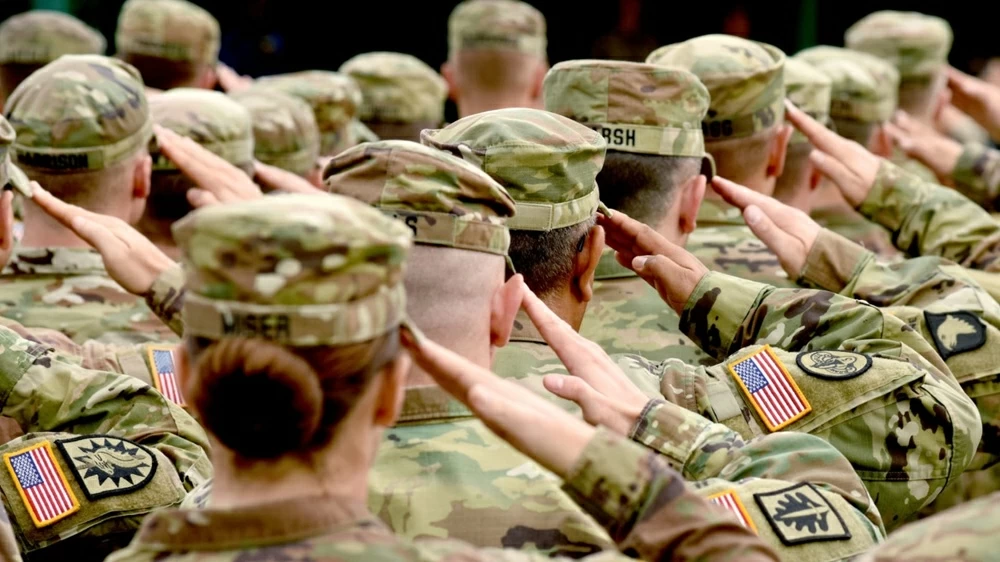
تستعد الولايات المتحدة لتعزيز وجودها العسكري في الشرق الأوسط بنحو تسعة إلى 10 آلاف عسكري إضافي، بالتزامن مع إرسال حاملة الطائرات «ثيودور روزفلت» ومجموعة الاستعداد البرمائي «ماكين آيلاند» إلى المنطقة، وسط تعثر المساعي الدبلوماسية لإنهاء الحرب مع إيران.
وغادرت «ثيودور روزفلت» ميناء سان دييغو في 27 سبتمبر الماضي في مهمة مقررة، فيما غادرت مجموعة «ماكين آيلاند» في اليوم التالي، وعلى متنها عناصر من الوحدة الاستكشافية الـ13 لمشاة البحرية الأمريكية. وتضم المجموعة سفنًا برمائية وعناصر من مشاة البحرية، فيما تحمل مجموعة حاملة الطائرات مقاتلات وسفنًا مرافقة.
وبحسب مسؤولين أمريكيين نقلت عنهم صحيفة «وول ستريت جورنال»، فإن وصول هذه القوات والسفن والطائرات إلى المنطقة متوقع بحلول نهاية نوفمبر، وقد يؤدي استمرار انتشار حاملة الطائرات «جورج واشنطن» إلى وجود ثلاث مجموعات قتالية لحاملات طائرات أمريكية في الشرق الأوسط في وقت واحد.
وتوجد حاليًا في المنطقة حاملتا الطائرات «جورج إتش. دبليو. بوش» و«جورج واشنطن»، إلى جانب مجموعة الاستعداد البرمائي التابعة للسفينة «بوكسر»، فيما تأتي التعزيزات الجديدة لتضيف قوة بحرية وجوية ومشاة بحرية كبيرة إلى الانتشار الأمريكي القائم.
ومن شأن اكتمال الانتشار أن يرفع حجم القوة الأمريكية الموجودة في المنطقة إلى مستويات مرتفعة، مع وجود أكثر من 20 ألف بحار وعنصر من مشاة البحرية ضمن التشكيلات البحرية الجديدة والقائمة، فضلًا عن مئات الطائرات والسفن المرافقة. وتفيد تقارير بأن هذا الانتشار يأتي في وقت تمدد فيه وزارة الدفاع الأمريكية بعض مهام الوحدات الموجودة في المنطقة.
ويأتي التحرك العسكري في وقت تواجه فيه المساعي الدبلوماسية بين واشنطن وطهران صعوبات، بعد تعثر الجهود الرامية إلى التوصل إلى صيغة تنهي الحرب المستمرة منذ فبراير 2026، حيث أفادت تقارير بأن إدارة الرئيس الأمريكي دونالد ترمب تدرس خيارات عسكرية جديدة إذا لم تُستأنف المفاوضات أو تحقق تقدمًا.
وتزامن التصعيد العسكري مع استمرار التوتر حول مضيق هرمز، أحد أهم ممرات الطاقة في العالم، ما يضيف بُعدًا اقتصاديًا إلى التداعيات الأمنية للصراع، خصوصًا في ظل اضطراب أسواق النفط وتزايد المخاوف بشأن إمدادات الطاقة العالمية.
ويعني وصول «ثيودور روزفلت» ومجموعة «ماكين آيلاند» أن واشنطن ترفع مستوى خياراتها العسكرية في المنطقة بالتوازي مع المسار الدبلوماسي، فيما يبقى توقيت استخدام هذه القوات وطبيعة المهام التي ستكلف بها مرتبطين بالتطورات القادمة في المواجهة مع إيران.
The United States is preparing to bolster its military presence in the Middle East by approximately nine to ten thousand additional troops, coinciding with the deployment of the aircraft carrier "Theodore Roosevelt" and the amphibious readiness group "Makin Island" to the region, amid stalled diplomatic efforts to end the war with Iran.
"Theodore Roosevelt" departed from San Diego port on September 27 for a scheduled mission, while the "Makin Island" group left the following day, carrying elements from the 13th Marine Expeditionary Unit. The group includes amphibious ships and Marine Corps personnel, while the carrier group carries fighter jets and escort ships.
According to U.S. officials quoted by the Wall Street Journal, the arrival of these forces, ships, and aircraft in the region is expected by the end of November, and the continued presence of the aircraft carrier "George Washington" could result in three U.S. aircraft carrier strike groups being in the Middle East simultaneously.
Currently, the region is home to the aircraft carriers "George H.W. Bush" and "George Washington," along with the amphibious readiness group from the ship "Boxer," while the new reinforcements will add significant naval, aerial, and Marine Corps strength to the existing U.S. deployment.
The completion of this deployment would raise the number of U.S. forces in the region to high levels, with more than 20,000 sailors and Marines among the new and existing naval formations, in addition to hundreds of accompanying aircraft and ships. Reports indicate that this deployment comes at a time when the U.S. Department of Defense is extending some missions of the units present in the region.
The military move comes at a time when diplomatic efforts between Washington and Tehran are facing difficulties, following stalled efforts to reach an agreement to end the ongoing war since February 2026, with reports suggesting that the administration of President Donald Trump is considering new military options if negotiations do not resume or make progress.
The military escalation coincides with ongoing tensions around the Strait of Hormuz, one of the world's most important energy corridors, adding an economic dimension to the security implications of the conflict, especially amid disruptions in oil markets and growing concerns about global energy supplies.
The arrival of "Theodore Roosevelt" and the "Makin Island" group means that Washington is elevating its military options in the region alongside the diplomatic track, while the timing of the use of these forces and the nature of the missions they will be assigned remain linked to upcoming developments in the confrontation with Iran.