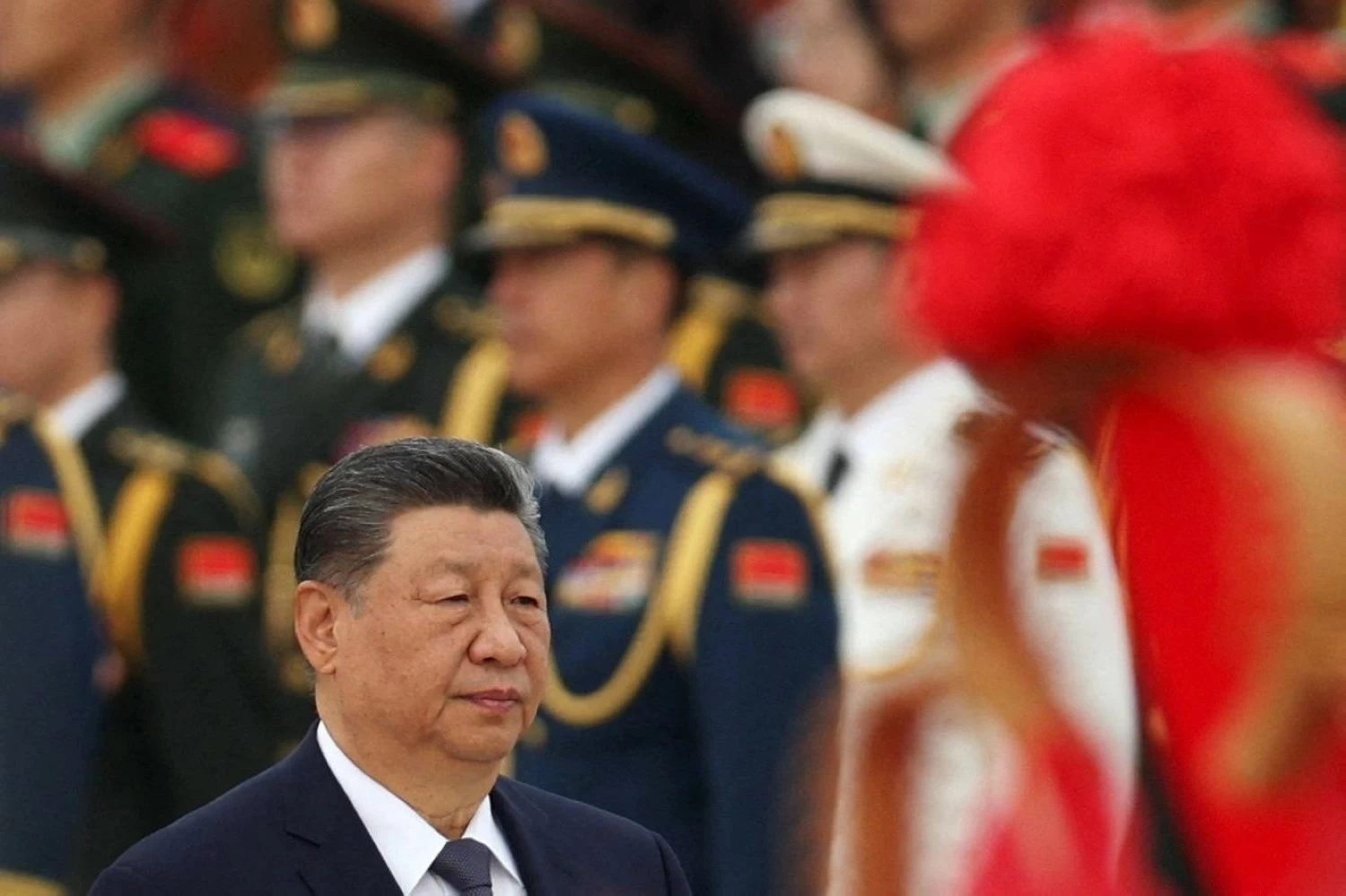
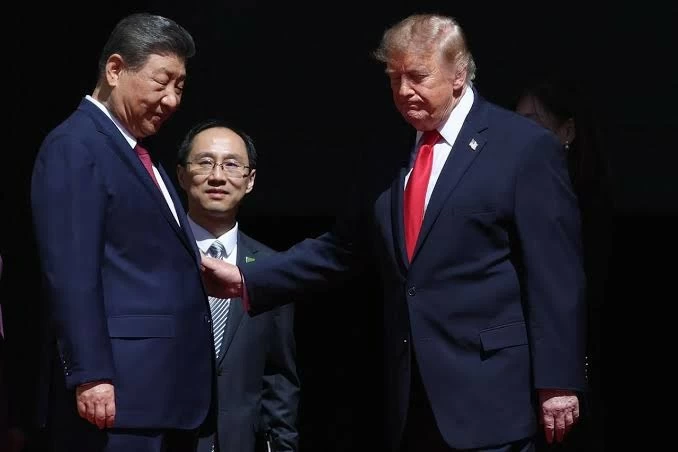
خلص مسؤولون أمريكيون حاليون وسابقون إلى أن احتمال إقدام الصين على غزو تايوان قبل عام 2028 يبدو أقل ترجيحاً مما كان يُعتقد سابقاً، رغم توجيهات الرئيس الصيني شي جين بينغ للجيش بالوصول إلى الجاهزية اللازمة لتنفيذ عملية عسكرية محتملة ضد الجزيرة بحلول عام 2027، وفق ما نقلته وكالة «رويترز» عن مصادر مطلعة على التقييمات الأمريكية.
وبحسب أربعة مصادر، بينهم مسؤولان أمريكيان حاليان ومسؤول سابق وشخص مطلع على الملف، يستند هذا التقييم إلى عاملين رئيسيين؛ أولهما تأثر جاهزية الجيش الصيني بحملة مكافحة الفساد والتطهير التي طالت مستويات عليا في المؤسسة العسكرية، والثاني رغبة بكين في انتظار نتائج الانتخابات الرئاسية والتشريعية في تايوان عام 2028 قبل تحديد خطواتها القادمة.
وتشير هذه التقديرات إلى أن بكين قد تعيد النظر بصورة أكبر في خيار استخدام القوة بعد عام 2028، خصوصاً إذا نجح الحزب الديمقراطي التقدمي الحاكم في تايوان في الاحتفاظ بالسلطة لولاية رابعة، ولا سيما إذا تمكن الرئيس الحالي لاي تشينغ-تي من الفوز بولاية جديدة.
2027 موعد للجاهزية وليس للغزو
ويعكس التقييم الأمريكي الجديد تراجعاً نسبياً عن الاعتقاد الذي ساد لسنوات بأن شي يسعى إلى امتلاك جيش قادر على تنفيذ عملية عسكرية ضد تايوان بحلول عام 2027.
غير أن مسؤولين ومحللين يؤكدون أن هذا العام يمثل موعداً مستهدفاً للجاهزية العسكرية، وليس بالضرورة تاريخاً محدداً لشن هجوم. ويتزامن الموعد مع الذكرى المئوية لتأسيس جيش التحرير الشعبي الصيني.
ورغم أن بكين لا تستبعد استخدام القوة لتحقيق ما تسميه «إعادة توحيد» تايوان مع الصين، فإنها لم تعلن أن شي أصدر أمراً بشن عملية عسكرية في 2027.
كما أشارت تقييمات استخباراتية أمريكية سابقة إلى أن الصين لم تكن تمتلك خطة محددة لغزو تايوان في العام التالي، وأن بكين ما زالت تفضل تحقيق أهدافها تجاه الجزيرة دون اللجوء إلى القوة إذا كان ذلك ممكناً.
انتخابات تايوان في صدارة الحسابات
وتكتسب انتخابات تايوان عام 2028 أهمية خاصة في الحسابات المنسوبة إلى القيادة الصينية، إذ قد ترغب بكين في معرفة ما إذا كان الناخبون سيُبقون الحزب الديمقراطي التقدمي في السلطة أم يختارون حكومة أكثر استعداداً للتعامل مع مطالبها بشأن مستقبل الجزيرة.
وتعتبر بكين تايوان جزءاً من أراضيها، بينما يؤكد الحزب الديمقراطي التقدمي على الهوية السياسية المنفصلة للجزيرة. وفي المقابل، ترفض تايوان مطالب السيادة الصينية وتؤكد أن مستقبلها السياسي يقرره شعبها.
وكان شي قد شدد هذا الأسبوع على تعزيز التنمية السلمية للعلاقات عبر مضيق تايوان وصولاً إلى ما تصفه بكين بـ«إعادة التوحيد».
أمريكا أيضاً ضمن حسابات بكين
ولا تقتصر الحسابات المحتملة على الانتخابات التايوانية، إذ قد تراقب الصين أيضاً نتائج الانتخابات الرئاسية الأمريكية المقررة في 2028، بالنظر إلى الدور الأمريكي المحوري في دعم تايوان وتسليحها.
لكن التقييمات الأمريكية تختلف بشأن مدى تأثير نتيجة الانتخابات الأمريكية في حسابات بكين، فبينما يرى بعض المسؤولين أن الصين قد تضع في اعتبارها موقف الناخب الأمريكي من التدخلات العسكرية الخارجية، يرى مسؤول آخر أن بكين تنظر إلى الحزبين الديمقراطي والجمهوري باعتبارهما متقاربين إلى حد كبير في موقفهما من تايوان، ما قد يجعل نتيجة الانتخابات أقل حسمًا مما كانت عليه قبل نحو 15 عاماً.
مكافحة الفساد تؤثر في جاهزية الجيش
ويبرز عامل آخر في التقييم الأمريكي، يتمثل في حملة مكافحة الفساد التي يقودها شي منذ وصوله إلى السلطة عام 2012، والتي امتدت خلال السنوات الأخيرة إلى جيش التحرير الشعبي وشملت تحقيقات وإقالات طالت قادة عسكريين بارزين.
وأثارت عمليات التطهير تساؤلات بشأن تأثيرها قصير المدى في قدرة الجيش على تنفيذ عمليات عسكرية معقدة، رغم استمرار الصين في تحديث قواتها وتعزيز قدراتها.
وبحسب أحد المسؤولين الأمريكيين الذين تحدثت إليهم «رويترز»، كانت التدريبات العسكرية الصينية خلال العام الماضي أقل حجمًا وأقل تهديدًا مقارنة بالسنوات السابقة، قبل أن تشهد بعض التحسن هذا العام، مع استمرار مؤشرات على وجود عدم رضا داخل المؤسسة العسكرية بشأن مستوى الجاهزية.
عملية عسكرية شديدة التعقيد
وترى التقديرات الأمريكية أن الجيش الصيني ربما استفاد من دروس الحروب والصراعات الأخيرة، بما فيها الحرب في أوكرانيا والتطورات العسكرية في الشرق الأوسط، خصوصاً ما يتعلق بأهمية التحرك السريع وتجنب الانجرار إلى صراع طويل.
لكن السيطرة على تايوان ستظل عملية بالغة التعقيد، بسبب طبيعة الجزيرة الجغرافية وصعوبة تنفيذ عمليات إنزال ونقل القوات والمعدات عبر مضيق تايوان، فضلاً عن احتمال تدخل قوى خارجية.
ونقلت «رويترز» عن مسؤول أمريكي أن أجزاء كثيرة من المتطلبات اللازمة لمثل هذه العملية لا تزال غير مكتملة، معتبراً أنها قد تكون من أصعب العمليات العسكرية التي يمكن لأي جيش تنفيذها منذ إنزال قوات الحلفاء في نورماندي خلال الحرب العالمية الثانية.
دعم أمريكي مستمر لتايوان
وفي المقابل، تواصل أمريكا دعم القدرات الدفاعية لتايوان، بينما تنتظر الجزيرة موافقة واشنطن على حزمة أسلحة جديدة تقدر قيمتها بنحو 14 مليار دولار، بعد صفقة أعلن عنها في ديسمبر الماضي بقيمة نحو 11 مليار دولار.
كما كثفت تايوان جهودها لتعزيز دفاعاتها والتنسيق بين قواتها البحرية وخفر السواحل، في ظل استمرار النشاط العسكري والبحري الصيني حول الجزيرة.
وتبقى قضية تايوان من أكثر الملفات حساسية في العلاقات بين واشنطن وبكين، بينما تشير التقييمات الأمريكية الحالية إلى أن عام 2027 قد يمثل هدفاً للجاهزية العسكرية الصينية أكثر من كونه موعداً محسومًا للحرب، مع بقاء نتائج انتخابات تايوان والولايات المتحدة والتطورات العسكرية والسياسية خلال السنوات القادمة عوامل رئيسية في تحديد مسار الأزمة.
Current and former American officials have concluded that the likelihood of China invading Taiwan before 2028 seems less probable than previously thought, despite Chinese President Xi Jinping's directives to the military to achieve the necessary readiness for a potential military operation against the island by 2027, according to sources familiar with U.S. assessments reported by Reuters.
According to four sources, including two current U.S. officials, a former official, and a person familiar with the matter, this assessment is based on two main factors: the first is the impact of the anti-corruption campaign and purges that have affected high levels of the military establishment on the readiness of the Chinese army, and the second is Beijing's desire to wait for the results of the presidential and legislative elections in Taiwan in 2028 before determining its next steps.
These estimates suggest that Beijing may reconsider the option of using force more significantly after 2028, especially if the ruling Democratic Progressive Party in Taiwan succeeds in retaining power for a fourth term, particularly if the current president, Lai Ching-te, manages to win a new term.
2027 as a readiness target, not an invasion date
The new U.S. assessment reflects a relative retreat from the belief that Xi aims to have an army capable of executing a military operation against Taiwan by 2027.
However, officials and analysts emphasize that this year represents a target date for military readiness, not necessarily a specific date for launching an attack. This date coincides with the centenary of the founding of the People's Liberation Army.
Although Beijing does not rule out the use of force to achieve what it calls the "reunification" of Taiwan with China, it has not announced that Xi has ordered a military operation in 2027.
Previous U.S. intelligence assessments have also indicated that China did not have a specific plan for invading Taiwan in the following year, and that Beijing still prefers to achieve its objectives regarding the island without resorting to force if possible.
Taiwan elections at the forefront of considerations
The 2028 elections in Taiwan hold particular significance in the calculations attributed to the Chinese leadership, as Beijing may want to know whether voters will keep the Democratic Progressive Party in power or choose a government more willing to deal with its demands regarding the future of the island.
Beijing considers Taiwan part of its territory, while the Democratic Progressive Party emphasizes the island's separate political identity. In contrast, Taiwan rejects China's sovereignty claims and asserts that its political future is determined by its people.
Xi emphasized this week the importance of promoting peaceful development of relations across the Taiwan Strait towards what Beijing describes as "reunification."
America also in Beijing's calculations
The potential calculations are not limited to the Taiwanese elections; China may also monitor the results of the U.S. presidential elections scheduled for 2028, given the pivotal American role in supporting and arming Taiwan.
However, U.S. assessments differ regarding the extent to which the outcome of the U.S. elections will influence Beijing's calculations. While some officials believe that China may consider the American voter's stance on foreign military interventions, another official argues that Beijing views both the Democratic and Republican parties as largely similar in their stance on Taiwan, which may make the election outcome less decisive than it was about 15 years ago.
Anti-corruption affects military readiness
Another factor highlighted in the U.S. assessment is the anti-corruption campaign led by Xi since he came to power in 2012, which has recently extended to the People's Liberation Army and included investigations and dismissals of prominent military leaders.
The purges have raised questions about their short-term impact on the military's ability to conduct complex military operations, despite China's ongoing modernization of its forces and enhancement of its capabilities.
According to one of the U.S. officials interviewed by Reuters, Chinese military exercises over the past year were smaller in scale and less threatening compared to previous years, before witnessing some improvement this year, with ongoing indications of dissatisfaction within the military establishment regarding the level of readiness.
A highly complex military operation
U.S. estimates suggest that the Chinese army may have benefited from lessons learned from recent wars and conflicts, including the war in Ukraine and military developments in the Middle East, particularly regarding the importance of rapid movement and avoiding getting drawn into a prolonged conflict.
However, controlling Taiwan will remain an extremely complex operation due to the island's geographical nature and the difficulties of executing landings and transporting troops and equipment across the Taiwan Strait, in addition to the possibility of external intervention.
Reuters reported that a U.S. official stated that many of the requirements necessary for such an operation remain incomplete, considering it could be one of the most challenging military operations any army could undertake since the Allied landings in Normandy during World War II.
Continued U.S. support for Taiwan
In contrast, the U.S. continues to support Taiwan's defense capabilities, while the island awaits Washington's approval of a new arms package estimated at around $14 billion, following a deal announced last December worth about $11 billion.
Taiwan has also intensified its efforts to bolster its defenses and coordinate between its naval and coast guard forces amid ongoing Chinese military and naval activity around the island.
The issue of Taiwan remains one of the most sensitive topics in U.S.-China relations, while current U.S. assessments indicate that 2027 may represent a target for Chinese military readiness more than a definitive date for war, with the outcomes of the Taiwan and U.S. elections and military and political developments over the coming years remaining key factors in determining the course of the crisis.