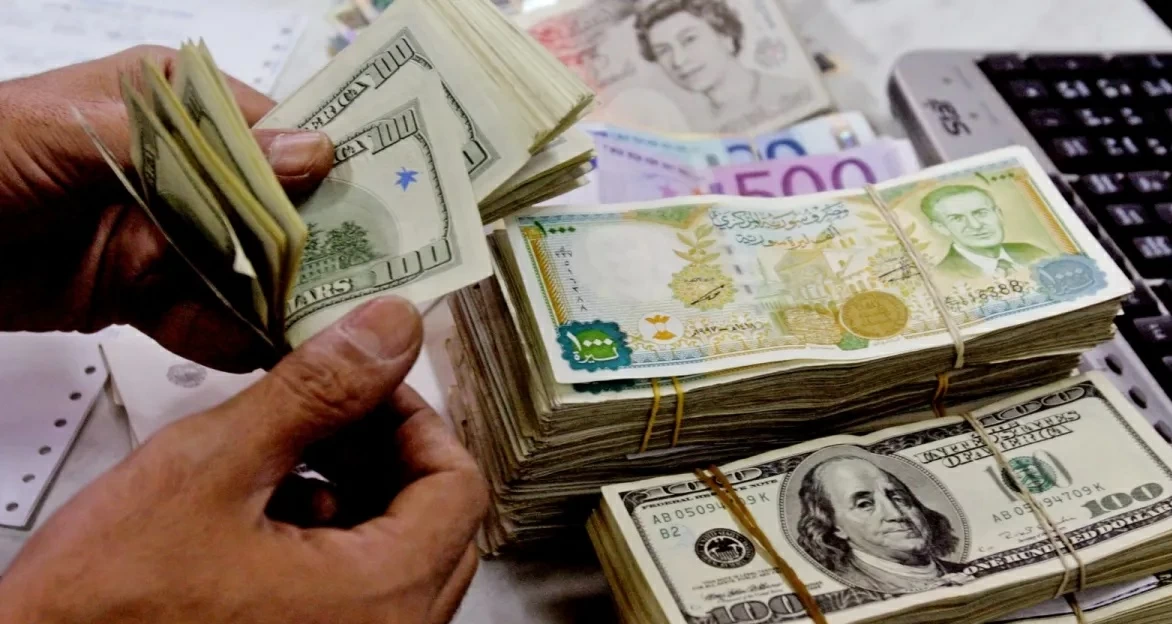
في أواسط الثمانينيات، تعرضت سورية لأكبر عملية سطو مالي في تاريخها، عندما اتفق حافظ الأسد وشقيقه رفعت على مبدأ «المال مقابل التنازل عن السلطة»، حينها منح حافظ الأسد رفعت كل أموال البنك المركزي، الذي أعلن إفلاسه ليدخل على خط الصفقة الرئيس الراحل معمر القذافي وينقذ عائلة الأسد من انهيار حكمهم وتولى توفير بقية المبلغ لرفعت الذي غادر سورية بعد أن أصاب البنك المركزي بالجفاف المالي.
كانت بداية قصة فساد الأسد والطغمة الحاكمة منذ ذلك التاريخ وما يزال الشعب السوري يدفع ثمن هذه الصفقة.
البداية كانت من رفعت الأسد لكن القصة تمتد إلى هذه اللحظة، ذلك أن المليارات السورية التي هربها آل الأسد ونظامه السابق لا يمكن حصرها في الدول الأوروبية وغيرها، إذ تعتبر هذه المهمة الأصعب، لكن من يتولى هذه المهمة؟ من يعيد أموال سورية المنهوبة؟
اكتشفت الدولة السورية بعد 8 ديسمبر 2024 أن الأولوية الغائبة عن أنظار الكثيرين هي استعادة أموال الشعب السوري التي تكالب عليها مسؤولو النظام السوري السابق على مدى عقود، وقررت الرئاسة السورية تشكيل ما يعرف بـ«اللجنة الوطنية للكسب غير المشروع»، من خلال المرسوم 13 في العام 2025، والتي يرأسها المهندس باسل سويدان أحد أبرز الشخصيات الخبيرة في استرداد الأموال المنهوبة وكذلك التسويات التي تعيد الحقوق إلى الشعب السوري بالدرجة الأولى ومن ثم تسوية أوضاع الناهبين، ومنذ ذلك الحين بدأت أحد أبرز المسارات السورية الحيوية والتاريخية في مسيرة بناء الدولة السورية، بعيداً عن الإعلام وبعيداً عن «الترندات» السياسية السائدة في كثير من قطاعات الدولة.
كان التحدي الأكبر أمام هذه اللجنة إيجاد المنهجية والمعايير حول آلية ملاحقة أتباع النظام السابق وكيف يمكن معرفة وتفكيك هذه المنظومة الفاسدة التي تشكلت على مدى عقود من الزمن.
لم تكن المهمة سهلة على الإطلاق نتيجة الظروف الأمنية التي هيمنت على سورية إثر التحرير، لكن الأمر لم يطل كثيراً حتى تمكنت اللجنة من وضع منهجية علنية شفافة ومعايير واضحة المعالم يتم من خلالها استعادة الحقوق السورية وفق آلية معتمدة.
فما هي مهمة هذه اللجنة؟ وفق النظام الداخلي صون المال العام، من خلال التحقيق في حالات الكسب غير المشروع، وإدارة برامج التسويات والإفصاح الطوعي، واسترداد الأموال المشبوهة لصالح الخزينة العامة للدولة، ونشر ثقافة النزاهة، وتعزيز ثقة المواطنين بالمؤسسات العامة، ولعل القسم الأخير من عمل هذه اللجنة الأكثر أهمية في مسيرة بناء الدولة السورية، ذلك أن الثقة المتبادلة بين السوريين ومؤسسات الدولة الأمر الذي فقده السوريون طوال عقود خصوصاً سنوات الحرب التي تحول فيها النظام السوري السابق إلى وحش يبتلع كل أموال السوريين وخصوصاً من عارضه ومن رفض أن يكون إلى جانبه في قمع الشعب السوري، وهذه الفئة «تجار الحروب» هم أساس عمل لجنة الكسب غير المشروع، وبعض الشخصيات الفاسدة التي استغلت عملها في النظام السابق على مدى عقود.
تمكنت اللجنة على مدى عام كامل من اصطياد العديد من الفاسدين وتجار الحروب لصالح ميزانية الدولة السورية، ونتيجة لذلك العمل حاولت بعض الجهات التي تضررت من عمل لجنة الكسب غير المشروع، اغتيال أحد أعضاء هذه اللجنة في محاولة من فلول النظام والفاسدين لتعطيل عمل اللجنة وتخويفها، ومع ذلك استمر عمل هذه اللجنة حتى الآن.
ومن ثم يمكن القول إن عمل هذه اللجنة في سورية هو العمود الفقري الاقتصادي في عمل الدولة السورية التي تعاني من مشكلات اقتصادية جمة نتيجة السرقات المتوالية على مدى عقود من الزمن، فالأموال التي حُرم منها الشعب السوري على مدى عقود هي مسؤولية هذه اللجنة في استعادتها، وتصحيح مسار التاريخ في سورية، التي تحتاج إلى تصحيح المسار على أكثر من صعيد، خصوصاً أن العهد الجديد بدأ بشعار استعادة حقوق وكرامة الشعب السوري المسلوبة منذ أن تولى حافظ الأسد السلطة في العام 1970، فالمهمات في سورية ليست سهلة على الإطلاق في ظل دولة ناشئة تستعيد كل أركانها المدمرة.
In the mid-1980s, Syria experienced the largest financial heist in its history when Hafez al-Assad and his brother Rifaat agreed on the principle of "money in exchange for relinquishing power." At that time, Hafez al-Assad granted Rifaat all the funds of the central bank, which declared bankruptcy, allowing the late President Muammar Gaddafi to enter the deal and save the Assad family's regime from collapse. He took on the responsibility of providing the remaining amount for Rifaat, who left Syria after draining the central bank financially.
The story of corruption involving the Assads and the ruling clique began at that time, and the Syrian people continue to pay the price for this deal.
The beginning was with Rifaat al-Assad, but the story extends to this moment, as the billions of Syrian pounds that the Assad family and its former regime smuggled cannot be accounted for in European countries and elsewhere. This task is considered the most challenging, but who will undertake it? Who will return the looted Syrian funds?
The Syrian state discovered after December 8, 2024, that the missing priority for many is the recovery of the Syrian people's funds that were plundered by the officials of the former Syrian regime over decades. The Syrian presidency decided to form what is known as the "National Committee for the Recovery of Illicit Gains" through Decree 13 in 2025, chaired by engineer Basel Suwaydan, one of the most prominent experts in recovering looted funds, as well as in settlements that restore rights to the Syrian people first and then address the situation of the looters. Since then, one of the most vital and historical Syrian pathways in the journey of building the Syrian state began, away from the media and the prevailing political "trends" in many sectors of the state.
The biggest challenge facing this committee was finding the methodology and criteria for pursuing the followers of the former regime and how to identify and dismantle this corrupt system that had formed over decades.
The task was not easy at all due to the security conditions that dominated Syria after liberation, but it did not take long for the committee to establish a transparent public methodology and clear criteria through which Syrian rights could be restored according to an adopted mechanism.
So what is the mission of this committee? According to the internal regulations, it is to safeguard public funds by investigating cases of illicit gains, managing settlement programs and voluntary disclosures, recovering suspicious funds for the benefit of the state treasury, and promoting a culture of integrity, thereby enhancing citizens' trust in public institutions. Perhaps the latter aspect of this committee's work is the most important in the journey of building the Syrian state, as mutual trust between Syrians and state institutions is something that has been lost for decades, especially during the years of war when the former Syrian regime turned into a monster that devoured all the Syrians' money, particularly from those who opposed it and those who refused to stand by it in suppressing the Syrian people. This group, the "war profiteers," forms the core of the work of the Committee for the Recovery of Illicit Gains, along with some corrupt figures who exploited their positions in the former regime for decades.
Over the course of a full year, the committee managed to capture many corrupt individuals and war profiteers for the benefit of the Syrian state budget. As a result of this work, some parties affected by the work of the Committee for the Recovery of Illicit Gains attempted to assassinate one of its members in an effort by remnants of the regime and the corrupt to disrupt the committee's work and intimidate it. Nevertheless, the work of this committee has continued to this day.
Thus, it can be said that the work of this committee in Syria is the economic backbone of the Syrian state, which suffers from numerous economic problems due to the continuous thefts over decades. The funds that the Syrian people have been deprived of for decades are the responsibility of this committee to recover, correcting the course of history in Syria, which needs to correct its path on multiple fronts, especially since the new era began with the slogan of restoring the rights and dignity of the Syrian people that have been usurped since Hafez al-Assad took power in 1970. The tasks in Syria are not easy at all in light of a nascent state that is recovering all its destroyed pillars.