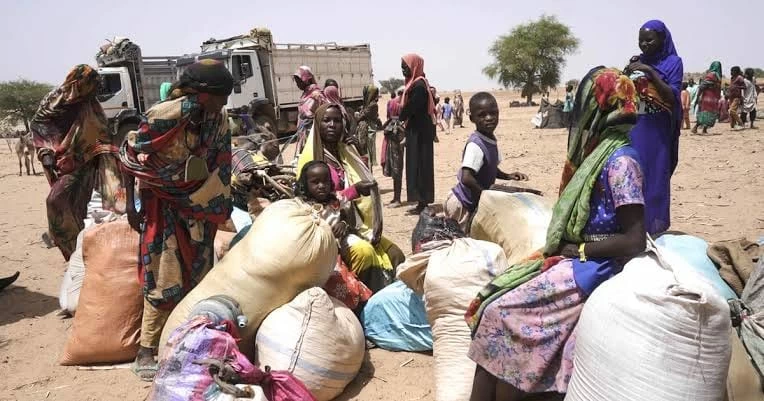
تشهد الحدود بين السودان وتشاد موجة نزوح متسارعة، مع فرار أعداد متزايدة من السودانيين من مناطق القتال والظروف الإنسانية القاسية، في وقت تكافح فيه المنظمات الدولية لتوفير التمويل اللازم لمواكبة الحاجات المتزايدة للاجئين.
وقالت المفوضية السامية للأمم المتحدة لشؤون اللاجئين، اليوم (الجمعة)، إن أكثر من 400 شخص يوميًا عبروا إلى شرق تشاد خلال الأسبوع الماضي، في قفزة تعادل نحو 20 ضعفًا مقارنة بمستويات النزوح التي سجلتها الأشهر الأخيرة.
وأوضحت المفوضية أن الفارين يصلون من مناطق دارفور وكردفان والنيل الأزرق في السودان، وهي مناطق تشهد مواجهات بين الجيش السوداني وقوات الدعم السريع، في ظل الحرب الأهلية المستمرة منذ أكثر من 3 سنوات.
وقال مامادو ديان بالدي، منسق المفوضية الإقليمي لشؤون اللاجئين في ملف السودان، للصحفيين في جنيف عبر رابط فيديو من نيروبي، إن بعض الفارين أكدوا أنهم يغادرون بسبب القتال والقصف الجوي وهجمات الطائرات المسيّرة.
وأضاف أن الوضع الإنساني يزداد صعوبة بالتزامن مع نقص حاد في التمويل المخصص للاستجابة للأزمة.
عجز كبير في تمويل المساعدات
وكشفت المفوضية أن 18% فقط من إجمالي 1.6 مليار دولار تحتاج إليها هذا العام لتلبية حاجات اللاجئين قد تم توفيرها حتى الآن.
وقال بالدي إن نقص التمويل يعني توفير كميات أقل من الغذاء، وقدرة محدودة على نقل اللاجئين إلى مناطق أكثر أمانًا، فضلًا عن تراجع الإمكانات المتاحة لتوفير المأوى لهم.
وحذرت المفوضية من تداعيات إضافية إذا لم تتمكن من تلبية الحاجات الأساسية للاجئين السودانيين في تشاد، مشيرة إلى أن تحليلها أظهر أن بعض اللاجئين يتجهون لاحقًا نحو أوروبا بعد محاولات متكررة فاشلة للعثور على مكان آمن ومستقر.
14 مليون نازح بسبب الحرب
وأدت الحرب الأهلية في السودان إلى تدمير مساحات واسعة من البلاد، فضلًا عن نزوح ما يصل إلى 14 مليون شخص، وفق تقديرات الأمم المتحدة، كما تسببت في تضرر المحاصيل الزراعية وتراجع حاد في النشاط الاقتصادي.
ولا يقتصر النزوح على تداعيات الحرب والقتال، إذ أشارت المفوضية إلى أن الجفاف والظروف القاسية الأخرى تدفع أيضًا مزيدًا من السكان إلى مغادرة مناطقهم بحثًا عن الأمان.
وبحسب بيانات المفوضية، عبر نحو مليون لاجئ سوداني إلى تشاد منذ اندلاع الصراع، بينهم أكثر من 55 ألف شخص منذ بداية العام الحالي.
وتواجه وكالات الإغاثة، وبينها المفوضية السامية للأمم المتحدة لشؤون اللاجئين، فجوة كبيرة في التمويل، بعدما خفضت إدارة الرئيس الأمريكي دونالد ترمب وعدد من الدول المانحة الأخرى مليارات الدولارات من المساعدات الخارجية خلال العام الماضي، ما يزيد الضغوط على جهود الاستجابة للأزمة الإنسانية المتفاقمة.
The border between Sudan and Chad is witnessing a rapid wave of displacement, with increasing numbers of Sudanese fleeing from combat zones and harsh humanitarian conditions, at a time when international organizations are struggling to secure the necessary funding to meet the growing needs of refugees.
The United Nations High Commissioner for Refugees (UNHCR) stated today (Friday) that more than 400 people crossed into eastern Chad daily over the past week, a jump that is about 20 times compared to the levels of displacement recorded in recent months.
The UNHCR explained that the fleeing individuals are arriving from the Darfur, Kordofan, and Blue Nile regions in Sudan, areas experiencing clashes between the Sudanese army and the Rapid Support Forces, amid a civil war that has been ongoing for more than three years.
Mamadou Dian Baldi, the regional coordinator for refugee affairs concerning Sudan, told reporters in Geneva via video link from Nairobi that some of the fleeing individuals confirmed they were leaving due to fighting, airstrikes, and drone attacks.
He added that the humanitarian situation is becoming increasingly difficult alongside a severe funding shortfall for responding to the crisis.
Significant Funding Shortfall for Aid
The UNHCR revealed that only 18% of the total $1.6 billion needed this year to meet the needs of refugees has been secured so far.
Baldi stated that the funding shortfall means less food is being provided, limited capacity to transport refugees to safer areas, and a decline in available resources to provide shelter for them.
The UNHCR warned of additional repercussions if it cannot meet the basic needs of Sudanese refugees in Chad, noting that its analysis showed that some refugees are later heading towards Europe after repeated unsuccessful attempts to find a safe and stable place.
14 Million Displaced Due to War
The civil war in Sudan has led to the destruction of vast areas of the country, as well as the displacement of up to 14 million people, according to UN estimates. It has also caused damage to agricultural crops and a sharp decline in economic activity.
Displacement is not limited to the consequences of war and fighting; the UNHCR pointed out that drought and other harsh conditions are also driving more people to leave their areas in search of safety.
According to UNHCR data, about one million Sudanese refugees have crossed into Chad since the outbreak of the conflict, including more than 55,000 people since the beginning of this year.
Relief agencies, including the UNHCR, are facing a significant funding gap after the administration of former U.S. President Donald Trump and several other donor countries cut billions of dollars in foreign aid last year, increasing the pressure on efforts to respond to the escalating humanitarian crisis.