دخل إقليم تيغراي شمالي إثيوبيا في حالة من العزلة الاتصالية، اليوم (الجمعة)، بعد انقطاع خدمات الإنترنت والهاتف في مناطق واسعة منه، بالتزامن مع تجدد القتال بين القوات الفيدرالية الإثيوبية والقوات التابعة للإقليم، في أخطر تصعيد عسكري منذ انتهاء الحرب التي استمرت بين عامي 2020 و2022.
وأفادت أربعة مصادر مطلعة، من بينها مصدر دبلوماسي، لوكالة «رويترز»، بأن جبهة تحرير شعب تيغراي أمرت شركة «سافاريكوم» الخاصة و«إثيو تيليكوم» الحكومية بقطع خدمات الهاتف والإنترنت في المنطقة. لكن مصدراً مقرباً من الجبهة نفى مسؤوليتها عن القرار، وحمّل الحكومة الإثيوبية المسؤولية.
وتعذر على مراسلي وكالات الأنباء إجراء مكالمات أو إرسال رسائل عبر شبكة «إثيو تيليكوم»، بينما ظلت خدمات «سافاريكوم» متاحة بصورة محدودة، وهو ما أكدته مؤسسة «نت بلوكس» المتخصصة في رصد اضطرابات الإنترنت. ولم ترد الحكومة الإثيوبية أو الشركتان على طلبات التعليق.
وكان أحد المصادر قد أشار إلى أن تعطيل الاتصالات ربما يهدف إلى الحد من ميزة القوات الحكومية في استخدام الطائرات المسيرة، من خلال منعها من الوصول إلى شبكات الهاتف المحمول.
مخاوف من تكرار مأساة الحرب السابقة
وأثار انقطاع الاتصالات مخاوف من عودة الظروف القاسية التي عاشها سكان تيغراي خلال الحرب السابقة، عندما قطعت الحكومة الاتصالات عن الإقليم، بالتزامن مع قيود شديدة على الوصول إلى الغذاء والسيولة النقدية والأدوية، ما دفع مئات الآلاف إلى ظروف شبيهة بالمجاعة.
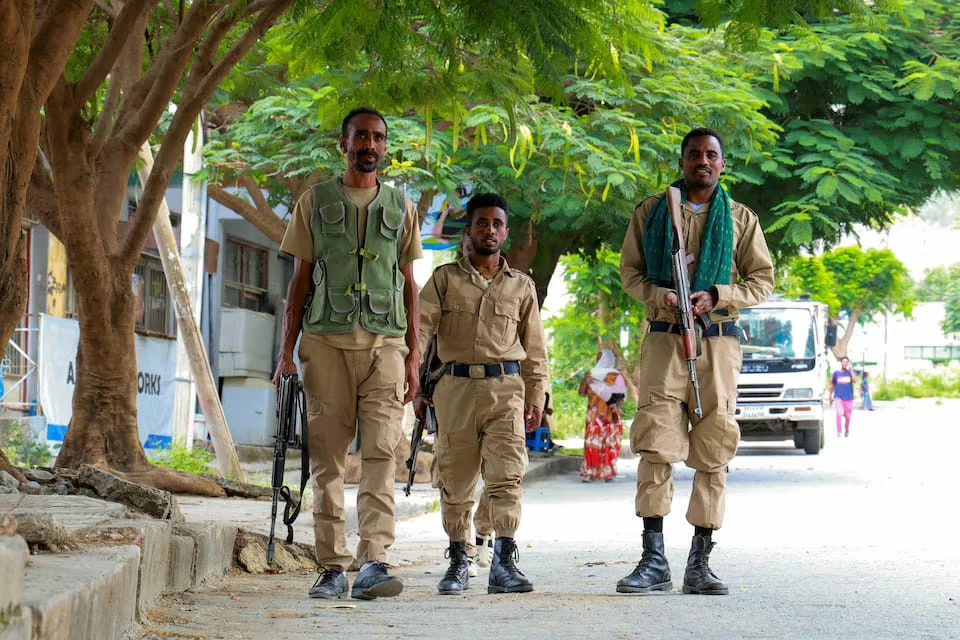
مسلحون في تيغراي
ومع تجدد القتال هذا الأسبوع، اندفع السكان إلى المتاجر لتخزين المواد الأساسية وسحب الأموال، فيما أفاد سكان بنفاد بعض السلع نتيجة عمليات الشراء بدافع الخوف.
معارك تمتد إلى مناطق أخرى
وشنت قوات تيغراي وحلفاؤها هجمات ضد القوات الفيدرالية، وتمكنت من السيطرة على ثلاثة مطارات محلية، كما نفذت هجمات في إقليمي عفار وأمهرة.
وقالت قوات تيغراي إن تحركاتها تأتي في إطار «حرب دفاعية» لمواجهة ما تعتبره عدوانًا من حكومة آبي أحمد، بينما اتهمت الحكومة الإثيوبية إريتريا بتقديم دعم مالي للجبهة وحلفائها، وهو اتهام تنفيه أسمرة.
ويثير تجدد القتال مخاوف من حرب جديدة قد تزيد اضطراب منطقة تعاني أصلًا من توتر العلاقات بين إثيوبيا وإريتريا، والحرب الأهلية في السودان، والخلافات بشأن الوصول إلى البحر الأحمر، إلى جانب تداعيات صراعات الشرق الأوسط.
ودعت الأمم المتحدة والاتحاد الأوروبي إلى ضبط النفس والعودة إلى مسار السلام الذي رعاه الاتحاد الأفريقي وأنهى الحرب السابقة التي أودت بحياة مئات الآلاف.
«انقطاع كامل» في بعض المناطق
وقال سكان في تيغراي إن خدمات «إثيو تيليكوم» توقفت في وقت متأخر من الخميس، ما أدى إلى تعطيل خدمات مهمة، بينها تحويل الأموال عبر الهاتف المحمول.
وفي ظل التصعيد، أفاد سكان بأن مقاتلين من جبهة تحرير شعب تيغراي ينتقلون من منزل إلى آخر بحثًا عن شبان للمشاركة في القتال.
وكانت مذكرة تحذير أمنية جرى تداولها في وقت سابق من الشهر الجاري بين دبلوماسيين، أفادت بأن الجبهة اتخذت خطوات لتعطيل الاتصالات من خلال إزالة محولات تابعة لـ«إثيو تيليكوم» في عدة بلدات.
الطائرات المسيرة في قلب المواجهة
وتمنح الطائرات المسيرة القوات الإثيوبية أفضلية كبيرة في ساحة القتال، بينما لا يُعرف أن قوات تيغراي تمتلك طائرات مماثلة.
ووفقًا لمنظمة «مشروع بيانات مواقع وأحداث النزاعات المسلحة»، تمتلك القوات الإثيوبية مخزونات كبيرة من الطائرات المسيرة المستوردة والمصنعة محليًا، واستخدمتها لمهاجمة أهداف في تيغراي منذ الشهر الماضي.
مخاوف على مواقع أثرية
وتتزايد المخاوف أيضًا بشأن الكنائس الصخرية المدرجة على قائمة اليونسكو للتراث العالمي في بلدة لاليبيلا بإقليم أمهرة.
وتوقفت الرحلات الجوية إلى مطار لاليبيلا، الخميس، بسبب القتال الدائر بالقرب من المنطقة، ما يزيد المخاوف بشأن سلامة الموقع الأثري الشهير إذا استمر التصعيد.
ومع استمرار المواجهات وانقطاع الاتصالات في أجزاء من تيغراي، تتزايد المخاوف من اتساع نطاق القتال، وسط دعوات دولية للعودة إلى المسار السياسي وتجنب تكرار الحرب الدامية التي شهدها الإقليم خلال السنوات الماضية.
The Tigray region in northern Ethiopia has entered a state of communication isolation today (Friday), following the disruption of internet and phone services in large areas, coinciding with renewed fighting between Ethiopian federal forces and regional forces, marking the most dangerous military escalation since the end of the war that lasted from 2020 to 2022.
Four informed sources, including a diplomatic source, told Reuters that the Tigray People's Liberation Front ordered the private company Safaricom and the government-owned Ethio Telecom to cut phone and internet services in the region. However, a source close to the front denied responsibility for the decision, placing the blame on the Ethiopian government.
Reporters from news agencies were unable to make calls or send messages via the Ethio Telecom network, while Safaricom services remained available to a limited extent, as confirmed by NetBlocks, an organization specializing in monitoring internet disruptions. The Ethiopian government and the two companies did not respond to requests for comment.
One of the sources indicated that the disruption of communications might aim to limit the government forces' advantage in using drones by preventing them from accessing mobile phone networks.
Fears of a repeat of the previous war's tragedy
The interruption of communications has raised fears of a return to the harsh conditions experienced by the people of Tigray during the previous war when the government cut communications to the region, coinciding with severe restrictions on access to food, cash, and medicine, driving hundreds of thousands into conditions resembling famine.
مسلحون في تيغراي
With the renewed fighting this week, residents rushed to stores to stock up on essentials and withdraw money, while some residents reported shortages of certain goods due to panic buying.
Fighting extends to other areas
The Tigray forces and their allies launched attacks against federal forces and managed to seize control of three local airports, as well as conducting attacks in the Afar and Amhara regions.
The Tigray forces stated that their actions are part of a "defensive war" to confront what they consider aggression from Abiy Ahmed's government, while the Ethiopian government accused Eritrea of providing financial support to the front and its allies, a claim that Asmara denies.
The renewed fighting raises fears of a new war that could further destabilize a region already suffering from strained relations between Ethiopia and Eritrea, the civil war in Sudan, disputes over access to the Red Sea, along with the repercussions of conflicts in the Middle East.
The United Nations and the European Union have called for restraint and a return to the peace process facilitated by the African Union that ended the previous war, which claimed the lives of hundreds of thousands.
"Complete disruption" in some areas
Residents in Tigray reported that Ethio Telecom services stopped late Thursday, disrupting important services, including mobile money transfers.
Amid the escalation, residents reported that fighters from the Tigray People's Liberation Front are moving from house to house searching for young men to participate in the fighting.
A security warning memo circulated earlier this month among diplomats indicated that the front had taken steps to disrupt communications by removing Ethio Telecom routers in several towns.
Drones at the heart of the confrontation
Drones give Ethiopian forces a significant advantage on the battlefield, while it is not known that Tigray forces possess similar aircraft.
According to the Armed Conflict Location & Event Data Project, Ethiopian forces have large stocks of imported and locally manufactured drones, which they have used to attack targets in Tigray since last month.
Concerns for archaeological sites
Concerns are also growing regarding the rock-hewn churches listed as UNESCO World Heritage sites in the town of Lalibela in the Amhara region.
Flights to Lalibela Airport were halted on Thursday due to fighting occurring near the area, increasing fears for the safety of the famous archaeological site if the escalation continues.
As confrontations continue and communications are cut off in parts of Tigray, fears are rising about the expansion of the fighting, amid international calls to return to the political path and avoid a repeat of the bloody war that the region experienced in recent years.