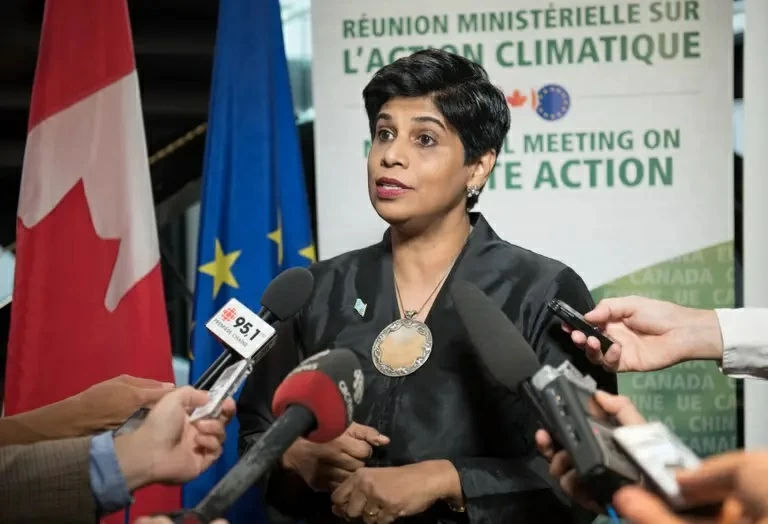
تستعد المحكمة الجنائية الدولية لمرحلة جديدة من المواجهة مع إدارة الرئيس الأمريكي دونالد ترمب، عبر تحصين أنظمتها المالية والتكنولوجية والتشغيلية تحسباً لتوسيع العقوبات الأمريكية لتشمل المؤسسة بأكملها، بعدما طالت في وقت سابق مسؤولين وقضاة فيها.
وقالت نائبة المدعي العام للمحكمة، نزهت شميم خان، في مقابلة مع صحيفة «فايننشال تايمز» (الجمعة)، إن المحكمة اتخذت سلسلة إجراءات لحماية عملياتها من تداعيات أي عقوبات أمريكية جديدة، مؤكدة أن الاستعدادات مستمرة منذ نحو عام، ومشددة على أنه «يجب أن يسود القانون على القوة».
وأوضحت خان أن المحكمة وضعت بالفعل «حواجز حماية» للحد من آثار العقوبات المحتملة، بعد تقارير أفادت بأن إدارة ترمب تستعد لفرض إجراءات على المحكمة بأكملها، مشيرة إلى أن المحكمة سمعت «شائعات» بشأن عقوبات وشيكة، لكنها لم تتلق حتى الآن إخطاراً رسمياً بإجراءات أمريكية جديدة.
وبحسب «فايننشال تايمز»، شملت الاستعدادات تنزيل وطباعة ملفات مهمة، ومراجعة ترتيبات الخدمات المصرفية والتأمين والسفر والعمل عن بعد، إلى جانب تقليل الاعتماد على مزودي التكنولوجيا الأمريكيين. وأعادت المحكمة خلال العام الماضي النظر في أنظمتها التقنية، وبدأت نقل برامج العمل المكتبي من خدمات «مايكروسوفت» إلى منصة «أوبن ديسك» الألمانية، بعدما كان أكثر من 90% من عملياتها يعتمد على أنظمة تكنولوجية أمريكية.
كما وضعت المحكمة ترتيبات بديلة للخدمات المصرفية والتأمين الصحي، ودفعت رواتب موظفين لأشهر مقدماً تحسباً لأي اضطراب محتمل.
وكان ترمب أصدر في فبراير 2025 أمراً تنفيذياً يتيح فرض عقوبات على مسؤولين في المحكمة، متهماً إياها باتخاذ إجراءات «غير مشروعة» ضد الولايات المتحدة وإسرائيل. وفرضت واشنطن لاحقاً عقوبات على مسؤولين، بينهم أربعة قضاة، شملت تجميد أصول وقيوداً على التعاملات.
وتصاعد الخلاف بعد إصدار المحكمة في نوفمبر 2024 مذكرتي توقيف بحق رئيس الوزراء الإسرائيلي بنيامين نتنياهو ووزير الدفاع السابق يوآف غالانت، على خلفية اتهامات بارتكاب جرائم حرب وجرائم ضد الإنسانية مرتبطة بالحرب في غزة، وهو ما رفضته إسرائيل وواشنطن.
وتعيد المواجهة الحالية إلى الأذهان عقوبات فرضتها إدارة ترمب الأولى على المدعية العامة السابقة فاتو بنسودا ومسؤول آخر في مكتب الادعاء، قبل أن تلغيها إدارة جو بايدن في أبريل 2021.
The International Criminal Court is preparing for a new phase of confrontation with the administration of U.S. President Donald Trump, by strengthening its financial, technological, and operational systems in anticipation of an expansion of U.S. sanctions to encompass the entire institution, after earlier sanctions targeted officials and judges within it.
Deputy Prosecutor of the Court, Nazhat Shameem Khan, stated in an interview with the Financial Times (on Friday) that the court has taken a series of measures to protect its operations from the repercussions of any new U.S. sanctions, confirming that preparations have been ongoing for about a year, emphasizing that "the law must prevail over power."
Khan explained that the court has already established "protective barriers" to mitigate the effects of potential sanctions, following reports that the Trump administration is preparing to impose measures on the entire court, noting that the court has heard "rumors" about imminent sanctions, but has not yet received any official notification of new U.S. actions.
According to the Financial Times, the preparations included downloading and printing important files, reviewing banking, insurance, travel, and remote work arrangements, as well as reducing reliance on American technology providers. Over the past year, the court has reassessed its technological systems and began transferring its office work programs from Microsoft services to the German platform Open Desk, after more than 90% of its operations relied on American technological systems.
The court has also put alternative arrangements in place for banking and health insurance services, and has paid employee salaries several months in advance in anticipation of any potential disruption.
Trump issued an executive order in February 2025 allowing for sanctions against officials at the court, accusing it of taking "unlawful" actions against the United States and Israel. Washington later imposed sanctions on officials, including four judges, which included asset freezes and restrictions on transactions.
The dispute escalated after the court issued arrest warrants in November 2024 for Israeli Prime Minister Benjamin Netanyahu and former Defense Minister Yoav Gallant, in connection with accusations of war crimes and crimes against humanity related to the war in Gaza, which were rejected by Israel and Washington.
The current confrontation recalls sanctions imposed by Trump’s first administration on former chief prosecutor Fatou Bensouda and another official in the prosecution office, before they were lifted by the Joe Biden administration in April 2021.