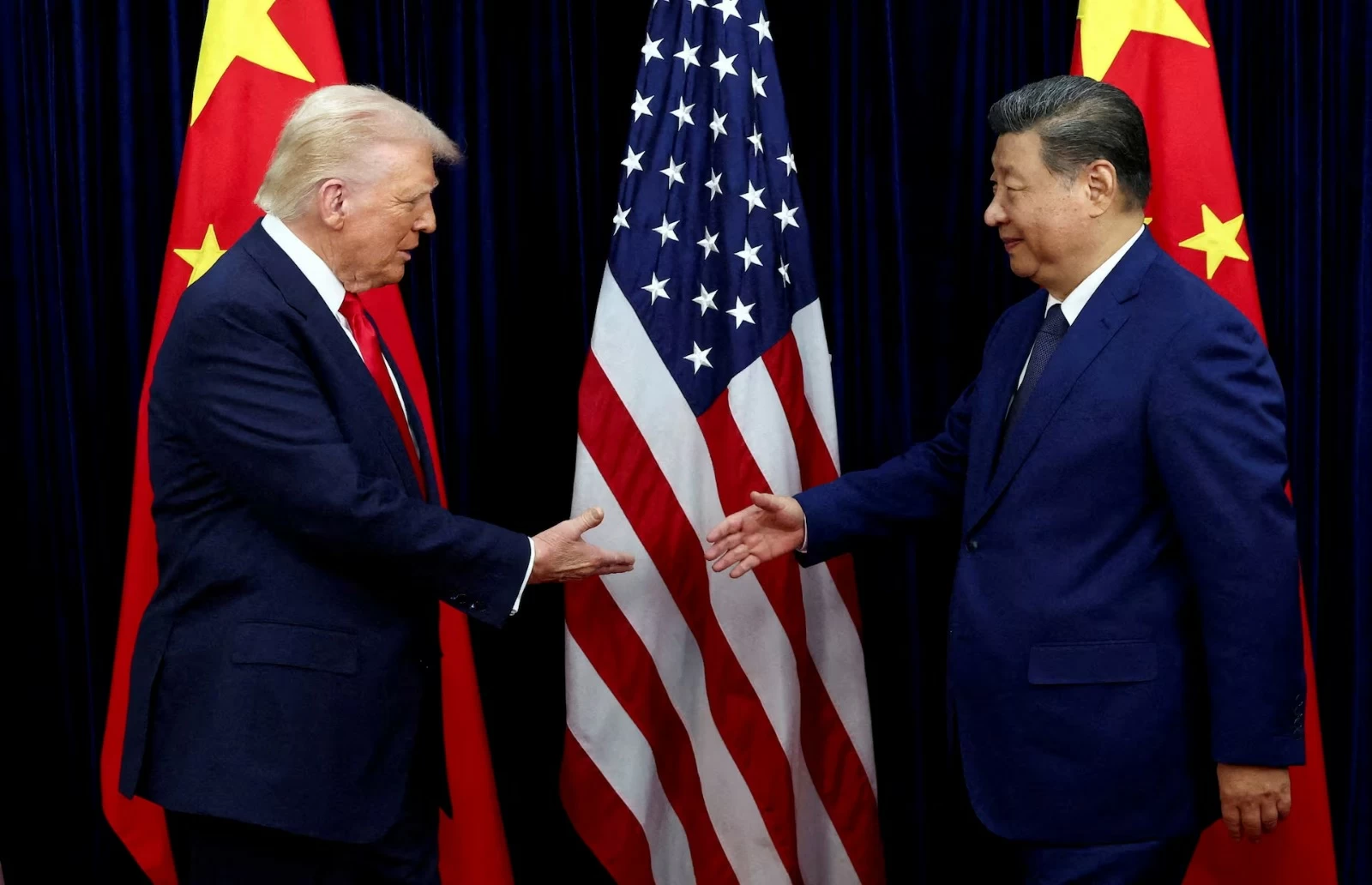
أعلن وزير الخزانة الأمريكي سكوت بيسنت، أن الولايات المتحدة والصين اتفقتا على تمديد الهدنة التجارية بينهما، بما يسمح بالإبقاء على الرسوم الجمركية عند مستويات منخفضة لفترة أطول، إلى جانب استمرار تدفق المعادن الأرضية النادرة من الصين.
وجاء إعلان بيسنت في مقابلة مع شبكة «فوكس نيوز»، بالتزامن مع وصول الرئيس الصيني شي جين بينغ إلى العاصمة الأمريكية واشنطن في زيارة دولة تستمر حتى (الجمعة).
وكان الرئيس الأمريكي دونالد ترمب ونظيره الصيني قد اتفقا، خلال لقاء جمعهما في كوريا الجنوبية في أكتوبر الماضي، على هدنة تجارية لمدة عام كان من المقرر أن تنتهي في نوفمبر.
وقال بيسنت إن الاتفاق سيمدد الآن حتى 10 يناير، مشيراً في الوقت نفسه إلى أن بكين لا تزال مطالبة بتنفيذ مزيد من الالتزامات المتفق عليها.
وكانت توقعات سابقة تشير إلى إمكانية تمديد الهدنة لمدة ستة أشهر أو أكثر، إلا أن التمديد المعلن جاء لفترة أقصر.
وقال دونغ شاو بينغ، الباحث البارز في جامعة رينمين الصينية، إن على الولايات المتحدة والصين معالجة خلافاتهما التجارية على أساس المنفعة المتبادلة، بدلاً من فرض قيود جديدة بصورة نشطة. وأعرب عن توقعه بأن تستمر الهدنة التجارية في التحسن والتمديد.
ولم تكن وسائل الإعلام الرسمية الصينية قد علقت فوراً على تصريحات بيسنت بشأن تمديد الهدنة.
من جانبه، قال سكوت كينيدي، الباحث في مركز الدراسات الإستراتيجية والدولية، إن قصر فترة التمديد قد يعكس عدم رضا الجانب الأمريكي عن العروض التي قدمتها الصين، فضلاً عن رغبة واشنطن في مواصلة الضغط خلال المرحلة القادمة.
تحديات تتجاوز تمديد الهدنة
ولا يعني تمديد الهدنة بالضرورة تسوية جميع الملفات التجارية العالقة بين البلدين. فقد أشار ينس إسكيلوند، رئيس غرفة التجارة الأوروبية في الصين، إلى أن تمديد الاتفاق لا يعالج بمفرده التحديات التي تواجه الشركات، ومن بينها غياب آلية موحدة وواضحة للتقدم بطلبات الحصول على تراخيص تصدير المعادن الأرضية النادرة.
وتعد المعادن الأرضية النادرة من أبرز الملفات الحساسة في العلاقات التجارية بين واشنطن وبكين، نظراً لأهميتها في صناعات التكنولوجيا المتقدمة والإلكترونيات ومكونات عدد من القطاعات الإستراتيجية.
شي: الولايات المتحدة والصين شريكان وليستا خصمين
وفي بيان رسمي عقب وصوله إلى الولايات المتحدة، قال الرئيس شي جين بينغ إنه يثق بأن الزيارة ستسفر عن «نتائج مثمرة» للجانبين.
وأكد شي ضرورة أن تكون الولايات المتحدة والصين شريكين وليسَا خصمين، داعياً إلى العمل من أجل بناء علاقة مستقرة يتم خلالها إدارة المنافسة والخلافات بين البلدين.
وعقب استقبال الرئيس الصيني، قال ترمب للصحفيين إنه سيبحث مع شي الحرب في إيران إلى المقرر أن يشارك عدد من كبار المسؤولين التنفيذيين في شركات التكنولوجيا الأمريكية الكبرى في مأدبة قمة مقررة (الخميس)، جانب «العديد من الموضوعات الأخرى».
الذكاء الاصطناعي والرقائق ضمن الملفات المطروحة
وقبل وصول شي إلى الولايات المتحدة، عقد بيسنت اجتماعاً مع نائب رئيس الوزراء الصيني خه ليفنغ في نيويورك، وقال وزير الخزانة الأمريكي إن الجانبين ناقشا إمكانية إنشاء نظام إنذار للحوادث المرتبطة بالذكاء الاصطناعي.
ومن المقرر أن يشارك عدد من كبار المسؤولين التنفيذيين في شركات التكنولوجيا الأمريكية الكبرى في مأدبة قمة مقررة (الخميس)، في حين لا يُتوقع حضور نظرائهم من الشركات الصينية.
ويرافق شي خلال زيارته كل من عضو اللجنة الدائمة للمكتب السياسي للحزب الشيوعي الصيني تساي تشي، وتظل العلاقات التجارية والاقتصادية بين أكبر اقتصادين في العالم محوراً رئيسياً للمحادثات، بالتوازي مع ملفات أخرى تشمل الذكاء الاصطناعي وأشباه الموصلات والمعادن الأرضية النادرة، إلى جانب كبير الدبلوماسيين الصينيين وانغ يي، وفقاً لما أوردته وسائل الإعلام الرسمية الصينية.
ومن المنتظر أن تظل العلاقات التجارية والاقتصادية بين أكبر اقتصادين في العالم محوراً رئيسياً للمحادثات، بالتوازي مع ملفات أخرى تشمل الذكاء الاصطناعي وأشباه الموصلات والمعادن الأرضية النادرة، إلى جانب قضايا إقليمية ودولية أخرى.
U.S. Treasury Secretary Scott Pisent announced that the United States and China have agreed to extend their trade truce, allowing for the maintenance of low tariffs for a longer period, alongside the continued flow of rare earth metals from China.
The announcement by Pisent came during an interview with Fox News, coinciding with Chinese President Xi Jinping's arrival in the U.S. capital, Washington, for a state visit that will last until (Friday).
Last October, U.S. President Donald Trump and his Chinese counterpart agreed during a meeting in South Korea to a one-year trade truce that was set to end in November.
Pisent stated that the agreement will now be extended until January 10, while also indicating that Beijing is still required to fulfill additional agreed-upon commitments.
Previous expectations had suggested the possibility of extending the truce for six months or more, but the announced extension came for a shorter period.
Dong Shaoping, a senior researcher at Renmin University of China, stated that the U.S. and China need to address their trade disputes on the basis of mutual benefit, rather than actively imposing new restrictions. He expressed his expectation that the trade truce will continue to improve and be extended.
The official Chinese media had not immediately commented on Pisent's statements regarding the extension of the truce.
For his part, Scott Kennedy, a researcher at the Center for Strategic and International Studies, noted that the short duration of the extension may reflect U.S. dissatisfaction with the offers made by China, as well as Washington's desire to maintain pressure in the upcoming phase.
Challenges Beyond the Truce Extension
Extending the truce does not necessarily mean resolving all outstanding trade issues between the two countries. Jens Eskilund, head of the European Chamber of Commerce in China, pointed out that extending the agreement does not alone address the challenges facing companies, including the lack of a unified and clear mechanism for applying for export licenses for rare earth metals.
Rare earth metals are among the most sensitive issues in trade relations between Washington and Beijing, due to their importance in advanced technology industries, electronics, and components of several strategic sectors.
Xi: The U.S. and China Are Partners, Not Adversaries
In an official statement following his arrival in the United States, President Xi Jinping said he is confident that the visit will yield "fruitful results" for both sides.
Xi emphasized the necessity for the U.S. and China to be partners rather than adversaries, calling for efforts to build a stable relationship in which competition and disputes between the two countries are managed.
After receiving the Chinese president, Trump told reporters that he would discuss the war in Iran with Xi, and that several top executives from major U.S. technology companies are scheduled to attend a summit dinner on (Thursday), alongside "many other topics."
Artificial Intelligence and Chips Among the Topics Discussed
Before Xi's arrival in the United States, Pisent held a meeting with Chinese Vice Premier He Lifeng in New York, and the U.S. Treasury Secretary stated that the two sides discussed the possibility of establishing an incident alert system related to artificial intelligence.
Several top executives from major U.S. technology companies are expected to participate in a summit dinner scheduled for (Thursday), while their Chinese counterparts are not expected to attend.
Accompanying Xi during his visit are members of the Standing Committee of the Political Bureau of the Communist Party of China, including Cai Qi, and trade and economic relations between the world's two largest economies remain a key focus of discussions, alongside other issues including artificial intelligence, semiconductors, and rare earth metals, as well as senior Chinese diplomat Wang Yi, according to reports from official Chinese media.
It is anticipated that trade and economic relations between the world's two largest economies will remain a central topic of discussions, alongside other issues including artificial intelligence, semiconductors, and rare earth metals, as well as other regional and international issues.