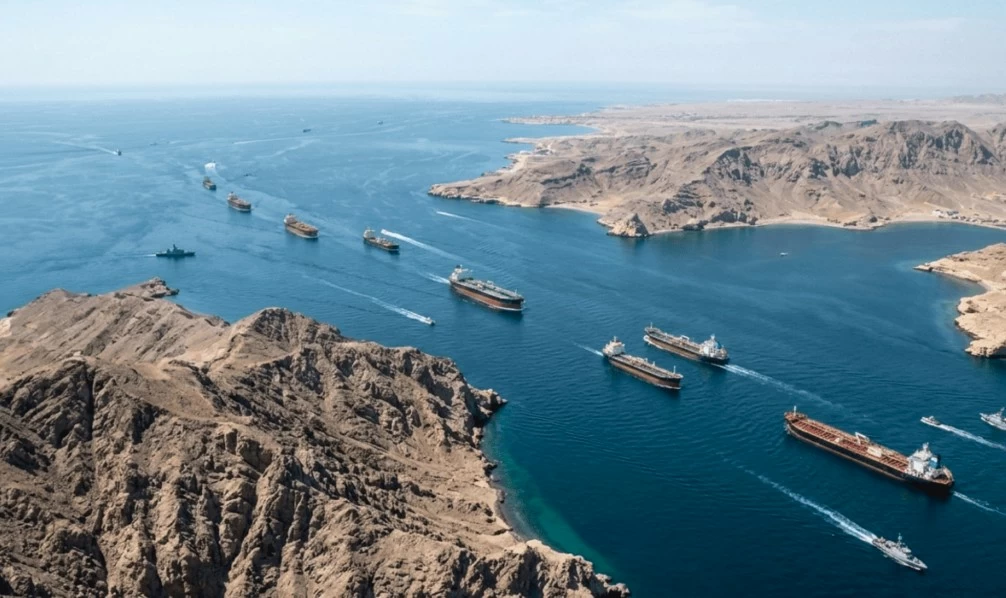
أكدت ثماني دول أن تعطيل حركة الملاحة في مضيقي هرمز وباب المندب أمر «غير مقبول»، ويهدد أمن الجميع وازدهارهم، داعيةً جميع الدول إلى إعلان مواقفها بوضوح إزاء أي انتهاكات تمس الملاحة الدولية.
جاء ذلك في بيان أصدرته وزارة الخارجية الألمانية بمناسبة الاجتماع الثاني لوزراء الخارجية والممثلين رفيعي المستوى للشركاء الأوروبيين ودول منطقة المحيطين الهندي والهادئ، الذي عُقد على هامش أعمال الجمعية العامة للأمم المتحدة في نيويورك، بمشاركة ألمانيا وأستراليا وفرنسا واليابان وكوريا الجنوبية ونيوزيلندا وبولندا والمملكة المتحدة.
التزام بقانون البحار
وجدد المشاركون التزامهم الكامل باتفاقية الأمم المتحدة لقانون البحار، مشيرين إلى أن البيئة الإستراتيجية العالمية أصبحت أكثر تقلباً مقارنة باجتماعهم السابق في سبتمبر 2025.
وشددوا على أن تعاونهم يستند إلى مبادئ الديمقراطية وسيادة القانون وحقوق الإنسان والقانون الدولي، وأن تماسكهم يسهم في تعزيز السلام والاستقرار والاستدامة والازدهار في المنطقتين، مؤكدين مسؤولية الدول الأعضاء في الأمم المتحدة عن الإسهام في هذا المسار.
حماية النظام متعدد الأطراف
وتعهد المجتمعون بحماية النظام متعدد الأطراف المرتكز على القانون الدولي وميثاق الأمم المتحدة، بما في ذلك الهيئات القضائية الدولية، مع الدفع باتجاه إصلاح المنظمة الأممية لتعزيز كفاءتها وقدرتها على مواجهة التحديات.
Eight countries have confirmed that disrupting navigation in the Strait of Hormuz and the Bab el-Mandeb is "unacceptable," threatening the security and prosperity of all, calling on all nations to clearly state their positions regarding any violations affecting international navigation.
This came in a statement issued by the German Foreign Ministry on the occasion of the second meeting of foreign ministers and high-level representatives of European partners and countries in the Indian and Pacific Ocean region, held on the sidelines of the United Nations General Assembly in New York, with the participation of Germany, Australia, France, Japan, South Korea, New Zealand, Poland, and the United Kingdom.
Commitment to the Law of the Sea
The participants reiterated their full commitment to the United Nations Convention on the Law of the Sea, noting that the global strategic environment has become more volatile compared to their previous meeting in September 2025.
They emphasized that their cooperation is based on the principles of democracy, the rule of law, human rights, and international law, and that their cohesion contributes to enhancing peace, stability, sustainability, and prosperity in both regions, affirming the responsibility of UN member states to contribute to this path.
Protecting the Multilateral System
The attendees pledged to protect the multilateral system based on international law and the United Nations Charter, including international judicial bodies, while pushing for reforms of the UN to enhance its efficiency and ability to address challenges.