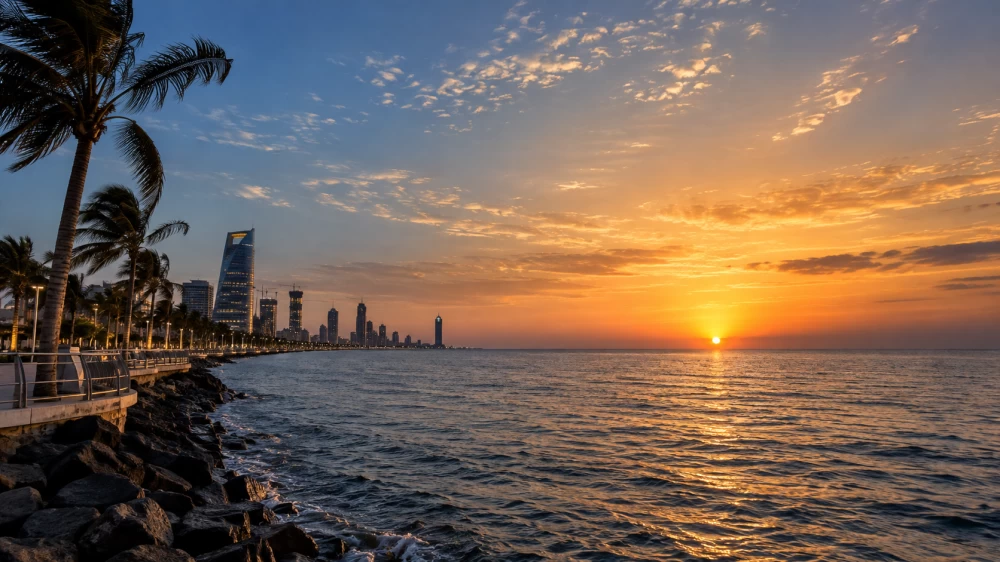
يشهد النصف الشمالي من الكرة الأرضية اليوم آخر أيام فصل الصيف فلكيًا، استعدادًا لحلول الاعتدال الخريفي غدًا (الأربعاء)، عند الساعة 03:05 فجرًا بتوقيت مكة المكرمة، حين تعبر الشمس ظاهريًا خط الاستواء السماوي من الشمال إلى الجنوب.
وأفاد رئيس الجمعية الفلكية بجدة المهندس ماجد أبو زاهرة أن بداية الخريف فلكيًا لا تعني انخفاض درجات الحرارة مباشرة؛ إذ يستمر تأثير حرارة الصيف فترة قبل أن يتغير الطقس تدريجيًا خلال الأسابيع التالية، ويصبح الانخفاض أكثر وضوحًا مع الاقتراب من شهر نوفمبر، بحسب طبيعة كل منطقة.
وبيّن أن الخريف فصل انتقالي بين الصيف والشتاء، يتميز بتقلبات جوية تشمل تغير درجات الحرارة ونشاط الرياح، وتزايد فرص عدم الاستقرار الجوي والأمطار في عدد من الدول العربية، بما فيها أجزاء من شبه الجزيرة العربية، مع تفاوت الأنماط المطرية بين المناطق.
وأشار إلى أن الاعتدال الخريفي يمثل تحولًا في الإضاءة بالمناطق المحيطة بالدائرة القطبية الشمالية؛ إذ تتزايد ساعات الظلام بعد انتهاء فترة النهار المستمر صيفًا، مما يهيئ ظروفًا ملائمة لرصد الشفق القطبي خلال الليالي الطويلة القادمة.
The northern hemisphere witnesses today the last days of summer astronomically, in preparation for the arrival of the autumn equinox tomorrow (Wednesday) at 03:05 AM Mecca time, when the sun appears to cross the celestial equator from north to south.
The head of the Astronomical Society in Jeddah, Engineer Majid Abu Zahra, stated that the beginning of autumn astronomically does not mean an immediate drop in temperatures; the effects of summer heat continue for a while before the weather gradually changes over the following weeks, with the decrease becoming more noticeable as November approaches, depending on the nature of each region.
He explained that autumn is a transitional season between summer and winter, characterized by weather fluctuations that include changes in temperatures, increased wind activity, and a rise in the chances of atmospheric instability and rain in several Arab countries, including parts of the Arabian Peninsula, with varying rainfall patterns between regions.
He pointed out that the autumn equinox represents a shift in lighting in the areas surrounding the Arctic Circle; as the hours of darkness increase after the end of the continuous daylight in summer, creating favorable conditions for observing the aurora borealis during the long nights ahead.