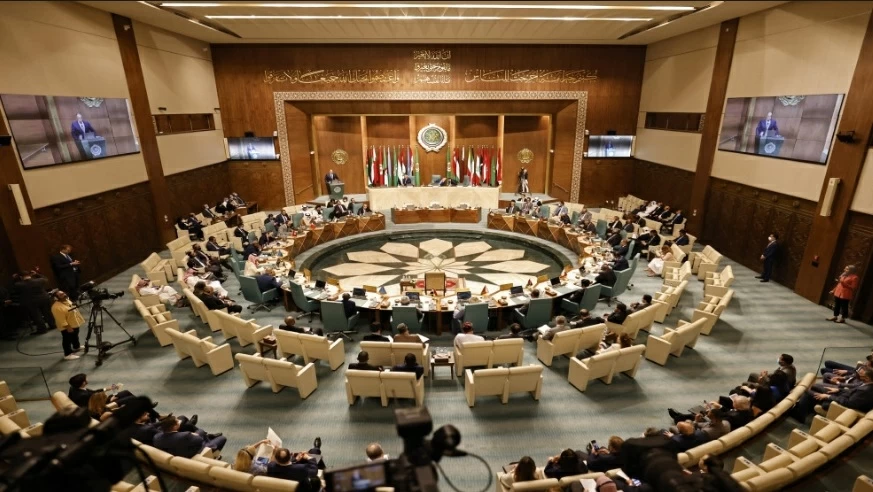
دانت الأمانة العامة لجامعة الدول العربية، (الأحد)، استمرار الاعتداءات الحوثية على المملكة العربية السعودية، وآخرها إطلاق صاروخ باليستي باتجاه العاصمة الرياض ومحاولات استهداف مدن ومناطق سعودية أخرى.
وأكدت الأمانة العامة أن هذه الاعتداءات تمثّل «تصعيداً خطيراً ومرفوضاً»، وانتهاكاً لسيادة المملكة وأمنها وسلامة أراضيها، فضلاً عن تهديد سلامة المدنيين، محذرةً من أن استمرارها من شأنه زيادة التوتر وتهديد أمن واستقرار المنطقة.
وجدّدت الجامعة العربية تضامنها الكامل مع السعودية ودعمها لما تتخذه من إجراءات لحماية أمنها وسيادتها وسلامة مواطنيها والمقيمين على أراضيها، مؤكدةً أن أمن المملكة جزء لا يتجزأ من الأمن القومي العربي، داعيةً إلى الوقف الفوري للهجمات واحترام سيادة المملكة وقواعد القانون الدولي.
ويأتي الموقف العربي بعد تصعيد حوثي لافت خلال الأيام الأخيرة، إذ أعلنت قوات التحالف، (السبت) 19 سبتمبر، اعتراض وتدمير صاروخ باليستي أطلقته الجماعة باتجاه الرياض، بالتزامن مع إحباط محاولات لاستهداف مدن بيش والطائف وفرسان وينبع.
وشكّل الهجوم على الرياض أحدث حلقة في سلسلة من الهجمات عبر الحدود. ففي 15 سبتمبر، أعلنت السعودية اعتراض طائرة مسيّرة أطلقتها جماعة الحوثي قبل دخولها المجال الجوي المحظور لمكة المكرمة، في واقعة قالت الرياض إنها المحاولة الثانية لاستهداف المدينة المقدسة، بعد هجوم بصاروخ باليستي عام 2017.
وقبل ذلك، شهدت مناطق جنوب السعودية موجة هجمات بالصواريخ والطائرات المسيّرة، شملت أبها وخميس مشيط وجازان ونجران، فيما تحدثت إفادات أمام مجلس الأمن عن إصابة مدنيين وأضرار لحقت بمنازل ومنشآت مدنية واقتصادية جراء الهجمات خلال سبتمبر.
وناقش مجلس الأمن الدولي في سبتمبر التطورات المتصاعدة في اليمن، في أعقاب هجمات حوثية على السعودية وسيطرة الجماعة على مواقع ساحلية إستراتيجية على البحر الأحمر، في وقت حذّرت فيه الأمم المتحدة من تداعيات التصعيد على المدنيين والملاحة والوضع الإنساني.
ويأتي ذلك بينما تتسع تداعيات القتال داخل اليمن، مع تسجيل نزوح أكثر من 100 ألف شخص جراء تجدد المعارك، وفق بيانات الأمم المتحدة، بالتزامن مع تقدّم الحوثيين على أجزاء من الساحل الغربي لليمن قرب مضيق باب المندب، أحد أهم الممرات البحرية للتجارة والطاقة عالمياً.
The Arab League's General Secretariat condemned, on Sunday, the continued Houthi attacks on the Kingdom of Saudi Arabia, the latest of which was the launch of a ballistic missile towards the capital Riyadh and attempts to target other Saudi cities and regions.
The General Secretariat affirmed that these attacks represent a "serious and unacceptable escalation," a violation of the Kingdom's sovereignty, security, and territorial integrity, as well as a threat to civilian safety, warning that their continuation could increase tensions and threaten the security and stability of the region.
The Arab League reiterated its full solidarity with Saudi Arabia and its support for the measures it takes to protect its security, sovereignty, and the safety of its citizens and residents on its territory, emphasizing that the security of the Kingdom is an integral part of Arab national security, calling for an immediate halt to the attacks and respect for the Kingdom's sovereignty and international law.
This Arab stance comes after a notable Houthi escalation in recent days, as the coalition forces announced, on Saturday, September 19, the interception and destruction of a ballistic missile launched by the group towards Riyadh, coinciding with the thwarting of attempts to target the cities of Bish, Taif, Farasan, and Yanbu.
The attack on Riyadh marked the latest episode in a series of cross-border attacks. On September 15, Saudi Arabia announced the interception of a drone launched by the Houthi group before it entered the restricted airspace of Mecca, in an incident that Riyadh stated was the second attempt to target the holy city, following a ballistic missile attack in 2017.
Prior to that, southern Saudi regions experienced a wave of attacks with rockets and drones, including Abha, Khamis Mushait, Jazan, and Najran, while reports presented to the Security Council spoke of civilian injuries and damage to homes and civilian and economic facilities due to the attacks during September.
The United Nations Security Council discussed in September the escalating developments in Yemen, following Houthi attacks on Saudi Arabia and the group's control over strategic coastal sites on the Red Sea, at a time when the United Nations warned of the repercussions of the escalation on civilians, navigation, and the humanitarian situation.
This comes as the repercussions of the fighting within Yemen widen, with over 100,000 people displaced due to renewed battles, according to United Nations data, coinciding with the Houthis' advance in parts of the western coast of Yemen near the Bab el-Mandeb Strait, one of the most important maritime routes for global trade and energy.