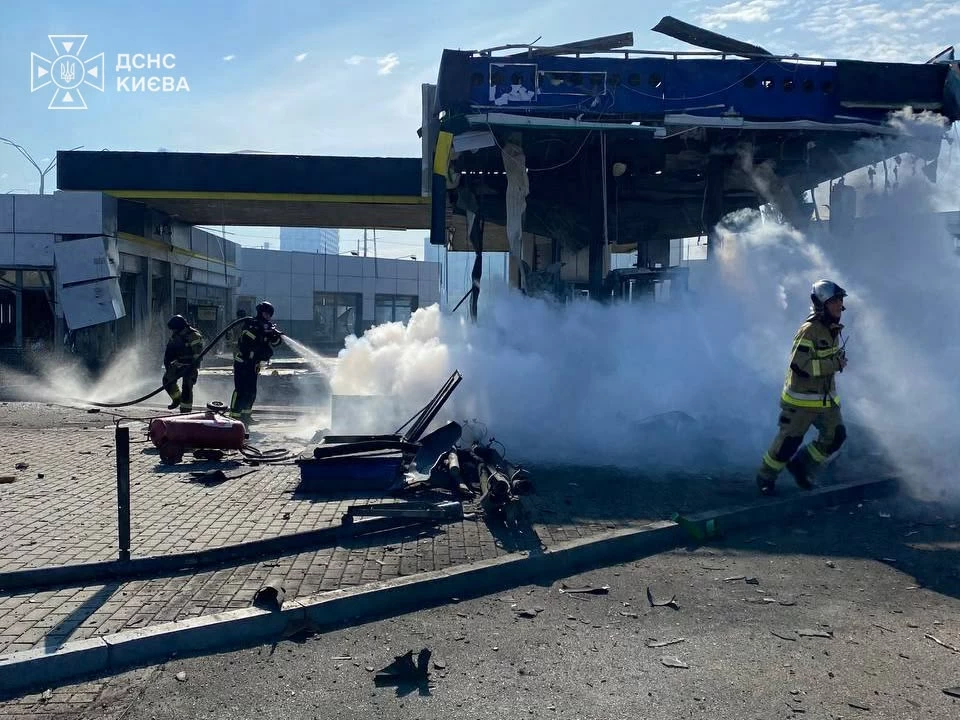
تصاعدت وتيرة الهجمات الجوية بين روسيا وأوكرانيا، مع تسجيل ضربات متبادلة بالطائرات المسيرة طالت مدناً ومنشآت في البلدين، وأسفرت عن سقوط قتلى وجرحى، فيما دخلت محطة زابوريجيا النووية مجدداً دائرة التحذيرات الروسية، وسط استمرار العمليات العسكرية على خطوط التماس.
وأعلنت وزارة الدفاع الروسية اليوم (الأحد) أن قواتها سيطرت على بلدة تشيرنياكوف في مقاطعة خاركوف، وقالت إنها أحبطت محاولات للقوات الأوكرانية لفك الحصار المفروض على مواقعها قرب بلدتي سليزنيفو وغوغينو، مشيرة إلى استمرار تقدم قواتها في المنطقة.
وأضافت الوزارة أن القوات الروسية نفذت خلال الساعات الـ24 الماضية ضربات استهدفت مراكز لوجستية ومنشآت للوقود والطاقة والنقل تستخدمها القوات الأوكرانية، إلى جانب ورش لتجميع الطائرات المسيرة ومواقع لتخزينها، ونقاط انتشار للقوات الأوكرانية والمرتزقة الأجانب في 146 منطقة.
وقالت الوزارة إن خسائر القوات الأوكرانية خلال الفترة نفسها بلغت نحو 1405 جنود، فيما أعلنت إسقاط 902 طائرة مسيرة أوكرانية، إضافة إلى سبع قنابل جوية موجهة وقذيفتين صاروخيتين من طراز «هيمارس». ولم يتسن التحقق بشكل مستقل من هذه الأرقام.
وفي تطور آخر، اتهم رئيس شركة «روس آتوم» الروسية للطاقة النووية أليكسي ليخاتشيف، أوكرانيا باستهداف شاحنات تنقل وقود الديزل إلى محطة زابوريجيا النووية، قائلاً إن الهجمات، التي وقعت الجمعة، أسفرت عن مقتل جنديين روسيين وإصابة آخرين. وحذر من أن استهداف إمدادات الوقود قد يؤثر في سلامة المحطة، التي تعتمد على مولدات الديزل عند انقطاع الكهرباء الخارجية.
وفي روسيا، أعلنت سلطات تتارستان مقتل شخصين وإصابة 14 آخرين جراء هجوم بطائرات مسيرة على مدينة نيجنكامسك، مشيرة إلى تضرر منشآت صناعية ومدنية واندلاع حريق في إحدى الشركات قبل السيطرة عليه.
في المقابل، أعلنت السلطات الأوكرانية إصابة خمسة أشخاص على الأقل جراء هجوم روسي بطائرات مسيرة استهدف مدينة أوديسا، متحدثة عن أضرار لحقت بمناطق سكنية في عدد من أحياء المدينة.
وتأتي هذه التطورات فيما تشهد الجبهات البرية حالة من الجمود النسبي، بالتزامن مع تصاعد الهجمات الجوية بعيدة المدى بين الطرفين، واستهداف منشآت للطاقة والنفط والبنية التحتية في كلا البلدين.
The pace of airstrikes between Russia and Ukraine has escalated, with mutual drone attacks hitting cities and facilities in both countries, resulting in casualties and injuries. Meanwhile, the Zaporizhzhia nuclear power plant has once again entered the zone of Russian warnings, amid ongoing military operations along the contact lines.
The Russian Ministry of Defense announced today (Sunday) that its forces have taken control of the town of Chervonyi Oskol in the Kharkiv region, stating that they thwarted attempts by Ukrainian forces to break the siege imposed on their positions near the towns of Selydove and Hryhorivka, noting the continued advance of its forces in the area.
The ministry added that Russian forces carried out strikes in the past 24 hours targeting logistical centers and fuel, energy, and transport facilities used by Ukrainian forces, as well as workshops for assembling drones and storage sites, and points of deployment for Ukrainian forces and foreign mercenaries in 146 areas.
The ministry stated that Ukrainian forces suffered losses during the same period amounting to about 1,405 soldiers, while announcing the downing of 902 Ukrainian drones, in addition to seven guided aerial bombs and two missiles of the "HIMARS" type. These figures could not be independently verified.
In another development, the head of the Russian nuclear energy company Rosatom, Alexey Likhachev, accused Ukraine of targeting trucks transporting diesel fuel to the Zaporizhzhia nuclear power plant, stating that the attacks, which occurred on Friday, resulted in the deaths of two Russian soldiers and injuries to others. He warned that targeting fuel supplies could affect the safety of the plant, which relies on diesel generators during external power outages.
In Russia, Tatarstan authorities reported the deaths of two people and injuries to 14 others due to a drone attack on the city of Nizhnekamsk, noting damage to industrial and civilian facilities and a fire at one of the companies before it was brought under control.
In contrast, Ukrainian authorities reported that at least five people were injured due to a Russian drone attack targeting the city of Odesa, mentioning damage to residential areas in several neighborhoods of the city.
These developments come as the ground fronts experience a relative stalemate, coinciding with an escalation of long-range airstrikes between the two sides, targeting energy, oil, and infrastructure facilities in both countries.