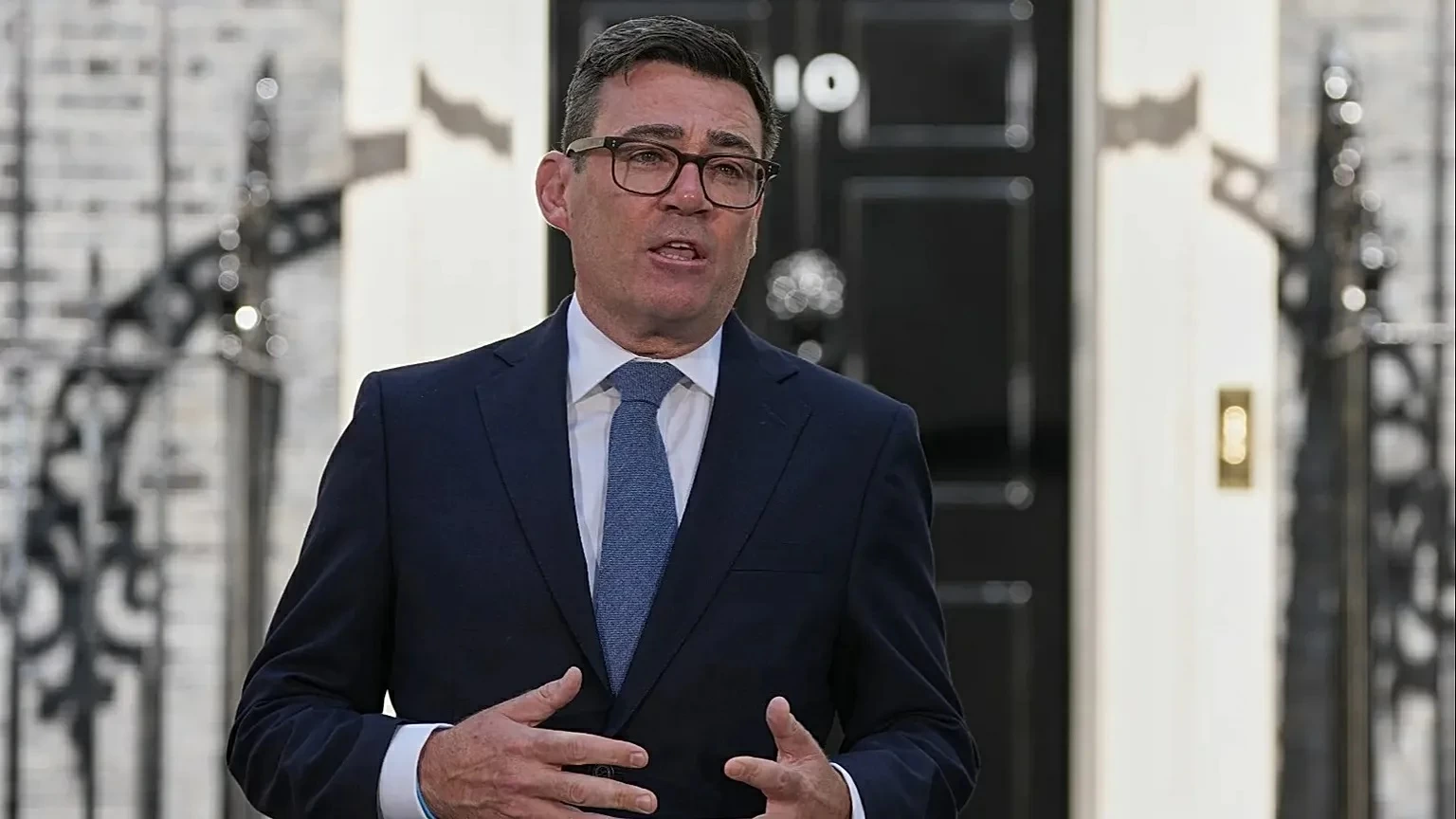
تسعى حكومة رئيس الوزراء البريطاني آندي بيرنام إلى إعادة صياغة العلاقة الاقتصادية مع الاتحاد الأوروبي، عبر اتفاق جديد يتجاوز ترتيبات ما بعد «بريكست» ويمنح الاقتصاد البريطاني دفعة نمو ملموسة، إلا أن الطموح البريطاني يصطدم بتحفظ أوروبي وبـ«خطوط حمراء» ترفض لندن تجاوزها.
وتتجه الأنظار إلى القمة البريطانية الأوروبية المقررة في نوفمبر القادم، التي كان يُنظر إليها باعتبارها محطة حاسمة لإطلاق مرحلة جديدة من العلاقات، لكن مسؤولين أوروبيين مطلعين على المفاوضات يستبعدون إبرام اتفاق اقتصادي كبير خلالها، ويرجحون أن تقتصر النتائج على ملفات محدودة يجري التفاوض بشأنها منذ القمة السابقة في مايو 2025.
وتتمسك حكومة بيرنام برفض الانضمام إلى الاتحاد الجمركي، وإعادة حرية حركة الأشخاص، والعودة الشاملة إلى السوق الموحدة، وهي مواقف ترى بروكسل أنها لا تنسجم مع اتفاق اقتصادي واسع النطاق.
قال مسؤول أوروبي إن الصفقة التي تطمح إليها لندن قد تحتاج إلى الانتظار حتى قمة عام 2027.
ومن المرجح أن تركز قمة نوفمبر على ثلاثة ملفات رئيسية: المنتجات الزراعية والغذائية، وأسواق الكربون، وتأشيرات الشباب، فيما تستمر المفاوضات بشأن مشاركة بريطانيا في سوق الكهرباء الأوروبية، دون توقع اكتمالها قبل القمة.
وتكشف التقديرات الاقتصادية حجم الفجوة بين الطموح والنتائج المتوقعة؛ إذ يقدر «مركز الإصلاح الأوروبي» أن الاتفاقات الجاري بحثها قد تضيف بين 0.3% و0.7% إلى الناتج المحلي الإجمالي البريطاني خلال عشر سنوات، في حين يطمح بيرنام إلى اتفاق قادر على إضافة «نقاط مئوية» إلى معدل النمو.
وتزداد حساسية الملف مع تقدير بنك إنجلترا أن «بريكست» تسبب في خسارة تعادل نحو 6% من الناتج المحلي الإجمالي خلال الفترة نفسها.
ورغم تأكيد لندن رغبتها في بناء «علاقة طموحة ووثيقة» مع بروكسل، فإن الاتحاد الأوروبي يرفض فكرة الانتقائية في السوق الموحدة، محذراً من منح بريطانيا مزايا دون التزامات مقابلة. وبذلك تبدو قمة نوفمبر أقرب إلى تثبيت تعاون محدود، لا إلى إحداث التحول الكبير الذي تراهن عليه حكومة بيرنام.
The government of British Prime Minister Andy Burnham is seeking to reshape the economic relationship with the European Union through a new agreement that goes beyond the post-"Brexit" arrangements and provides a tangible growth boost to the British economy. However, British ambitions are met with European reservations and "red lines" that London refuses to cross.
All eyes are on the upcoming UK-EU summit scheduled for next November, which was viewed as a crucial stop for launching a new phase of relations. However, European officials familiar with the negotiations rule out the possibility of reaching a major economic agreement during this summit, suggesting that the results will likely be limited to specific files that have been under negotiation since the previous summit in May 2025.
Burnham's government insists on rejecting membership in the customs union, restoring freedom of movement for people, and a comprehensive return to the single market, positions that Brussels sees as incompatible with a broad economic agreement.
An European official stated that the deal London is aiming for may need to wait until the 2027 summit.
The November summit is likely to focus on three main issues: agricultural and food products, carbon markets, and youth visas, while negotiations regarding the UK's participation in the European electricity market continue, with no expectation of completion before the summit.
Economic estimates reveal the extent of the gap between ambition and expected results; the "Centre for European Reform" estimates that the agreements currently under discussion could add between 0.3% and 0.7% to the British GDP over ten years, while Burnham aspires to an agreement capable of adding "percentage points" to the growth rate.
The sensitivity of the issue increases with the Bank of England estimating that "Brexit" has resulted in a loss equivalent to about 6% of GDP during the same period.
Despite London confirming its desire to build a "ambitious and close" relationship with Brussels, the European Union rejects the idea of selectivity in the single market, warning against granting the UK advantages without corresponding commitments. Thus, the November summit appears closer to solidifying limited cooperation rather than achieving the significant transformation that Burnham's government is betting on.