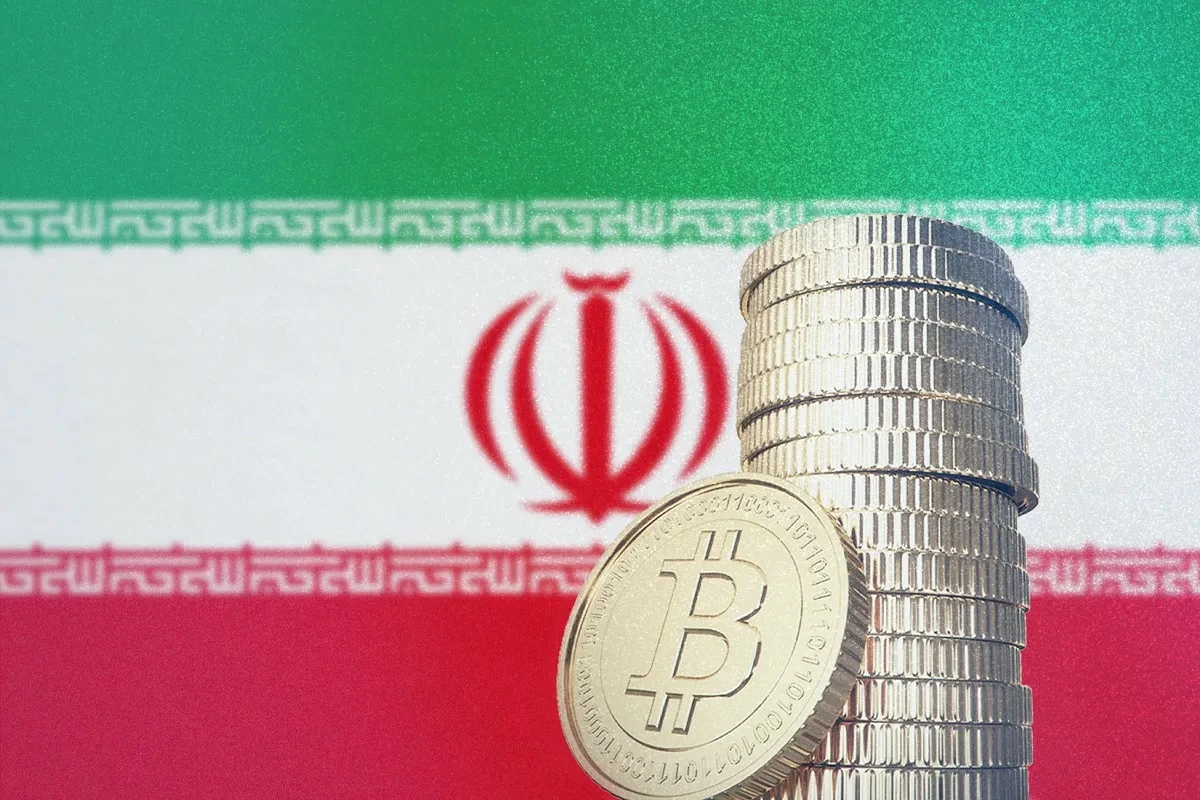
تتجه الشركات الإيرانية بصورة متزايدة إلى استخدام العملات الرقمية، مثل «بيتكوين» و«تيثر» (USDT)، لتلقي المدفوعات عبر الحدود، في تحول قد يمنح المصدرين الإيرانيين قناة بديلة عن النظام الرسمي للعملات الأجنبية، وفق تقرير لصحيفة «فايننشال تايمز».
ونقلت الصحيفة عن أشخاص مطلعين على الملف أن (USDT) بات الأصل الرقمي الأكثر استخداماً في هذه المعاملات، فيما قال مسؤول تنفيذي في شركة مرتبطة بالحكومة إن تلقي عائدات الصادرات بالعملات المشفرة أصبح، بحسب وصفه، أمراً «طبيعياً تماماً».
ولم تكشف الصحيفة عن هوية المسؤول، كما لم يرد البنك المركزي الإيراني على طلب للتعليق.
تسهيلات جديدة للمصدرين
وبحسب التقرير، تشمل التغييرات السماح للمصدرين بإعادة الأموال الموجودة في الخارج إلى إيران من خلال منصات العملات الرقمية المحلية.
كما يمكن للشركات تحويل العملات الأجنبية عبر الأسواق المفتوحة، أو استخدام عائدات صادراتها مباشرة لشراء الواردات، بما يقلل اعتمادها على نظام النقد الأجنبي الرسمي الذي تشرف عليه الدولة.
وكان النظام التقليدي يفرض على الشركات إعادة عائدات صادراتها عبر قنوات تخضع لإشراف الحكومة، وغالباً بأسعار صرف أقل من تلك المتاحة في السوق المفتوحة.
ويتيح الاعتماد على العملات الرقمية للمصدرين هامشاً أكبر في إدارة عائداتهم، لكنه في الوقت نفسه يفتح الباب أمام مخاطر قانونية ومالية إضافية، خصوصاً في ظل العقوبات الأمريكية المفروضة على إيران.
تحول في التطبيق وليس قانوناً جديداً
ولا يعني ما ورد في التقرير أن إيران أصدرت قانوناً جديداً يجيز استخدام العملات الرقمية كوسيلة تسوية رسمية لجميع المصدرين، فبحسب «فايننشال تايمز»، يعكس التطور تغيراً في آلية تطبيق القواعد والتعامل الرسمي معها، وليس قانوناً منشوراً أو توجيهاً رسمياً معلناً من البنك المركزي الإيراني.
وتكتسب هذه النقطة أهمية كبيرة بالنسبة إلى الشركات، إذ إن تسامح السلطات مع بعض المعاملات لا يوفر بالضرورة غطاءً قانونياً دائماً.
وقد تتغير السياسات، فيما تظل الشركات مطالبة بالامتثال لمتطلبات الإبلاغ والضرائب وقواعد النقد الأجنبي المحلية.
أكثر من 20 ألف جهة مطالبة بإعادة أموالها
وفي الوقت نفسه، تضغط السلطات الإيرانية من أجل إعادة عائدات صادرات محتجزة خارج البلاد.
وبحسب أرقام نقلتها «فايننشال تايمز»، يُعتقد أن أكثر من 20 ألف فرد وشركة لم يعيدوا إلى إيران عائدات تُقدر بنحو 94 مليار يورو.
لكن هذه الأرقام لم يتم التحقق منها بصورة مستقلة من خلال ملف منشور للبنك المركزي الإيراني، ما يجعلها في نطاق البيانات المنسوبة إلى المصادر التي استند إليها التقرير.
نحو 10 مليارات دولار من نشاط العملات المشفرة في 2025
وتكشف بيانات قطاع العملات الرقمية عن حجم ملحوظ للنشاط المرتبط بإيران، وقدرت شركة TRM Labs حجم معاملات العملات المشفرة المرتبطة بإيران بنحو 9.9 مليار دولار خلال عام 2025، وفق تقريرها عن جرائم العملات الرقمية لعام 2026، كما شملت البيانات معاملات واردة وصادرة مرتبطة بخدمات وكيانات إيرانية.
ورغم أن الرقم أقل من نحو 11.4 مليار دولار سجلها القطاع في 2024، ترى TRM أن استمرار هذا الحجم من النشاط يعكس طلباً هيكلياً على العملات الرقمية، وليس مجرد عمليات مضاربة على الأسعار.
وتظل تقديرات النشاط على شبكات البلوك تشين قابلة للتغير، إذ يمكن أن تظهر لاحقاً عناوين ومحافظ جديدة مرتبطة بجهات إيرانية.
لماذا يفضل الإيرانيون USDT؟
يستخدم الإيرانيون العملات الرقمية لأغراض متعددة، من بينها الادخار والتداول والمدفوعات العابرة للحدود، وتوفر USDT، المرتبطة بالدولار الأمريكي، وسيلة للتعرض لقيمة الدولار دون الحاجة إلى امتلاك حساب مصرفي مقوم بالدولار.
كما تحظى شبكة ترون (Tron) باستخدام واسع في تحويلات USDT، بسبب انخفاض تكاليف المعاملات نسبياً.
أما بيتكوين، فتؤدي وظيفة مختلفة؛ إذ يمكن استخدامها كأصل لحفظ القيمة ووسيلة لنقل الأموال خارج القنوات المصرفية التقليدية.
التعدين.. قناة أخرى للعملات الرقمية
ويمثل تعدين بيتكوين قناة أخرى للحضور الإيراني في سوق الأصول الرقمية، وكانت شركة Elliptic قد قدرت في عام 2021 أن إيران كانت مسؤولة عن نحو 4.5% من عمليات تعدين بيتكوين عالمياً، إلا أن هذا الرقم يعود إلى تقدير تاريخي، ولا ينبغي اعتباره حصة مؤكدة لإيران من التعدين العالمي في عام 2026.
كما أن حجم التعاملات المشفرة المقدّر بنحو 10 مليارات دولار سنوياً يظل صغيراً مقارنة بحجم الاقتصاد الإيراني وحاجاته التجارية.
وبالتالي، يمكن للعملات الرقمية أن تحسن قدرة الشركات على الوصول إلى قنوات التسوية المالية، لكنها لا تستطيع في الوقت الحالي أن تحل بالكامل محل العلاقات المصرفية وتمويل التجارة وأسواق النقد الأجنبي واسعة النطاق.
العقوبات الأمريكية تضع التعاملات المشفرة تحت المجهر
ولا يؤدي السماح المحلي باستخدام العملات الرقمية في إيران إلى إلغاء العقوبات الأمريكية.
وتتعامل وزارة الخزانة الأمريكية مع منصات العملات الرقمية الإيرانية الخاضعة للعقوبات باعتبارها مؤسسات مالية إيرانية، ما يعني إمكانية تجميد ممتلكاتها الخاضعة للاختصاص الأمريكي.
كما أن الأشخاص والشركات الأمريكية يخضعون لقيود على التعامل مع منصات العملات المشفرة الإيرانية، ما لم ينطبق استثناء أو ترخيص محدد.
ولا تقتصر المخاطر على الشركات الأمريكية، إذ يمكن أن تطال العقوبات أيضاً مؤسسات مالية وأطرافاً أجنبية في حال ثبت أنها تقدم دعماً جوهرياً لجهات إيرانية مدرجة على قوائم العقوبات أو تسهّل معاملات محظورة لصالحها.
عقوبات على منصات إيرانية كبرى
وفي يونيو الماضي، فرضت وزارة الخزانة الأمريكية عقوبات على أربع منصات إيرانية للعملات الرقمية، هي Nobitex وWallex وBitpin وRamzinex، واتهمت السلطات الأمريكية هذه المنصات بالعمل في القطاع المالي الإيراني وتسهيل أنشطة مرتبطة بجهات خاضعة للعقوبات.
ووفق تقديرات TRM Labs، استحوذت المنصات الأربع على نحو 7.7 مليار دولار، أي 78% من حجم معاملات العملات الرقمية المنسوبة إلى إيران خلال 2025.
وكانت Nobitex وحدها قد تعاملت، بحسب التقديرات، مع أكثر من نصف التدفقات الداخلة إلى سوق الأصول الرقمية الإيرانية.
USDT يواجه نقطة ضعف أساسية: إمكانية التجميد
ورغم أن العملات المستقرة يمكن أن توفر وسيلة أسرع للتحويلات العابرة للحدود، فإن USDT تختلف عن بيتكوين من ناحية جوهرية، وهي وجود جهة مُصدرة تستطيع تجميد الرموز الموجودة في محافظ محددة.
وفي أبريل، جمدت شركة «تيثر» نحو 344 مليون دولار من USDT موزعة على عنوانين على شبكة ترون، بعدما ربطت السلطات الأمريكية الأموال بشبكات إيرانية تابعة للدولة والجيش.
وأظهرت هذه الخطوة أن استخدام البلوك تشين لا يعني تلقائياً أن الأموال أصبحت بمنأى عن تطبيق العقوبات، فالشركات المصدرة للعملات المستقرة، ومنصات التداول المركزية، والوسطاء المتوافقون مع الأنظمة التنظيمية، يمكنهم تقييد عناوين معينة أو تجميد أصول عندما تحدد السلطات معاملات مرتبطة بأنشطة محظورة.
العملات الرقمية تمنح إيران منفذاً
ومع استمرار الضغوط الأمريكية على الشبكات المالية المرتبطة بإيران، يزداد اعتماد طهران على القنوات الرقمية باعتبارها وسيلة إضافية لتسهيل التجارة ونقل القيمة، لكن هذه القنوات لا توفر حصانة كاملة من العقوبات.
فالمعاملات الرقمية تترك سجلاً دائماً على شبكات البلوك تشين، ويمكن لشركات التحليل والجهات الحكومية تتبع العديد من التدفقات المالية، بينما يمكن للمنصات المركزية ومصدري العملات المستقرة اتخاذ إجراءات ضد المحافظ المرتبطة بجهات خاضعة للعقوبات.
ومن ثم، فإن التحول الإيراني نحو العملات الرقمية يبدو أقرب إلى محاولة لتوسيع خيارات التسوية المالية وتقليل الاعتماد على النظام المصرفي التقليدي، وليس إنشاء نظام مالي مستقل بالكامل عن العقوبات.
الخطوة القادمة بيد البنك المركزي الإيراني
ويبقى التطور الأكثر أهمية مرتبطاً بما إذا كان البنك المركزي الإيراني سيقدم اعترافاً رسمياً بالتغييرات المبلغ عنها، أو ينشر قواعد واضحة لتسوية المدفوعات الرقمية، أو يمنح تراخيص محددة للقنوات التي يمكن للمصدرين استخدامها.
وحتى ذلك الحين، فإن الحديث عن أن مدفوعات العملات المشفرة أصبحت «طبيعية تماماً» في إيران يستند أساساً إلى تصريحات مصادر لم تُكشف هوياتها وشهادات من داخل القطاع، وليس إلى قرار رسمي منشور.
وبالنسبة إلى الشركات الأجنبية ومنصات التداول ومقدمي خدمات الدفع، تظل المخاطر منفصلة عن الموقف الإيراني؛ إذ يتعين على كل طرف تقييم تعرضه للعقوبات الأمريكية والأوروبية والقوانين المحلية بشكل مستقل، فالقبول الإيراني للعملات الرقمية لا يحمي بالضرورة الطرف الأجنبي من تجميد الأصول أو العقوبات الثانوية أو إجراءات إنفاذ القانون في ولاية قضائية أخرى.
Iranian companies are increasingly turning to the use of digital currencies, such as "Bitcoin" and "Tether" (USDT), to receive cross-border payments, in a shift that may provide Iranian exporters with an alternative channel to the official foreign currency system, according to a report by the "Financial Times."
The newspaper quoted sources familiar with the matter stating that USDT has become the most commonly used digital asset in these transactions, while an executive at a government-linked company said that receiving export revenues in cryptocurrencies has become, in his words, "completely normal."
The newspaper did not disclose the identity of the official, nor did the Central Bank of Iran respond to a request for comment.
New Facilities for Exporters
According to the report, the changes include allowing exporters to repatriate funds held abroad to Iran through local digital currency platforms.
Companies can also convert foreign currencies through open markets or use their export revenues directly to purchase imports, thereby reducing their reliance on the official foreign currency system overseen by the state.
The traditional system required companies to repatriate their export revenues through channels subject to government oversight, often at exchange rates lower than those available in the open market.
Relying on digital currencies provides exporters with greater flexibility in managing their revenues, but it also opens the door to additional legal and financial risks, especially in light of the U.S. sanctions imposed on Iran.
A Shift in Application, Not a New Law
The report does not imply that Iran has issued a new law permitting the use of digital currencies as an official settlement method for all exporters; according to the "Financial Times," the development reflects a change in the application of rules and official dealings with them, rather than a published law or an official directive announced by the Central Bank of Iran.
This point is significant for companies, as the authorities' tolerance for certain transactions does not necessarily provide a permanent legal cover.
Policies may change, while companies remain obligated to comply with local reporting, tax, and foreign exchange regulations.
Over 20,000 Entities Demanding Their Funds Back
At the same time, Iranian authorities are pressing for the repatriation of export revenues held outside the country.
According to figures reported by the "Financial Times," it is believed that over 20,000 individuals and companies have not returned to Iran revenues estimated at around 94 billion euros.
However, these figures have not been independently verified through a published document from the Central Bank of Iran, making them fall within the realm of data attributed to the sources on which the report relied.
About $10 Billion from Cryptocurrency Activity in 2025
Data from the cryptocurrency sector reveals a significant volume of activity linked to Iran, with TRM Labs estimating the volume of cryptocurrency transactions associated with Iran at approximately $9.9 billion during 2025, according to its 2026 report on cryptocurrency crimes, which included incoming and outgoing transactions related to Iranian services and entities.
Although this figure is lower than the approximately $11.4 billion recorded by the sector in 2024, TRM believes that the continuation of this level of activity reflects a structural demand for digital currencies, rather than merely speculative price operations.
Estimates of activity on blockchain networks remain subject to change, as new addresses and wallets linked to Iranian entities may emerge later.
Why Do Iranians Prefer USDT?
Iranians use digital currencies for various purposes, including saving, trading, and cross-border payments, and USDT, which is pegged to the U.S. dollar, provides a means to gain exposure to the dollar's value without needing to have a dollar-denominated bank account.
The Tron network is also widely used for USDT transfers due to relatively low transaction costs.
Bitcoin, on the other hand, serves a different function; it can be used as a store of value and a means to transfer money outside traditional banking channels.
Mining: Another Channel for Digital Currencies
Bitcoin mining represents another channel for Iranian presence in the digital asset market, with Elliptic estimating in 2021 that Iran was responsible for about 4.5% of global Bitcoin mining. However, this figure is based on historical estimates and should not be considered a definitive share for Iran in global mining in 2026.
Moreover, the estimated volume of cryptocurrency transactions at around $10 billion annually remains small compared to the size of the Iranian economy and its commercial needs.
Thus, while digital currencies can enhance companies' ability to access financial settlement channels, they cannot currently fully replace traditional banking relationships, trade financing, and large-scale foreign exchange markets.
U.S. Sanctions Put Cryptocurrency Transactions Under Scrutiny
Allowing local use of digital currencies in Iran does not eliminate U.S. sanctions.
The U.S. Treasury Department treats Iranian cryptocurrency platforms subject to sanctions as Iranian financial institutions, meaning their assets could be frozen under U.S. jurisdiction.
Additionally, U.S. individuals and companies face restrictions on dealing with Iranian cryptocurrency platforms unless a specific exemption or license applies.
The risks are not limited to U.S. companies; sanctions could also affect foreign financial institutions and parties if it is proven that they provide substantial support to Iranian entities listed on sanctions lists or facilitate prohibited transactions on their behalf.
Sanctions on Major Iranian Platforms
In June, the U.S. Treasury imposed sanctions on four Iranian cryptocurrency platforms: Nobitex, Wallex, Bitpin, and Ramzinex, accusing these platforms of operating in the Iranian financial sector and facilitating activities linked to sanctioned entities.
According to TRM Labs estimates, the four platforms accounted for about $7.7 billion, or 78% of the volume of cryptocurrency transactions attributed to Iran during 2025.
Nobitex alone was estimated to have handled more than half of the inflows into the Iranian digital asset market.
USDT Faces a Fundamental Weakness: The Possibility of Freezing
While stablecoins can provide a faster means for cross-border transfers, USDT differs from Bitcoin in a fundamental way: there is an issuer that can freeze tokens held in specific wallets.
In April, Tether froze about $344 million of USDT distributed across two addresses on the Tron network after U.S. authorities linked the funds to Iranian state and military networks.
This move demonstrated that using blockchain does not automatically mean that funds are immune from sanctions enforcement; issuers of stablecoins, centralized trading platforms, and regulatory-compliant intermediaries can restrict certain addresses or freeze assets when authorities identify transactions linked to prohibited activities.
Digital Currencies Provide Iran with an Outlet
As U.S. pressure on financial networks linked to Iran continues, Tehran's reliance on digital channels increases as an additional means to facilitate trade and transfer value, but these channels do not provide complete immunity from sanctions.
Digital transactions leave a permanent record on blockchain networks, and analytics companies and government entities can track many financial flows, while centralized platforms and stablecoin issuers can take action against wallets linked to sanctioned entities.
Thus, Iran's shift towards digital currencies appears closer to an attempt to expand financial settlement options and reduce reliance on the traditional banking system, rather than creating a financial system entirely independent of sanctions.
The Next Step Is in the Hands of the Central Bank of Iran
The most important development remains whether the Central Bank of Iran will provide official recognition of the reported changes, publish clear rules for digital payment settlements, or grant specific licenses for the channels that exporters can use.
Until then, the assertion that cryptocurrency payments have become "completely normal" in Iran is primarily based on statements from unidentified sources and testimonies from within the sector, rather than an officially published decision.
For foreign companies, trading platforms, and payment service providers, the risks remain separate from the Iranian stance; each party must independently assess its exposure to U.S. and European sanctions and local laws, as Iran's acceptance of digital currencies does not necessarily protect the foreign party from asset freezes, secondary sanctions, or law enforcement actions in another jurisdiction.