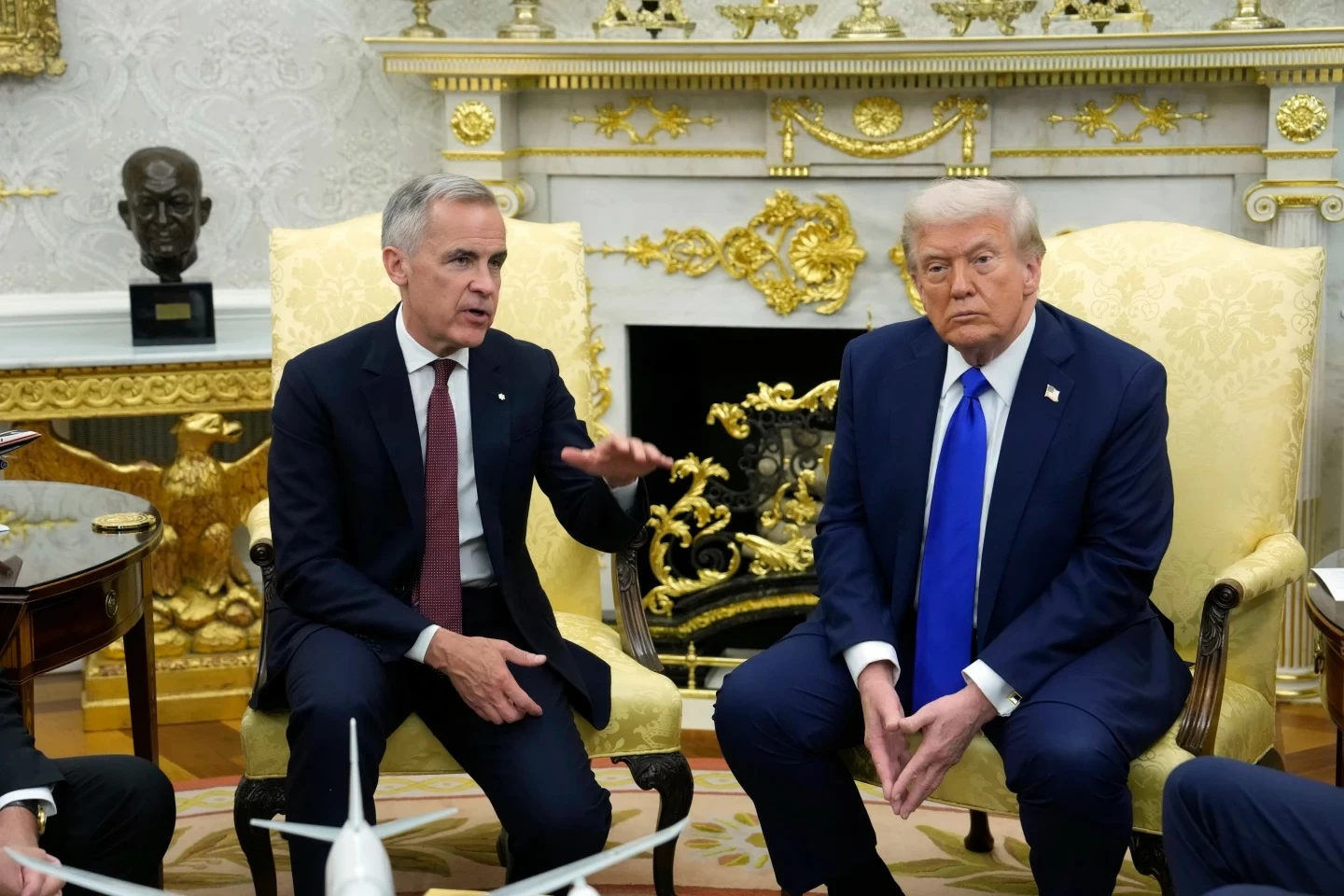
دخلت الرسوم الجمركية الانتقامية التي فرضتها كندا على مجموعة واسعة من السلع الأمريكية حيز التنفيذ، اليوم (الثلاثاء)، في خطوة تصعيدية جديدة تأتي في ظل غياب أي مؤشرات على قرب التوصل إلى اتفاق تجاري بين البلدين.
وتشمل الرسوم الكندية الجديدة منتجات أمريكية تبلغ قيمتها نحو 28 مليار دولار كندي، بما يعادل قرابة 20 مليار دولار أمريكي، وتراوح بين الصلب والأثاث وقمصان القطن، بينما تصل بعض التعريفات إلى 50%.
وكانت الأسماك الطازجة وجراد البحر ضمن قائمة السلع المستهدفة في البداية، لكن الحكومة الكندية تراجعت عن فرض الرسوم عليها بعد ضغوط من قطاع المأكولات البحرية، في خطوة تعكس صعوبة تحقيق توازن بين الرد على أكبر شريك تجاري لكندا وحماية الاقتصاد المحلي من تداعيات الحرب التجارية.
مفاوضات متعثرة بين واشنطن وأوتاوا
وأكد مسؤولون أمريكيون وكنديون رغبتهم في التوصل إلى اتفاق تجاري، لكن لم تجرِ أي خطوات لاستئناف المفاوضات منذ انهيارها في أواخر أغسطس الماضي.
وقال رئيس الوزراء الكندي مارك كارني الأسبوع الماضي إن بلاده لا تزال تسعى إلى إبرام اتفاق مع الولايات المتحدة يكون «دائماً» ويصب في مصلحة البلدين.
وأضاف كارني: «نحن مستعدون للجلوس وإبرام هذا الاتفاق عندما يكون الأمريكيون مستعدين».
في المقابل، قال الممثل التجاري الأمريكي جيميسون جرير إن الكرة أصبحت في ملعب كندا، مؤكداً أن واشنطن قدمت لها «أفضل صفقة» ممكنة، لكنها رفضتها.
وأضاف جرير، في مقابلة مع قناة «فوكس نيوز»، أن الاتصالات بين الجانبين أصبحت محدودة منذ انهيار المفاوضات.
وفي مقابلة منفصلة مع هيئة الإذاعة الكندية، حذر جرير من تداعيات الرد الكندي، ملمحاً إلى أن الولايات المتحدة قد تتخذ إجراءات مضادة تشمل حظر استيراد بعض المنتجات الكندية.
ترمب يهدد شركة بومباردييه
وفي تصعيد منفصل، هدد الرئيس الأمريكي دونالد ترمب، أمس (الإثنين)، بوقف جميع الأعمال التجارية الأمريكية مع شركة صناعة الطائرات الكندية Bombardier ما لم تنقل عمليات تصنيعها إلى الولايات المتحدة.
وتعد بومباردييه واحدة من أكبر الشركات في كندا، وأسهمت بأكثر من 7 مليارات دولار كندي في الناتج المحلي الإجمالي للبلاد خلال 2024، وفق تقرير أعدته شركة PwC بتكليف من بومباردييه.
وصعّد ترمب هجومه على كندا عبر سلسلة منشورات على منصة «تروث سوشال» خلال عطلة نهاية الأسبوع، من بينها منشور وصف فيه سعر صرف الدولار الكندي مقابل الأمريكي بأنه «غير مقبول».
كما نشر خريطة لأمريكا الشمالية، شملت كندا والمكسيك وغرينلاند، وقد غُطيت جميعها بالعلم الأمريكي، في إشارة أثارت مزيداً من الجدل بشأن طبيعة العلاقات بين واشنطن وجيرانها.
علاقة تجارية تقترب من 900 مليار دولار
وتربط الولايات المتحدة وكندا أكبر علاقة تجارية ثنائية في العالم، إذ بلغت قيمة التجارة بين البلدين نحو 900 مليار دولار في 2025.
ومع دخول الرسوم الأمريكية والكندية الجديدة حيز التنفيذ، تسارع الشركات في كلا البلدين إلى تقييم تأثيراتها والاستعداد لما قد تحمله المرحلة القادمة.
وتفرض الولايات المتحدة حالياً رسوماً بنسبة 25% على السيارات والشاحنات الكندية، إلى جانب رسوم على الصلب والألومنيوم والأخشاب الكندية.
وفي أواخر أغسطس، فرض ترمب رسوماً إضافية بنسبة 50% على منتجات أخرى، من بينها منتجات الألبان والكحول وعصي الهوكي والعطور.
وفي المقابل، بدأت كندا اعتباراً من اليوم تطبيق رسومها الانتقامية، التي وصفها كارني بأنها إجراءات «دولار مقابل دولار»، على مئات السلع القادمة من الولايات المتحدة.
وتضاف هذه الرسوم إلى ضرائب انتقامية قائمة بالفعل تفرضها كندا على السيارات والشاحنات الأمريكية الجاهزة التي لا تتوافق مع اتفاقية التجارة الحرة بين الولايات المتحدة وكندا والمكسيك.
مخاوف من ارتفاع الأسعار
وتشير استطلاعات الرأي إلى أن غالبية الكنديين تؤيد فرض بلادهم رسوماً انتقامية على الولايات المتحدة.
لكن اقتصاديين يحذرون من أن الجولة الجديدة من الرسوم قد تؤدي إلى ارتفاع أسعار السلع اليومية بالنسبة للمستهلكين، خصوصاً الملابس والأغذية والأثاث.
ودعت غرفة التجارة الكندية حكومة كارني إلى اتباع نهج «انتقائي ومدروس» في الرد على الرسوم الأمريكية، محذرة من الانجرار إلى تصعيد لا نهاية له.
وقالت الرئيسة التنفيذية ورئيسة غرفة التجارة الكندية كانديس لينغ إن الشركات تتفهم الحاجة إلى الرد، لكنها «لا تريد رؤية تصعيد لا نهاية له»، مضيفة أن قطاع الأعمال يستعد لاحتمال استمرار النزاع التجاري لفترة طويلة.
قطاع صيد الأسماك يفرض تعديلاً على الرسوم
وكان قطاع صيد الأسماك من أبرز الأمثلة على صعوبة تصميم الرسوم الانتقامية دون الإضرار بالاقتصاد الكندي نفسه، فقد دفعت اعتراضات القطاع الحكومة الكندية إلى تعديل قائمتها وإزالة عشرات المنتجات البحرية من الرسوم الجديدة، في محاولة لتجنب تداعيات غير مقصودة على المنتجين والمستهلكين المحليين.
ويرتبط قطاع جراد البحر في كندا والولايات المتحدة بصورة وثيقة؛ إذ يجري إرسال كميات من جراد البحر الذي يتم صيده في الولايات المتحدة إلى كندا لمعالجته، قبل إعادته إلى السوق الأمريكية وبيعه للمستهلكين.
الاقتصاد الكندي أمام اختبار جديد
وقبل فرض الجولة الأخيرة من الرسوم الأمريكية، أظهر الاقتصاد الكندي مؤشرات على قدر من الصمود؛ إذ نما الناتج المحلي الإجمالي بنسبة 3.3% خلال الربع الثاني، كما أضاف الاقتصاد نحو 181 ألف وظيفة بين أبريل ويوليو.
لكن هذه الصورة الإيجابية تعرضت لانتكاسة في أغسطس، عندما فقد الاقتصاد نحو 41 ألف وظيفة، في وقت تزامن مع دخول الرسوم الأمريكية الجديدة حيز التنفيذ وانهيار المفاوضات التجارية.
وفي المقابل، سجل قطاع التصنيع نمواً محدوداً، وهي زيادة عزتها الحكومة الكندية إلى اتجاه المستهلكين والشركات إلى شراء المزيد من المنتجات المصنوعة داخل البلاد.
كندا تبحث عن أسواق بديلة
وفي مواجهة الاعتماد الكبير على السوق الأمريكية، تعهد رئيس الوزراء مارك كارني بتنويع العلاقات التجارية الكندية وتقليل اعتماد البلاد على الولايات المتحدة.
وتشير بيانات يوليو إلى أن نسبة الصادرات الكندية المتجهة إلى السوق الأمريكية انخفضت إلى 66%، مقارنة بمتوسط بلغ نحو 75% قبل اندلاع الحرب التجارية.
ومع بدء تطبيق الرسوم الجديدة، تواجه كندا والولايات المتحدة اختباراً اقتصادياً صعباً، إذ يتعين على حكومتَي البلدين الموازنة بين حماية مصالحهما التجارية والسياسية من جهة، وتجنب ارتفاع الأسعار واضطراب سلاسل الإمداد وتفاقم الخلاف بين أكبر شريكين تجاريين في أمريكا الشمالية من جهة أخرى.
The retaliatory tariffs imposed by Canada on a wide range of American goods came into effect today (Tuesday), in a new escalation amid the absence of any signs of nearing a trade agreement between the two countries.
The new Canadian tariffs cover American products worth approximately 28 billion Canadian dollars, equivalent to nearly 20 billion US dollars, ranging from steel and furniture to cotton shirts, with some tariffs reaching up to 50%.
Fresh fish and lobster were initially on the list of targeted goods, but the Canadian government backed down from imposing tariffs on them after pressure from the seafood sector, reflecting the difficulty of balancing a response to Canada’s largest trading partner while protecting the local economy from the repercussions of the trade war.
Stalled negotiations between Washington and Ottawa
American and Canadian officials have confirmed their desire to reach a trade agreement, but no steps have been taken to resume negotiations since they collapsed in late August.
Canadian Prime Minister Mark Carney stated last week that his country is still seeking to conclude an agreement with the United States that is "permanent" and serves the interests of both countries.
Carney added, "We are ready to sit down and finalize this agreement when the Americans are ready."
In contrast, US Trade Representative Jamison Greer said the ball is now in Canada’s court, asserting that Washington offered them the "best deal" possible, but they rejected it.
Greer added, in an interview with Fox News, that communications between the two sides have become limited since the negotiations collapsed.
In a separate interview with the Canadian Broadcasting Corporation, Greer warned of the repercussions of Canada’s response, hinting that the United States might take countermeasures, including banning the import of certain Canadian products.
Trump threatens Bombardier
In a separate escalation, US President Donald Trump threatened yesterday (Monday) to halt all American business with Canadian aircraft manufacturer Bombardier unless it moves its manufacturing operations to the United States.
Bombardier is one of the largest companies in Canada, contributing over 7 billion Canadian dollars to the country's GDP in 2024, according to a report prepared by PwC on behalf of Bombardier.
Trump intensified his attack on Canada through a series of posts on the "Truth Social" platform over the weekend, including a post in which he described the exchange rate of the Canadian dollar against the US dollar as "unacceptable."
He also posted a map of North America, which included Canada, Mexico, and Greenland, all covered by the American flag, a gesture that sparked further controversy regarding the nature of relations between Washington and its neighbors.
A trade relationship nearing 900 billion dollars
The United States and Canada share the largest bilateral trade relationship in the world, with trade between the two countries valued at approximately 900 billion dollars in 2025.
With the new American and Canadian tariffs coming into effect, companies in both countries are rushing to assess their impacts and prepare for what the next phase may bring.
The United States currently imposes a 25% tariff on Canadian cars and trucks, as well as tariffs on Canadian steel, aluminum, and lumber.
In late August, Trump imposed an additional 50% tariff on other products, including dairy, alcohol, hockey sticks, and perfumes.
In response, Canada began implementing its retaliatory tariffs today, which Carney described as "dollar-for-dollar" measures on hundreds of goods coming from the United States.
These tariffs add to existing retaliatory taxes already imposed by Canada on American finished cars and trucks that do not comply with the free trade agreement between the United States, Canada, and Mexico.
Concerns about rising prices
Polls indicate that the majority of Canadians support their country imposing retaliatory tariffs on the United States.
However, economists warn that the new round of tariffs could lead to increased prices for everyday goods for consumers, particularly clothing, food, and furniture.
The Canadian Chamber of Commerce urged Carney's government to adopt a "selective and measured" approach in responding to the American tariffs, warning against getting drawn into an endless escalation.
Canadian Chamber of Commerce CEO Candice Ling said that businesses understand the need to respond, but they "do not want to see an endless escalation," adding that the business sector is preparing for the possibility of a prolonged trade dispute.
The fishing sector forces a modification of the tariffs
The fishing sector was one of the most prominent examples of the difficulty of designing retaliatory tariffs without harming the Canadian economy itself, as objections from the sector prompted the Canadian government to amend its list and remove dozens of seafood products from the new tariffs, in an attempt to avoid unintended consequences for local producers and consumers.
The lobster sector in Canada and the United States is closely linked; quantities of lobster caught in the United States are sent to Canada for processing before being returned to the American market and sold to consumers.
The Canadian economy faces a new test
Before the imposition of the latest round of American tariffs, the Canadian economy showed signs of resilience; the GDP grew by 3.3% during the second quarter, and the economy added about 181,000 jobs between April and July.
However, this positive picture suffered a setback in August, when the economy lost about 41,000 jobs, coinciding with the entry of the new American tariffs into effect and the collapse of trade negotiations.
In contrast, the manufacturing sector recorded limited growth, an increase that the Canadian government attributed to consumers and businesses shifting towards purchasing more domestically made products.
Canada seeks alternative markets
In light of its heavy reliance on the American market, Prime Minister Mark Carney pledged to diversify Canadian trade relations and reduce the country's dependence on the United States.
Data from July indicates that the percentage of Canadian exports heading to the American market has dropped to 66%, compared to an average of about 75% before the trade war broke out.
With the new tariffs coming into effect, Canada and the United States face a difficult economic test, as both governments must balance protecting their trade and political interests on one hand, and avoiding rising prices, supply chain disruptions, and escalating disputes between the two largest trading partners in North America on the other hand.