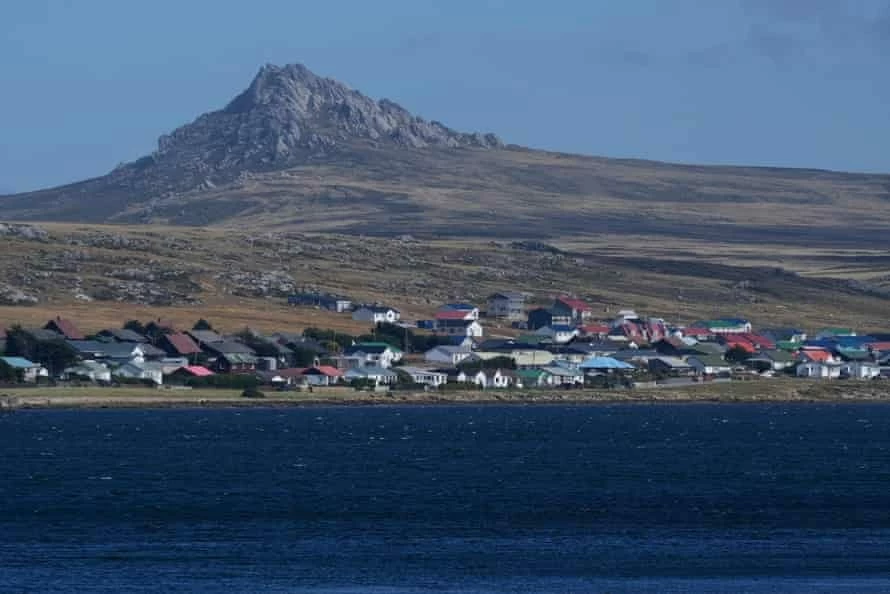
تصاعد التوتر بين بريطانيا والأرجنتين مجدداً بشأن السيادة على جزر فوكلاند، بعدما قال الرئيس الأرجنتيني خافيير ميلي إن «رياح التغيير» أصبحت تهب في العالم لمصلحة مطالبة بلاده باستعادة الجزر، في وقت سارعت فيه الحكومة البريطانية إلى التأكيد أن سيادتها على الأرخبيل لا تزال «راسخة وغير قابلة للتغيير».
وجاء التصعيد الجديد على خلفية تصريحات للرئيس الأمريكي دونالد ترمب شكك فيها في موقف الولايات المتحدة التقليدي تجاه سيادة بريطانيا على الجزر، ما دفع بوينس آيرس إلى اعتبار أن هناك مؤشرات على تغير محتمل في الموقف الأمريكي.
لندن: الجزر بريطانية وستبقى كذلك
ورد وزير الخارجية البريطاني إد ميليباند على تصريحات ميلي، مؤكداً أن موقف المملكة المتحدة بشأن جزر فوكلاند لم يتغير.
وقال ميليباند في منشور عبر منصة «إكس»: «موقف المملكة المتحدة من جزر فوكلاند لا يتزعزع، الجزر بريطانية وستبقى كذلك، لأن هذا هو الموقف الساحق لسكان الجزر».
وشدد على أن حق سكان فوكلاند في تقرير مصيرهم «له الأولوية»، مؤكداً أن هذا الحق يستند إلى القانون الدولي، وأن بريطانيا «ستتمسك به بحزم».
من جانبه، قال وزير الدفاع البريطاني ويس ستريتنج، إن تصريحات ميلي «تخبرنا عن السياسة الداخلية في الأرجنتين أكثر مما تخبرنا عن جزر فوكلاند».
وأضاف أن الجزر «بريطانية لأن سكان فوكلاند يختارون أن يكونوا بريطانيين»، مؤكداً أن التزام بلاده تجاه الأرخبيل «مطلق ولا يتزعزع».
كما أكدت وزيرة التعليم البريطانية لوسي باول أن الجزر بريطانية، مشددة على أن بلادها ستدافع عن حق سكان فوكلاند في تحديد مستقبلهم بأنفسهم.
ميلي: رياح التغيير تهب لصالح الأرجنتين
وكان الرئيس الأرجنتيني قد قال إن بلاده تحتاج إلى استعادة جزر فوكلاند، التي تطلق عليها الأرجنتين اسم «مالفيناس»، معتبراً أن الظروف الدولية أصبحت أكثر ملاءمة لموقف بلاده.
وفي أحدث تصريحاته، استند ميلي إلى تصريحات ترمب الأخيرة، قائلاً إن الرئيس الأمريكي أعلن أن واشنطن «تعيد تقييم موقفها التاريخي» تجاه جزر مالفيناس.
وقال ميلي إن الولايات المتحدة تدرس تغيير موقفها لأنها تدرك أن الأرجنتين تمتلك «شريكاً موثوقاً ومتوافقاً مع القيم الغربية»، فضلاً عن موقعها الإستراتيجي الذي يمكن أن يجعلها حليفاً مهماً خلال العقود القادمة.
كما هدد ميلي بمنع الشركات التي تطور مشاريع نفطية في الجزر «من وراء ظهر الحكومة الأرجنتينية» من ممارسة أعمال تجارية داخل الأرجنتين.
وانخفضت أسهم شركة النفط البريطانية «روكهوبر» بنحو 7% في التعاملات المبكرة الجمعة، في أعقاب التصعيد السياسي.
ماذا قال ترمب عن فوكلاند؟
ودخل ترمب على خط الأزمة بعد أن سُئل، الاثنين، عما إذا كان يمكنه مراجعة موقف بلاده من السيادة البريطانية على جزر فوكلاند، في إطار الضغط على لندن لزيادة إنفاقها الدفاعي.
وقال ترمب: «أراجع دائماً كل موقف، هذا مجرد واحد من بين أمور كثيرة».
وعندما سُئل الخميس عما إذا كانت الولايات المتحدة ستدعم بريطانيا في حال تعرضت الجزر لغزو أرجنتيني، ربط ترمب موقفه بما وصفه بعدم تقديم بريطانيا الدعم للولايات المتحدة خلال الهجوم الأمريكي الأول على إيران في وقت سابق من العام.
وقال ترمب في مقابلة مع «GB News» إن بريطانيا تعتمد بدرجة كبيرة على النفط القادم من مضيق هرمز، مضيفاً أن لندن «لم تكن موجودة للمساعدة».
كما شكك ترمب في مدى استعداد بريطانيا للدفاع عن الجزر، مشيراً إلى أن البلاد «لم تعد الدولة نفسها التي كانت عليها قبل 20 أو 25 عاماً».
حرب 1982 تعود إلى الواجهة
وتحمل قضية فوكلاند تاريخاً طويلاً من الصراع بين بريطانيا والأرجنتين، إذ خاض البلدان حرباً على الجزر عام 1982.
وانتهت الحرب بانتصار القوات البريطانية على القوات الأرجنتينية، بعدما أنزلت بوينس آيرس قواتها في الجزر بهدف تأكيد مطالبتها الإقليمية بها.
ومنذ ذلك الحين، ظلت بريطانيا تسيطر فعلياً على الأرخبيل، بينما واصلت الأرجنتين المطالبة بالسيادة عليه.
وتبنت الولايات المتحدة تاريخياً موقفاً محايداً بشأن مسألة السيادة على فوكلاند، مع اعترافها بالسيطرة البريطانية الفعلية على الجزر.
النفط يزيد حساسية الصراع
ولا تقتصر أهمية جزر فوكلاند على موقعها الاستراتيجي والتاريخي، إذ شهدت المنطقة خلال السنوات الأخيرة نشاطاً متزايداً في مجال التنقيب عن النفط والغاز.
وتعمل شركة «روكهوبر» البريطانية، إلى جانب شركة «نافِيتاس» الإسرائيلية، على تطوير حقل «سي ليون» النفطي الواقع على بعد نحو 140 ميلاً شمال الجزر.
ومن شأن أي تحول في الموقف الأمريكي أو تصعيد جديد بين بريطانيا والأرجنتين أن يضيف مزيداً من الضغوط السياسية والاقتصادية على الشركات العاملة في المنطقة، خصوصاً مع تهديد بوينس آيرس بفرض قيود على الشركات التي تتعامل مع المشاريع النفطية في فوكلاند.
وهكذا تعود جزر فوكلاند إلى واجهة المشهد الدولي، بعد عقود من انتهاء الحرب بين بريطانيا والأرجنتين، في ظل تمسك لندن بسيادتها على الأرخبيل، وإصرار بوينس آيرس على استعادته، بينما تفتح تصريحات ترمب الباب أمام تساؤلات جديدة حول مستقبل الموقف الأمريكي من واحدة من أقدم القضايا الإقليمية العالقة في جنوب المحيط الأطلسي.
Tensions between Britain and Argentina have escalated once again over the sovereignty of the Falkland Islands, after Argentine President Javier Milei stated that "the winds of change" are blowing in the world in favor of his country's claim to reclaim the islands, while the British government quickly affirmed that its sovereignty over the archipelago remains "firm and unchangeable."
The new escalation came in the wake of statements by U.S. President Donald Trump, who questioned the traditional U.S. stance on British sovereignty over the islands, prompting Buenos Aires to consider that there are signs of a potential shift in the U.S. position.
London: The islands are British and will remain so
British Foreign Secretary Ed Miliband responded to Milei's statements, affirming that the United Kingdom's position on the Falkland Islands has not changed.
Miliband stated in a post on the platform "X": "The United Kingdom's position on the Falkland Islands is unwavering; the islands are British and will remain so, as this is the overwhelming position of the island's inhabitants."
He emphasized that the right of the Falkland Islanders to self-determination "takes precedence," asserting that this right is based on international law, and that Britain "will firmly uphold it."
For his part, British Defense Minister Wes Streeting said that Milei's statements "tell us more about domestic politics in Argentina than they do about the Falkland Islands."
He added that the islands "are British because the people of the Falklands choose to be British," affirming that his country's commitment to the archipelago is "absolute and unwavering."
British Education Secretary Lucy Powell also confirmed that the islands are British, stressing that her country will defend the right of the Falkland Islanders to determine their own future.
Milei: The winds of change are blowing in favor of Argentina
The Argentine president stated that his country needs to reclaim the Falkland Islands, which Argentina calls "Malvinas," considering that international conditions have become more favorable for his country's position.
In his latest statements, Milei referenced Trump's recent remarks, saying that the U.S. president announced that Washington is "reassessing its historical position" regarding the Malvinas Islands.
Milei stated that the United States is considering changing its position because it realizes that Argentina has a "reliable partner aligned with Western values," as well as its strategic location, which could make it an important ally in the coming decades.
Milei also threatened to prevent companies developing oil projects in the islands "behind the back of the Argentine government" from conducting business within Argentina.
Shares of British oil company "Rockhopper" fell by about 7% in early trading on Friday, following the political escalation.
What did Trump say about the Falklands?
Trump entered the fray after being asked on Monday whether he could review his country's position on British sovereignty over the Falkland Islands, as part of pressure on London to increase its defense spending.
Trump said: "I always review every position; this is just one of many issues."
When asked on Thursday whether the United States would support Britain if the islands were invaded by Argentina, Trump linked his position to what he described as Britain's failure to support the United States during the first American attack on Iran earlier in the year.
Trump stated in an interview with "GB News" that Britain relies heavily on oil coming from the Strait of Hormuz, adding that London "was not there to help."
He also questioned Britain's readiness to defend the islands, noting that the country "is no longer the same nation it was 20 or 25 years ago."
The 1982 War Returns to the Forefront
The Falkland issue carries a long history of conflict between Britain and Argentina, as the two countries fought a war over the islands in 1982.
The war ended with a British victory over Argentine forces after Buenos Aires deployed troops to the islands to assert its territorial claim.
Since then, Britain has effectively maintained control over the archipelago, while Argentina has continued to claim sovereignty over it.
The United States has historically adopted a neutral stance on the issue of sovereignty over the Falklands, while recognizing British effective control over the islands.
Oil Increases Sensitivity of the Conflict
The importance of the Falkland Islands is not limited to their strategic and historical location, as the region has witnessed increased activity in oil and gas exploration in recent years.
British company "Rockhopper," along with Israeli company "Navitas," is developing the "Sea Lion" oil field located about 140 miles north of the islands.
Any shift in the U.S. position or new escalation between Britain and Argentina could add further political and economic pressure on companies operating in the region, especially with Buenos Aires threatening to impose restrictions on companies dealing with oil projects in the Falklands.
Thus, the Falkland Islands return to the forefront of the international scene, after decades since the end of the war between Britain and Argentina, amid London’s insistence on its sovereignty over the archipelago and Buenos Aires’ determination to reclaim it, while Trump's statements open the door to new questions about the future of the U.S. stance on one of the oldest regional issues lingering in the South Atlantic.