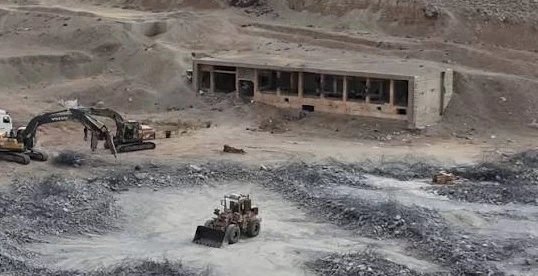
كشف تقرير سري للوكالة الدولية للطاقة الذرية (الثلاثاء)، أن البنية التحتية التي عُثر عليها في مدينة دير الزور السورية تتوافق مع بنية مفاعل نووي.
وأفاد التقرير أنه «استناداً إلى الملاحظات التي أجرتها الوكالة في موقع دير الزور، تؤكد الوكالة أن بنية التبريد التي جرى الكشف عنها تتوافق مع بنية مفاعل نووي، وسنواصل مراقبة الأنشطة في الموقع الذي يشهد أعمال تفتيش حالياً».
ونقلت وكالة «فرانس برس» عن التقرير أنه «عُثر على 73 طناً من اليورانيوم الطبيعي في سورية في أحد المواقع، منها نحو 55 طناً على شكل 8808 قضبان وقود، ونحو 18 طناً من خردة اليورانيوم والنفايات»، مرحباً بشفافية دمشق وتعاونها مع الوكالة، مما يسهل حل قضايا الضمانات العالقة المتعلقة بالأنشطة النووية السورية السابقة.
وكان وزير الخارجية السوري أسعد الشيباني، قد أوضح في وقت سابق من الشهر الجاري، أن سورية تتمسك بحقها في استخدام الطاقة النووية للأغراض المدنية والسلمية، مشدداً على أن المواد النووية الموجودة في البلاد في موقع «سري» ستبقى في عهدة الدولة السورية، وفق ضمانات الوكالة الدولية للطاقة الذرية.
وأوضح الوزير خلال مؤتمر صحفي مشترك مع المدير العام للوكالة التابعة للأمم المتحدة رافاييل غروسي أن «دمشق ستعمل على تهيئة الظروف اللازمة لمعالجة هذه المواد وتخزينها بصورة آمنة، بالتنسيق مع الوكالة الدولية للطاقة الذرية».
A confidential report from the International Atomic Energy Agency (Tuesday) revealed that the infrastructure found in the Syrian city of Deir ez-Zor is consistent with that of a nuclear reactor.
The report stated that "based on observations made by the agency at the Deir ez-Zor site, the agency confirms that the cooling structure that was uncovered is consistent with that of a nuclear reactor, and we will continue to monitor activities at the site, which is currently undergoing inspections."
Agence France-Presse reported from the report that "73 tons of natural uranium were found in Syria at one of the sites, including about 55 tons in the form of 8808 fuel rods, and about 18 tons of uranium scrap and waste," welcoming Damascus's transparency and cooperation with the agency, which facilitates the resolution of outstanding safeguards issues related to previous Syrian nuclear activities.
Syrian Foreign Minister Asaad al-Shabani clarified earlier this month that Syria insists on its right to use nuclear energy for peaceful and civilian purposes, emphasizing that the nuclear materials located in a "secret" site will remain under the control of the Syrian state, according to the guarantees of the International Atomic Energy Agency.
The minister explained during a joint press conference with the Director General of the UN agency, Rafael Grossi, that "Damascus will work to create the necessary conditions for the safe handling and storage of these materials, in coordination with the International Atomic Energy Agency."