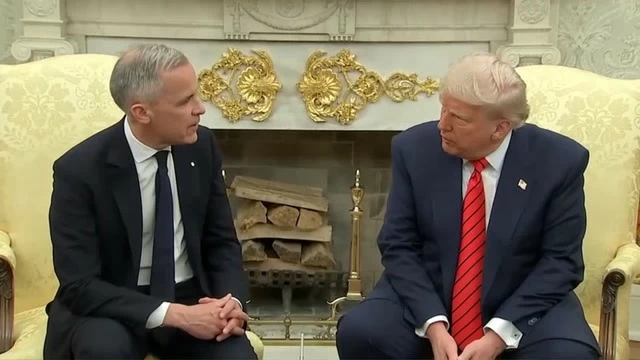
دافع الرئيس الأمريكي دونالد ترمب عن حربه التجارية المتصاعدة ضد كندا، معتبرًا أن جارتها الشمالية لا ينبغي أن تحصل على شروط تجارية تفضيلية من الولايات المتحدة لأنها ليست ولاية أمريكية.
وجاءت تصريحات ترمب في الوقت الذي تتعمق فيه الخلافات التجارية بين البلدين الحليفين، بعد أشهر من تكرار الرئيس الأمريكي طرح فكرة انضمام كندا إلى الولايات المتحدة لتصبح «الولاية الـ51»، وهي الدعوة التي قوبلت برفض غاضب من الجانب الكندي، وأسهمت في تأجيج موجة من المشاعر الوطنية المناهضة لترمب داخل البلاد.
وفي مقابلة مع مذيع «فوكس نيوز» تري غاودي، قال ترمب: «نخسر كل هذه الأموال الهائلة، إنهم يعتقدون أنهم ولاية، لكنهم ليسوا ولاية، لماذا ينبغي أن ندعم كندا؟».
رسوم جمركية جديدة تشعل المواجهة
وصعّدت إدارة ترمب الأسبوع الماضي حربها التجارية، بعدما فرضت رسومًا جمركية جديدة بنسبة 50% على مجموعة من الصادرات الكندية، وذلك عقب انهيار المفاوضات التجارية بين البلدين.
ورد رئيس الوزراء الكندي مارك كارني بالتعهد بالرد بالمثل، مؤكدًا أن بلاده ستعكس الرسوم الأمريكية «دولاراً مقابل دولار».
وتزامن التصعيد التجاري مع حرب كلامية متزايدة بين ترمب وعدد من المسؤولين الكنديين، وفي مقدمتهم رئيس وزراء مقاطعة أونتاريو دوج فورد.
وفي أحدث حلقات التصعيد، أعلن ترمب تغيير اسم بحيرة أونتاريو إلى «بحيرة أمريكا»، في خطوة مشابهة لقراره العام الماضي تغيير اسم خليج المكسيك إلى «خليج أمريكا» بعد تدهور العلاقات مع المكسيك.
فورد: سياسات ترمب «أسوأ ما يمكن للاقتصاد الأمريكي»
وانتقد فورد بشدة تحركات الرئيس الأمريكي، وقال خلال مقابلة مع برنامج «ذيس ويك» على شبكة «إيه بي سي» إن تصعيد ترمب يمثل «أسوأ شيء يمكن أن تفعله للاقتصاد الأمريكي»، واصفًا سياساته بأنها «معكوسة تمامًا».
وسخر فورد من قرار إعادة تسمية البحيرة، معتبرًا أن ما فعله ترمب يعكس مستوى من التصرفات الصغيرة والعبثية يشبه، على حد تعبيره، «شيئًا من برنامج Saturday Night Live» الكوميدي.
ترمب يطالب الشركات الكندية بالعودة إلى أمريكا
وفي منشور منفصل عبر منصته «تروث سوشيال»، وجّه ترمب رسالة مباشرة إلى الشركات الكندية التي ترغب في مواصلة ممارسة أعمالها في الولايات المتحدة، مطالبًا إياها بنقل مقارها الرئيسية إلى الأراضي الأمريكية.
وكتب ترمب أن كثيرًا من هذه الشركات غادرت الولايات المتحدة قبل سنوات بسبب ما وصفه بـ«القيادة الأمريكية الغبية»، مضيفًا: «عندما تعودون، لن تكون هناك رسوم جمركية!».
ويأتي ذلك في وقت تمثل فيه كندا أحد أهم الشركاء التجاريين للولايات المتحدة، إذ يبلغ حجم التجارة بين البلدين نحو 900 مليار دولار سنويًا، وفق بيانات مكتب الممثل التجاري الأمريكي.
ومع ذلك، وصف ترمب كندا بأنها، رغم كونها ثاني أكبر شريك تجاري للولايات المتحدة، واحدة من أسوأ شركائها التجاريين.
وقال الرئيس الأمريكي في منشور آخر بنبرة حادة: «لا أريد سيارات كندية، ولا أريد قطع غيار كندية، ولا أريد أي شيء كندي»، متهمًا كندا بأنها استغلت الولايات المتحدة اقتصاديًا لعقود.
وأضاف: «لقد كانوا يستغلوننا لعقود، وهذا سيتوقف».
قطاع السيارات في قلب الخلاف
وتضع تصريحات ترمب قطاع السيارات في قلب النزاع التجاري، خصوصًا أن شركات صناعة السيارات الأمريكية الكبرى تعتمد بدرجة كبيرة على قطع غيار مستوردة من كندا.
وكانت السيارات وقطع الغيار الكندية قد حصلت في السابق على إعفاءات من بعض الرسوم الجمركية التي فرضتها إدارة ترمب، في ظل الترابط العميق بين سلاسل التوريد في صناعة السيارات على جانبي الحدود.
ورغم تأكيد ترمب أنه أعاد إحياء قطاع صناعة السيارات الأمريكي منذ عودته إلى السلطة، فإن شركات السيارات الأمريكية الثلاث الكبرى لا تزال تعتمد على المكونات الكندية في عمليات الإنتاج.
خلافات تتجاوز التجارة
ولم تقتصر تصريحات ترمب خلال المقابلة التلفزيونية على الملف الكندي والتجارة.
فخلال حديثه مع تري غاودي، قال ترمب إنه لولا وجوده في البيت الأبيض «لما كانت إسرائيل موجودة»، كما هاجم منتقديه بشأن سياسته تجاه إيران، مؤكدًا أنه يحقق الفوز في الحرب ضدها «بسهولة».
ودافع كذلك عن قراره إنهاء التدريبات العسكرية المشتركة مع كوريا الجنوبية، قبل أن ينتقل إلى الحديث عن أدائه في لعبة الجولف.
ويعكس التصعيد الأخير بين واشنطن وأوتاوا تحول الخلاف التجاري إلى مواجهة سياسية وشخصية متزايدة، في وقت يتمسك فيه الجانبان بمواقف متشددة بشأن الرسوم الجمركية، بينما تظل العلاقات الاقتصادية بينهما شديدة التشابك، ما يجعل استمرار النزاع مصدر قلق للقطاعات الصناعية والمستهلكين في البلدين.
U.S. President Donald Trump defended his escalating trade war against Canada, arguing that the northern neighbor should not receive preferential trade terms from the United States because it is not a U.S. state.
Trump's remarks came as trade disputes between the two allied countries deepened, following months of the U.S. president repeatedly suggesting the idea of Canada joining the United States to become the "51st state," a proposal that was met with angry rejection from the Canadian side and contributed to a surge of anti-Trump national sentiments within the country.
In an interview with Fox News host Trey Gowdy, Trump said, "We are losing all this huge money, they think they are a state, but they are not a state, why should we support Canada?"
New Tariffs Ignite Confrontation
The Trump administration escalated its trade war last week by imposing new tariffs of 50% on a range of Canadian exports, following the collapse of trade negotiations between the two countries.
Canadian Prime Minister Mark Carney responded by pledging to retaliate in kind, confirming that his country would mirror the U.S. tariffs "dollar for dollar."
The trade escalation coincided with an increasing war of words between Trump and several Canadian officials, including Ontario Premier Doug Ford.
In the latest round of escalation, Trump announced the renaming of Lake Ontario to "Lake America," a move similar to his decision last year to rename the Gulf of Mexico to "Gulf America" after relations with Mexico deteriorated.
Ford: Trump's Policies Are "The Worst for the U.S. Economy"
Ford harshly criticized the U.S. president's actions, stating during an interview on ABC's "This Week" that Trump's escalation represents "the worst thing you can do for the U.S. economy," describing his policies as "completely backward."
Ford mocked the decision to rename the lake, considering Trump's actions to reflect a level of petty and absurd behavior akin to, in his words, "something from Saturday Night Live."
Trump Calls on Canadian Companies to Return to America
In a separate post on his platform Truth Social, Trump sent a direct message to Canadian companies wishing to continue their operations in the United States, urging them to relocate their headquarters to American soil.
Trump wrote that many of these companies left the United States years ago due to what he described as "stupid American leadership," adding, "When you come back, there will be no tariffs!"
This comes at a time when Canada represents one of the United States' most important trading partners, with trade between the two countries amounting to about $900 billion annually, according to data from the U.S. Trade Representative's office.
However, Trump described Canada as, despite being the second-largest trading partner of the United States, one of its worst trading partners.
The U.S. president stated in another sharp-toned post: "I don't want Canadian cars, I don't want Canadian parts, I don't want anything Canadian," accusing Canada of exploiting the United States economically for decades.
He added, "They have been taking advantage of us for decades, and that will stop."
Automotive Sector at the Heart of the Dispute
Trump's statements place the automotive sector at the center of the trade dispute, especially since major American automakers heavily rely on parts imported from Canada.
Previously, Canadian cars and parts had received exemptions from some tariffs imposed by the Trump administration, given the deep interconnection between supply chains in the automotive industry on both sides of the border.
Despite Trump's assertion that he revived the American automotive industry since returning to power, the three major American automakers still depend on Canadian components in their production processes.
Disputes Beyond Trade
Trump's remarks during the television interview were not limited to the Canadian file and trade.
During his conversation with Trey Gowdy, Trump stated that if it weren't for his presence in the White House, "Israel would not exist," and he attacked his critics regarding his policy towards Iran, asserting that he is winning the war against it "easily."
He also defended his decision to end joint military exercises with South Korea before shifting to discuss his performance in golf.
The recent escalation between Washington and Ottawa reflects a transformation of the trade dispute into an increasing political and personal confrontation, as both sides maintain hardline positions on tariffs, while their economic relations remain deeply intertwined, making the continuation of the dispute a source of concern for industrial sectors and consumers in both countries.