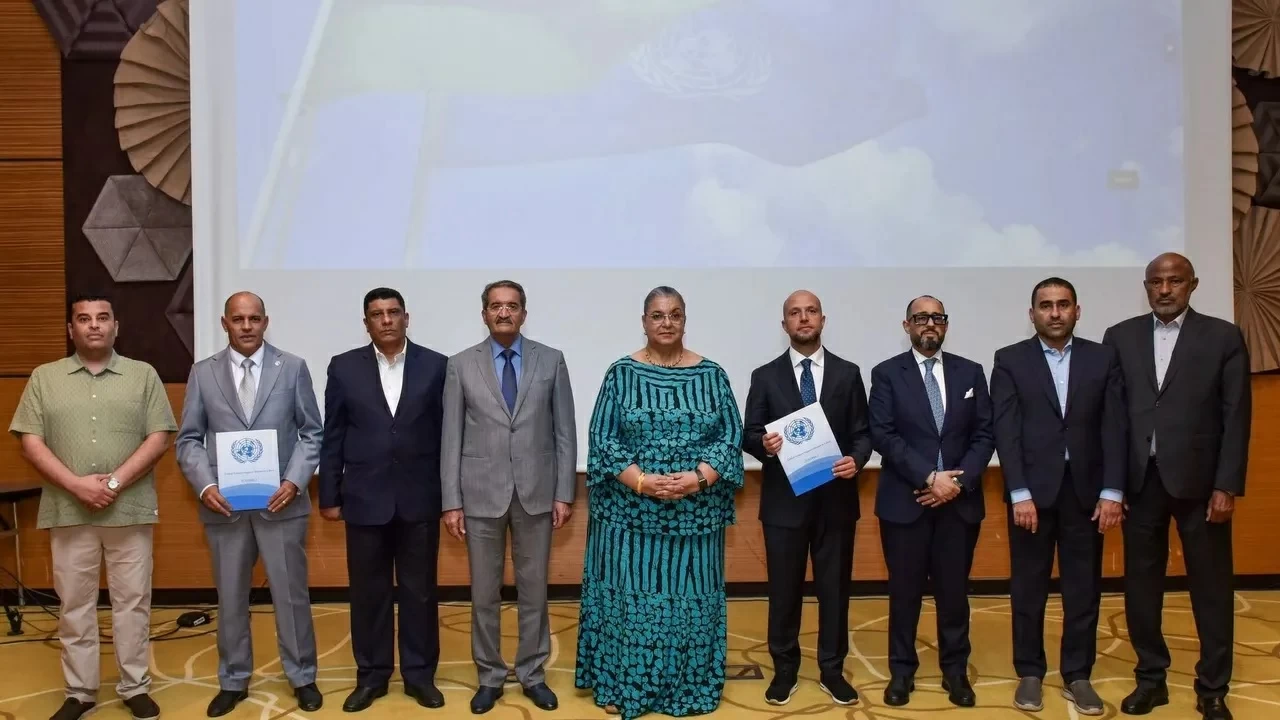
وقعت لجنة الحوار المصغر «4+4» الليبية اليوم (الأحد)، خلال مراسم في طرابلس، اتفاقاً لإجراء الانتخابات الرئاسية والبرلمانية خلال 24 شهراً. ورحب رئيس حكومة طرابلس عبد الحميد الدبيبة ونائب القائد العام للجيش الوطني صدام حفتر بالاتفاق.
إعادة تشكيل مفوضية الانتخابات
ووُقعت مسودة الاتفاق بالأحرف الأولى في تونس في 20 أغسطس، وغاب عن مراسم التوقيع رئيس المجلس الرئاسي محمد المنفي، ورئيس المجلس الأعلى للدولة محمد تكالة.
وتضمن نص الاتفاق إجراء انتخابات رئاسية وبرلمانية في مدة لا تتجاوز 24 شهراً، وإعادة تشكيل مفوضية الانتخابات، وأوصي بتسمية ضو الهمالي رئيساً لها بدلاً من عماد السائح.
ويسمح الاتفاق لمزدوجي الجنسية والعسكريين بالمشاركة في الانتخابات الرئاسية، ناخبين ومرشحين، مع إلزامية التنازل عن الجنسية الثانية بعد الفوز وقبل حلف اليمين الدستورية.
ويوصي بإعادة الانتخابات الرئاسية من بدايتها، حال عدم تخلي المرشح الفائز عن جنسيته الثانية قبل أداء اليمين الدستورية، ويلغي ارتباط نتائج الانتخابات البرلمانية بالرئاسية، كما ينهي إلزامية الجولة الثانية في انتخابات الرئاسة.
الانتخابات الوسيلة الأقل تكلفة
واعتبر رئيس وفد حكومة «الوحدة الوطنية» في طرابلس وليد اللافي أن «كل الحلول منقوصة ومؤقتة ما لم تتجه نحو الانتخابات». فيما أكد رئيس وفد سلطات الشرق باللجنة الشيباني أبو همود أن توقيع الاتفاق يشكل ثمرة تضافر الأطراف الرئيسية والقوى الفاعلة، لافتاً إلى أن «الانتخابات الوسيلة الأقل تكلفة والمتاحة أمامنا لتجديد شرعية مؤسساتنا».
واعتبر رئيس حكومة طرابلس عبد الحميد الدبيبة الاتفاق «خطوة مهمة تعزز المسار الذي نادينا به منذ البداية، والقائم على إنهاء المراحل الانتقالية والذهاب نحو الانتخابات».
وعبر عن أمله في أن يشكل هذا الاتفاق خطوة عملية في الاتجاه الصحيح، تحافظ على أولوية الانتخابات وتفتح الطريق أمام استحقاق وطني يضع ليبيا على طريق الاستقرار والبناء.
وقال نائب القائد العام للجيش الوطني الليبي صدام حفتر: «ننظر إلى الاتفاق باعتباره خطوة مهمة نحو إزالة العراقيل التي حالت طويلاً دون تحقيق تطلعات الشعب الليبي في الوصول إلى انتخابات رئاسية وتشريعية متزامنة في أقرب وقت ممكن».
واعتبر أن المرحلة القادمة يجب أن تكون مرحلة تنفيذ واستحقاق، هدفها توحيد ليبيا، والمضي دون إبطاء نحو الانتخابات الرئاسية والتشريعية المتزامنة، وتحقيق إرادة الشعب الليبي في بناء دولة موحدة ومستقرة.
خطوة مهمة نحو الاستقرار
من جانبها، أكدت المبعوثة الأممية هانا تيتيه خلال مراسم التوقيع أن الاتفاق يمثل «خطوة مهمة نحو استقرار ليبيا وتنظيم الانتخابات الوطنية وتوحيد المؤسسات»، داعية جميع أصحاب المصلحة إلى «العمل على تنفيذ أحكامه ضمن الإطار الزمني المحدد».
ولجنة «الحوار المصغر»، التي تسمى اختصاراً بلجنة «4+4»، تضم 4 ممثلين عن حكومة الوحدة الوطنية في طرابلس (غرب)، ومثلهم عن قوات الشرق، وأُنشئت في أبريل الماضي في إطار مقاربة تهدف إلى تحديد سبل الخروج من الأزمة عبر معالجة ملف الانتخابات.
ويهدف المسار الأممي إلى تيسير وصول الأطراف المتنازعة نحو انتخابات تنبثق عنها مؤسسات دائمة وموحدة تضع حداً لسنوات طويلة من الصراع بين طرابلس وبنغازي.
The Libyan "4+4" Dialogue Committee signed today (Sunday), during a ceremony in Tripoli, an agreement to hold presidential and parliamentary elections within 24 months. The Prime Minister of Tripoli, Abdul Hamid Dbeibeh, and the Deputy Commander of the National Army, Saad al-Hifter, welcomed the agreement.
Reforming the Electoral Commission
The draft agreement was signed in principle in Tunisia on August 20, with the President of the Presidential Council, Mohamed Menfi, and the Chairman of the High State Council, Mohamed Takala, absent from the signing ceremony.
The text of the agreement includes holding presidential and parliamentary elections within a period not exceeding 24 months, reforming the Electoral Commission, and recommending the appointment of Dhu al-Hamali as its president instead of Imad al-Sayeh.
The agreement allows dual nationals and military personnel to participate in the presidential elections, both as voters and candidates, with the requirement to renounce their second nationality after winning and before taking the constitutional oath.
It recommends re-holding the presidential elections from the beginning if the winning candidate does not renounce their second nationality before taking the constitutional oath, cancels the link between the results of the parliamentary elections and the presidential elections, and ends the requirement for a second round in the presidential elections.
Election as the Least Costly Means
The head of the "National Unity" government delegation in Tripoli, Walid al-Lafi, stated that "all solutions are incomplete and temporary unless they move towards elections." Meanwhile, the head of the eastern authorities' delegation in the committee, Al-Shibani Abu Hamoud, affirmed that the signing of the agreement represents the fruit of the convergence of the main parties and active forces, noting that "elections are the least costly and available means for renewing the legitimacy of our institutions."
Prime Minister of Tripoli, Abdul Hamid Dbeibeh, considered the agreement "an important step that enhances the path we have called for from the beginning, which is based on ending the transitional phases and moving towards elections."
He expressed hope that this agreement would represent a practical step in the right direction, maintaining the priority of elections and opening the way for a national entitlement that puts Libya on the path to stability and construction.
Deputy Commander of the Libyan National Army, Saad al-Hifter, stated: "We view the agreement as an important step towards removing the obstacles that have long prevented the aspirations of the Libyan people from achieving simultaneous presidential and legislative elections as soon as possible."
He considered that the next phase should be one of implementation and entitlement, aimed at unifying Libya and moving without delay towards simultaneous presidential and legislative elections, fulfilling the will of the Libyan people in building a unified and stable state.
An Important Step Towards Stability
For her part, UN envoy Hanna Teteh confirmed during the signing ceremony that the agreement represents "an important step towards stabilizing Libya, organizing national elections, and unifying institutions," calling on all stakeholders to "work on implementing its provisions within the specified timeframe."
The "Mini Dialogue" Committee, abbreviated as the "4+4" Committee, includes 4 representatives from the National Unity Government in Tripoli (West) and an equal number from the eastern forces, and was established last April as part of an approach aimed at identifying ways out of the crisis by addressing the electoral file.
The UN track aims to facilitate the conflicting parties' access to elections that will result in permanent and unified institutions, putting an end to long years of conflict between Tripoli and Benghazi.