ذكرت صحيفة فايننشال تايمز، اليوم (الخميس)، أن إسرائيل تدرس إمكانية طرد مسؤولين بريطانيين، وربما ممثلين عن دول أوروبية أخرى، من مركز التنسيق الدولي المعني بمرحلة ما بعد الحرب في قطاع غزة، في خطوة قد تأتي ردًا على تصاعد الانتقادات الأوروبية لسياسات رئيس الوزراء الإسرائيلي بنيامين نتنياهو تجاه الفلسطينيين.
وبحسب أشخاص مطلعين على الملف، ناقشت الحكومة الإسرائيلية خلال الأسابيع الأخيرة إمكانية إخراج بريطانيا من مركز الدعم الدولي لغزة (IGSC)، وهو المقر متعدد الجنسيات الذي أُنشئ لمراقبة تنفيذ وقف إطلاق النار الذي توسطت فيه الولايات المتحدة بين إسرائيل وحركة حماس.
وأشار مصدران إلى أن إسرائيل بحثت كذلك إمكانية اتخاذ إجراءات مماثلة بحق ممثلين من إيطاليا وألمانيا، في وقت تشهد فيه العلاقات بين إسرائيل وعدد من حلفائها الأوروبيين تدهورًا متزايدًا على خلفية الحرب في غزة، والعنف الذي يمارسه المستوطنون ضد الفلسطينيين في الضفة الغربية، والتوسع الاستيطاني الإسرائيلي.
مركز دولي بقيادة أمريكية
ويقع مركز الدعم الدولي لغزة في جنوب إسرائيل، وتديره قيادات عسكرية أمريكية بالتعاون مع الجيش الإسرائيلي، إلى جانب عشرات المسؤولين العسكريين والدبلوماسيين الذين يمثلون نحو 50 دولة ومنظمة دولية.
وكان المركز يُعرف سابقًا باسم مركز التنسيق المدني-العسكري، ويؤدي دورًا في متابعة تدفقات المساعدات والتطورات المرتبطة بالوضع داخل قطاع غزة.
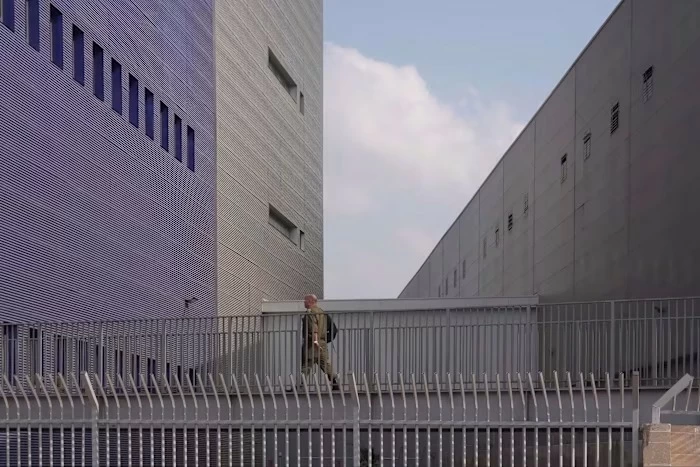
ويعمل المركز من داخل مستودع ضخم مكوّن من ثلاثة طوابق في مدينة كريات غات الصناعية، جرى تجهيزه بخلايا تنسيق وقاعات اجتماعات ومعدات حديثة لمتابعة عمليات المساعدات وغيرها من التطورات الميدانية.
هولندا وإسبانيا سبقتا بريطانيا
ويأتي التهديد المحتمل بإبعاد مسؤولين بريطانيين بعد إجراءات اتخذتها إسرائيل بالفعل ضد ممثلين أوروبيين آخرين.
فقد أعلن وزير الخارجية الإسرائيلي جدعون ساعر هذا الأسبوع طرد ممثلين هولنديين من المركز، احتجاجًا على قرار هولندا مقاطعة منتجات إسرائيلية مصدرها المستوطنات في الضفة الغربية المحتلة والقدس الشرقية وهضبة الجولان.
كما كانت إسرائيل قد أخرجت ممثلين إسبان من المركز في وقت سابق من العام، متهمة مدريد بما وصفته بـ«التحيز المفرط ضد إسرائيل».
وقال ساعر، في معرض إعلانه الإجراء ضد هولندا، إن إسرائيل لن تسمح باتخاذ إجراءات ضدها دون رد.
بريطانيا تشدد موقفها تجاه إسرائيل
ويأتي احتمال استهداف بريطانيا في وقت تعمل فيه لندن على تشديد سياستها تجاه الحكومة الإسرائيلية.
وكان رئيس الوزراء البريطاني آندي بيرنهام قد أعلن الشهر الماضي عزمه ممارسة ضغوط على الحكومة الإسرائيلية، بما في ذلك بحث فرض حظر على التجارة في السلع القادمة من المستوطنات.
كما انضمت بريطانيا وألمانيا وإيطاليا، إلى جانب نحو 20 دولة أخرى والمفوضية الأوروبية، إلى رسالة مشتركة انتقدت خطة إسرائيل للمضي قدمًا في طرح مناقصات لبناء مستوطنات ضمن مشروع E1 بالقرب من القدس.
وحذر محللون من أن تنفيذ المشروع قد يؤدي إلى فصل أجزاء من الضفة الغربية، ويقوض بصورة خطيرة فرص إقامة دولة فلسطينية قابلة للحياة.
وقال وزير الخارجية البريطاني إد ميليباند إن بلاده «لن تقف مكتوفة الأيدي وتقبل بتدمير حل الدولتين». ورد ساعر بأن بريطانيا لا ينبغي لها أن «تملي على الشعب اليهودي أين يمكنه العيش في وطنه التاريخي».
هل تحتاج عملية الطرد إلى موافقة أمريكية؟
ونقلت الصحيفة البريطانية عن مصدرين مطلعين، أن أي قرار بإبعاد ممثلين دوليين إضافيين من مركز الدعم الدولي لغزة قد يحتاج إلى موافقة مجلس السلام الذي تقوده الولايات المتحدة، وهو كيان دولي أنشأه الرئيس الأمريكي دونالد ترمب هذا العام للإشراف على المرحلة الانتقالية وإعادة إعمار غزة بعد الحرب، بما في ذلك أعمال المركز.
لكن مصدرًا ثالثًا اختلف مع هذا التقييم، وقال إن إسرائيل تمتلك، باعتبارها دولة ذات سيادة، الحق الكامل في تحديد من يُسمح له بدخول أراضيها ومن يمكنه البقاء فيها.
وقال متحدث باسم مجلس السلام إن المجلس يواصل التواصل مع الجانب الإسرائيلي من أجل الحفاظ على التنسيق متعدد الأطراف وتعزيزه، وتسريع تنفيذ خطة الرئيس الشاملة للسلام في غزة.
جنود إسرائيليين
وأكدت الصحيفة رفض مكتب رئيس الوزراء الإسرائيلي ومسؤولون ألمان التعليق على المسألة، بينما استبعد مسؤول حكومي إيطالي إمكانية طرد ممثلي بلاده وألمانيا من المركز.
تعثر تنفيذ اتفاق وقف إطلاق النار
ويأتي هذا الخلاف الدبلوماسي في وقت تواجه فيه الجهود الرامية إلى تنفيذ اتفاق وقف إطلاق النار الذي توسطت فيه الولايات المتحدة، وتم التوصل إليه في أكتوبر، عراقيل متزايدة.
ولا تزال القوات الإسرائيلية تسيطر على أكثر من نصف مساحة قطاع غزة الذي دمرته الحرب، فيما تواصل تنفيذ ضربات منتظمة داخل المناطق التي لا تزال تحت سيطرة حماس.
وفي المقابل، لم توافق الحركة حتى الآن على نزع سلاحها، كما لم تبدأ عملية إعادة إعمار واسعة النطاق في القطاع.
كما تعثرت خلال الصيف محاولة جديدة قادها مسؤولون في مجلس السلام للتوصل إلى اتفاق بشأن نزع سلاح حماس وانسحاب قوات الجيش الإسرائيلي من غزة.
ولم يتمكن المبعوث الأمريكي البارز جاريد كوشنر، خلال زيارته الأخيرة للمنطقة، من كسر حالة الجمود، بعدما عقد لقاءات مع ممثلين عن حماس ورئيس الوزراء الإسرائيلي بنيامين نتنياهو.
ووصف عدد من المصادر الاجتماع الذي استمر أربع ساعات بين كوشنر ونتنياهو بأنه سار بشكل سيئ ولم يحقق اختراقًا ملموسًا.
بريطانيا تستعد لاحتمال الإبعاد
ورغم ذلك، لا يبدو أن المسؤولين البريطانيين يشعرون بقلق بالغ من احتمال طرد ممثليهم من المركز.
وقال أحد المطلعين على الموقف إن إسرائيل سبق أن اتخذت إجراءات مماثلة ضد إسبانيا وهولندا، ولذلك فمن المنطقي توقع نوع من «الرد» على تشدد بريطانيا المتزايد تجاه سياسات الحكومة الإسرائيلية.
ويأتي ذلك أيضًا بعدما وقع أكثر من 140 نائبًا بريطانيًا أخيراً رسالة تطالب رئيس الوزراء بالمضي قدمًا في فرض حظر على السلع القادمة من المستوطنات الإسرائيلية.
جنود إسرائيليين
وفي رد مقتضب على التكهنات بشأن طرد مسؤولين أوروبيين إضافيين، قال مسؤول إسرائيلي: «إسرائيل لديها علاقات جيدة مع ألمانيا وإيطاليا».
ويكشف الجدل حول عضوية الدول الأوروبية في مركز تنسيق ما بعد الحرب في غزة عن اتساع الفجوة بين إسرائيل وعدد من حلفائها الأوروبيين، في وقت تتزايد فيه الخلافات بشأن مستقبل القطاع، والاستيطان في الأراضي الفلسطينية المحتلة، وآفاق حل الدولتين.
The Financial Times reported today (Thursday) that Israel is considering the possibility of expelling British officials, and possibly representatives from other European countries, from the International Coordination Center concerned with the post-war phase in the Gaza Strip, in a move that may come in response to the rising European criticism of Israeli Prime Minister Benjamin Netanyahu's policies towards the Palestinians.
According to sources familiar with the matter, the Israeli government has discussed in recent weeks the possibility of removing Britain from the International Gaza Support Center (IGSC), which is the multinational headquarters established to monitor the implementation of the ceasefire mediated by the United States between Israel and Hamas.
Two sources indicated that Israel has also considered taking similar actions against representatives from Italy and Germany, at a time when relations between Israel and several of its European allies are deteriorating against the backdrop of the war in Gaza, the violence perpetrated by settlers against Palestinians in the West Bank, and Israeli settlement expansion.
An International Center Led by the U.S.
The International Gaza Support Center is located in southern Israel and is managed by American military leaders in collaboration with the Israeli army, along with dozens of military and diplomatic officials representing about 50 countries and international organizations.
The center was previously known as the Civil-Military Coordination Center and plays a role in monitoring aid flows and developments related to the situation inside the Gaza Strip.
The center operates from a massive three-story warehouse in the industrial city of Kiryat Gat, which has been equipped with coordination cells, meeting rooms, and modern equipment to monitor aid operations and other field developments.
The Netherlands and Spain Preceded Britain
The potential threat to expel British officials comes after Israel has already taken actions against other European representatives.
Israeli Foreign Minister Gideon Sa'ar announced this week the expulsion of Dutch representatives from the center in protest against the Netherlands' decision to boycott Israeli products sourced from settlements in the occupied West Bank, East Jerusalem, and the Golan Heights.
Israel had also expelled Spanish representatives from the center earlier this year, accusing Madrid of what it described as "excessive bias against Israel."
Sa'ar stated, while announcing the action against the Netherlands, that Israel would not allow actions against it to go unanswered.
Britain Tightens Its Stance Towards Israel
The possibility of targeting Britain comes at a time when London is working to tighten its policy towards the Israeli government.
British Prime Minister Andy Burnham announced last month his intention to exert pressure on the Israeli government, including discussing the imposition of a trade ban on goods coming from the settlements.
Britain, Germany, and Italy, along with about 20 other countries and the European Commission, joined a joint letter criticizing Israel's plan to proceed with tenders for building settlements under the E1 project near Jerusalem.
Analysts have warned that implementing the project could lead to the fragmentation of parts of the West Bank and seriously undermine the prospects for establishing a viable Palestinian state.
British Foreign Secretary Ed Miliband stated that his country "will not stand idly by and accept the destruction of the two-state solution." Sa'ar responded that Britain should not "dictate to the Jewish people where they can live in their historic homeland."
Does the Expulsion Process Require U.S. Approval?
The British newspaper quoted two informed sources as saying that any decision to expel additional international representatives from the International Gaza Support Center may require the approval of the U.S.-led Peace Council, an international entity established by U.S. President Donald Trump this year to oversee the transitional phase and reconstruction of Gaza after the war, including the center's operations.
However, a third source disagreed with this assessment, stating that Israel, as a sovereign state, has the full right to determine who is allowed to enter its territory and who can stay in it.
A spokesperson for the Peace Council stated that the council continues to communicate with the Israeli side to maintain and enhance multilateral coordination and accelerate the implementation of the president's comprehensive peace plan for Gaza.
جنود إسرائيليين
The newspaper confirmed that the office of the Israeli Prime Minister and German officials declined to comment on the matter, while an Italian government official ruled out the possibility of expelling representatives from his country and Germany from the center.
Stalled Implementation of the Ceasefire Agreement
This diplomatic dispute comes at a time when efforts to implement the ceasefire agreement mediated by the United States, reached in October, are facing increasing obstacles.
Israeli forces still control more than half of the area of the Gaza Strip, which has been devastated by the war, while continuing to carry out regular strikes within areas still under Hamas control.
In return, the movement has not yet agreed to disarm, nor has a large-scale reconstruction process begun in the sector.
A new attempt led by officials from the Peace Council to reach an agreement on disarming Hamas and withdrawing Israeli army forces from Gaza also stalled over the summer.
U.S. envoy Jared Kushner was unable to break the deadlock during his recent visit to the region, after holding meetings with representatives of Hamas and Israeli Prime Minister Benjamin Netanyahu.
Several sources described the four-hour meeting between Kushner and Netanyahu as having gone poorly and not achieving any tangible breakthrough.
Britain Prepares for the Possibility of Expulsion
Despite this, British officials do not seem overly concerned about the possibility of their representatives being expelled from the center.
One insider noted that Israel has previously taken similar actions against Spain and the Netherlands, so it is reasonable to expect some kind of "response" to Britain's increasing toughness towards the Israeli government's policies.
This comes after more than 140 British MPs recently signed a letter urging the Prime Minister to move forward with imposing a ban on goods coming from Israeli settlements.
جنود إسرائيليين
In a brief response to speculation about the expulsion of additional European officials, an Israeli official stated: "Israel has good relations with Germany and Italy."
The debate over the membership of European countries in the post-war coordination center in Gaza reveals the widening gap between Israel and several of its European allies, at a time when disagreements are increasing regarding the future of the sector, settlement in the occupied Palestinian territories, and the prospects for a two-state solution.