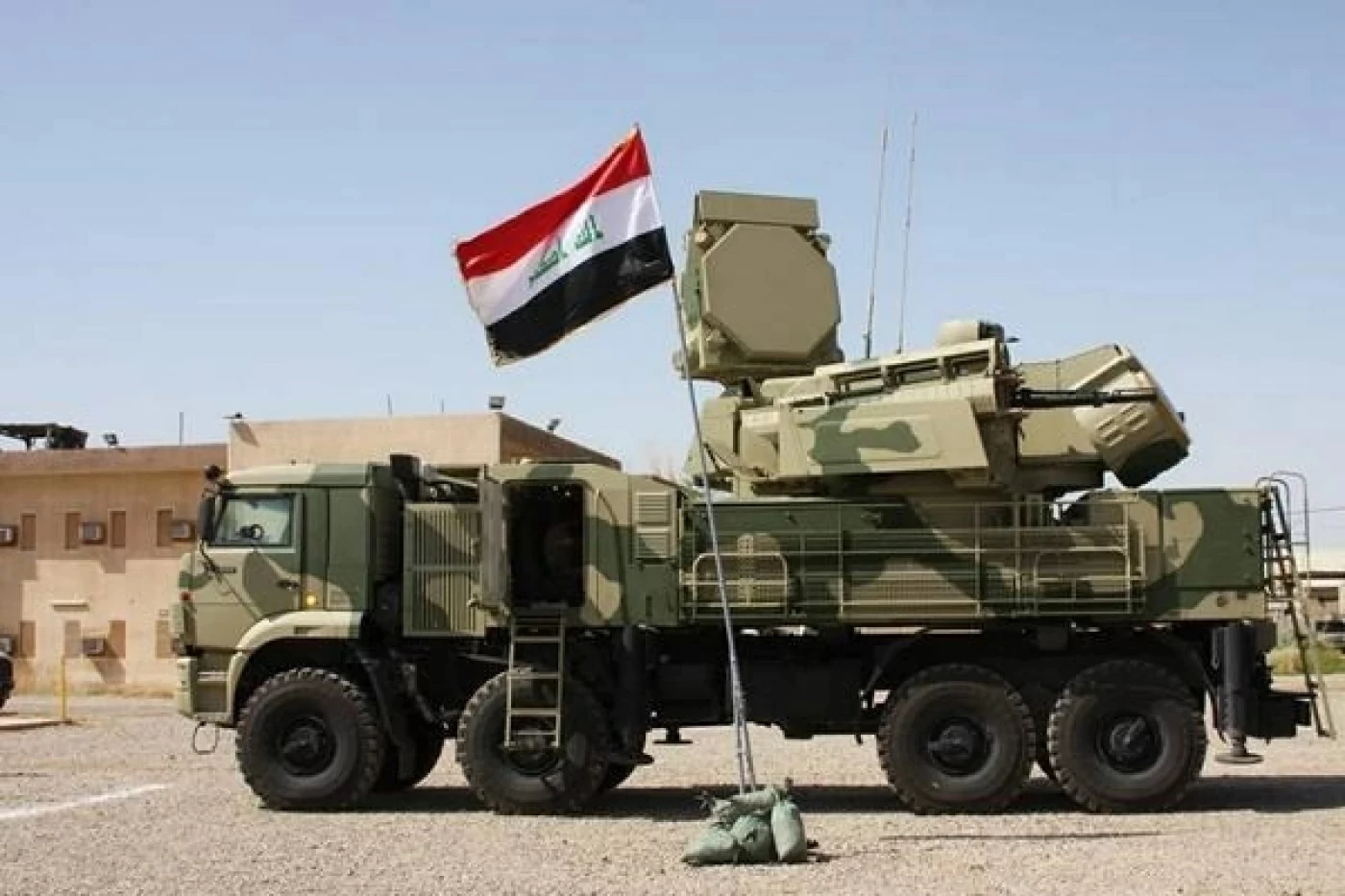
كشفت لجنة الأمن والدفاع النيابية عن طلب تقدمت به إلى رئيس الوزراء علي الزيدي لإضافة فقرة في الموازنة العامة الاتحادية لشراء منظومات دفاع جوي.
وقال عضو اللجنة كريم عليوي المحمداوي، في بيان، اليوم (الإثنين)، إن اللجنة عقدت قبل أيام اجتماعاً مع الزيدي لمناقشة تسليح القطاعات العسكرية من الجيش والشرطة، وشراء منظومات دفاع جوي لحماية أمن العراق وسيادته.
وأضاف: طلبنا من رئيس الحكومة تخصيص مبلغ لوزارة الدفاع ضمن قانون الموازنة العامة، لشراء منظومات متطورة للدفاع الجوي من كوريا الجنوبية والصين وروسيا.
وأوضح المحمداوي أن اللجنة طلبت تخصيص المبلغ لوزارة الدفاع بهدف التوجه إلى الدول العظمى لشراء منظومات متطورة للدفاع الجوي، مؤكداً ضرورة عدم الاعتماد على دولة محددة في مجال التسليح.
ويواجه العراق تحديات صعبة في دمج منظوماته الدفاعية؛ إذ تقتصر شبكته الحالية على أنظمة قصيرة المدى مجزأة ومحدودة التغطية مثل «أفنجر» الأمريكية و«بانتسير إس-1» الروسية، وهي منشآت لم تفلح في منع انتهاكات متكررة للأجواء من قبل قوى إقليمية.
وكانت لجنة الأمن والدفاع النيابية دعت في وقت سابق، إلى فصل موازنة الدفاع الجوي وسلاح الجو عن الموازنة التقليدية لوزارة الدفاع العراقية، لضمان تدفق مالي مستدام لبناء منظومة ردع متكاملة.
The Parliamentary Security and Defense Committee revealed a request it submitted to Prime Minister Ali Al-Zaydi to add a clause in the federal budget for the purchase of air defense systems.
Committee member Karim Aliwi Al-Muhammadi stated in a statement today (Monday) that the committee held a meeting with Al-Zaydi a few days ago to discuss arming the military sectors of the army and police, and purchasing air defense systems to protect Iraq's security and sovereignty.
He added: We requested the Prime Minister to allocate an amount for the Ministry of Defense within the public budget law to purchase advanced air defense systems from South Korea, China, and Russia.
Al-Muhammadi explained that the committee requested the allocation of the amount to the Ministry of Defense with the aim of approaching major countries to purchase advanced air defense systems, emphasizing the necessity of not relying on a specific country in the field of armament.
Iraq faces significant challenges in integrating its defense systems; its current network is limited to fragmented short-range systems with restricted coverage, such as the American "Avenger" and the Russian "Pantsir S-1," which have failed to prevent repeated violations of its airspace by regional powers.
The Parliamentary Security and Defense Committee had previously called for separating the air defense and air force budgets from the traditional budget of the Iraqi Ministry of Defense to ensure a sustainable financial flow for building a comprehensive deterrence system.