أدان المجلس الوزاري لمجلس التعاون لدول الخليج العربية، اليوم (الأحد)، بأشد العبارات الاعتداءات المتواصلة التي تشنها مليشيا الحوثي الإرهابية على السعودية، بما فيها استهداف الحرمين الشريفين والمناطق المحيطة بهما والمطارات المدنية والمنشآت الحيوية، مطالباً بتصنيف المليشيا جماعة إرهابية ووقف كل أشكال الدعم الذي يمكّنها من امتلاك الصواريخ والطائرات المسيّرة.
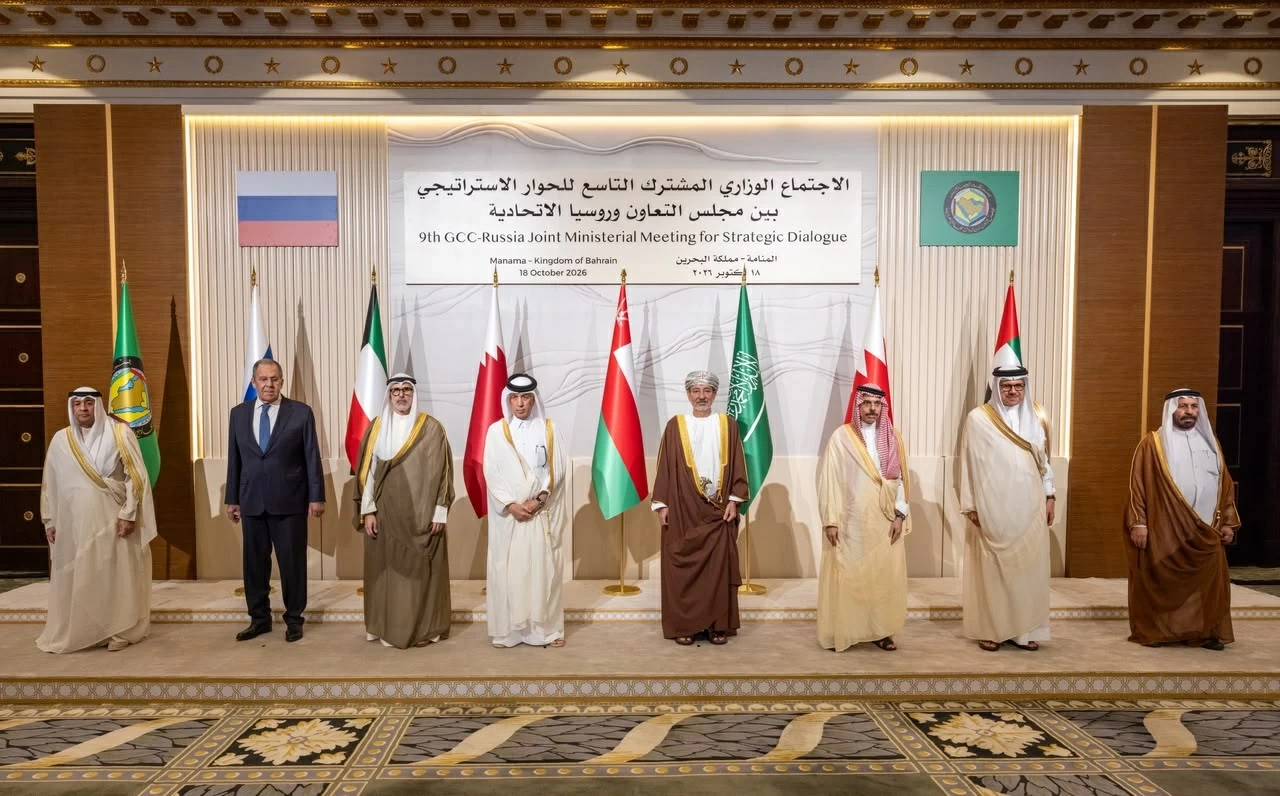
وعقد المجلس الوزاري لمجلس التعاون لدول الخليج العربية دورته الثامنة والستين بعد المائة اليوم (الأحد) في المنامة بمملكة البحرين، برئاسة وزير خارجية مملكة البحرين رئيس الدورة الحالية للمجلس الوزاري، الدكتور عبداللطيف بن راشد الزياني، وبمشاركة وزراء خارجية دول مجلس التعاون، والأمين العام لمجلس التعاون لدول الخليج العربية.
بحث المجلس الوزاري التطورات الخطيرة في المنطقة وتوصل إلى ما يلي، الهجمات الحوثية على السعودية
وأعرب المجلس عن إدانته بأشد العبارات الاعتداءات المستمرة التي تشنها مليشيا الحوثي الإرهابية على السعودية، بما في ذلك استهداف الحرمين الشريفين والمناطق المحيطة بهما، ومهاجمة المطارات المدنية والمنشآت الحيوية، والتي أسفرت عن سقوط ضحايا وجرحى من المدنيين، في انتهاك صارخ للقانون الدولي والقانون الدولي الإنساني، معرباً عن خالص تعازيه لذوي الضحايا وتمنياته للمصابين بالشفاء العاجل.
وأكد المجلس تضامن دول المجلس الكامل مع السعودية، ووقوفها صفاً واحداً إلى جانبها، ودعمها لجميع الإجراءات التي تتخذها لصون سيادتها وحماية أمنها ومصالحها، مشدداً على أن أمن دول مجلس التعاون كلٌّ لا يتجزأ، وأن أي اعتداء تتعرض له أي دولة عضو هو اعتداء مباشر على جميع دول المجلس، وفقاً لاتفاقية الدفاع المشترك، ومؤكداً احتفاظ دول المجلس بحقها الأصيل في الدفاع عن نفسها، فردياً وجماعياً، وفقاً للمادة (51) من ميثاق الأمم المتحدة، واتخاذ جميع الإجراءات اللازمة لحماية مواطنيها والمقيمين فيها، والحفاظ على سيادتها وأمنها واستقرارها ومصالحها.
ودعا المجلس الوزاري إلى تنفيذ قرارات مجلس الأمن الدولي الصادرة بشأن اليمن والتمرد الحوثي، بما في ذلك القرار 2216 (2015) الصادر تحت الفصل السابع من ميثاق الأمم المتحدة، والقرار 2722 (2024) بشأن الاعتداءات على السفن في البحر الأحمر، مطالباً الأمم المتحدة والمجتمع الدولي بضمان التنفيذ الدقيق لحظر توريد الأسلحة إلى ميليشيا الحوثي، المنصوص عليه في تلك القرارات، داعياً مجلس الأمن، والدول دائمة العضوية فيه خاصة، إلى الاضطلاع بمسؤولياتهم في حفظ السلم والأمن الدوليين، وإنفاذ قراراته، والتعامل مع حرية الملاحة البحرية والجوية بوصفها مصلحة دولية مشتركة لا تحتمل الانتقائية.
ودعا المجلس الوزاري إلى تصنيف مليشيا الحوثي جماعة إرهابية والتعامل معها أسوة بتعامل المنظومة الدولية مع الجماعات الإرهابية التي تهدد الأمن والسلم والتنمية والازدهار، ووقف كل دعم يمكّنها من امتلاك الصواريخ والطائرات المسيرة.
ورحب المجلس بالبيان الرئاسي الذي اعتمده مجلس الأمن الدولي بالتوافق في 15 أكتوبر 2026م، والذي أدان الاعتداءات الحوثية المتواصلة والتصعيدية على السعودية، بما فيها استهداف منشآت أرامكو، وأكد حقها في الدفاع عن نفسها وفقاً للقانون الدولي، وأدان الهجمات والتهديدات ضد الملاحة التجارية في البحر الأحمر ومضيق باب المندب، وشدد على التنفيذ الكامل لحظر الأسلحة المفروض بموجب القرار 2216 (2015)، مثمناً جهود مملكة البحرين بصفتها عضواً في مجلس الأمن في هذا الشأن، ومؤكداً ضرورة التنفيذ الكامل لما ورد فيه.
وأكدت دول المجلس على سيادة جمهورية اليمن ووحدة أراضيها، ودعم الجهود الرامية إلى التوصل إلى حل سياسي للأزمة اليمنية عبر الحوار والتفاهم، وفقاً للمرجعيات الثلاث (مخرجات الحوار الوطني اليمني الشامل، المبادرة الخليجية، وقرارات مجلس الأمن ذات الصلة)، وبما يسهم في تحقيق تطلعات الشعب اليمني الشقيق إلى السلام والأمن والاستقرار.
كما ناقش المجلس الاعتداءات الإيرانية على دوله، معرباً عن إدانته لاستمرار الاعتداءات الإيرانية بالصواريخ والطائرات المسيّرة على دول مجلس التعاون والمملكة الأردنية، بصورة مباشرة أو من خلال وكلائها في المنطقة، والتي استهدفت منشآت مدنية ومواقع خدمية ومناطق سكنية وبعثات دبلوماسية، وأسفرت عن أضرار مادية كبيرة، وشكلت تهديداً لأمن المواطنين والمقيمين فيها وسلامتهم.
حمل المجلس إيران المسؤولية الكاملة عن هذه الاعتداءات وتداعياتها، معرباً عن رفضه القاطع لجميع الادعاءات التي تطرحها إيران لتبريرها، ويطالب بالوقف الفوري وغير المشروط لجميع الاعتداءات والاستفزازات والتهديدات، والامتثال الكامل لقرار مجلس الأمن رقم 2817 (2026). ويدعو المجلس مجلس الأمن والمجتمع الدولي إلى الاضطلاع بمسؤولياتهما واتخاذ ما يلزم لضمان التنفيذ الكامل للقرار، ومساءلة المسؤولين عن هذه الاعتداءات، وإلزام إيران بجبر كامل لجميع الأضرار الناتجة عنها، وفقاً لقرار مجلس حقوق الإنسان رقم 61/1 (2026).
وأكد المجلس أن مضيقي هرمز وباب المندب والبحر الأحمر ممرات مائية حيوية لا تقتصر أهميتها على دول المنطقة، بل تمثل شرايين رئيسية للاقتصاد العالمي، وأن ضمان أمنها وسلامة الملاحة وحريتها فيها مصلحة ومسؤولية دولية مشتركة. ويشدد المجلس على أن إغلاق هذه الممرات أو عرقلة الملاحة فيها، أو استهداف السفن التجارية وطواقمها، أو زرع الألغام، أو فرض رسوم أو قيود غير مشروعة على العبور، يشكل تهديداً للسلم والأمن الدوليين، ويعرض إمدادات الطاقة والغذاء والدواء والتجارة العالمية لمخاطر جسيمة. ويرفض المجلس أي محاولة لإخضاع حق المرور العابر لإذن مسبق أو مسارات مفروضة، بما يخالف اتفاقية الأمم المتحدة لقانون البحار لعام 1982م والقانون الدولي العرفي، داعياً المنظمة البحرية الدولية إلى مواصلة الاضطلاع بمسؤولياتها في صون سلامة الملاحة وحماية البحارة. ويؤكد ضرورة استعادة أمن الملاحة وحريتها، وعودة الأوضاع في مضيق هرمز إلى ما كانت عليه قبل يوم 28 فبراير 2026م، وفقاً لقواعد ومبادئ القانون الدولي واتفاقية الأمم المتحدة لقانون البحار لعام 1982، واتفاقية ترسيم الحدود البحرية والجرف القاري الموقعة في 25 يوليو 1974 بين سلطنة عمان وإيران، واحترام سيادة الدول المشاطئة وحقوق الدول المعنية.
ودعا المجلس الوزاري إلى العودة إلى مسار الحوار والدبلوماسية لتجاوز الأزمة الراهنة، والحفاظ على أمن المنطقة واستقرارها وسلامة شعوبها، ويعرب عن دعمه لجهود الوساطة والمساعي الدبلوماسية التي تبذلها دول المنطقة والدول الشقيقة والصديقة، للوصول إلى حل سياسي يجنب المنطقة الانزلاق نحو مزيد من التوتر وزعزعة الأمن والاستقرار، الأمر الذي لا يصب في مصلحة المنطقة والعالم، مؤكداً ضرورة أن تعالج أي تفاهمات جميع المسائل العالقة، بما فيها الملف النووي الإيراني والبرنامج الصاروخي والطائرات المسيرة ودعم الوكلاء، على أساس احترام السيادة وحسن الجوار وعدم التدخل في الشؤون الداخلية، مع إشراك دول مجلس التعاون في أي مفاوضات أو ترتيبات تمس أمنها ومصالحها.
The Ministerial Council of the Gulf Cooperation Council condemned today (Sunday) in the strongest terms the ongoing attacks launched by the Houthi terrorist militia against Saudi Arabia, including the targeting of the Two Holy Mosques and the surrounding areas, as well as civilian airports and vital facilities. It called for classifying the militia as a terrorist group and for halting all forms of support that enable it to possess missiles and drones.
The Ministerial Council of the Gulf Cooperation Council held its 168th session today (Sunday) in Manama, Kingdom of Bahrain, chaired by the Minister of Foreign Affairs of the Kingdom of Bahrain and current chair of the Ministerial Council, Dr. Abdullatif bin Rashid Al Zayani, with the participation of the foreign ministers of the GCC countries and the Secretary-General of the Gulf Cooperation Council.
The Ministerial Council discussed the serious developments in the region and reached the following conclusions regarding the Houthi attacks on Saudi Arabia.
The Council expressed its strongest condemnation of the continuous attacks by the Houthi terrorist militia against Saudi Arabia, including the targeting of the Two Holy Mosques and the surrounding areas, and the attacks on civilian airports and vital facilities, which resulted in casualties and injuries among civilians, in a blatant violation of international law and international humanitarian law. It expressed its sincere condolences to the families of the victims and wished a speedy recovery to the injured.
The Council affirmed the full solidarity of the GCC countries with Saudi Arabia, standing united alongside it, and supporting all measures it takes to preserve its sovereignty and protect its security and interests. It emphasized that the security of the GCC countries is indivisible, and any aggression against any member state is a direct aggression against all GCC countries, in accordance with the Joint Defense Agreement. It also affirmed the GCC countries' right to defend themselves, individually and collectively, in accordance with Article 51 of the United Nations Charter, and to take all necessary measures to protect their citizens and residents, and to maintain their sovereignty, security, stability, and interests.
The Ministerial Council called for the implementation of the United Nations Security Council resolutions regarding Yemen and the Houthi rebellion, including Resolution 2216 (2015) issued under Chapter VII of the UN Charter, and Resolution 2722 (2024) regarding attacks on ships in the Red Sea. It urged the United Nations and the international community to ensure the precise implementation of the arms embargo on the Houthi militia, as stipulated in those resolutions, calling on the Security Council and its permanent members, in particular, to fulfill their responsibilities in maintaining international peace and security, enforcing its resolutions, and treating maritime and aerial navigation freedom as a shared international interest that does not tolerate selectivity.
The Ministerial Council called for classifying the Houthi militia as a terrorist group and dealing with it in the same manner as the international community deals with terrorist groups that threaten security, peace, development, and prosperity, and to stop all support that enables it to possess missiles and drones.
The Council welcomed the presidential statement adopted by the United Nations Security Council by consensus on October 15, 2026, which condemned the ongoing and escalating Houthi attacks on Saudi Arabia, including the targeting of Aramco facilities, affirmed its right to defend itself in accordance with international law, condemned the attacks and threats against commercial navigation in the Red Sea and the Bab al-Mandab Strait, and stressed the full implementation of the arms embargo imposed under Resolution 2216 (2015). It appreciated the efforts of the Kingdom of Bahrain as a member of the Security Council in this regard and affirmed the necessity of fully implementing what was stated therein.
The GCC countries affirmed the sovereignty of the Republic of Yemen and the unity of its territory, and supported efforts aimed at reaching a political solution to the Yemeni crisis through dialogue and understanding, in accordance with the three references (the outcomes of the comprehensive Yemeni national dialogue, the Gulf Initiative, and relevant Security Council resolutions), in a way that contributes to achieving the aspirations of the brotherly Yemeni people for peace, security, and stability.
The Council also discussed the Iranian assaults on its member states, expressing its condemnation of the continued Iranian attacks with missiles and drones on the GCC countries and the Hashemite Kingdom of Jordan, either directly or through its proxies in the region, which targeted civilian facilities, service sites, residential areas, and diplomatic missions, resulting in significant material damage and posing a threat to the security and safety of citizens and residents.
The Council held Iran fully responsible for these attacks and their repercussions, expressing its outright rejection of all claims made by Iran to justify them, and demanding the immediate and unconditional cessation of all attacks, provocations, and threats, and full compliance with Security Council Resolution 2817 (2026). The Council calls on the Security Council and the international community to fulfill their responsibilities and take necessary measures to ensure the full implementation of the resolution, hold accountable those responsible for these attacks, and compel Iran to fully compensate for all damages resulting from them, in accordance with Human Rights Council Resolution 61/1 (2026).
The Council affirmed that the Strait of Hormuz, the Bab al-Mandab Strait, and the Red Sea are vital waterways whose importance extends beyond the region, representing major arteries for the global economy. Ensuring their security, the safety of navigation, and freedom therein is a shared international interest and responsibility. The Council emphasizes that the closure of these waterways, the obstruction of navigation therein, the targeting of commercial vessels and their crews, the planting of mines, or the imposition of unlawful fees or restrictions on passage, constitutes a threat to international peace and security and exposes energy, food, medicine, and global trade supplies to serious risks. The Council rejects any attempt to subject the right of innocent passage to prior permission or imposed routes, in violation of the United Nations Convention on the Law of the Sea of 1982 and customary international law, calling on the International Maritime Organization to continue fulfilling its responsibilities in safeguarding the safety of navigation and protecting sailors. It affirms the necessity of restoring the security and freedom of navigation and returning the situation in the Strait of Hormuz to what it was before February 28, 2026, in accordance with the rules and principles of international law and the United Nations Convention on the Law of the Sea of 1982, and the maritime boundary and continental shelf demarcation agreement signed on July 25, 1974, between the Sultanate of Oman and Iran, and respecting the sovereignty of coastal states and the rights of concerned countries.
The Ministerial Council called for a return to the path of dialogue and diplomacy to overcome the current crisis, maintain the security and stability of the region, and ensure the safety of its peoples. It expresses its support for the mediation efforts and diplomatic endeavors made by the countries of the region and friendly nations to reach a political solution that spares the region from further tension and destabilization, which does not serve the interests of the region and the world. It emphasizes the necessity that any understandings address all outstanding issues, including the Iranian nuclear file, the missile program, drones, and support for proxies, based on respect for sovereignty, good neighborliness, and non-interference in internal affairs, while involving the GCC countries in any negotiations or arrangements that affect their security and interests.