وجه أكثر من 100 دبلوماسي بريطاني وفرنسي سابق دعوة عاجلة إلى حكومتي بلديهما لاتخاذ إجراءات أكثر صرامة تجاه إسرائيل، متهمين الحكومة الإسرائيلية باتباع سياسة تهدف إلى تقويض قيام دولة فلسطينية، ومطالبين بفرض قيود تجارية وعسكرية للضغط من أجل الحفاظ على حل الدولتين.
وفي رسالة مشتركة غير مسبوقة، ابتعد الدبلوماسيون عن اللغة الدبلوماسية المعتادة، واتهموا إسرائيل بـ«التطهير العرقي»، محذرين من أن العالم لم يعد ينظر إليها باعتبارها «ديمقراطية حقيقية».
ووُجهت الرسالة إلى الرئيس الفرنسي إيمانويل ماكرون ورئيس الوزراء البريطاني آندي بورنهام، ووقعها 52 دبلوماسيًا فرنسيًا سابقًا و50 سفيرًا بريطانيًا سابقًا، خدم كثير منهم في مناصب دبلوماسية رفيعة بمنطقة الشرق الأوسط، بينها مصر وإيران والبحرين وإسرائيل وسورية وتركيا والكويت والسعودية وقطر.
وضمت قائمة الموقعين البريطانيين سفيرين سابقين لدى الأمم المتحدة، هما جيريمي غرينستوك وإمير جونز باري، إلى جانب إدوارد تشابلن، المدير السابق لشؤون الشرق الأوسط في وزارة الخارجية البريطانية. ومن الجانب الفرنسي، وقع الرسالة باتريس باولي، المدير السابق لشؤون الشرق الأوسط في الخارجية الفرنسية، وستانيسلاس دو لابولاي، القنصل العام الفرنسي السابق في القدس.
دعوة لعقوبات تجارية وعسكرية
ويرى الموقعون أن بريطانيا وفرنسا تتحملان مسؤولية خاصة تجاه الصراع، بالنظر إلى دورهما التاريخي في تشكيل الشرق الأوسط الحديث، فضلًا عن اعتراف البلدين بفلسطين دولةً خلال عام 2025.
ودعا الدبلوماسيون حكومتيهما إلى اتخاذ 7 إجراءات رئيسية، من بينها:
الالتزام بقرارات محكمة العدل الدولية والمحكمة الجنائية الدولية.
تعليق اتفاقية الشراكة بين الاتحاد الأوروبي وإسرائيل، واتفاقية التجارة والشراكة البريطانية الإسرائيلية، بسبب ما وصفوه بانتهاكات حقوق الإنسان.
تعليق نقل الأسلحة من إسرائيل وإليها، ووقف التعاون العسكري الثنائي.
ضمان وصول المساعدات الإنسانية دون قيود إلى قطاع غزة، والسماح بدخول الصحفيين والدبلوماسيين والبرلمانيين.
حظر التجارة مع المستوطنات الإسرائيلية، بما يشمل السلع والاستثمارات والتأمين والخدمات المالية.
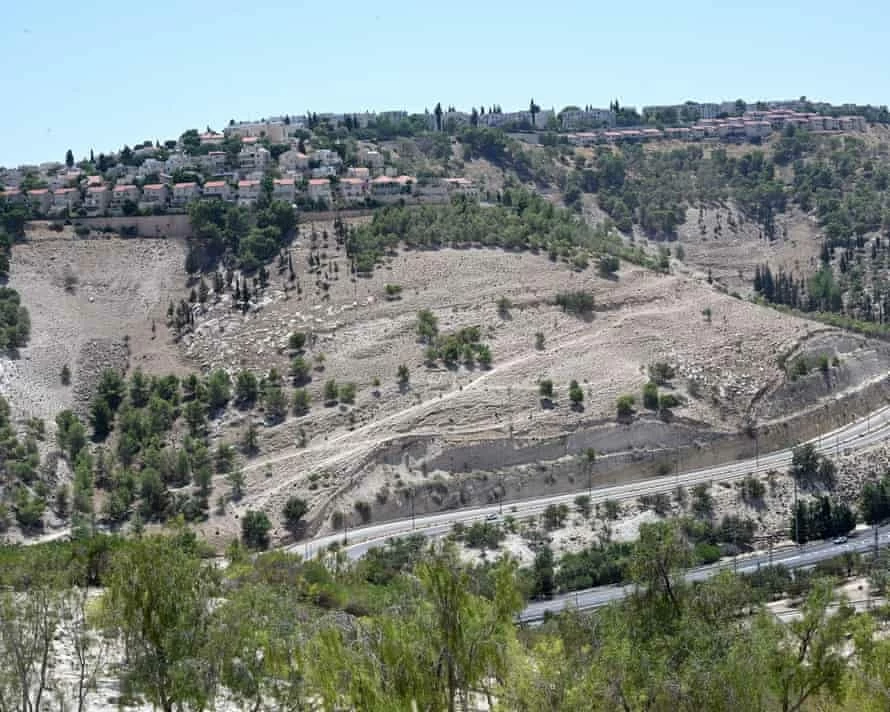
تحذير الشركات والمستثمرين من المشاركة في مشروع المستوطنة الإسرائيلية بمنطقة E1 أو تمويله.
تجريم شراء المواطنين البريطانيين والفرنسيين عقارات في الأراضي الفلسطينية التي وصفوها بأنها «مسروقة»، وسحب الصفة الخيرية عن المؤسسات التي تمول المستوطنات.
انتقادات للاستيطان الإسرائيلي
وجاءت الرسالة بعد يومين من انضمام بريطانيا وفرنسا إلى تسع دول أخرى في إدانة طرح الحكومة الإسرائيلية مناقصات لبناء نحو 1200 وحدة سكنية ضمن مشروع مستوطنة E1 في الضفة الغربية.
وحذرت الدول من أن المشروع سيبعد إسرائيل أكثر عن السلام ويقوض فرص حل الدولتين، بينما حذر وزير الخارجية البريطاني إد ميليباند من أن المشروع يمثل تهديدًا خطيرًا لإمكانية إقامة دولة فلسطينية قابلة للحياة.
وفي المقابل، رفض وزير الخارجية الإسرائيلي جدعون ساعر الانتقادات، مؤكدًا أن إسرائيل لن تبقى مكتوفة الأيدي، ومعتبرًا أن لليهود الحق في العيش في مختلف أنحاء إسرائيل، كما للبريطانيين الحق في العيش في أنحاء المملكة المتحدة.
«فلسطين تُمحى أمام أعيننا»
وقال الدبلوماسيون في رسالتهم إن اعتراف بلديهما بفلسطين يجب ألا يبقى مجرد خطوة رمزية، بل ينبغي أن يتبعه تحرك عاجل لحماية حق الفلسطينيين في تقرير مصيرهم.
واتهموا الحكومة الإسرائيلية بالسعي إلى تدمير أي فرصة لقيام دولة فلسطينية مستقلة، معتبرين أن ذلك يتعارض مع القانون الدولي وقرارات محكمة العدل الدولية والعديد من قرارات مجلس الأمن.
وفيما يتعلق بقطاع غزة، قال الموقعون إن نحو مليوني فلسطيني محاصرون في مساحة تمثل نحو 30% من القطاع الذي دمرته الحرب، وسط نقص في الغذاء والدواء والمساكن، وأضافوا أن أكثر من 1200 فلسطيني قتلوا منذ وقف إطلاق النار، وفق ما ورد في الرسالة.
كما اتهموا إسرائيل بممارسة عمليات هدم واسعة للمنازل وتصاعد عنف المستوطنين في القدس الشرقية والضفة الغربية، معتبرين أن ذلك «يرقى إلى التطهير العرقي».
وأشاروا كذلك إلى امتداد سياسة الاحتلال والدمار، بحسب وصفهم، إلى لبنان وسورية، مؤكدين أن الوضع أصبح «وصمة على ضمير الإنسانية» تستوجب تحرك بريطانيا وفرنسا.
انتقادات لحماس ودعوة لإصلاح فلسطيني
وفي الوقت نفسه، شدد الدبلوماسيون على أن موقفهم لا يتجاهل مسؤولية الجانب الفلسطيني، مؤكدين أن حركة حماس ارتكبت «جرائم مروعة» في هجمات 7 أكتوبر 2023، لكنهم قالوا إن ذلك لا يبرر ما وصفوه بالسياسة الإسرائيلية المنهجية تجاه غزة وسكانها.
ودعوا الفلسطينيين إلى ضمان أن تكون الدولة الفلسطينية دولة ديمقراطية وتحترم القانون، مشددين على ضرورة إعادة توحيد غزة والضفة الغربية سياسيًا وإداريًا واقتصاديًا.
كما انتقدوا القيادة السياسية الفلسطينية، ووصفوها بأنها غير ممثلة للشعب وتعاني خللًا وظيفيًا، معربين عن أملهم في أن تقود الانتخابات الفلسطينية المقررة في نوفمبر إلى «تجديد ديمقراطي».
ضغوط متزايدة على إسرائيل
وتأتي الرسالة في وقت تتصاعد فيه الضغوط الدولية على الحكومة الإسرائيلية بشأن الحرب في غزة والاستيطان، بينما تدور داخل الأوساط الدبلوماسية نقاشات بشأن ما إذا كان رئيس الوزراء الإسرائيلي بنيامين نتنياهو يسعى، من خلال خطوات عسكرية وسياسية، إلى دفع دول أخرى لاتخاذ إجراءات انتقامية قد تخدم حظوظه السياسية قبل الانتخابات المقررة في 27 أكتوبر.
كما رفضت إسرائيل مؤخرًا أحدث خطة سلام أمريكية بشأن غزة، الأمر الذي أثار انتقادات من ثماني دول إسلامية، وحذرت من أن الإجراءات الإسرائيلية تقوض الجهود الرامية إلى تحقيق سلام عادل ودائم.
وطالب الدبلوماسيون السابقون ماكرون وبورنهام باستخدام النفوذ الاقتصادي والسياسي لبلديهما للضغط على إسرائيل، مؤكدين أن التركيز يجب أن ينصب على ما وصفوه بـ«إصرار إسرائيل على منع» قيام دولة فلسطينية.
More than 100 former British and French diplomats have issued an urgent call to their governments to take stricter action against Israel, accusing the Israeli government of pursuing a policy aimed at undermining the establishment of a Palestinian state, and demanding the imposition of trade and military restrictions to pressure for the preservation of the two-state solution.
In an unprecedented joint letter, the diplomats departed from usual diplomatic language, accusing Israel of "ethnic cleansing," warning that the world no longer sees it as a "true democracy."
The letter was addressed to French President Emmanuel Macron and British Prime Minister Andy Burnham, and was signed by 52 former French diplomats and 50 former British ambassadors, many of whom served in senior diplomatic positions in the Middle East, including Egypt, Iran, Bahrain, Israel, Syria, Turkey, Kuwait, Saudi Arabia, and Qatar.
The list of British signatories included two former ambassadors to the United Nations, Jeremy Greenstock and Sir John Jones Barry, along with Edward Chaplin, the former director for Middle East affairs at the British Foreign Office. From the French side, the letter was signed by Patrice Paoli, the former director for Middle East affairs at the French Foreign Ministry, and Stanislas de Laboulaye, the former French consul general in Jerusalem.
Call for Trade and Military Sanctions
The signatories believe that Britain and France have a special responsibility regarding the conflict, given their historical role in shaping the modern Middle East, as well as the recognition of Palestine as a state by both countries during 2025.
The diplomats called on their governments to take seven key actions, including:
Commitment to the decisions of the International Court of Justice and the International Criminal Court.
Suspension of the partnership agreement between the European Union and Israel, and the British-Israeli trade and partnership agreement, due to what they described as human rights violations.
Suspension of arms transfers to and from Israel, and cessation of bilateral military cooperation.
Ensuring unrestricted access to humanitarian aid to the Gaza Strip, and allowing entry for journalists, diplomats, and parliamentarians.
Prohibiting trade with Israeli settlements, including goods, investments, insurance, and financial services.
Warning companies and investors against participating in or funding the Israeli settlement project in the E1 area.
Criminalizing the purchase of properties by British and French citizens in Palestinian territories that they described as "stolen," and revoking the charitable status of institutions that fund settlements.
Criticism of Israeli Settlements
The letter came two days after Britain and France joined nine other countries in condemning the Israeli government's announcement of tenders to build around 1,200 housing units as part of the E1 settlement project in the West Bank.
The countries warned that the project would push Israel further away from peace and undermine the prospects for a two-state solution, while British Foreign Secretary Ed Miliband warned that the project poses a serious threat to the possibility of establishing a viable Palestinian state.
In contrast, Israeli Foreign Minister Gideon Sa'ar rejected the criticisms, asserting that Israel would not remain idle, and claiming that Jews have the right to live throughout Israel, just as Britons have the right to live throughout the United Kingdom.
"Palestine is being erased before our eyes"
The diplomats stated in their letter that their countries' recognition of Palestine should not remain merely a symbolic step, but should be followed by urgent action to protect the Palestinians' right to self-determination.
They accused the Israeli government of seeking to destroy any chance of an independent Palestinian state, considering this contrary to international law, the decisions of the International Court of Justice, and numerous UN Security Council resolutions.
Regarding the Gaza Strip, the signatories stated that about two million Palestinians are trapped in an area representing about 30% of the war-destroyed territory, amid shortages of food, medicine, and housing, adding that more than 1,200 Palestinians have been killed since the ceasefire, according to the letter.
They also accused Israel of carrying out widespread home demolitions and the escalation of settler violence in East Jerusalem and the West Bank, considering this "amounts to ethnic cleansing."
They pointed out that the policy of occupation and destruction, as they described it, extends to Lebanon and Syria, emphasizing that the situation has become "a stain on the conscience of humanity" that requires action from Britain and France.
Criticism of Hamas and Call for Palestinian Reform
At the same time, the diplomats stressed that their stance does not overlook the responsibility of the Palestinian side, asserting that Hamas committed "atrocious crimes" in the attacks of October 7, 2023, but they stated that this does not justify what they described as Israel's systematic policy towards Gaza and its inhabitants.
They called on Palestinians to ensure that the Palestinian state is a democratic state that respects the law, emphasizing the need to politically, administratively, and economically reunite Gaza and the West Bank.
They also criticized the Palestinian political leadership, describing it as unrepresentative of the people and suffering from dysfunction, expressing hope that the upcoming Palestinian elections scheduled for November would lead to "democratic renewal."
Increasing Pressure on Israel
The letter comes at a time when international pressure is mounting on the Israeli government regarding the war in Gaza and settlement activities, while discussions are taking place within diplomatic circles about whether Israeli Prime Minister Benjamin Netanyahu is seeking, through military and political steps, to push other countries to take retaliatory actions that may serve his political prospects ahead of the elections scheduled for October 27.
Israel has also recently rejected the latest American peace plan regarding Gaza, which drew criticism from eight Islamic countries, warning that Israeli actions undermine efforts to achieve a just and lasting peace.
The former diplomats urged Macron and Burnham to use their countries' economic and political leverage to pressure Israel, asserting that the focus should be on what they described as "Israel's insistence on preventing" the establishment of a Palestinian state.