ردّت مصر على ما نشرته صحيفة «بوليتيكو» الأمريكية بشأن مشروع محطة الضبعة النووية، مؤكدة أن ما ورد في التقرير من مزاعم حول وجود مشكلات فنية أو ملاحظات تتعلق بالسلامة لا يعكس حقيقة الإجراءات الفنية والرقابية المطبقة داخل المشروع.
وأكدت هيئة المحطات النووية لتوليد الكهرباء، في بيان صدر مساء اليوم (الإثنين)، أن مشروع الضبعة يخضع لمنظومة رقابية متعددة المستويات، بإشراف الجهات المصرية المختصة وبالتعاون مع الوكالة الدولية للطاقة الذرية، رافضة ما وصفته بـ«الصورة غير الدقيقة وغير المتوازنة» التي قدمها التقرير.
رد مصري - روسي
وأوضحت الهيئة أن الصحفي الذي أعد تقرير «بوليتيكو» أرسل طلباً للتعليق إلى الهيئة والمقاول العام الروسي قبل نشر المادة، مشيرة إلى أن مراجعة محتوى التقرير أظهرت، من وجهة نظرها، افتقاره إلى التوازن والموضوعية.
وأضافت أن الجانب الروسي قدم رداً مفصلاً استند إلى ما وصفته بالحقائق للرد على الادعاءات الواردة في التقرير.
وتُنفذ محطة الضبعة بموجب الاتفاقيات الحكومية الموقعة بين مصر وروسيا، وعقد الهندسة والإنشاء والتوريد (EPC) المبرم مع هيئة المحطات النووية، فيما تخضع الأعمال لرقابة الجهات المختصة، وفي مقدمتها هيئة الرقابة النووية والإشعاعية المصرية.
25 ألف متخصص
وأكدت الهيئة أن الضبعة تُعد حالياً أكبر مشروع لبناء محطة طاقة نووية في العالم، لافتة إلى أن حجم المشروع وتعقيد أعماله الهندسية يستلزمان تطبيق منظومة دقيقة لمراقبة الجودة.
ويشارك في تنفيذ المشروع نحو 25 ألف متخصص من المقاول العام والشركات والمقاولين من الباطن ومعاهد التصميم وأجهزة الرقابة الحكومية.
وشددت على أن ظهور ملاحظات فنية أو حالات عدم مطابقة خلال تنفيذ مشروع بهذا الحجم أمر وارد وطبيعي، موضحة أن جميع الملاحظات تخضع لإجراءات تصحيحية وفحوص مستمرة، ولا تُعتمد أي مرحلة إنشائية قبل استكمال المعالجة الفنية والاختبارات اللازمة.
وأشارت إلى تطبيق إجراءات «عدم المطابقة» (NCRs) للتعامل المبكر مع أي ملاحظات هندسية، خصوصاً المتعلقة بأعمال الخرسانة.
منظومة صارمة للسلامة
ورداً على ما أثير بشأن السلامة، أكدت الهيئة أن تقييم السلامة في المشاريع النووية لا يستند إلى المشاهدة البصرية أو التقديرات الشخصية، وإنما إلى منظومة متكاملة تشمل تقييم المخاطر، وتصاريح العمل، وخطط الرفع، واعتماد المعدات، والإشراف الرقابي المستمر.
كما أكدت تطبيق نظام شامل للسلامة الصناعية والصحة المهنية وثقافة السلامة وجودة البناء، مع توثيق الأحداث التي تستوجب التسجيل وفق الإجراءات المعتمدة.
وتشمل منظومة الأمن داخل الموقع قواعد مشددة لتنظيم حركة الأفراد والمركبات، والتعامل الفوري مع أي محاولات لتجاوز تصاريح الدخول أو التصوير غير المصرح به أو إدخال مواد مخالفة للتعليمات.
إشادة الوكالة الذرية
واستندت الهيئة إلى عدد من التقييمات الدولية للتأكيد على سلامة الإطار الرقابي للمشروع، مشيرة إلى بعثة المراجعة المتكاملة للبنية التحتية النووية «INIR 2019» التابعة للوكالة الدولية للطاقة الذرية، والتي أشادت بجاهزية مصر وبنيتها المؤسسية لتنفيذ برنامجها النووي.
كما استشهدت بتصريحات المدير العام للوكالة رافائيل غروسي، خلال فعاليات تركيب أوعية ضغط المفاعلات في الوحدتين الأولى والثانية، التي أكد خلالها أهمية القدرات المؤسسية في مجالات السلامة والأمن والضمانات، وأشاد بالتعاون بين مصر والوكالة.
وفي يونيو 2026، أنهت بعثة المراجعة التنظيمية المتكاملة «IRRS» التابعة للوكالة أعمالها في مصر، بعد مراجعة هيئة الرقابة النووية والإشعاعية وموقع محطة الضبعة.
وبحسب الهيئة، خلصت البعثة إلى امتلاك مصر إطاراً تنظيمياً ورقابياً شاملاً لأمان المنشآت النووية والإشعاعية، وأشادت بجاهزية وكفاءة الجهة الرقابية الوطنية في الإشراف على أعمال المشروع.
معدات رئيسية تصل إلى الضبعة
وفي مؤشر على استمرار تقدم الأعمال، أعلنت الهيئة وصول معدات طويلة الأجل إلى موقع الضبعة، من بينها أربعة مولدات بخار للوحدة النووية الأولى، إلى جانب مثبت الضغط «Pressurizer»، مع الاستعداد لبدء تركيب هذه المعدات الرئيسية قبل نهاية العام الجاري.
وأكدت أن أعمال الإنشاء مستمرة وفق البرنامج المحدد وتحت رقابة هيئة الرقابة النووية والإشعاعية المصرية، بالتعاون مع الوكالة الدولية للطاقة الذرية.
مفاعلات الجيل الثالث
وتعتمد محطة الضبعة على مفاعلات من الجيل الثالث المطور «Generation III+»، التي تقول الهيئة إنها من أحدث تقنيات الأمان والكفاءة التشغيلية.
ويقوم التصميم على مفهوم «الدفاع في العمق»، عبر حواجز متعددة وأنظمة أمان سلبية يمكنها العمل اعتماداً على ظواهر طبيعية، من بينها الجاذبية، دون الاعتماد على الكهرباء في بعض وظائف الأمان.
ويتضمن التصميم الروسي كذلك «ماسك قلب المفاعل» (Core Catcher) لاحتواء قلب المفاعل والمواد عالية النشاط الإشعاعي في حال وقوع حادث شديد، إضافة إلى وعاء احتواء مزدوج الجدران مصمم، وفق الهيئة، لتحمل اصطدام طائرة تجارية ثقيلة يصل وزنها إلى 400 طن وبسرعة 150 متراً في الثانية.
كما صُممت المحطة لمقاومة الزلازل والتسونامي والأعاصير والرياح.
إنجازات متواصلة
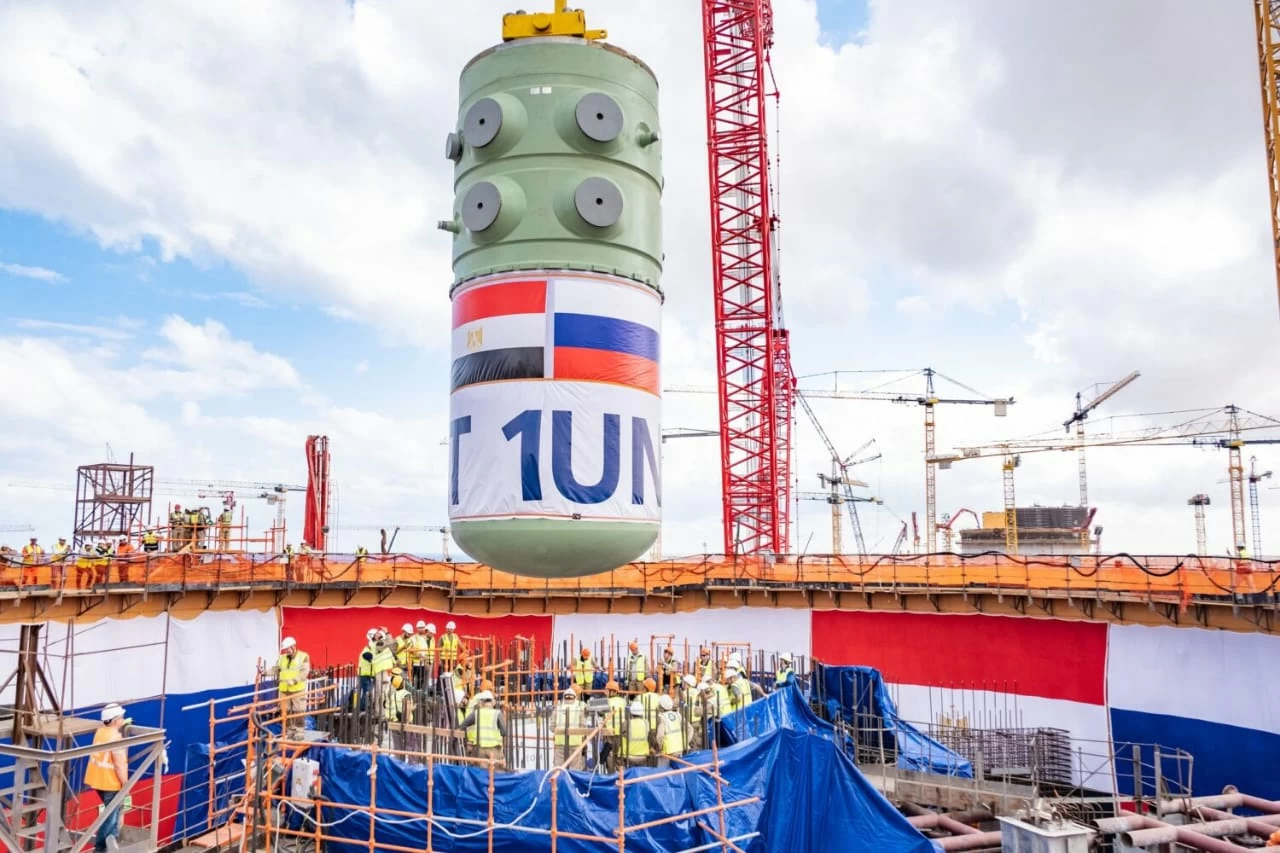
وشهد المشروع خلال الفترة الأخيرة عدداً من المراحل الرئيسية، كان أبرزها تركيب وعاء ضغط المفاعل للوحدة الأولى في نوفمبر 2025، ثم الوحدة الثانية في يوليو 2026، بحضور مسؤولين مصريين وروس وشخصيات دولية معنية بالاستخدامات السلمية للطاقة النووية.
وفي ختام ردها، دعت هيئة المحطات النووية إلى التمييز بين المعلومات الفنية المؤكدة والادعاءات غير الموثقة، مؤكدة أن تقييم سلامة مشروع نووي بهذا الحجم لا يمكن أن يستند إلى انطباعات أو معلومات مجتزأة، وإنما إلى منظومة فنية ورقابية متكاملة تخضع لها جميع مراحل التنفيذ.
Egypt responded to what was published by the American newspaper "Politico" regarding the El-Dabaa nuclear power plant project, confirming that the claims in the report about the existence of technical problems or safety concerns do not reflect the reality of the technical and regulatory procedures applied within the project.
The Nuclear Power Plants Authority stated in a statement issued this evening (Monday) that the El-Dabaa project is subject to a multi-level regulatory system, under the supervision of the relevant Egyptian authorities and in cooperation with the International Atomic Energy Agency, rejecting what it described as "the inaccurate and unbalanced picture" presented by the report.
Egyptian-Russian Response
The authority clarified that the journalist who prepared the "Politico" report sent a request for comment to the authority and the Russian general contractor before publishing the material, noting that a review of the report's content showed, from its perspective, a lack of balance and objectivity.
It added that the Russian side provided a detailed response based on what it described as facts to counter the claims made in the report.
The El-Dabaa station is being implemented under the government agreements signed between Egypt and Russia, and the engineering, procurement, and construction (EPC) contract concluded with the Nuclear Power Plants Authority, while the work is subject to oversight by the relevant authorities, primarily the Egyptian Nuclear and Radiological Regulatory Authority.
25,000 Specialists
The authority confirmed that El-Dabaa is currently the largest nuclear power plant construction project in the world, pointing out that the size of the project and the complexity of its engineering works necessitate the application of a precise quality control system.
About 25,000 specialists from the general contractor, companies, subcontractors, design institutes, and government regulatory bodies are participating in the implementation of the project.
It emphasized that the emergence of technical observations or non-conformities during the execution of a project of this size is a normal and expected occurrence, explaining that all observations are subject to corrective actions and continuous inspections, and no construction phase is approved before completing the necessary technical processing and tests.
It noted the application of "Non-Conformance Report" (NCR) procedures to address any engineering observations early, especially those related to concrete works.
Strict Safety System
In response to the concerns raised about safety, the authority confirmed that safety assessments in nuclear projects are not based on visual observations or personal estimates, but rather on a comprehensive system that includes risk assessments, work permits, lifting plans, equipment approvals, and continuous regulatory supervision.
It also confirmed the application of a comprehensive system for industrial safety, occupational health, safety culture, and construction quality, with documentation of events that require recording according to approved procedures.
The security system on site includes strict rules to regulate the movement of individuals and vehicles, and immediate handling of any attempts to bypass entry permits, unauthorized photography, or the introduction of materials contrary to instructions.
IAEA Commendation
The authority relied on several international assessments to affirm the safety of the regulatory framework for the project, referring to the Integrated Nuclear Infrastructure Review (INIR 2019) mission from the International Atomic Energy Agency, which praised Egypt's readiness and institutional framework to implement its nuclear program.
It also cited statements from the agency's Director General Rafael Grossi during the installation of the reactor pressure vessels in the first and second units, where he emphasized the importance of institutional capacities in safety, security, and safeguards, and praised the cooperation between Egypt and the agency.
In June 2026, the Integrated Regulatory Review Service (IRRS) mission from the agency completed its work in Egypt after reviewing the Nuclear and Radiological Regulatory Authority and the El-Dabaa plant site.
According to the authority, the mission concluded that Egypt possesses a comprehensive regulatory and oversight framework for the safety of nuclear and radiological facilities, and praised the readiness and efficiency of the national regulatory body in supervising the project's activities.
Main Equipment Arrives at El-Dabaa
In an indication of the continued progress of the works, the authority announced the arrival of long-term equipment at the El-Dabaa site, including four steam generators for the first nuclear unit, along with the pressurizer, with preparations underway to begin installing this main equipment before the end of the current year.
It confirmed that construction works are ongoing according to the specified schedule and under the supervision of the Egyptian Nuclear and Radiological Regulatory Authority, in cooperation with the International Atomic Energy Agency.
Third Generation Reactors
The El-Dabaa plant relies on advanced third-generation reactors (Generation III+), which the authority claims are among the latest safety and operational efficiency technologies.
The design is based on the concept of "defense in depth," through multiple barriers and passive safety systems that can operate relying on natural phenomena, including gravity, without depending on electricity for some safety functions.
The Russian design also includes a "core catcher" to contain the reactor core and high-radioactivity materials in the event of a severe accident, in addition to a double-walled containment vessel designed, according to the authority, to withstand the impact of a heavy commercial aircraft weighing up to 400 tons at a speed of 150 meters per second.
The plant is also designed to withstand earthquakes, tsunamis, hurricanes, and winds.
Continuous Achievements
The project has witnessed several key phases recently, the most notable being the installation of the reactor pressure vessel for the first unit in November 2025, followed by the second unit in July 2026, in the presence of Egyptian and Russian officials and international figures concerned with the peaceful uses of nuclear energy.
In conclusion, the Nuclear Power Plants Authority called for a distinction between confirmed technical information and unverified claims, emphasizing that the safety assessment of a nuclear project of this size cannot be based on impressions or fragmented information, but rather on a comprehensive technical and regulatory system that governs all stages of implementation.